
political economy
-
While We Watch: The Quiet Power Grab of AI and The Hidden Reordering of Work and Wealth
AI, data, and automation are remaking society, while energy, water, jobs are quietly redistributed and structural change is accelerating without public debate A careful examination of the past twenty-four hours reveals not a collection of disconnected announcements, but a set of developments that, taken together, illustrate the current direction of travel in advanced economies: heavy… Continue reading
AI and Digital Control, America, China, economics, Energy, EUROPE, Financial markets, Foreign Policy, Geopolitics, Global Finance, iran, israel, politics, reserve currency, Russia, technology, warAI policy, artificial intelligence, automation, capital concentration, corporate power, data ownership, democratic deficit, digital infrastructure, economic inequality, governance, institutional lag, labour displacement, macroeconomics, platform economics, political economy, productivity, public consent, social contract, Sovereignty, speculative investment, surveillance capitalism, technocracy, technofeudalism, wealth transfer -
The Collapse of “Plan A” and the Emergence of a War Without Control
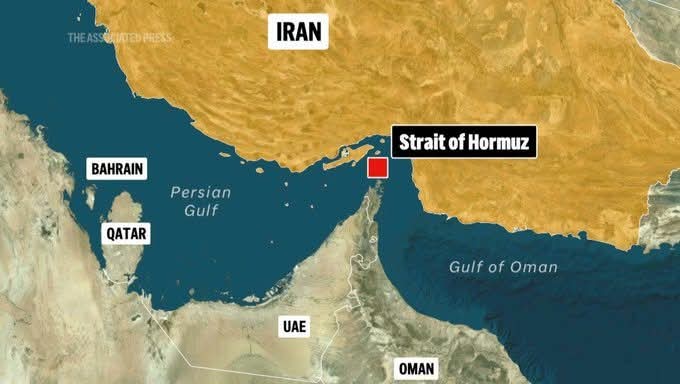
Israeli Escalation, Iranian Leverage, and the Breakdown of United States Control Amid Infrastructure Warfare, Energy Market and Global Economic Shock Military escalation between the United States, Israel and Iran over the past twenty-four hours has altered both the operational direction and the political control of the conflict, with immediate consequences for energy markets, alliance management… Continue reading
-
Iran Rejects Ceasefire Demands Permanent End to War and External Pressure
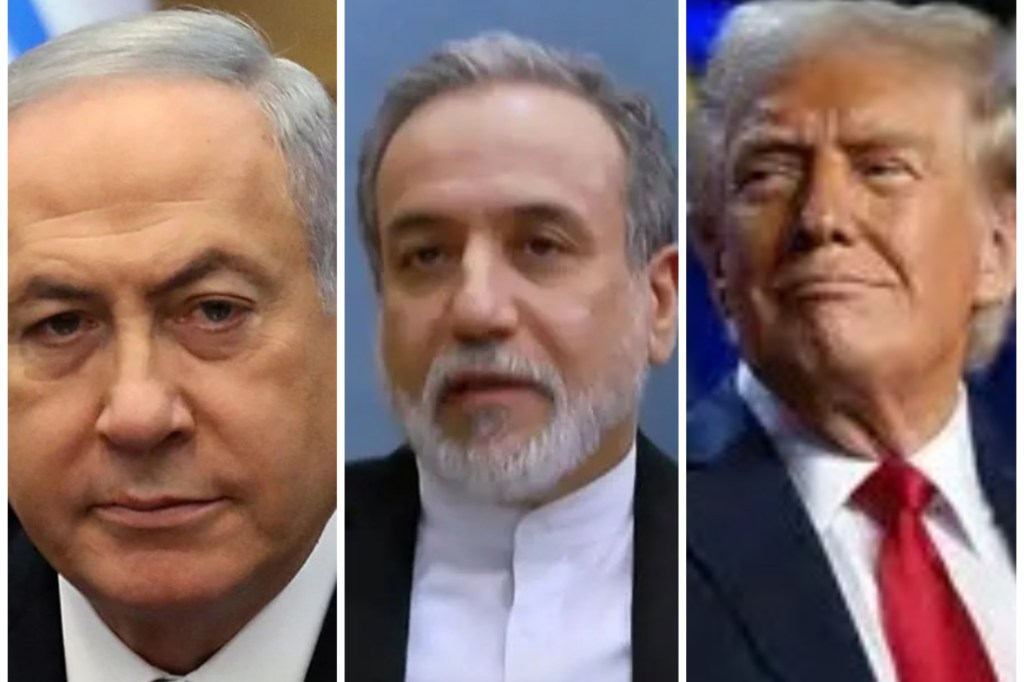
Iranian leadership argues that temporary truces only preserve the strategic conditions that have produced decades of confrontation since the 1979 revolution. Iranian refusal to accept a temporary ceasefire reflects a strategic calculation rooted in the historical pattern of hostilities directed against the Islamic Republic since the 1979 revolution. Tehran frames the current confrontation as the… Continue reading
AI and Digital Control, America, China, economics, Energy, EUROPE, Financial markets, Foreign Policy, Geopolitics, iran, israel, middle east, NATO, politics, Russia, warAbbas Araghchi, ceasefire diplomacy, energy security, Game Theory, Geopolitics, global energy markets, Gulf geopolitics, iran, Iranian foreign policy, IRGC, Israel Iran tensions, Middle East conflict, oil geopolitics, political economy, regional power balance, security architecture, Strait of Hormuz, Sun Tzu, Thomas Schelling, US–Iran relations, war strategy -
Iran is Resisting the “Epstein”Digital Monetary Order
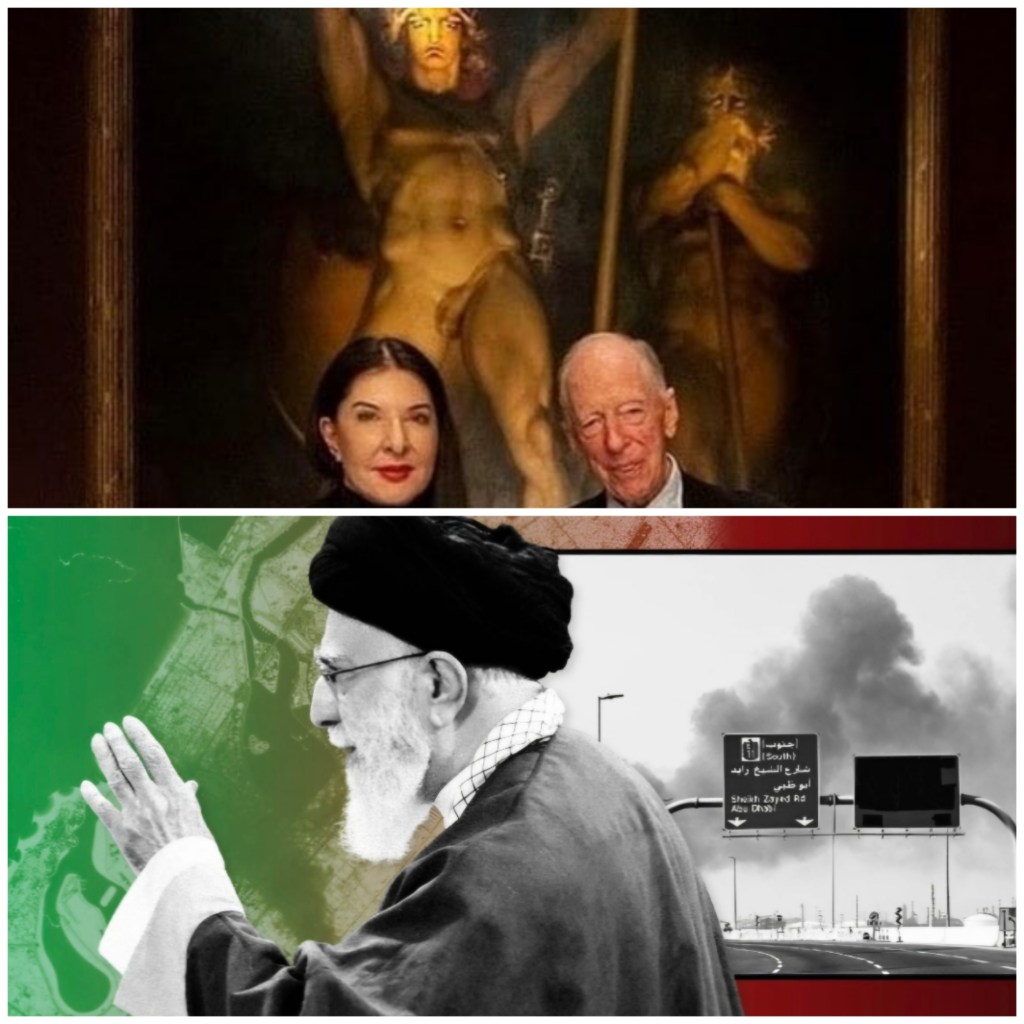
Iran’s monetary independence’s refusal to submit to digital monetary surveillance and centralised financial control tyranny as the underlying driver of the war The sustained pressure applied against Iran over recent decades reflects a structural conflict over monetary sovereignty rather than episodic disputes over security or ideology. Examination of intervention patterns since the late twentieth century… Continue reading
-
Why Zambia’s Mineral Wealth Has Not Produced Prosperity

Extraction without Accumulation: The Political Economy of Zambia’s Underdevelopment Zambia’s position within the global minerals economy conforms closely to John Perkins’ description, reflecting extraction structured through political control, legal asymmetry, and external economic power. Perkins wrote that modern economic structures operate “to convince leaders of underdeveloped countries to accept huge loans, so that even more… Continue reading
-
Trump’s Tariffs Backfired and Weakened Economic Power
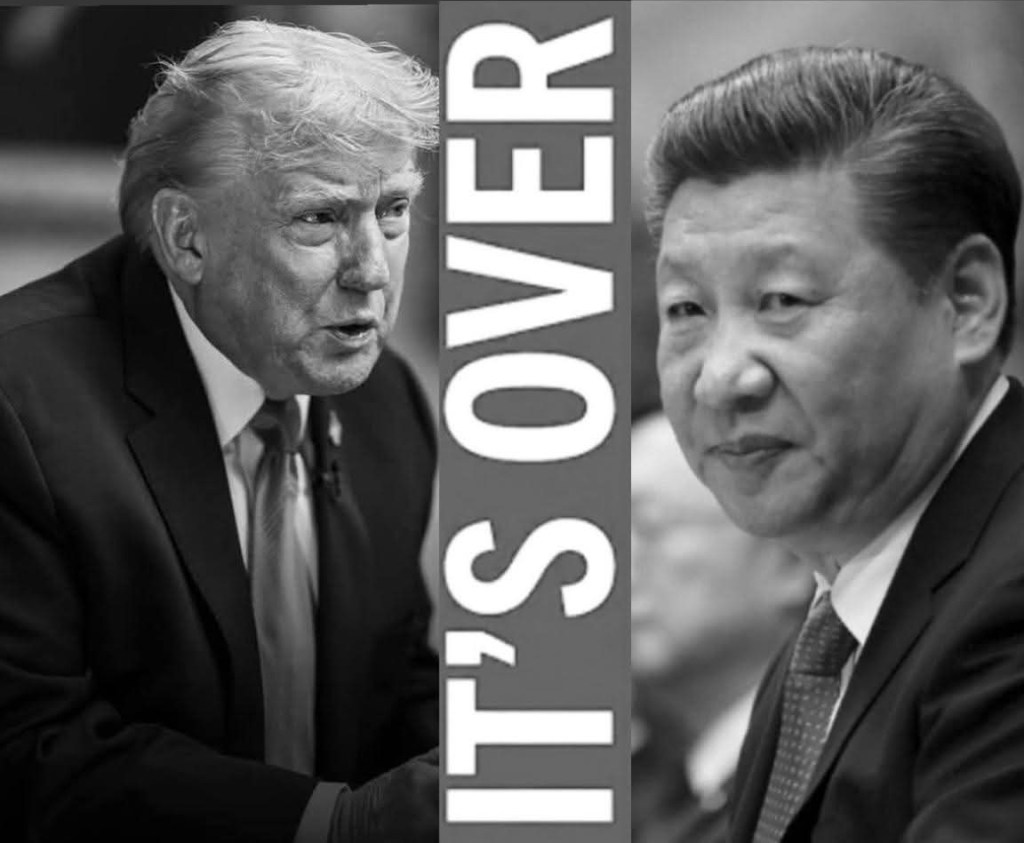
The Burdem of United States Trade Policy Failure Fell on American Consumers, Firms, Allies, and Markets The reintroduction and expansion of United States tariffs under the Trump administration formed the centrepiece of a strategy publicly presented as economic nationalism, strategic leverage, and industrial revival. The policy failed on each stated objective while imposing measurable domestic… Continue reading
-
The U.S Occupation of Nigeria Begins
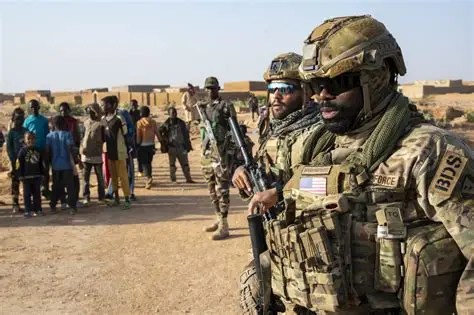
The Quiet Invasion of Nigeria Under the Banner of Peace: How the War on Terror Masks Resource Interests in Nigeria The recent announcement that the United States has deployed military personnel to Nigeria under the banner of counter-terrorism has generated significant debate about the true motivations behind such interventions. “This decision was announced in the… Continue reading
africa, AI and Digital Control, America, economics, Energy, Financial markets, Foreign Policy, Geopolitics, Global Finance, Mineral Resources, NATO, politics, reserve currency, warchaos theory, counter-terrorism, Game Theory, Geopolitics, global power dynamics, Hegelian dialectic, imperialism, international relations, military intervention, Mineral Resources, neocolonialism, Nigeria, oil and gas, political economy, resource politics, security studies, Sovereignty, strategic interests, US foreign policy, West Africa -
The Bank Collapse That Wasn’t Allowed to Be Seen

How America’s first bank failure of 2026 was buried as silver broke, markets fell, and war decisions stalled The first United States bank failure of 2026 occurred without public disorder, market panic, or sustained media attention, reflecting a deliberate administrative approach shaped by post-2008 regulatory practice, an approach described by former Federal Reserve official Daniel… Continue reading
AI and Digital Control, America, economics, Financial markets, Foreign Policy, Geopolitics, Global Finance, israel, NATO, politics, warbank failures, Basel III, commodity exchanges, crisis management, crypto markets, deleveraging, derivatives markets, equity markets, Federal Deposit Insurance Corporation, financial stability, geopolitical risk, global financial system, information management, Iran policy, liquidity contraction, market volatility, Middle East strategy, monetary policy, political economy, post-2008 regulation, precious metals markets, regime change conflicts, regional banks, silver market crash, systemic risk, war finance -
The Dollar System and the End of Fiat Global Monetary Order
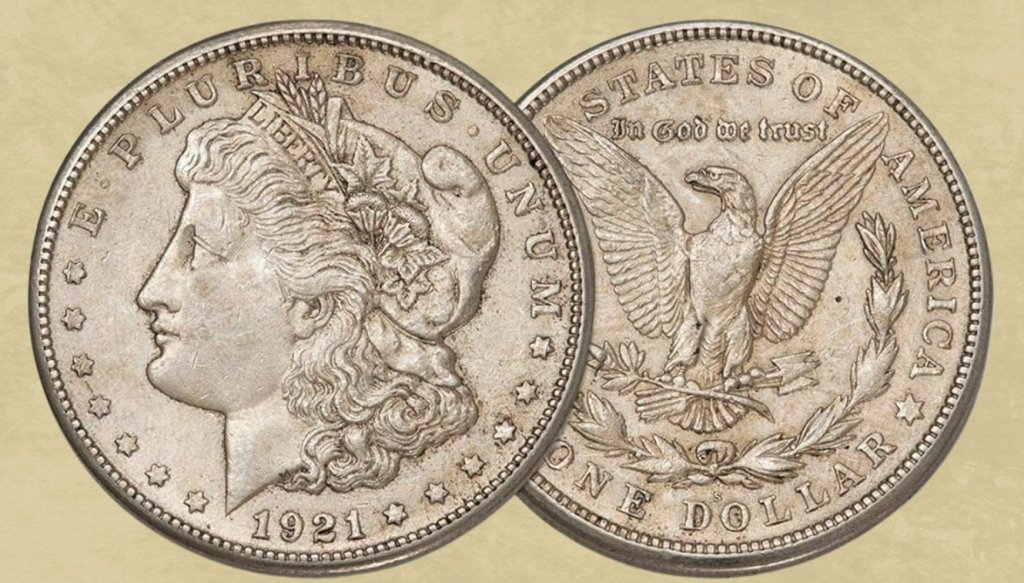
The Decline of Fiat Credibility and End of Monetary Universality in a Fragmenting Global Economy What is unfolding within the international monetary and financial system is more accurately described as de-fiatisation rather than de-dollarisation, because the structural erosion concerns confidence in state issued credit money rather than exclusive rejection of the United States dollar. Benjamin… Continue reading
-
Michael Parenti has Died but his Power of Labels will Live On

How mainstream media framing obscured the life and work of a persistent critic of power The world is being misled, and Michael Parenti’s death shows how this still works. Michael Parenti died yesterday at 92. Today, much of the mainstream press describes him as a “Marxist academic.” That label misses the point. It reduces his… Continue reading
AI and Digital Control, America, Foreign Policy, Geopolitics, Global Finance, Mineral Resources, NATO, politics, warcapitalism critique, class analysis, Cold War analysis, corporate power, critical theory, democracy critique, fascism studies, globalization, historian, imperialism, Marxist scholar, media criticism, Michael Parenti, political economy, political scientist, political theorist, radical politics, socialism, U.S. foreign policy
