
political economy
-
The Age of Liberal Gangster Capitalism
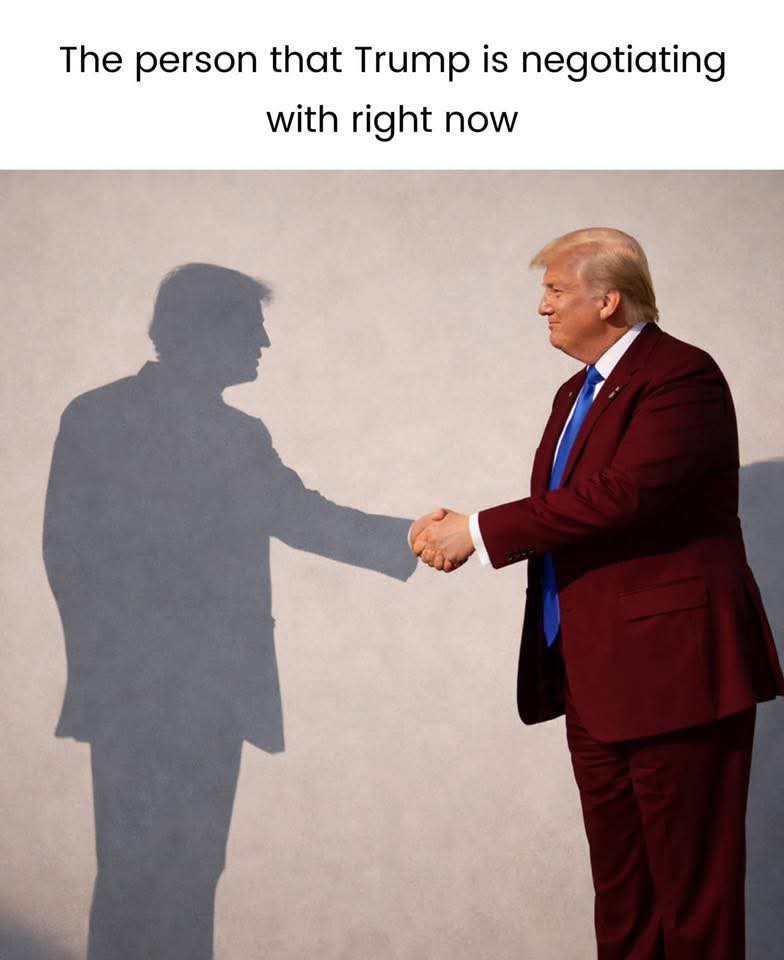
How political institutions shifted from public service to organised extraction and turned representation into controlled participation Gangster capitalism now describes the governing condition taking shape across much of the Western political order. Public institutions continue to speak the language of democracy, representation, and constitutional legitimacy, yet the practical operation of power increasingly serves concentrated wealth,… Continue reading
AI and Digital Control, America, economics, Energy, EUROPE, Financial markets, Foreign Policy, Geopolitics, Global Finance, Health, iran, israel, middle east, Mineral Resources, NATO, politics, reserve currency, Russia, Space, warausterity, authoritarianism, capitalism, class conflict, class struggle, Cold War legacy, concentrated wealth, corporate influence, deindustrialisation, democratic erosion, democratic illusion, economic inequality, elite rule, empire, energy politics, fascism, Financialisation, gangster capitalism, geopolitical analysis, Geopolitics, global hegemony, historical analysis, imperialism, institutional decline, labour decline, liberal democracy, managed democracy, media power, militarisation, military expansion, neoliberalism, oligarchy, political decay, political economy, political institutions, political legitimacy, political power, political theory, post-war order, propaganda, public consent, ruling class, social democracy, State power, Strategic Competition, structural inequality, transnational capital, warfare state, welfare state, Western decline -
The Myth of American Democracy

How Democratic Language Masked Elite Rule Beneath Public Participation The men who gathered in Philadelphia during the summer of 1787 did not meet to create a democracy in the modern sense of the word. They met to design a stable political order that could protect property, prevent unrest, secure commerce, and maintain elite control after… Continue reading
AI and Digital Control, America, economics, Energy, EUROPE, Financial markets, Foreign Policy, Geopolitics, Global Finance, iran, israel, middle east, Mineral Resources, NATO, politics, warAmerican empire, American governance, American politics, campaign finance, class power, constitutional design, constitutional history, corporate influence, democracy, democratic illusion, democratic myth, economic inequality, elite networks, elite rule, geopolitical analysis, governance, historical analysis, historical power structures, imperialism, institutional continuity, institutional power, lobbying, media power, national identity, oligarchy, political economy, political history, political ideology, political institutions, political legitimacy, political power, political structure, political theory, power and influence, public consent, ruling class, social hierarchy, State power, statecraft, wealth concentration -
The End of Orbán, Not Orbánism

Magyar maintains sovereignty policy while altering Hungary’s position inside EU bargaining as Energy dependence and EU leverage define Hungary’s policy regardless of leadership change Hungary’s recent election removed Viktor Orbán from office after more than a decade of centralised rule, replacing him with Péter Magyar following a vote that delivered roughly 54 per cent to… Continue reading
AI and Digital Control, America, economics, Energy, EUROPE, Financial markets, Foreign Policy, Geopolitics, iran, israel, middle east, Mineral Resources, NATO, politics, reserve currency, Russia, technology, warCentral Europe, defence production, donald trump, elections, energy policy, EU funding, European fragmentation, European Union, Game Theory, Geopolitics, hungary, international relations, JD Vance, migration policy, NATO, Péter Magyar, political economy, Russia, sanctions, Sovereignty, Ukraine war, Viktor Orban, vladimir putin -
When Terms Are Rejected and Wars Cannot Be Won
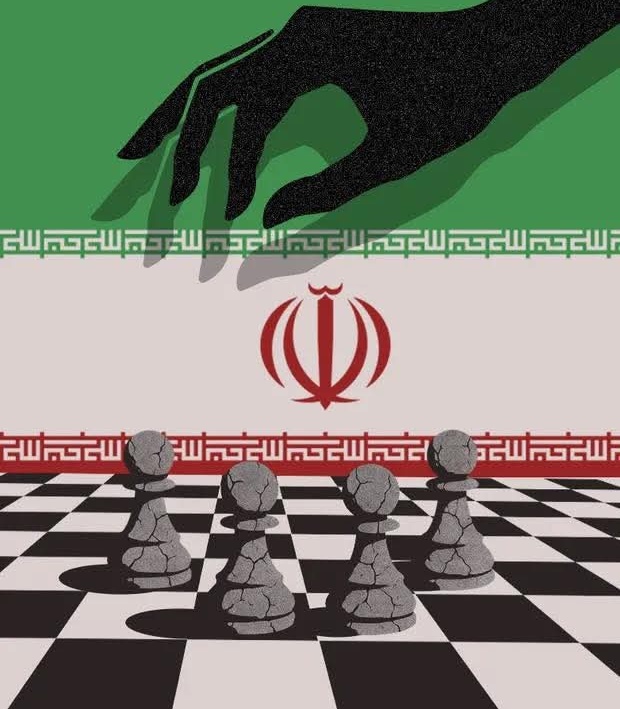
Why Iran Will Not Bargain, Ukraine Cannot Prevail and Brazil’s Rupture with the System A decisive structural rupture now governs the international system, where coercive diplomacy has lost credibility and military-economic escalation has become the primary language of state interaction. Iran’s refusal to attend ceasefire talks does not represent obstinacy but rather a rational rejection… Continue reading
AI and Digital Control, America, Financial markets, Foreign Policy, Geopolitics, Global Finance, iran, israel, middle east, Mineral Resources, NATO, politics, reserve currency, Russia, warattrition warfare, bab el mandeb, Brazil foreign policy, deterrence, energy security, Game Theory, Geopolitics, global energy markets, global governance crisis, global trade disruption, hezbollah, information warfare, international relations theory, Iran US relations, Israel Lebanon conflict, Lula da Silva, maritime chokepoints, Middle East conflict, military industrial complex, multipolar world order, political economy, proxy wars, sanctions economy, Strait of Hormuz, Strategic Competition, Ukraine-Russia war, UN Security Council, Western foreign policy -
Israel as Distraction, China as Target: The Structure of an Emerging Systemic War
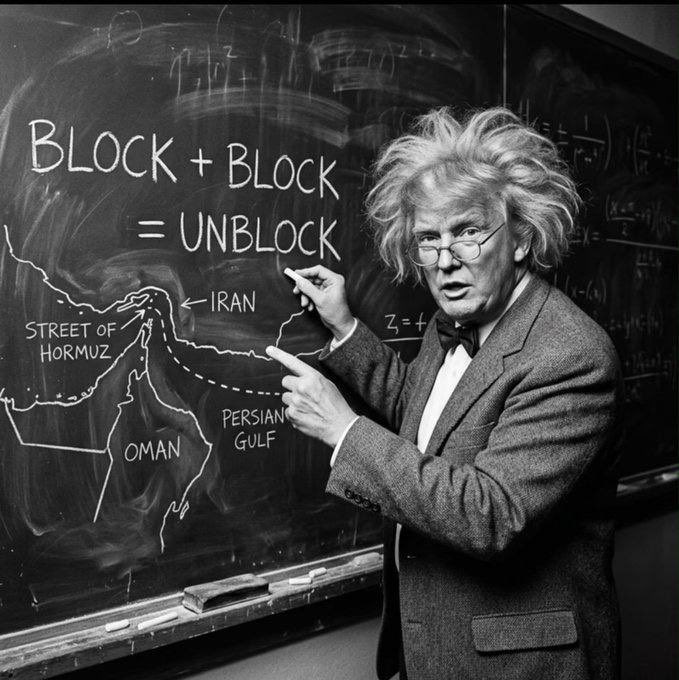
How regional conflict obscures a larger strategy targeting China’s economic lifelines Something has already changed in the way power is organised, though it is rarely put plainly. The pattern of events still looks familiar, which is why it is easy to miss. Military movements in the Middle East are usually explained in terms of local… Continue reading
AI and Digital Control, America, China, economics, Energy, EUROPE, Financial markets, Foreign Policy, Geopolitics, Global Finance, iran, israel, middle east, Mineral Resources, NATO, politics, reserve currency, Russia, waranti-access area denial, blockade strategy, China containment, coercive diplomacy, economic warfare., energy security, Game Theory, Geopolitics, global trade routes, grand strategy, great power competition, hegemonic stability, Indo-Pacific strategy, international relations theory, iran, Marine Corps restructuring, maritime chokepoints, Middle East conflict, military doctrine, multipolar world order, naval strategy, political economy, resource control, Russia-China relations, strategic encirclement, supply chain security, systemic war, US foreign policy -
A War on Iran, A Strategy Against China
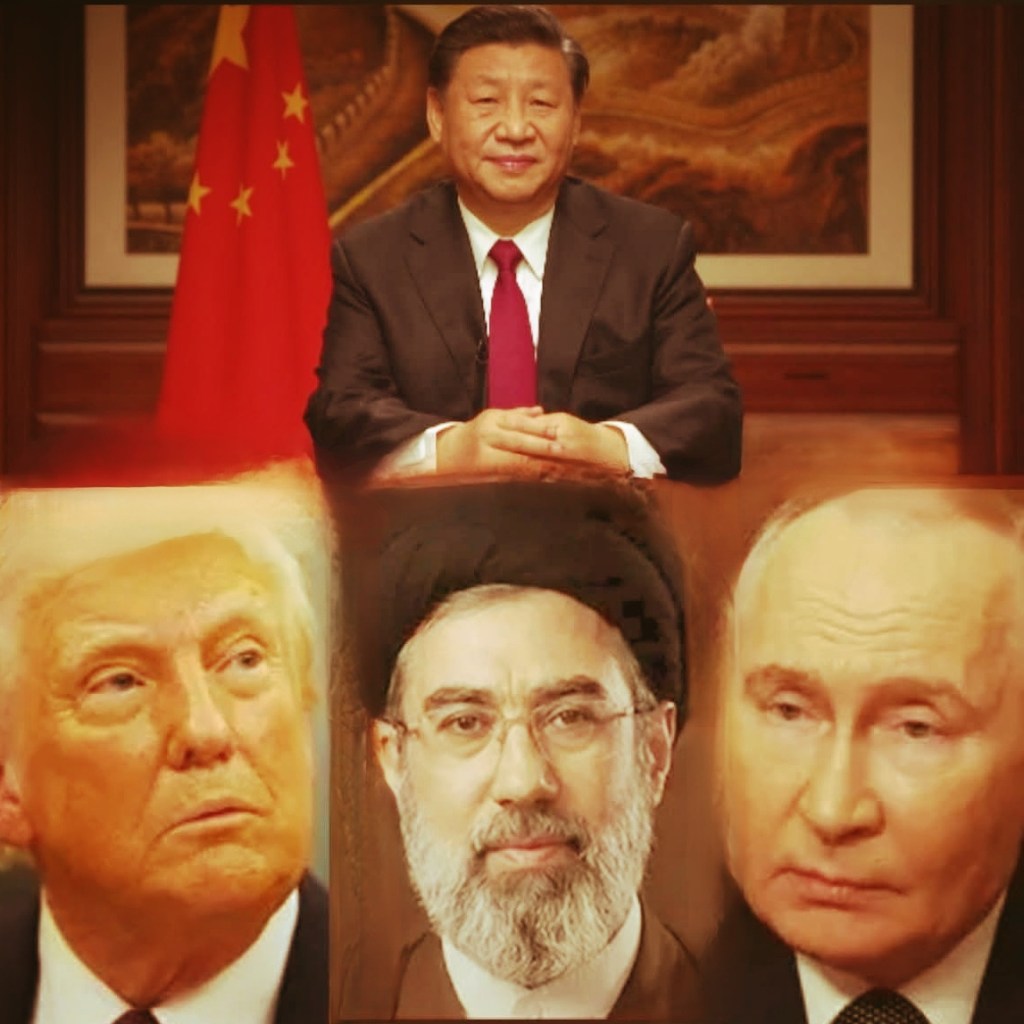
United States policy toward Iran reflects a broader strategy of energy control aimed at constraining China and maintaining systemic primacy The escalation of United States military and economic pressure against Iran must be understood within a broader strategic framework in which energy flows, maritime chokepoints, and financial systems intersect with long-term competition between major powers,… Continue reading
AI and Digital Control, America, China, economics, Energy, EUROPE, Financial markets, Foreign Policy, Geopolitics, Global Finance, iran, israel, middle east, Mineral Resources, NATO, politics, reserve currency, Russia, warBelt and Road Initiative, China containment, CPEC, de-dollarisation, economic warfare., energy geopolitics, energy security, financial systems, Geopolitics, global energy markets, global trade networks, great power rivalry, Iran conflict, maritime chokepoints, military strategy, multipolar world order, naval power, political economy, reserve currency, Russia-China relations, sanctions, Strait of Hormuz, Strategic Competition, supply chains, US foreign policy, US primacy -
Why Russia is Not Fighting Like Iran
Different objectives and different constraint hence Russia’s calibrated attrition contrasts with Iran’s cost-imposition strategy revealing competing paths to power Russia is no longer fighting for victory in Ukraine in the conventional sense; it is determining the scale and timing of an outcome it increasingly believes it can impose. What appears externally as operational restraint reflects… Continue reading
AI and Digital Control, America, China, economics, Energy, EUROPE, Financial markets, Foreign Policy, Geopolitics, iran, israel, middle east, Mineral Resources, NATO, politics, reserve currency, Russia, South East Asia, warasymmetric warfare, China rise, cost imposition, deterrence, economic warfare., energy security, Geopolitics, global order, global power shift, international relations theory, Iran strategy, military strategy, multipolarity, political economy, proxy war, Russia Ukraine War, Strait of Hormuz, Strategic Competition, US foreign policy, war strategy -
Iran – The Last Window of Empire to Stop Multipolarity
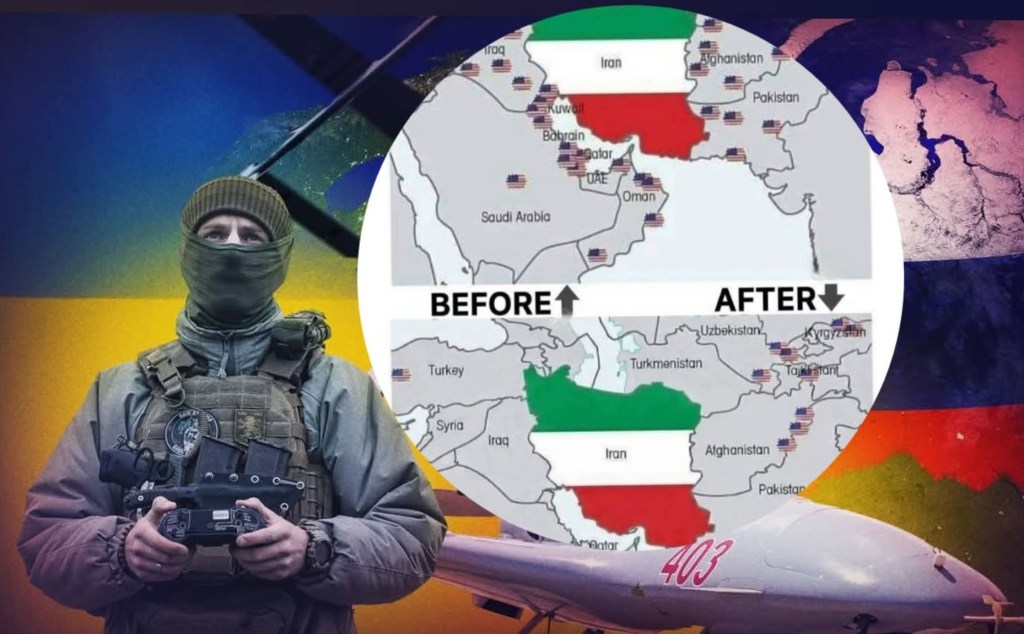
Why the War on Iran Signals a Final Attempt to Halt Multipolarity Before It Becomes Irreversible A structural rupture in the international system is already underway, and its trajectory has become effectively irreversible. The confrontation centred on Iran constitutes not a regional escalation but a terminal phase in the enforcement of a unipolar order that… Continue reading
AI and Digital Control, America, China, economics, Energy, EUROPE, Financial markets, Foreign Policy, Geopolitics, Global Finance, iran, israel, Latin America, middle east, Mineral Resources, NATO, politics, reserve currency, Russia, South East Asia, warChina Strategy, de-dollarisation, economic warfare., energy geopolitics, Game Theory, Geopolitics, global energy markets, global order, grand strategy, great power competition, hegemonic decline, imperial strategy, international relations theory, Iran conflict, Middle East geopolitics, multipolarity, petrodollar system, political economy, proxy warfare, Russia strategy, sanctions, Strategic Competition, systemic risk, unipolarity, US foreign policy -
While We Watch: The Quiet Power Grab of AI and The Hidden Reordering of Work and Wealth
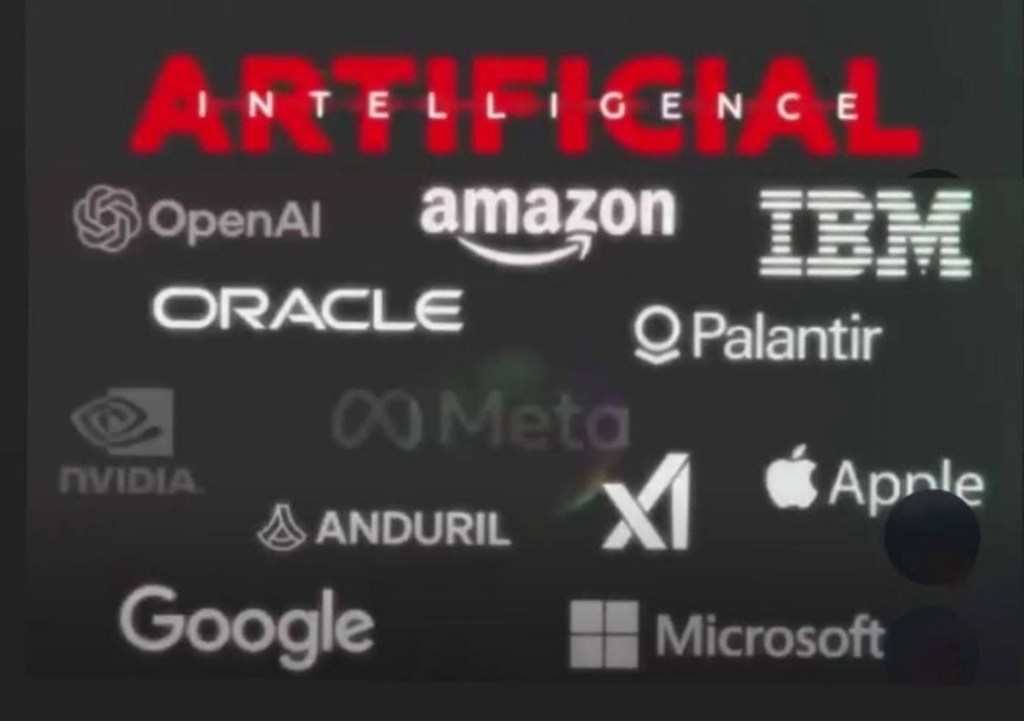
AI, data, and automation are remaking society, while energy, water, jobs are quietly redistributed and structural change is accelerating without public debate A careful examination of the past twenty-four hours reveals not a collection of disconnected announcements, but a set of developments that, taken together, illustrate the current direction of travel in advanced economies: heavy… Continue reading
AI and Digital Control, America, China, economics, Energy, EUROPE, Financial markets, Foreign Policy, Geopolitics, Global Finance, iran, israel, politics, reserve currency, Russia, technology, warAI policy, artificial intelligence, automation, capital concentration, corporate power, data ownership, democratic deficit, digital infrastructure, economic inequality, governance, institutional lag, labour displacement, macroeconomics, platform economics, political economy, productivity, public consent, social contract, Sovereignty, speculative investment, surveillance capitalism, technocracy, technofeudalism, wealth transfer -
The Collapse of “Plan A” and the Emergence of a War Without Control
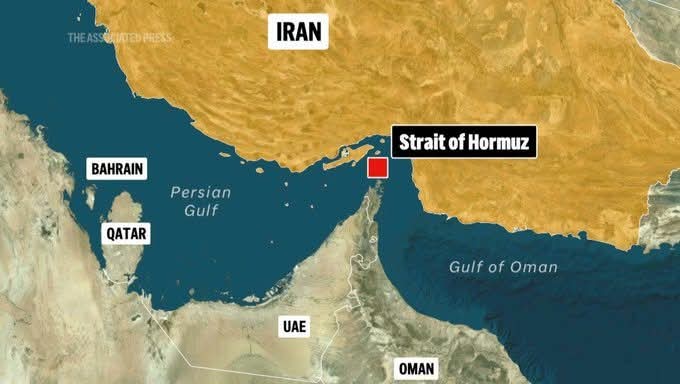
Israeli Escalation, Iranian Leverage, and the Breakdown of United States Control Amid Infrastructure Warfare, Energy Market and Global Economic Shock Military escalation between the United States, Israel and Iran over the past twenty-four hours has altered both the operational direction and the political control of the conflict, with immediate consequences for energy markets, alliance management… Continue reading
