
US foreign policy
-
Iran Will Win This War
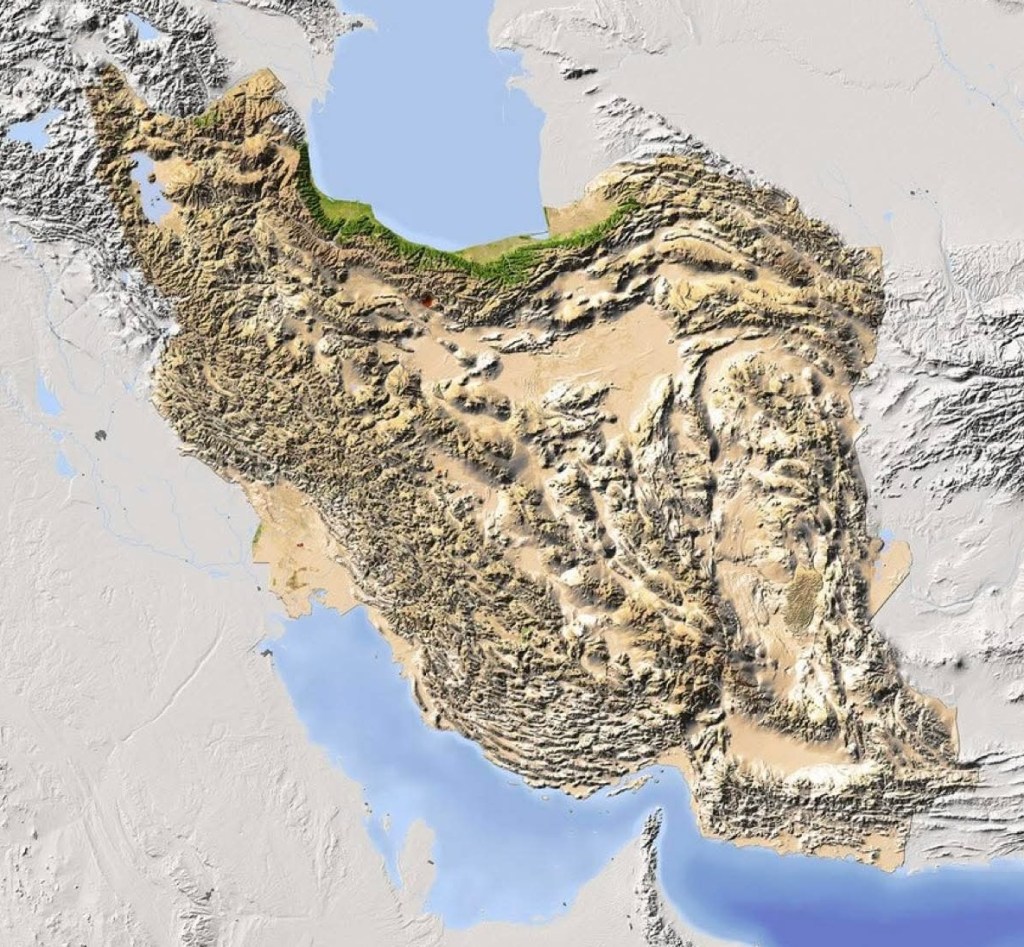
America Is Losing in the Middle East And Fast, Decades of Military Might, Gone in Days. Strategic analysis of the war involving Iran, the United States, and Israel must begin with a clear understanding of the form such a war would take and the structural realities shaping it. Conventional comparisons of aircraft carriers, military spending,… Continue reading
AI and Digital Control, America, China, Energy, EUROPE, Financial markets, Foreign Policy, Geopolitics, Global Finance, iran, israel, Latin America, middle east, NATO, politics, reserve currency, warinternational relations, iran, Iran defense, Iran military preparation, Iran missile capabilities, Iran vs US, Iran war strategy, Middle East conflict, military devastation, military infrastructure, Persian Gulf, regional dominance, Strait of Hormuz, Trump administration, US bases attacked, US foreign policy, US Military, US military history, war analysis, war footage -
The United States-Israel Attack on Iran During Negotiations
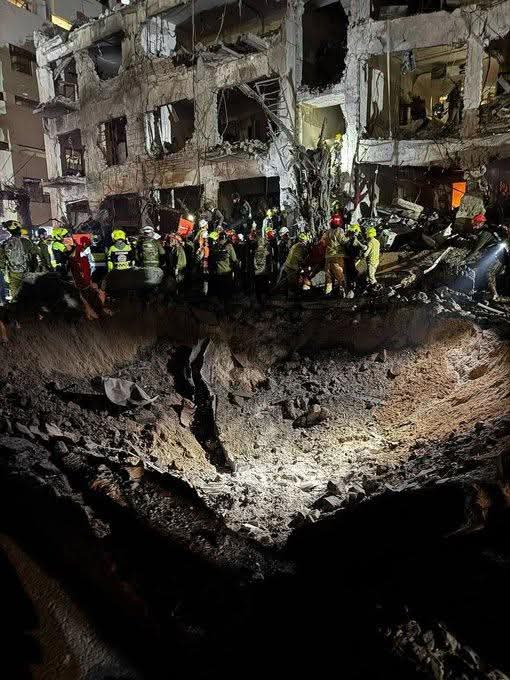
How an Unprovoked Attack on Iran Amid Active Negotiations, Triggered A Regional War and Closure of the Strait of Hormuz United States and Israeli forces initiated coordinated unprovoked strikes against Iranian nuclear and military infrastructure during active negotiations in Geneva, where Omani intermediaries had conveyed cautious optimism following reported Iranian concessions. Targets included enrichment facilities… Continue reading
AI and Digital Control, America, economics, Energy, EUROPE, Financial markets, Foreign Policy, Geopolitics, Global Finance, israel, middle east, NATO, politics, Russia, warballistic missile programme, China energy security, civilian casualties, Geneva nuclear talks, girls school airstrike, global energy markets, great power rivalry, Iran deterrence doctrine, Israel–Iran war, maritime security, Middle East escalation, nuclear dismantlement demands, oil supply disruption, Oman mediation, regional fragmentation strategy, Russia Iran ties, sanctions relief dispute, Strait of Hormuz closure, strike during negotiations, US foreign policy, US–Iran conflict, zero enrichment policy -
War Decided: Who Throws the First Punch
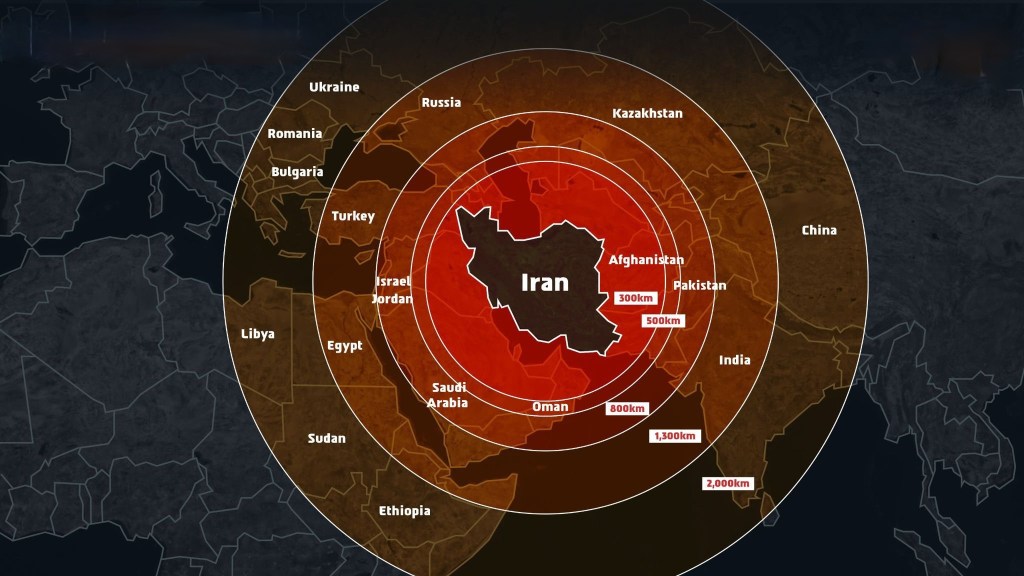
Netanyahu’s Closing Horizon But Washington Prefers Israel to Strike, and How Political Liability Is Being Engineered Before Escalation Senior advisers to President Donald Trump have signalled, in reporting carried by Politico, that an Israeli first strike on Iran would provide a more favourable political predicate for subsequent American entry into war. Officials familiar with internal… Continue reading
AI and Digital Control, America, China, economics, Energy, EUROPE, Financial markets, Foreign Policy, Geopolitics, Global Finance, israel, middle east, Mineral Resources, NATO, politics, reserve currency, warBalkanisation doctrine, bipartisan foreign policy consensus, Brzeziński grand strategy, carrier strike group movements, Chinese satellite intelligence, CM-302 missiles, congressional war authority, F-22 deployment, first strike doctrine, Fordow nuclear facility, Geneva nuclear talks, great power competition, Hezbollah escalation risk, Isfahan nuclear complex, Israel–Iran conflict, Israeli security doctrine, Middle East power realignment, munitions depletion risk, Natanz nuclear site, Netanyahu security architecture, pre-emptive strategy, regime change strategy, Taiwan contingency planning, US foreign policy, US–China strategic rivalry, US–Iran war, USS Gerald R Ford, War Powers Resolution, war sequencing, zero enrichment dispute -
Communism Works With Nuclear Deterrence As a Shield Against US Democracy
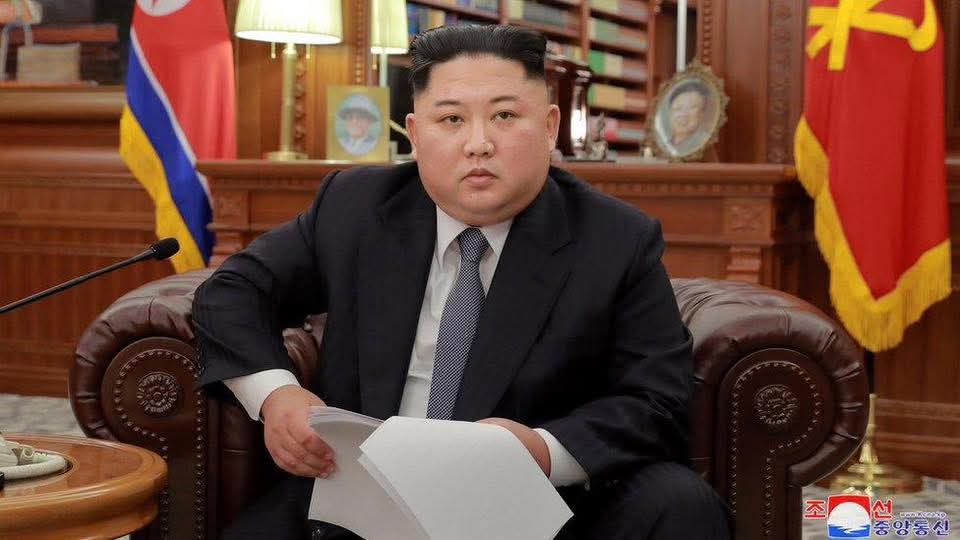
Security First: How Nuclear Deterrence Shaped Diverging Survival Strategies in Iran and North Korea I think that North Korea’s trajectory should be evaluated outside a Western liberal framework, and that many people now question the long-standing narratives we have been fed for decades after seeing footage, travel vlogs, and independent media circulating online. In 2003,… Continue reading
-
The U.S Occupation of Nigeria Begins
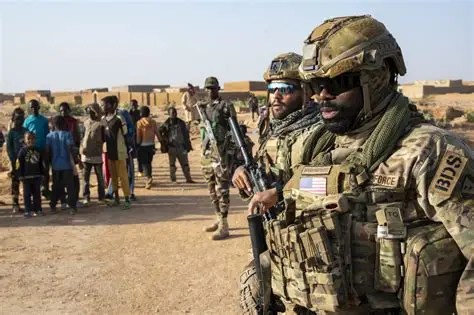
The Quiet Invasion of Nigeria Under the Banner of Peace: How the War on Terror Masks Resource Interests in Nigeria The recent announcement that the United States has deployed military personnel to Nigeria under the banner of counter-terrorism has generated significant debate about the true motivations behind such interventions. “This decision was announced in the… Continue reading
africa, AI and Digital Control, America, economics, Energy, Financial markets, Foreign Policy, Geopolitics, Global Finance, Mineral Resources, NATO, politics, reserve currency, warchaos theory, counter-terrorism, Game Theory, Geopolitics, global power dynamics, Hegelian dialectic, imperialism, international relations, military intervention, Mineral Resources, neocolonialism, Nigeria, oil and gas, political economy, resource politics, security studies, Sovereignty, strategic interests, US foreign policy, West Africa -
Collapse of Western Power and the Global System in 2026

Monetary Weaponisation, Financial Fragmentation and Strategic Overreach during the Western Collapse Phase Western power in 2026 reflects the accumulated outcome of choices made since the end of the Cold War.The system did not drift accidentally into its present condition. Policy decisions consistently favoured financial expansion, global leverage, and institutional growth over domestic production and social… Continue reading
AI and Digital Control, America, China, economics, Energy, EUROPE, Foreign Policy, Geopolitics, Global Finance, israel, NATO, politicsArctic geopolitics, China Strategy, de-dollarisation, Elite Overproduction, Empire Decline, energy geopolitics, Financialisation, Game Theory, Geopolitics, Greenland Resources, Iran Sanctions, Kinetic Conflict Risk, multipolarity, Naval Escalation, Oil Tanker Seizures, political economy, sanctions warfare, Shadow Fleets, US foreign policy, Venezuela Oil, World War 3 -
The United States as the Principal Adversary of its Own Currency

The political economy consequences of turning financial infrastructure into weapons hence de-risking from America is a rational response to concentrated monetary power The United States dollar emerged as the core instrument of global trade and finance after 1945, supported by American industrial dominance, military reach, and the Bretton Woods framework. That position rested on confidence… Continue reading
-
The Limits of Regime Change in a Hardened State

Manufactured internal dissent, external pressure, and the endurance of a layered Iranian political order The demand for regime change in Iran has become a litmus test for political coherence in the present international order. Advocacy for the overthrow of the Iranian state, when detached from the material balance of power that governs outcomes, functions as… Continue reading
-
Israel Targeting Iran Again: From Nuclear Alarm to Ballistic Missile Crisis
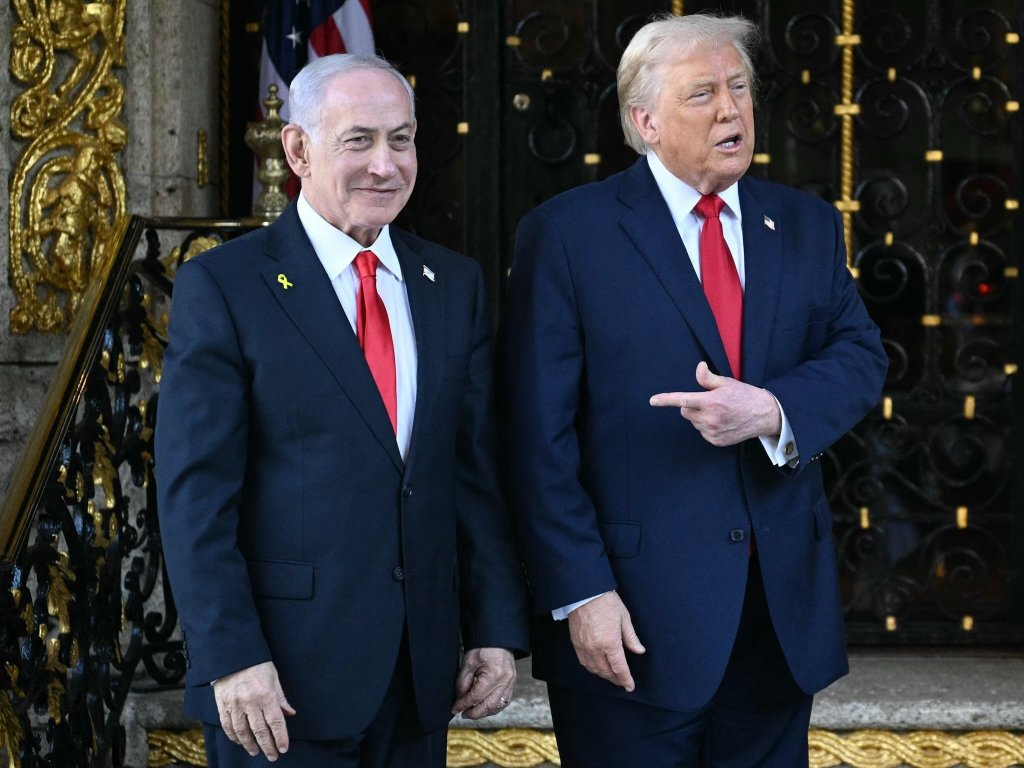
How Netanyahu’s shifting threat narratives sustain escalation when strategy stalls Trump, who continues to refuse the release of the Epstein files, welcomed Netanyahu, a leader travelling under formal pursuit by the International Criminal Court prosecutor, with arrest warrants sought against him for alleged war crimes. His aircraft transited the airspace of several states that are… Continue reading
