
US foreign policy
-
Why Russia is Not Fighting Like Iran
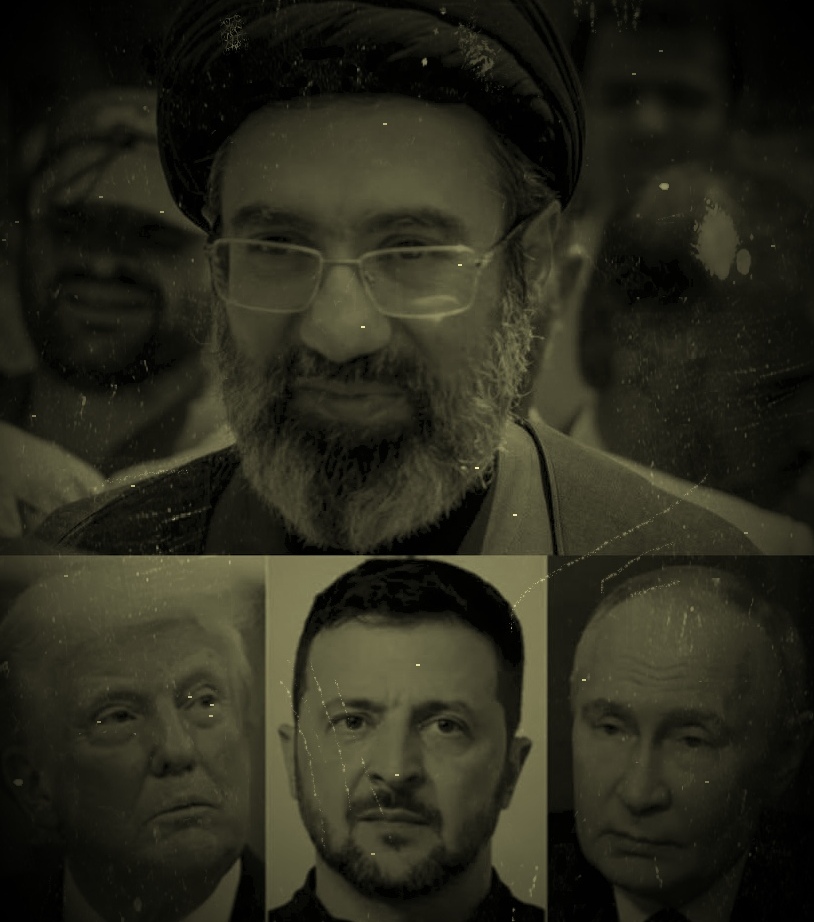
Different objectives and different constraint hence Russia’s calibrated attrition contrasts with Iran’s cost-imposition strategy revealing competing paths to power Russia is no longer fighting for victory in Ukraine in the conventional sense; it is determining the scale and timing of an outcome it increasingly believes it can impose. What appears externally as operational restraint reflects… Continue reading
AI and Digital Control, America, China, economics, Energy, EUROPE, Financial markets, Foreign Policy, Geopolitics, iran, israel, middle east, Mineral Resources, NATO, politics, reserve currency, Russia, South East Asia, warasymmetric warfare, China rise, cost imposition, deterrence, economic warfare., energy security, Geopolitics, global order, global power shift, international relations theory, Iran strategy, military strategy, multipolarity, political economy, proxy war, Russia Ukraine War, Strait of Hormuz, Strategic Competition, US foreign policy, war strategy -
Iran – The Last Window of Empire to Stop Multipolarity
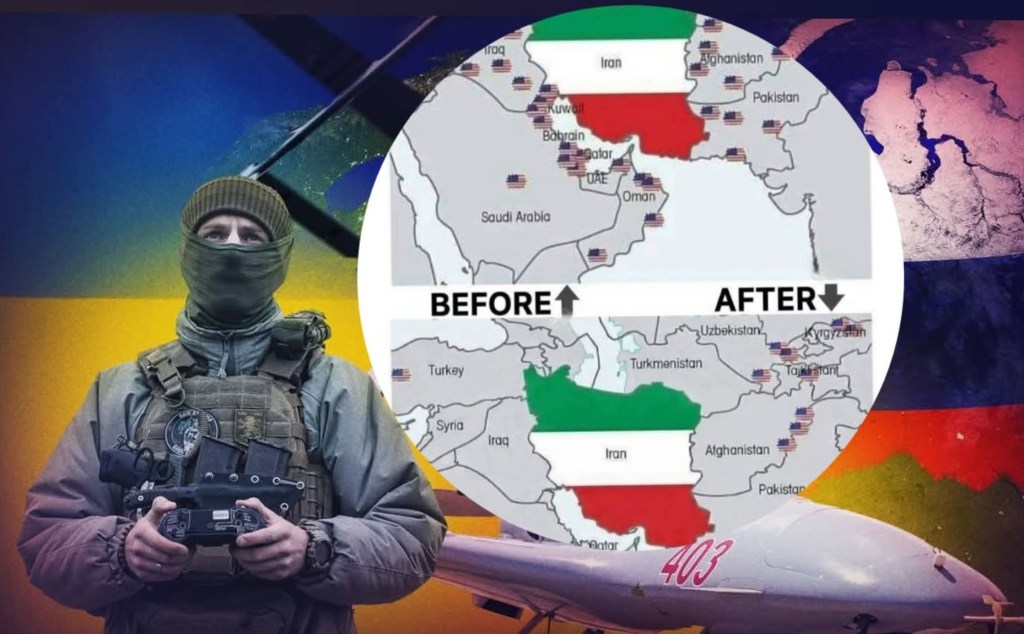
Why the War on Iran Signals a Final Attempt to Halt Multipolarity Before It Becomes Irreversible A structural rupture in the international system is already underway, and its trajectory has become effectively irreversible. The confrontation centred on Iran constitutes not a regional escalation but a terminal phase in the enforcement of a unipolar order that… Continue reading
AI and Digital Control, America, China, economics, Energy, EUROPE, Financial markets, Foreign Policy, Geopolitics, Global Finance, iran, israel, Latin America, middle east, Mineral Resources, NATO, politics, reserve currency, Russia, South East Asia, warChina Strategy, de-dollarisation, economic warfare., energy geopolitics, Game Theory, Geopolitics, global energy markets, global order, grand strategy, great power competition, hegemonic decline, imperial strategy, international relations theory, Iran conflict, Middle East geopolitics, multipolarity, petrodollar system, political economy, proxy warfare, Russia strategy, sanctions, Strategic Competition, systemic risk, unipolarity, US foreign policy -
The Invisible Architecture of Power Behind The Global Conflicts
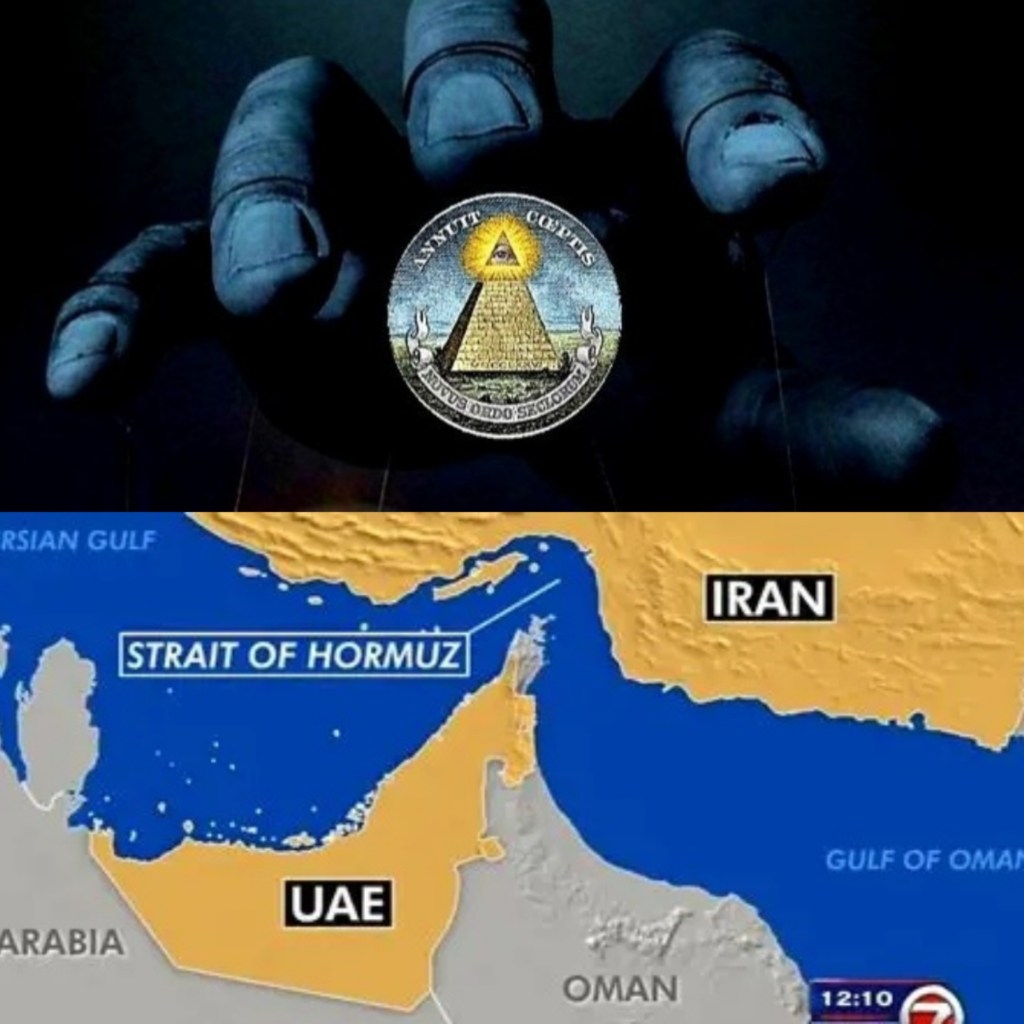
How Transnational Oligarchs, Class Interests, and Strategic Narratives Guide Military, Financial, and Political Decisions Shaping the Modern World A transnational concentration of economic power, largely centred in the United States, is advancing a strategy aimed at consolidating global dominance by weakening sovereign rivals such as Iran, Russia, and China, while deepening Europe’s structural dependence. The… Continue reading
-
Gulf States Draw Line on War with Iran

Gulf governments resist integration while exploring alternative security architecture Gulf states are declining participation in any military structure that places them alongside Israel or under a unified command that includes Israeli forces. Abdulaziz Sager, founder of the Gulf Research Center, attributes this position to both political constraints and strategic calculation across the region. Several governments… Continue reading
-
America’s Suez Moment at Hormuz
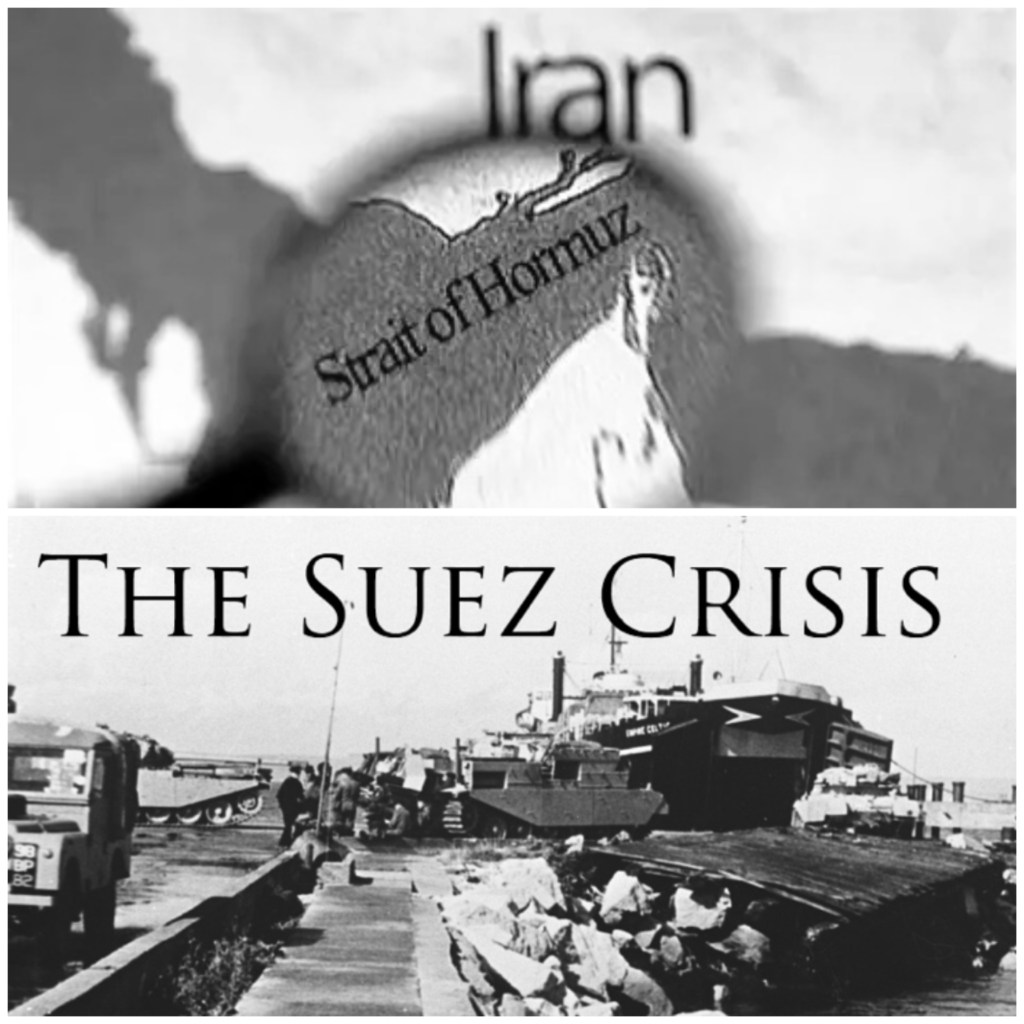
How loss of a single trade route reshapes power, finance, and global order Loss of control over the Strait of Hormuz will mark the end of American global dominance in the same manner that the Suez Canal marked the end of British imperial power, with the mechanism of decline rooted not in immediate military defeat… Continue reading
AI and Digital Control, America, China, economics, Energy, EUROPE, Financial markets, Geopolitics, Global Finance, iran, israel, middle east, NATO, politics, reserve currency, waralliance systems, American empire, asymmetrical warfare, British empire decline, capital flows, debt crisis, energy security, geopolitical analysis, global trade routes, historical precedent, imperial decline, Iran strategy, maritime chokepoints, oil transit, Ray Dalio, reserve currency status, Strait of Hormuz, Suez Crisis 1956, US dollar, US foreign policy -
The Strait of Hormuz Is Open by Permission
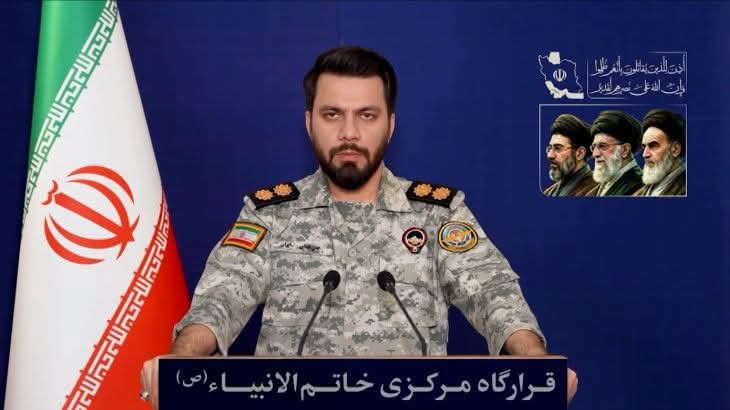
Iran imposes controlled transit after sustained aggression, converting open passage into a regulated system of access, payment, and geopolitical alignment A functioning maritime corridor has been converted into a controlled economic gate without formal closure, altering both the legal character and financial mechanics of the most critical energy chokepoint in the global system. Shipping through… Continue reading
-
The Iran War and the Fragmentation of the Global Energy and Petrodollar Order
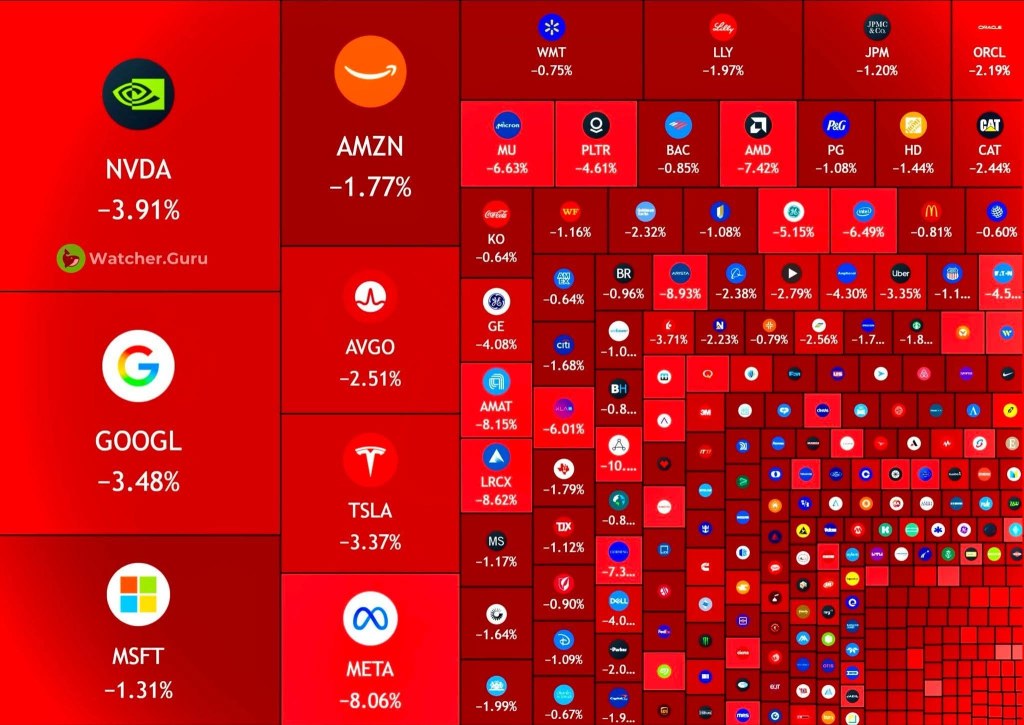
The drive to monopolise global energy, deny rivals access, and reinforce the dominance of the U.S.-led core is accelerating geopolitical realignment reshaping of global power. The war centred on Iran has entered an economic phase that now drives outcomes more decisively than battlefield engagements. The featured image is March 26, 2026, when the stock market… Continue reading
-
Assassination as The New License to Kill Without Accountability
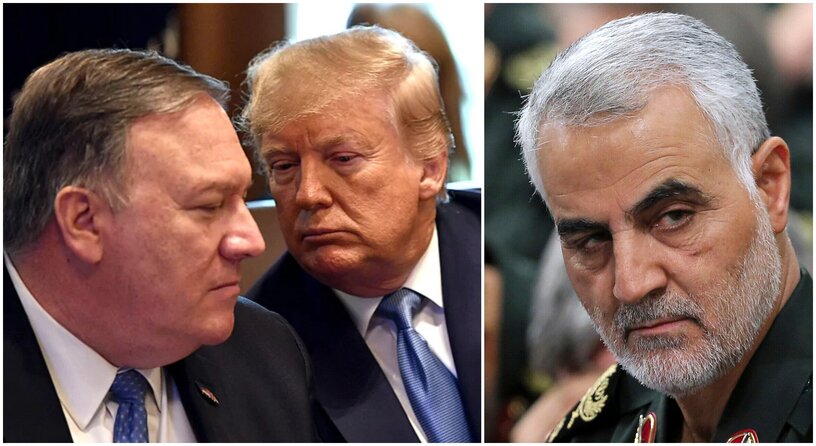
Targeted killing, the normalization of extrajudicial force and the collapse of ethical limits For decades, the United States has moved along a continuum from covert assassination plots during the Cold War to the open normalisation of “targeted killing” as an instrument of state policy. In the current war involving Iran, that evolution appears to be… Continue reading
AI and Digital Control, America, economics, Energy, EUROPE, Financial markets, Foreign Policy, Geopolitics, Global Finance, Health, iran, israel, middle east, Mineral Resources, NATO, politics, satellites, warassassination policy, covert operations, diplomacy erosion, extrajudicial killings, geopolitical escalation, global security, international law, Israel–Iran conflict, leadership targeting, military strategy, normalization of violence, political violence, statecraft, targeted killing, US foreign policy, war ethics -
Brazil Calls for Defence Co-operation with South Africa
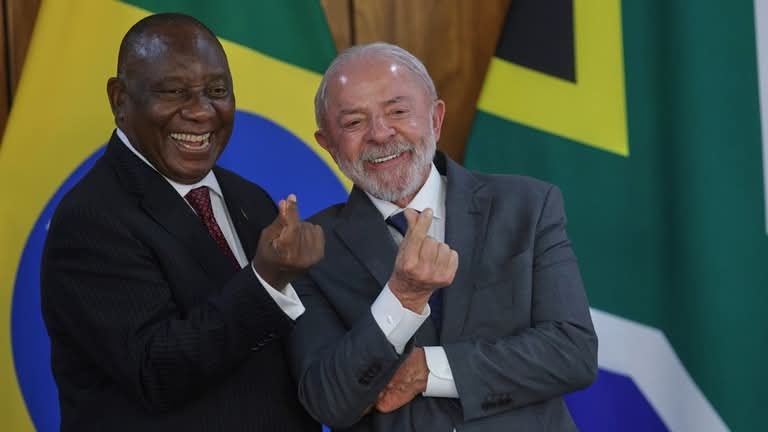
Lula and Ramaphosa reflect a growing unease across the Global South after Western military actions in Venezuela and Iran, reinforcing fears that states outside major alliance systems remain vulnerable to coercion and intervention. Brazil’s President Luiz Inácio Lula da Silva used the recent visit of South African President Cyril Ramaphosa to Brasília to articulate a… Continue reading
-
The Kharg Island Question After Leadership Decapitation Failed
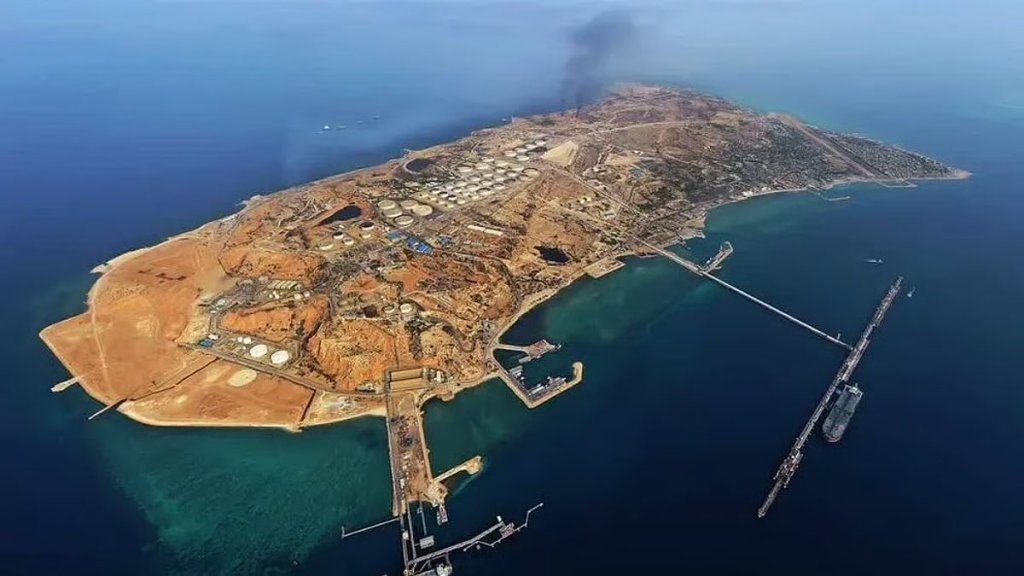
Why Kharg Island Is Emerging as the Next Coercive Economic Decapitation Option Designed to Break Iran’s War Economy Accepting defeat is not an option; the Epstein coalition has chosen a scorched-earth escalation policy instead. Only yesterday the coalition went after civilian infrastructure, another transgression against the rules of war. They struck a water desalination plant… Continue reading
