
Mineral Resources
-
The Unlawful War Now Threatens The World
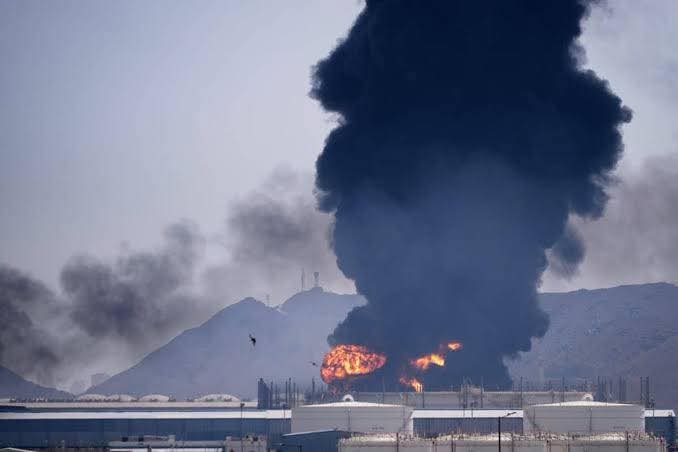
Energy on the Brink as the Middle East Escalation Triggers Global Fallout Global energy markets have entered a state of heightened volatility following Israeli strikes on Iran’s South Pars gas field, prompting retaliatory action that has sent ripple effects across the region and the world. South Pars, shared with Qatar where it is known as… Continue reading
-
A Gulf Billionaire Rebuked a U.S. Senator

Khalaf Ahmad Al Habtoor’s blunt response to Lindsey Graham’s call for war exposed tensions in the Gulf–U.S. alliance and raised uncomfortable questions about power, interests, and who pays the price for conflict. The exchange between U.S. Senator Lindsey Graham and Emirati businessman Khalaf Ahmad Al Habtoor unfolded like a small but revealing moment in the… Continue reading
-
COVID-19 mRNA Injections Alleged To Be Pentagon-Developed “Bioweapons” in Dutch Court Proceedings

Court presentation alleges Pentagon- and DARPA-funded technology and accuses Bill Gates and Pfizer CEO Albert Bourla of involvement in a coordinated program alleged to be a military biological weapon For the first time in a court proceeding, the COVID-19 mRNA injections were described as “bioweapons.” The claim was presented in a Dutch court by lawyer… Continue reading
AI and Digital Control, Financial markets, Foreign Policy, Geopolitics, Global Finance, Health, Mineral Resources, NATO, politics, waralbert bourla, bill gates, biological weapon claim, Biological Weapons Anti-Terrorism Act, Catherine Austin Fitts, COVID-19 mRNA injections, crimes against humanity allegations, DARPA, Dutch court case, Francis Boyle, gain-of-function research, Great Reset lawsuit, Joseph Sansone, nanolipid particles, Nature Medicine 2015 study, pentagon, Peter Stassen, pfizer, Rome Statute, Sasha Latypova, Wuhan Institute of Virology -
A War Iran Does Not Need to Win Decisively
Why the Trump-Israel coalition’s wider objectives are easier to frustrate than Iran’s narrower aim of survival and retaliation revealing the asymmetry between preserving a state and trying to break one Iran holds the cards because it is fighting defensively on its own terrain, with time, geography and economic leverage on its side; Trump blundered by… Continue reading
-
A Shift in Israel’s Strategy Toward War’s End
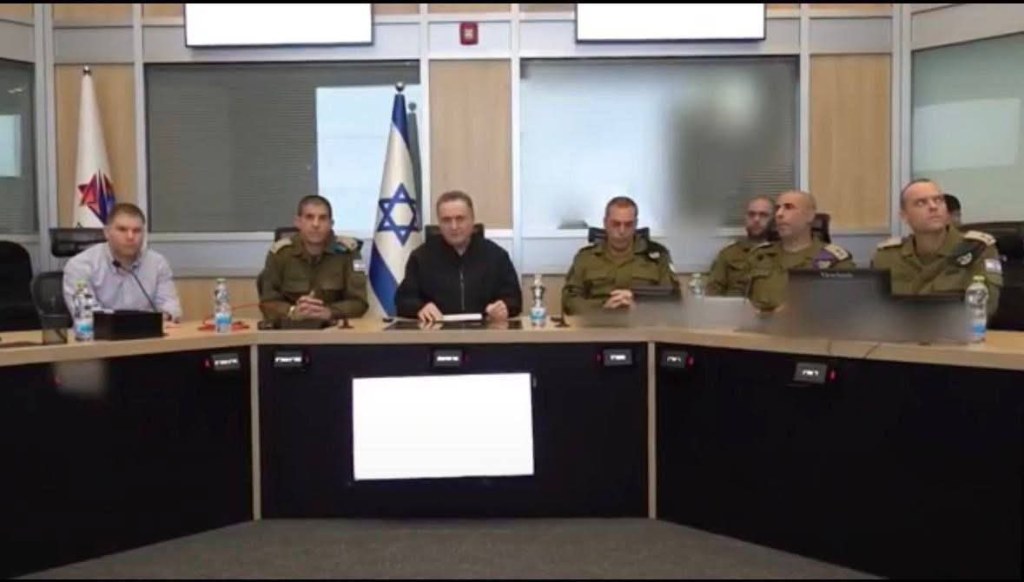
A New Phase: Israel Considers the Endgame While Iran Resiliently Endures The conflict in Iran has reached a point of marked exhaustion. Senior former Israeli IDF intelligence officials are now openly suggesting that Israel should cease its military operations. According to reports, this view is shared by individuals like Yossi Melman, who spoke with a… Continue reading
-
White Genocide Escapees Head Home: Afrikaners Realize Life Under South Africa’s Black Majority Isn’t So Bad After All

Apparently, the ‘genocide’ wasn’t as scary as Trump’s healthcare premiums, housing crisis, and social isolation. In 2025, former U.S. President Donald Trump introduced a special refugee pathway that allowed some Afrikaner families to move to the United States, citing alleged genocide, persecution, discrimination and safety concerns in South Africa. The program was supported by Trump’s… Continue reading
-
Gulf States Caught in the Crossfire
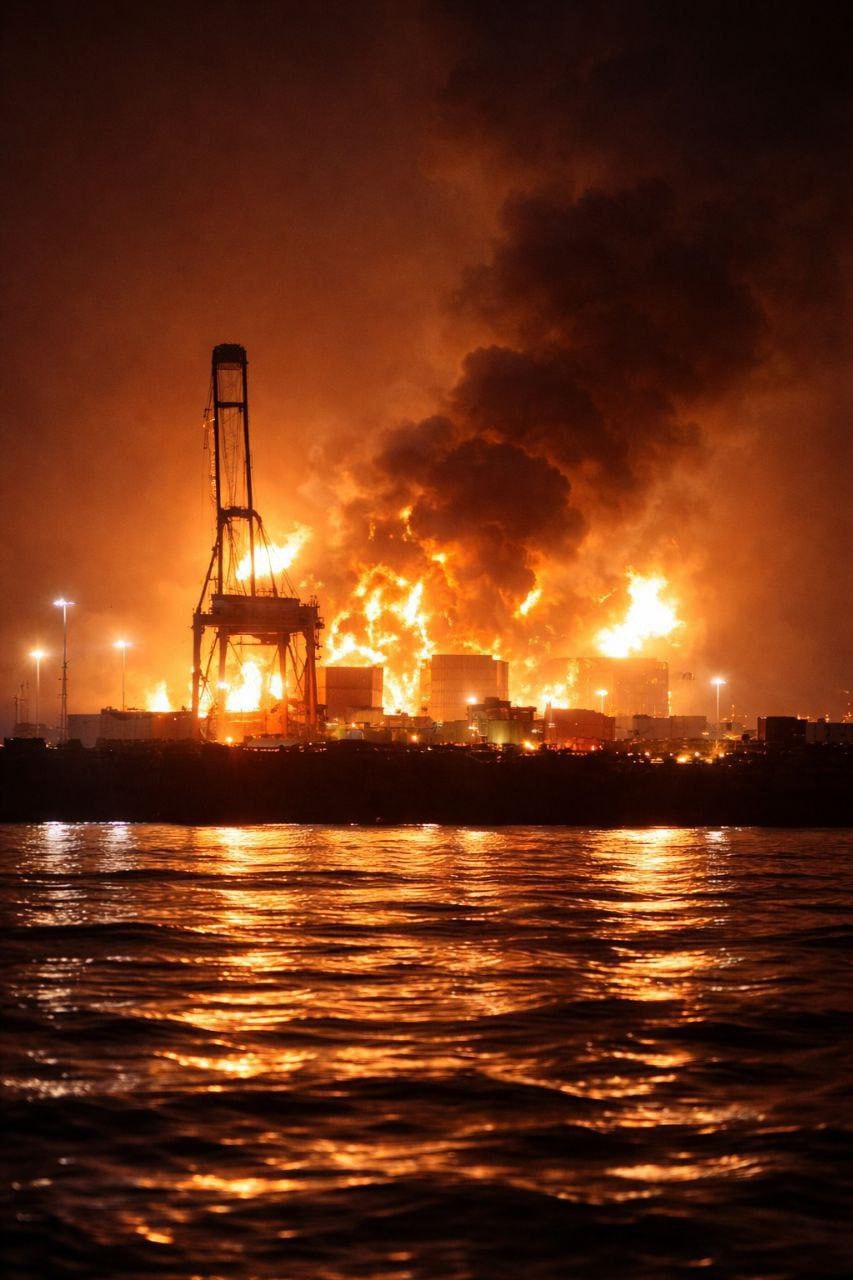
How decades of reliance on Washington expose the Gulf to economic and military vulnerabilities Resentment is quietly mounting across the capitals of the Gulf Cooperation Council, as a convergence of strategic, economic, and political pressures forces a reassessment of long-standing alliances with Washington. Reports emerging from Riyadh, Abu Dhabi, and Doha suggest that these states… Continue reading
-
The Hormuz Pressure Point Forces a Diplomatic Search for a Face-Saving Settlement
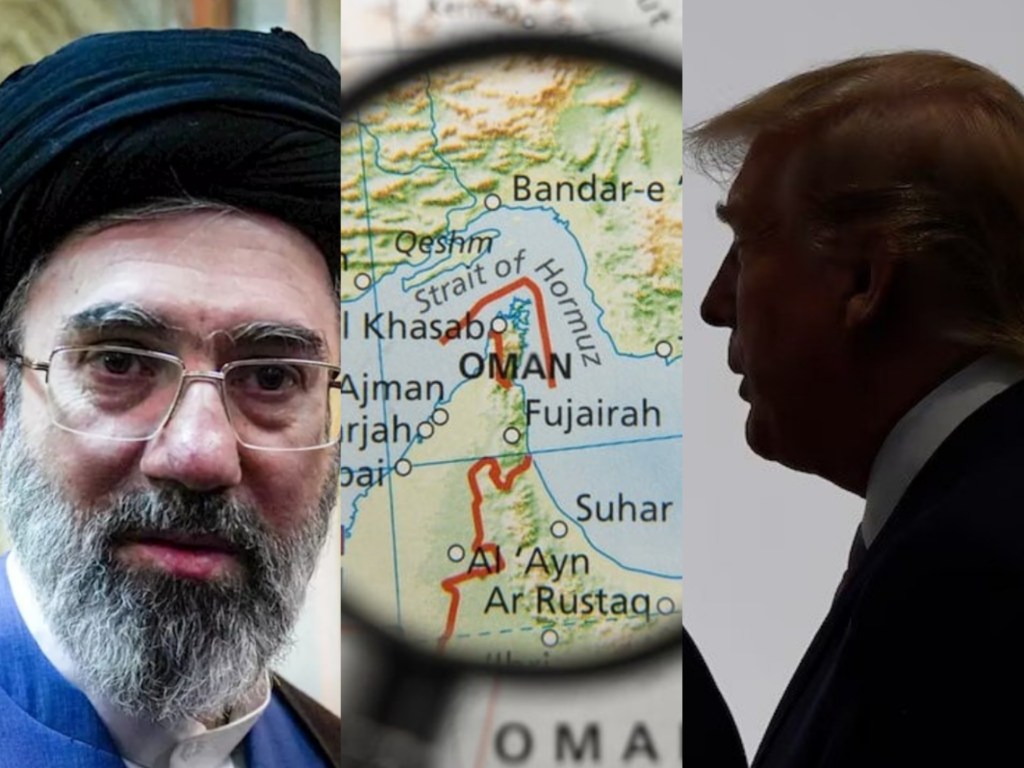
Oil market destabilisation reshapes battlefield calculations imposing a strategic dilemma of war termination under conditions of asymmetric pressure Strategic conflict between the Islamic Republic of Iran and the United States–Israel alliance developed across nearly half a century of sanctions, covert operations, proxy warfare, assassinations of Iranian officials and nuclear scientists, and repeated military confrontations across… Continue reading
AI and Digital Control, America, economics, Energy, Financial markets, Foreign Policy, Geopolitics, Global Finance, iran, israel, middle east, Mineral Resources, NATO, politics, reserve currency, Russia, warasymmetric warfare, Drone Warfare, economic disruption, economic warfare., energy security, geopolitical economy, geopolitical strategy, global energy markets, Gulf security, international diplomacy, iran, israel, Middle East geopolitics, military strategy, missile warfare, oil markets, sanctions, Strait of Hormuz, strategic deterrence, United States, war of attrition, war termination -
Europe Divided as War with Iran Tests the Union’s Strategic Identity
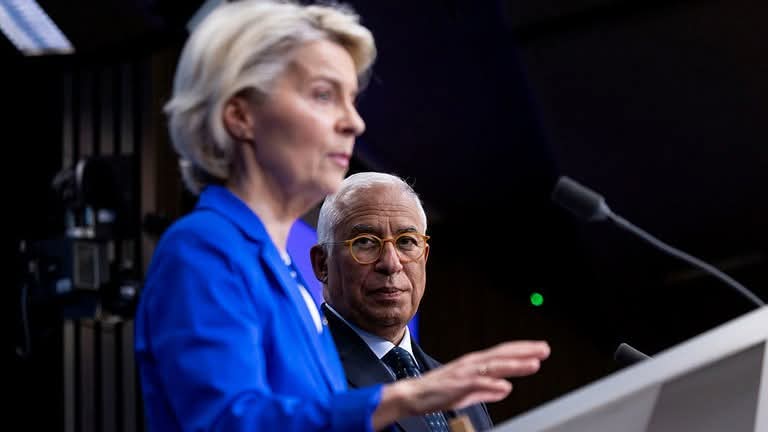
A public clash between EU leaders reveals deeper tensions over intervention, the limits of the rules-based order, and Europe’s role in a widening Middle Eastern conflict. A rare public disagreement between senior European Union leaders has exposed a widening strategic divide within the bloc over the United States-Israeli war against Iran, raising questions about Europe’s… Continue reading
-
Iran War Blunder Seen Through the Law of Unintended Consequences
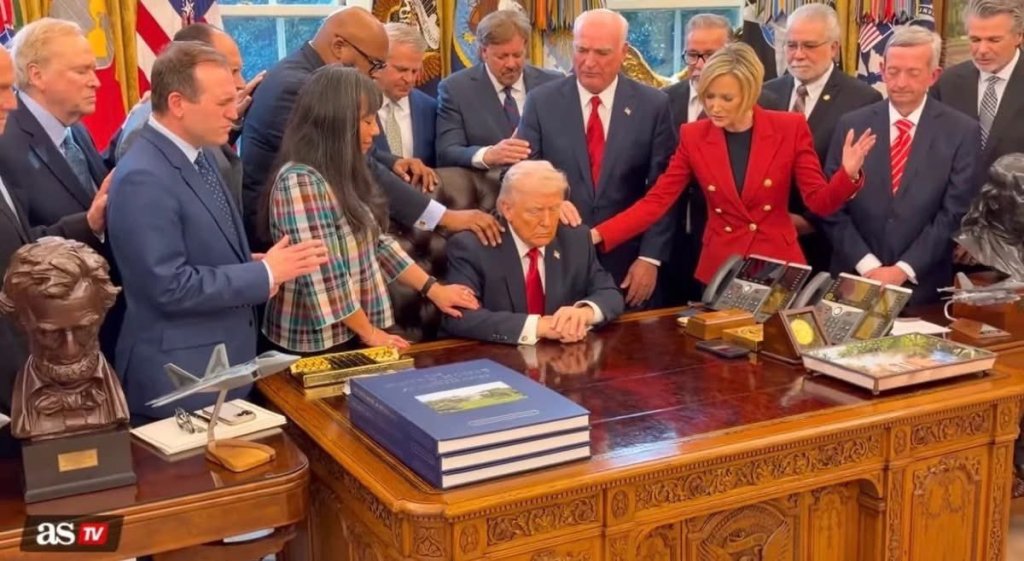
Strait of Hormuz disruption, sanctions blowback, and energy market chaos exposing the fragility of globalisation and accelerating geopolitical realignment Economic history repeatedly demonstrates the law of unintended consequences operating with particular force during military escalation and coercive sanctions regimes. The confrontation surrounding Iran now produces cascading disruptions across energy markets, alliances, shipping networks, and domestic… Continue reading
AI and Digital Control, America, China, economics, Energy, EUROPE, Financial markets, Foreign Policy, Geopolitics, Global Finance, iran, israel, middle east, Mineral Resources, NATO, politics, Russia, technology, warenergy chokepoints, energy geopolitics, energy security, Geopolitics, global energy markets, globalisation critique, international political economy, international trade routes, LNG markets, oil markets, Russia energy trade, sanctions blowback, sanctions policy, Strait of Hormuz, strategic miscalculation, supply chain disruption, unintended consequences, West Asia conflict
