-
The Unipolar Delusion and the Return of Great-Power Politics: Why Western Escalation Reflects Panic Rather Than Strength
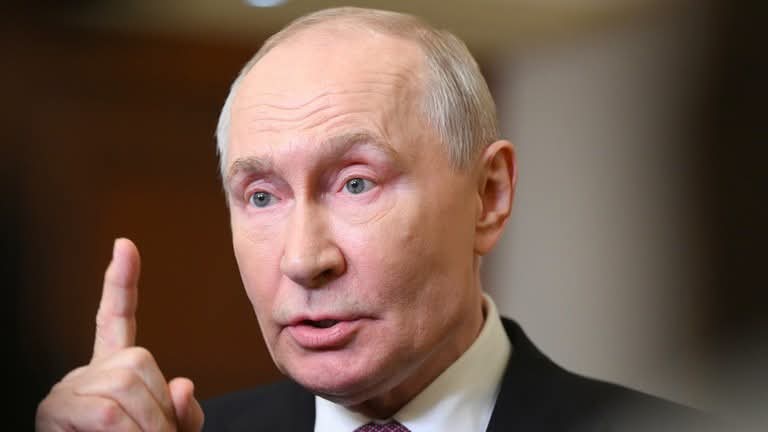
Editorial Analysis | September 2026 The collapse of the Soviet Union produced a distribution of global power that left Washington in effective control of the international system. That concentration of power, combined with the desire to maintain it in perpetuity, created structural incentives that shaped American foreign policy for three decades. One side emerged from… Continue reading
-
Trump Declines Direct Strikes as Houthis Tighten Hold on the Red Sea

Public reassurances in Dublin contrast with CENTCOM coordination in Riyadh and the shutdown of Saudi Arabia’s East-West pipeline after the fall of Mokha General Article | September 2026 President Donald Trump, speaking to reporters in Dublin on 12 September after meeting Irish leaders, stated that the Houthis had contacted the United States and did not… Continue reading
-
Extracting the Last Reserves: Ukraine’s Manpower Crisis and the Question of Female Conscription

Manpower Crisis, Societal Militarisation and the Class Logic of Prolonged War in Ukraine General Article | September 2026 The debate over compulsory service for Ukrainian women has moved from the margins of policy discussion into sustained public circulation precisely because the existing male mobilisation system has reached visible limits. Former Defence Minister Oleksii Reznikov has… Continue reading
-
Yemen’s Ansarallah “aka Houthi’s” Take Mokha

The fall of Yemen’s last major western port brings Houthi forces within striking distance of the Bab el-Mandeb and exposes the limits of Saudi and American air power General Article | September 2026 Saudi Arabia poked a beehive. Yemeni forces aligned with Ansarallah have taken the Red Sea port city of Mokha and its airport,… Continue reading
-
Ukraine’s Losing War and the West’s Strategic Dead End

How military exhaustion, fiscal collapse, and internal political disintegration have transformed the conflict into a question of settlement terms rather than battlefield victory Editorial Analysis | September 2026 Ukraine is losing this war, and the trajectory of defeat, while gradual, appears increasingly inexorable. This is not a judgment upon the Ukrainian soldiers nor upon the… Continue reading
-
The Arsenal of Empire – How Private Profit and Strategic Overreach Are Breaking the American Military
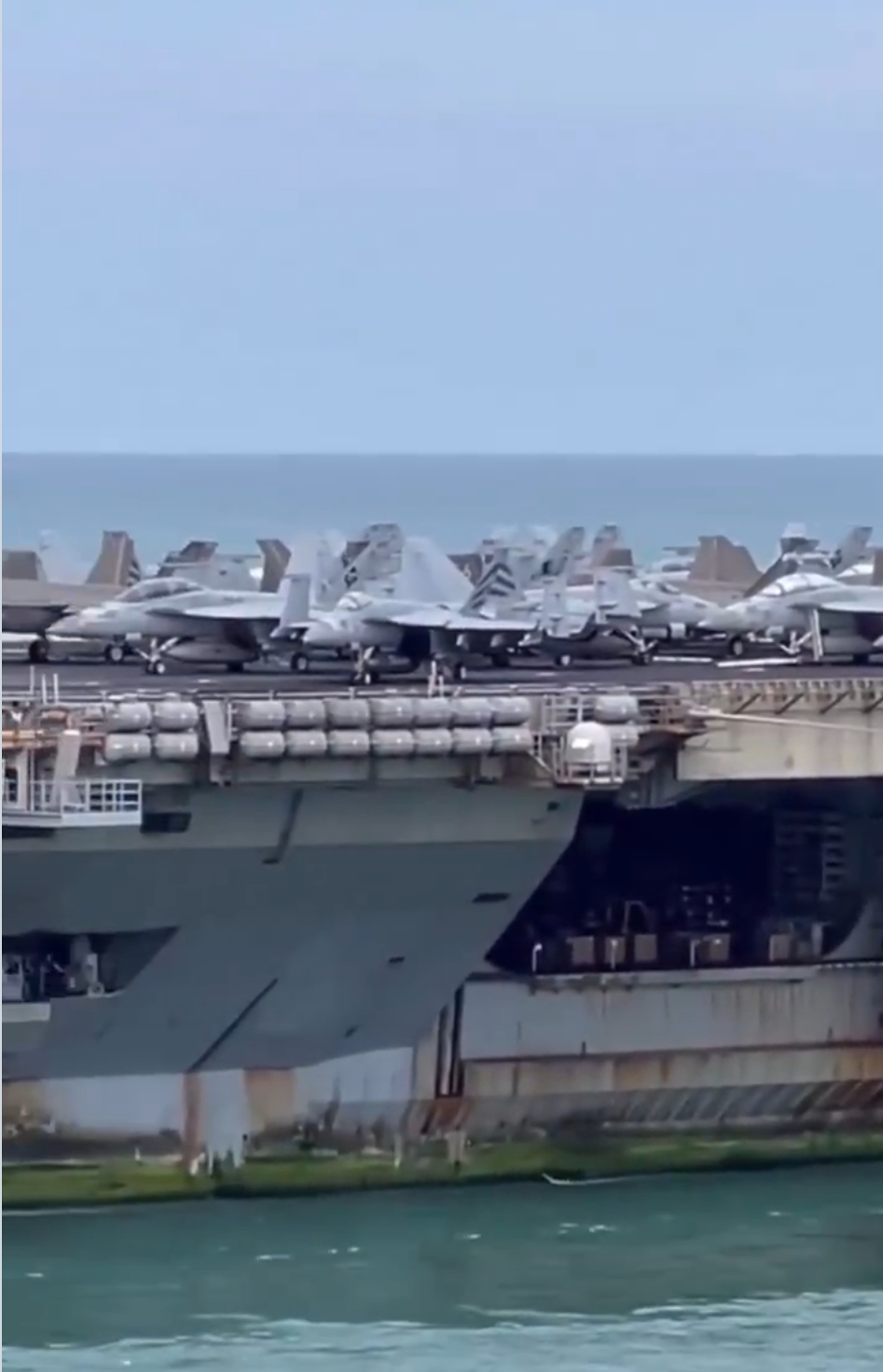
From the failure of Silicon Valley’s defence startups on Ukrainian battlefields to the logistical collapse of the United States Navy in the Persian Gulf, the gap between American military spending and American military capability has become a chasm that no amount of additional funding can bridge Editorial Analysis | September 2026 The performance of the… Continue reading
-
The Unit Settlement Instrument and the Material Limits of Multipolar Finance

The BRICS+ pilot of a gold-and-currency basket digital settlement token represents a significant technical experiment in parallel financial infrastructure, yet its trajectory remains constrained by the same capitalist contradictions that produced the dollar-centric order it seeks to circumvent. Editorial Analysis | September 2026 The Unit settlement instrument emerged from a specific historical conjuncture that fundamentally… Continue reading
AI and Digital Control, America, bond market, China, economics, Energy, EUROPE, Financial markets, Foreign Policy, Geopolitics, Global Finance, imperialism, iran, japan, middle east, Mineral Resources, NATO, neocolonialism, politics, reserve currency, warBelt and Road Initiative, Bishkek Declaration, BRICS, de-dollarisation, digital currency, Eurasian connectivity, financial sanctions, gold, Historical Materialism, hybrid warfare, international monetary system, International North–South Transportation Corridor, iran, Michael Hudson, multipolarity, national currencies, New Development Bank, SCO Development Bank, Sergey Glazyev, Shanghai Cooperation Organisation, Unit -
Building Parallel Architecture Against Weaponised Finance
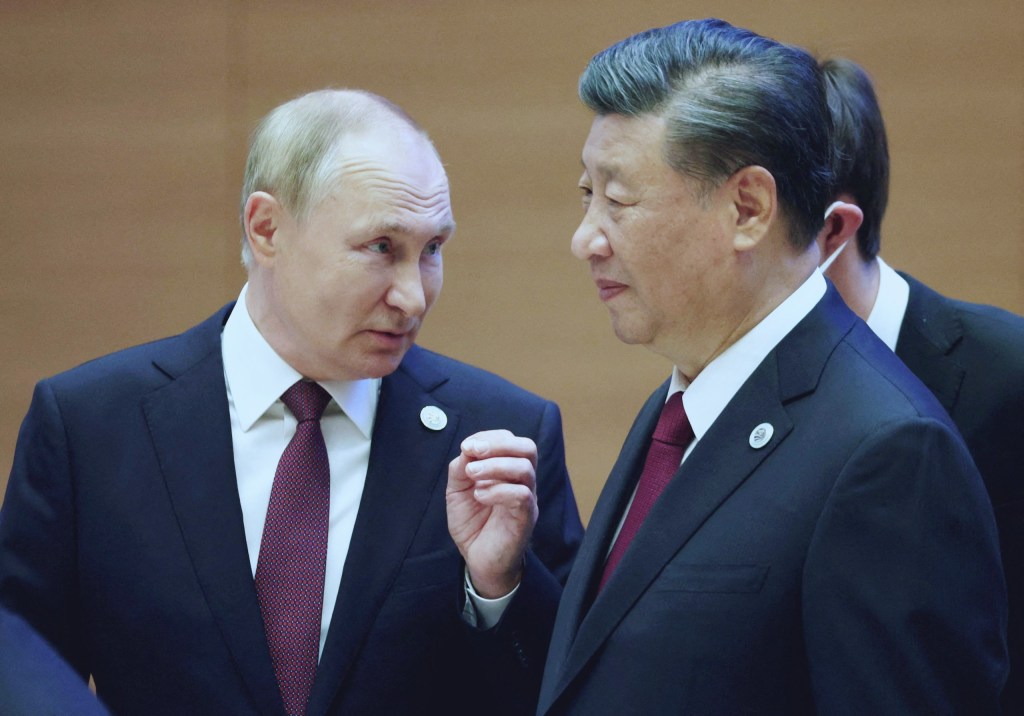
The Bishkek Summit and the Practical Contours of Eurasian Multipolar Construction Editorial Analysis | September 2026 The twenty-fifth summit of the Shanghai Cooperation Organisation held in Bishkek generated less theatrical display than the preceding gathering in Tianjin yet advanced several concrete institutional steps that clarify the organisation’s evolving role. Member states adopted a final declaration… Continue reading
-
China Gives Its Inland Factories a Direct Route to Southeast Asia
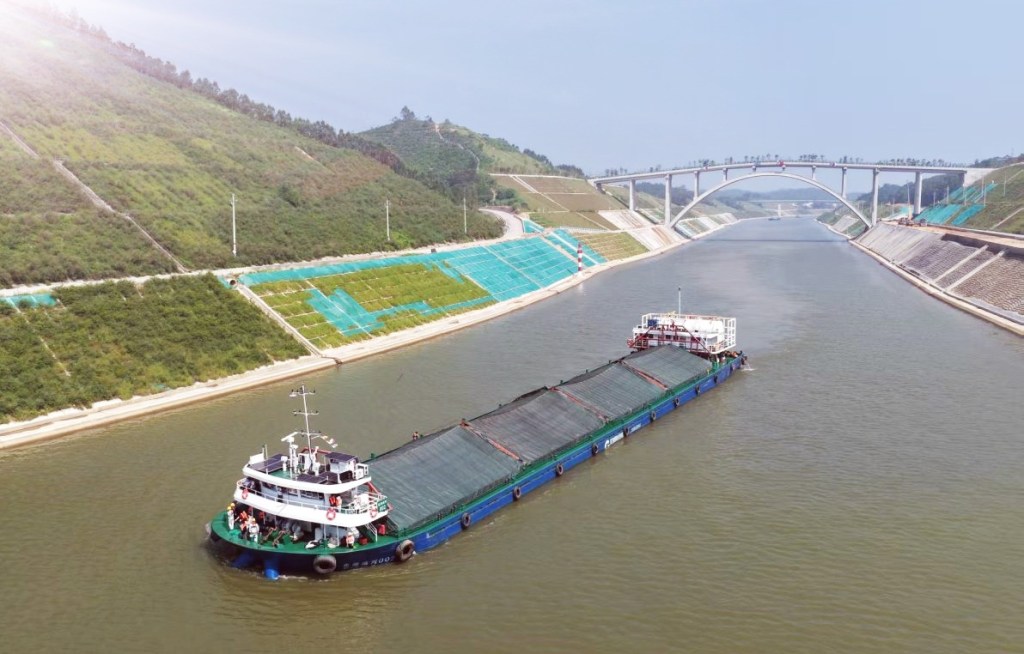
New Trade Route Linking China’s Inland Factories to Southeast Asia Later this month, cargo ships are expected to begin using a new and shorter route from China’s industrial southwest to the sea. The 134-kilometre Pinglu Canal connects Nanning and the inland river network of Guangxi to the Gulf of Tonkin. The canal has been built… Continue reading
-
China’s Objections at the United States-Hosted G20 Finance Meeting and the Limits of Manufactured Multilateral Consensus
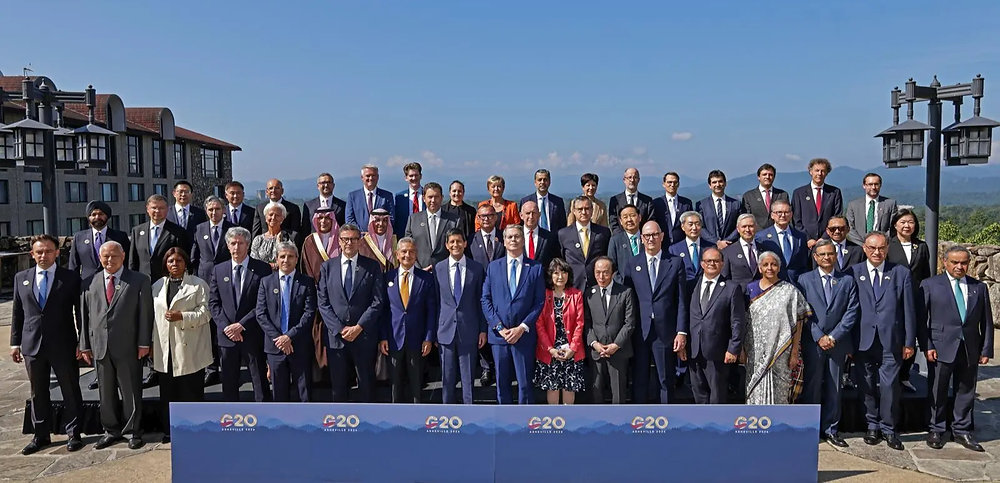
An examination of the institutional, strategic and economic drivers behind Beijing’s refusal to endorse language on trade imbalances, non-market policies and critical supply chains in the chair’s statement issued after the Asheville gathering Editorial Analysis | September 2026 In the closing days of the United States G20 presidency’s finance track, finance ministers and central bank… Continue reading