
China
-
Gulf States Draw Line on War with Iran

Gulf governments resist integration while exploring alternative security architecture Gulf states are declining participation in any military structure that places them alongside Israel or under a unified command that includes Israeli forces. Abdulaziz Sager, founder of the Gulf Research Center, attributes this position to both political constraints and strategic calculation across the region. Several governments… Continue reading
-
The Strait of Hormuz Is Open by Permission
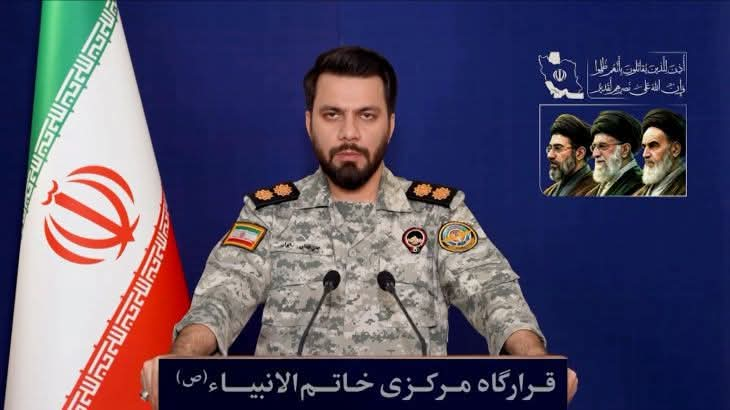
Iran imposes controlled transit after sustained aggression, converting open passage into a regulated system of access, payment, and geopolitical alignment A functioning maritime corridor has been converted into a controlled economic gate without formal closure, altering both the legal character and financial mechanics of the most critical energy chokepoint in the global system. Shipping through… Continue reading
-
The Iran War and the Fragmentation of the Global Energy and Petrodollar Order
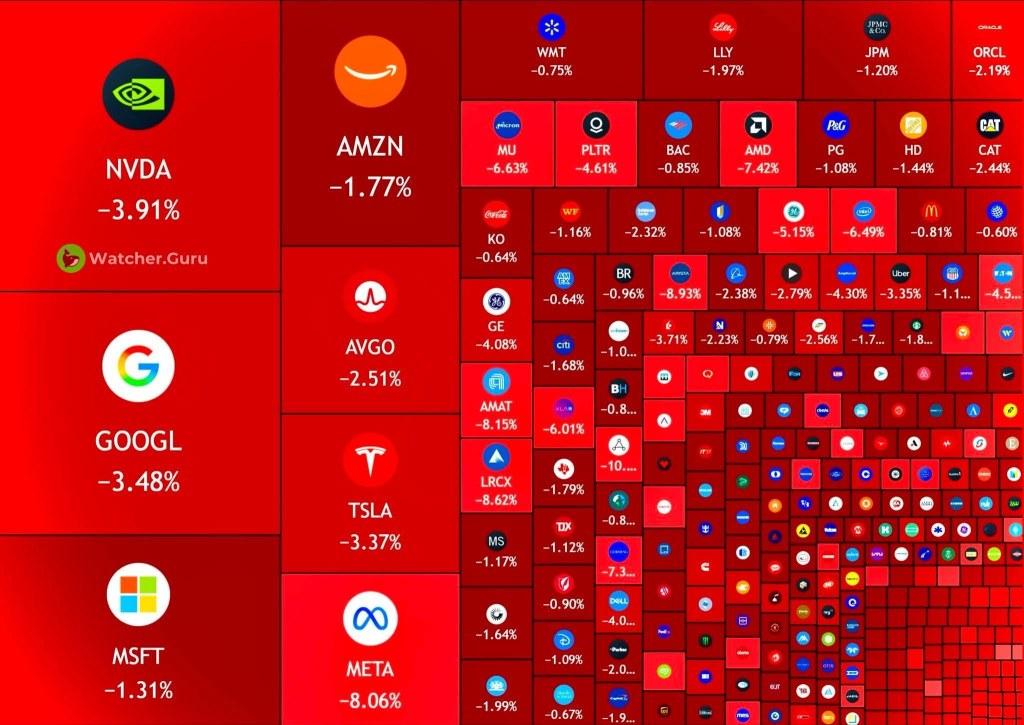
The drive to monopolise global energy, deny rivals access, and reinforce the dominance of the U.S.-led core is accelerating geopolitical realignment reshaping of global power. The war centred on Iran has entered an economic phase that now drives outcomes more decisively than battlefield engagements. The featured image is March 26, 2026, when the stock market… Continue reading
-
China as the Central Obstacle Within the Structural Logic of Confrontation
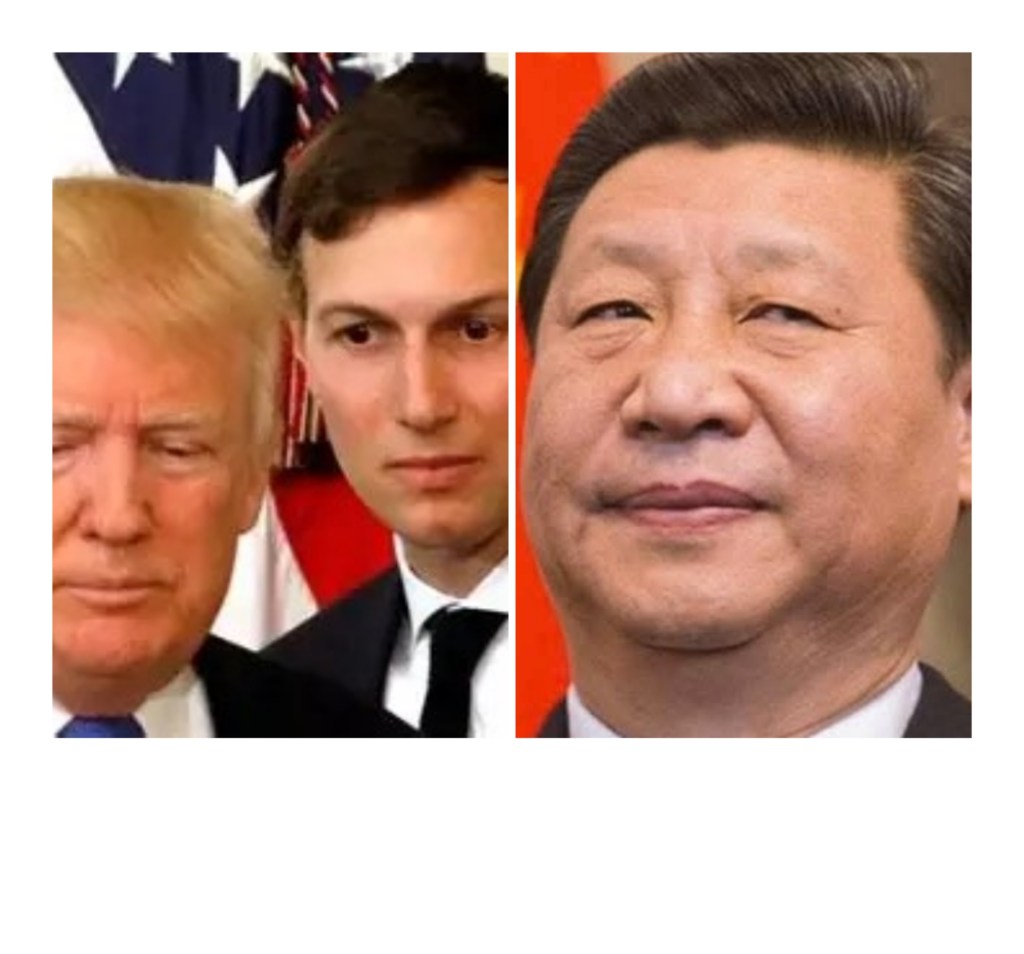
How transnational capital directs United States power to dismantle sovereign development models and preserve global economic control United States policy functions as an extension of transnational capital interests operating through state machinery. A coherent reading of recent geopolitical developments requires attention to structural power rather than electoral cycles or stated doctrine. Analysis grounded in policy… Continue reading
AI and Digital Control, America, China, economics, Energy, EUROPE, Financial markets, Foreign Policy, Geopolitics, Global Finance, iran, israel, middle east, Mineral Resources, NATO, politics, reserve currency, Russia, South East Asia, warBelt and Road Initiative, China, Digital Control, economic warfare., energy security, Eurasia, financial systems, Geoeconomics, Geopolitics, global governance, industrial sovereignty, iran, military strategy, multipolarity, policy continuity, Russia, sanctions, supply chains, transnational capital, United States -
The Cost of Containing China to Maintain Primacy

After failed tariff policy and strategic miscalculation in Iran, Western strategy has shifted toward energy control and expanded conflict, seeking to defend the dollar system through measures that risk sustained global economic disruption in efforts to contain China Western strategy toward China has entered a compressed time horizon shaped by the perception among policy planners… Continue reading
AI and Digital Control, America, China, economics, Energy, EUROPE, Financial markets, Foreign Policy, Geopolitics, Global Finance, iran, israel, middle east, Mineral Resources, NATO, politics, reserve currency, Russia, warautomation, BRICS, China, de-dollarisation, dollar hegemony, economic warfare., energy markets, energy security, Geopolitics, global trade, globalisation, industrial decline, industrial policy, Infrastructure, iran, manufacturing, Middle East conflict, reserve currency, Strait of Hormuz, supply chains, tariffs, United States, yuan settlement -
Convergence in the Persian Gulf
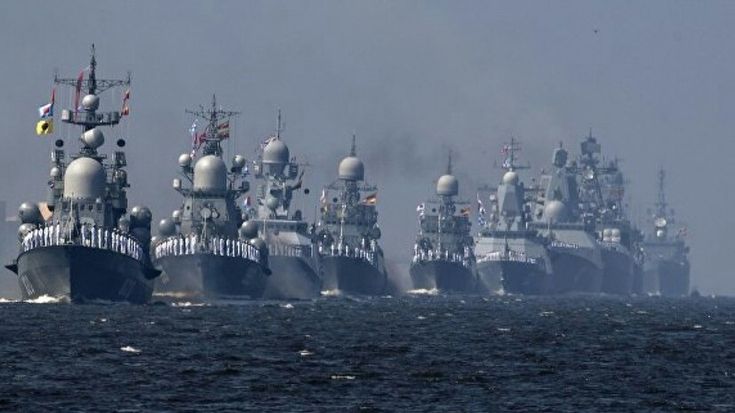
Convergence among Iran, China, and Russia in the Strait of Hormuz alters American risk calculations, though it does not remove the structural capacity of the United States to initiate military action. American primacy in the Strait of Hormuz rests upon a maritime doctrine shaped by Alfred Thayer Mahan’s classic argument that control of sea lanes… Continue reading
AI and Digital Control, China, economics, Energy, EUROPE, Financial markets, Foreign Policy, Geopolitics, Global Finance, israel, middle east, Mineral Resources, NATO, politics, Russia, warasymmetric warfare, BRICS, China, deterrence theory, energy security, Eurasian integration, Fifth Fleet, financial warfare, great power competition, Gulf geopolitics, iran, Maritime Security Belt, multipolarity, naval strategy, Persian Gulf, Russia, sanctions, sea power, Strait of Hormuz, United States Navy -
China’s Military Shake-Up
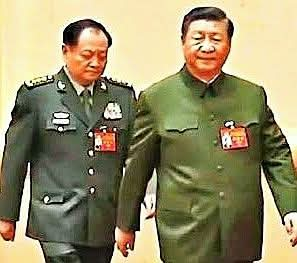
Understanding Xi Jinping’s balancing of loyalty, competence, and institutional stability in China’s armed forces, within the context of governance and national development The investigation and removal of General Zhang Youxia, one of the most senior officers in the People’s Liberation Army and vice-chairman of China’s Central Military Commission (CMC), marks an event of deep significance… Continue reading
anti-corruption campaign, Central Military Commission, centralisation, China, Chinese governance, Chinese political system, competence, corruption, cross-strait relations, economic development, international relations, leadership consolidation, loyalty, military purge, military readiness, People’s Liberation Army, PLA, poverty alleviation, regional security, strategic planning, taiwan, Xi Jinping, Zhang Youxia -
Mark Carney’s Speech at Davos: Is it just Theatrics?
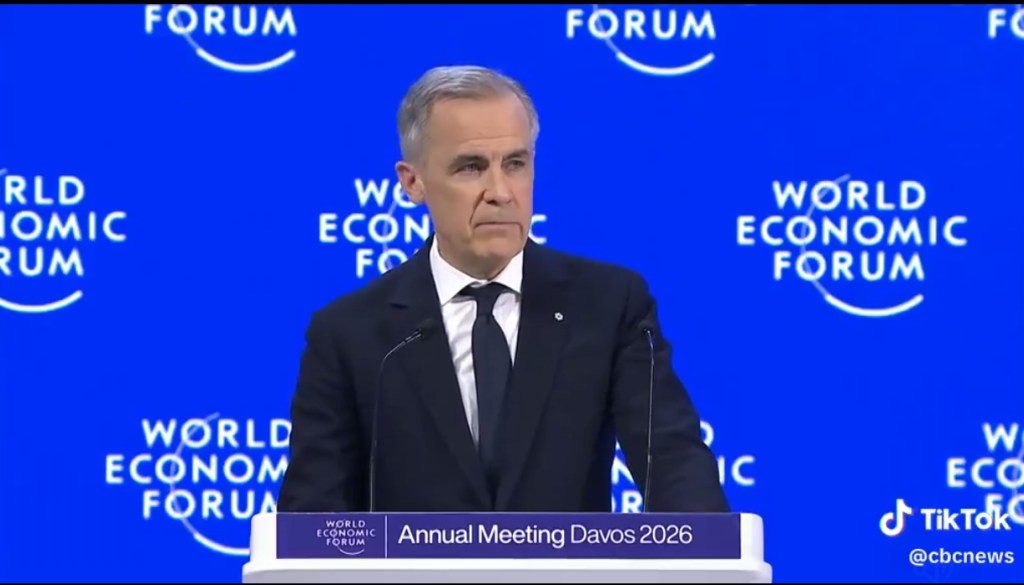
So at the gathering in Davos, of the self appointed decision makers of the lives of 8 billion people, Switzerland, Canadian Prime Minister Mark Carney delivered what may appears to history defining speech to be recorded in future history text books era defining. However, is it all theater? Are these contentions genuine or just a… Continue reading
AI and Digital Control, America, economics, Energy, EUROPE, Foreign Policy, Geopolitics, Global Finance, NATO, politics, Russia, warBritish foreign policy, Canada, China, Davos, economic weaponisation, European Union, Geopolitics, global governance, institutional immunity, mark carney, multipolarity, NATO, post-war international order, Russia, strategic disruption, systemic rupture, transatlantic relations, United States foreign policy, WEF -
Trump’s Chaos and the Disassembly of the Rules-Based Order
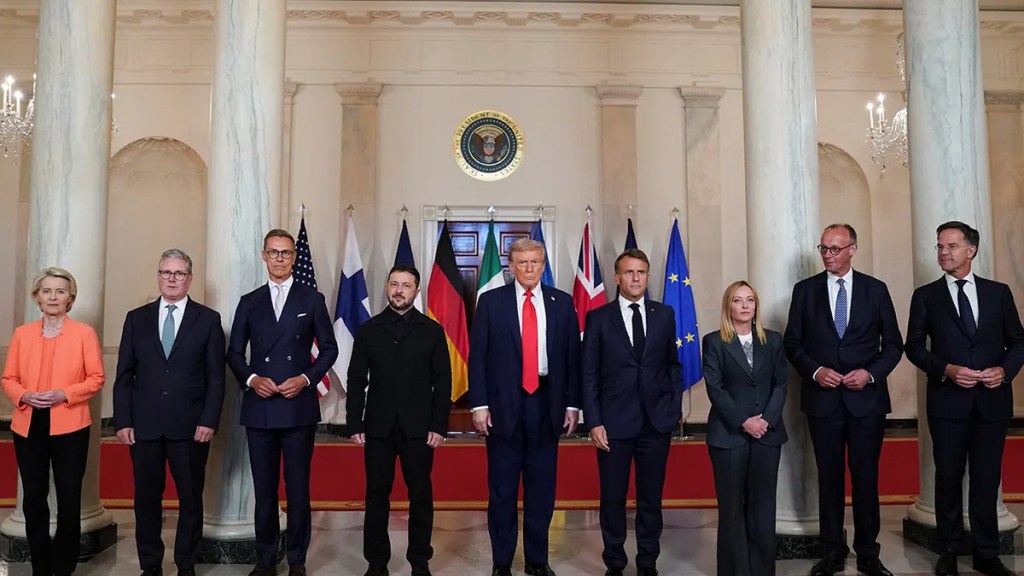
Strategic Realignment, Elite Resistance, and the Reconfiguration of Global Power The contemporary pattern of apparent disorder surrounding the Trump administration has been interpreted by several analysts as the visible surface of a deeper strategic reorientation of international power relations, rather than as an accumulation of uncoordinated or impulsive actions. According to geopolitical analyst Alex Krainer,… Continue reading
-
Europe Reconsiders Russia as North America Fractures Under Trade Pressure
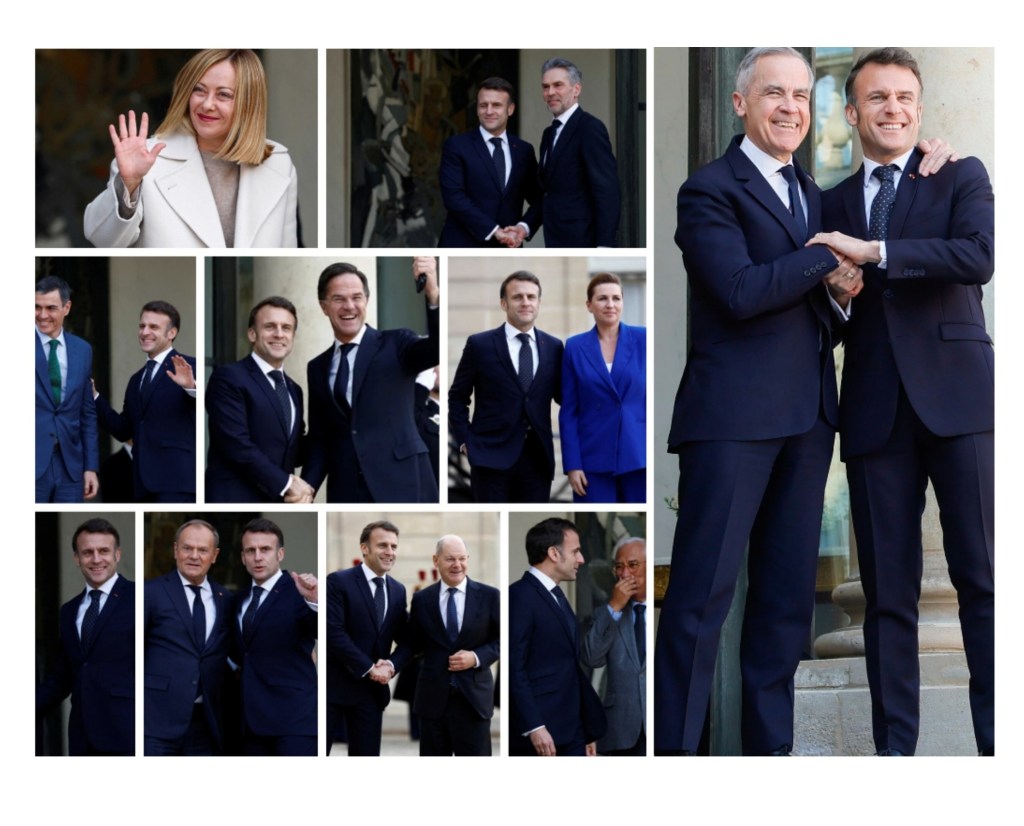
Europeans considering re-engagement with Moscow as Canada turns toward China under US pressure European political leaders appear to be recalibrating their posture towards the Russian Federation after years of hostility driven by the conflict in Ukraine. French President Emmanuel Macron, Italian Prime Minister Giorgia Meloni and German Chancellor Friedrich Merz have each articulated versions of… Continue reading
