
Geopolitics
-
Tungsten Prices Soar as China’s Export Controls Threaten Western Economies and Military Supply Chains
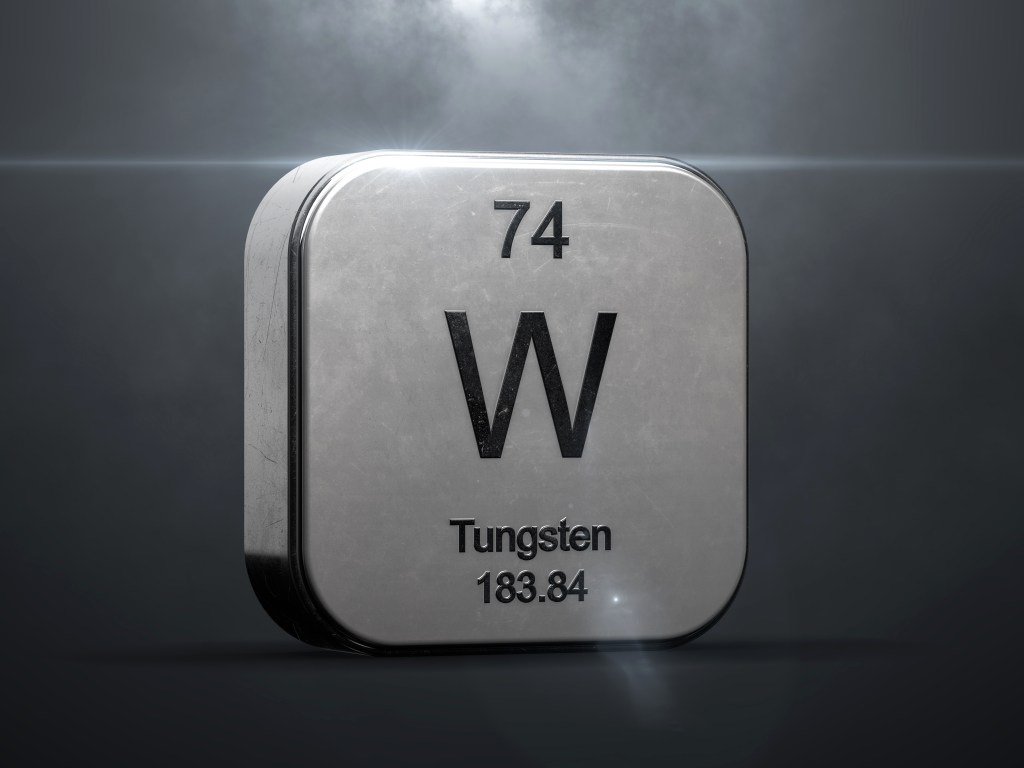
Tungsten, vital for weapons and industry, is becoming increasingly scarce under export bans and geopolitical pressure Industrial metals markets are under severe strain as demand rises sharply and supply tightens across key inputs. Prices for strategic materials linked to defence production have moved higher across global markets since late 2024. The London Metal Exchange and… Continue reading
AI and Digital Control, America, economics, Energy, EUROPE, Financial markets, Foreign Policy, Geopolitics, Global Finance, iran, israel, middle east, Mineral Resources, NATO, politics, reserve currency, technology, warChina export controls, commodity markets, critical minerals, defence supply chains, dual-use materials, energy sector, European Union, geopolitical risk, global commodities, industrial metals, manufacturing, metal prices, military production, mining industry, NATO, raw materials, strategic minerals, supply chain disruption, tungsten, tungsten shortage, US Department of Defense -
Iran’s Hold on Hormuz Forces US Into High-Risk Military Options
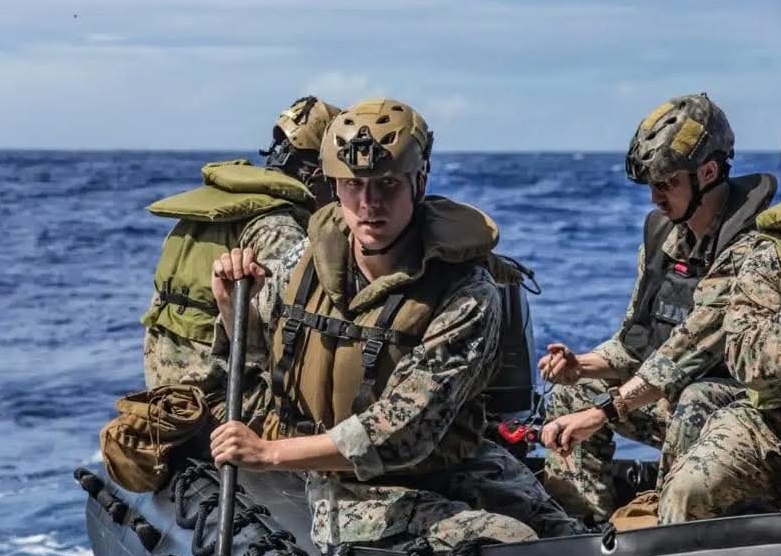
Amphibious forces position for interdiction and potential seizure of Iran’s primary oil terminal as Washington seeks leverage over oil flows and China-bound exports The deployment of United States Marine Expeditionary Units into the Persian Gulf reflects a defined operational logic grounded in maritime control rather than territorial conquest. The force structure, doctrinal design, and historical… Continue reading
AI and Digital Control, America, China, economics, Energy, EUROPE, Financial markets, Foreign Policy, Geopolitics, Global Finance, iran, israel, middle east, Mineral Resources, NATO, politics, Russia, waramphibious operations, Bab el Mandeb Strait, China energy security, chokepoints, economic coercion, energy geopolitics, Escalation dynamics, global oil supply, Kharg Island, Marine Expeditionary Units, maritime interdiction, naval strategy, naval supremacy, Persian Gulf security, Strait of Hormuz, US military strategy -
From Hormuz to Diego Garcia? Iranian Escalatory Strike Capacity Unravels Western Military Assumptions
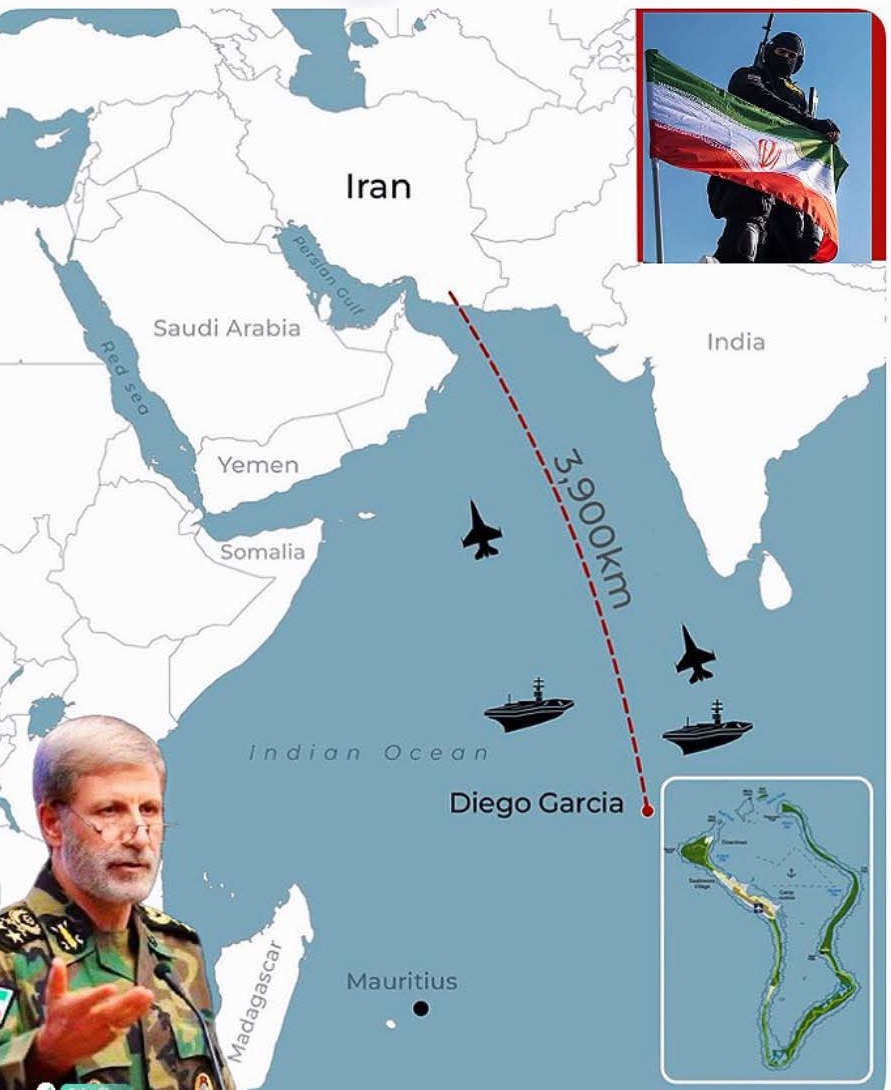
Iranian long-range strike capability, chokepoint control, and infrastructure targeting reshape military balance and global energy systems The conduct of the war has followed a discernible pattern in which Iranian actions have progressively expanded both in scale and technical demonstration, producing cumulative strategic effects that were not anticipated within prevailing Western assessments. Early assumptions regarding the… Continue reading
-
Trump’s Hormuz Coalition

European and allied leaders join Washington’s Hormuz coalition while public opposition and legal questions remain unaddressed Recent decisions by Keir Starmer, Emmanuel Macron, Friedrich Merz, Giorgia Meloni, Rob Jetten, Sanae Takaichi, and Mark Carney mark a coordinated shift in policy towards direct support for United States operations in the Strait of Hormuz. Public statements issued… Continue reading
-
The Collapse of “Plan A” and the Emergence of a War Without Control
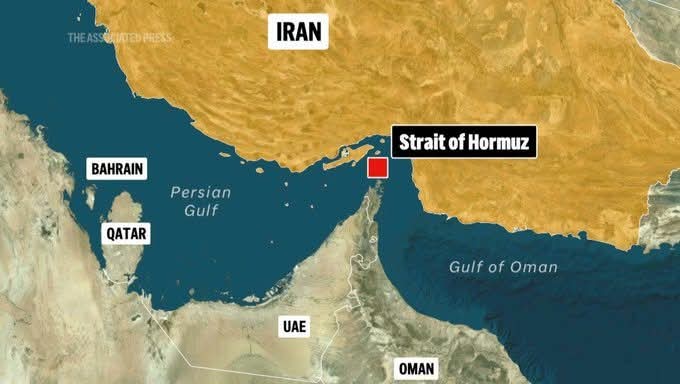
Israeli Escalation, Iranian Leverage, and the Breakdown of United States Control Amid Infrastructure Warfare, Energy Market and Global Economic Shock Military escalation between the United States, Israel and Iran over the past twenty-four hours has altered both the operational direction and the political control of the conflict, with immediate consequences for energy markets, alliance management… Continue reading
-
An Ethnic Cleansing Campaign Is Underway in the West Bank
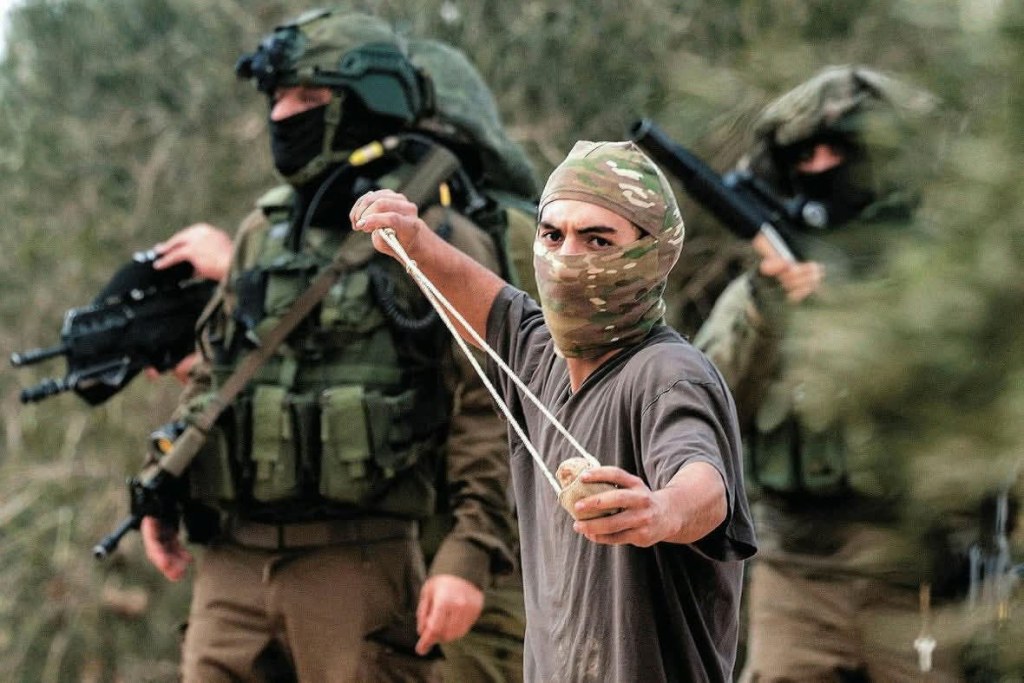
Israeli accounts describe organised militia in “Hundreds” operating with official support as Israeli MPs define the violence as terrorism A pattern of organised removal of Palestinians from land in the West Bank cannot be understood as a recent deviation, given the historical record extending from the Nakba through successive phases of territorial consolidation. Large-scale displacement… Continue reading
annexation, Ehud Olmert, ethnic cleansing, forced displacement, International Criminal Court, international law, Israel Police, Israeli politics, Israeli security forces, Israeli settlements, Itamar Ben-Gvir, Meirav Cohen, Middle East conflict, Nakba, occupation, Palestinian displacement, settler militias, settler violence, Shin Bet, West Bank -
The Unlawful War Now Threatens The World
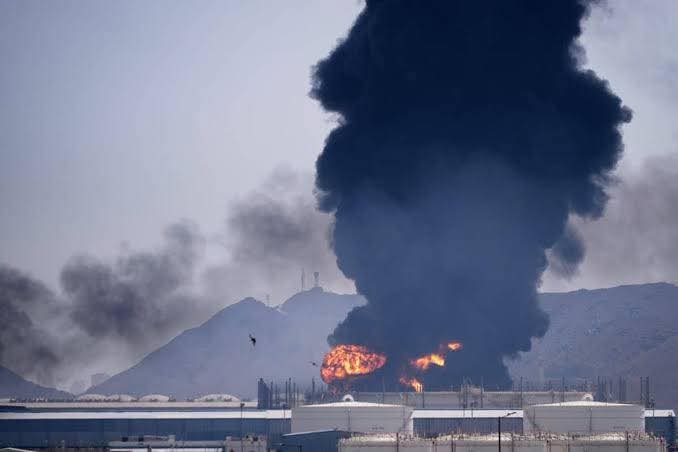
Energy on the Brink as the Middle East Escalation Triggers Global Fallout Global energy markets have entered a state of heightened volatility following Israeli strikes on Iran’s South Pars gas field, prompting retaliatory action that has sent ripple effects across the region and the world. South Pars, shared with Qatar where it is known as… Continue reading
-
Iran as an Underdog has Proven Effective and now Holds Significant Leverage
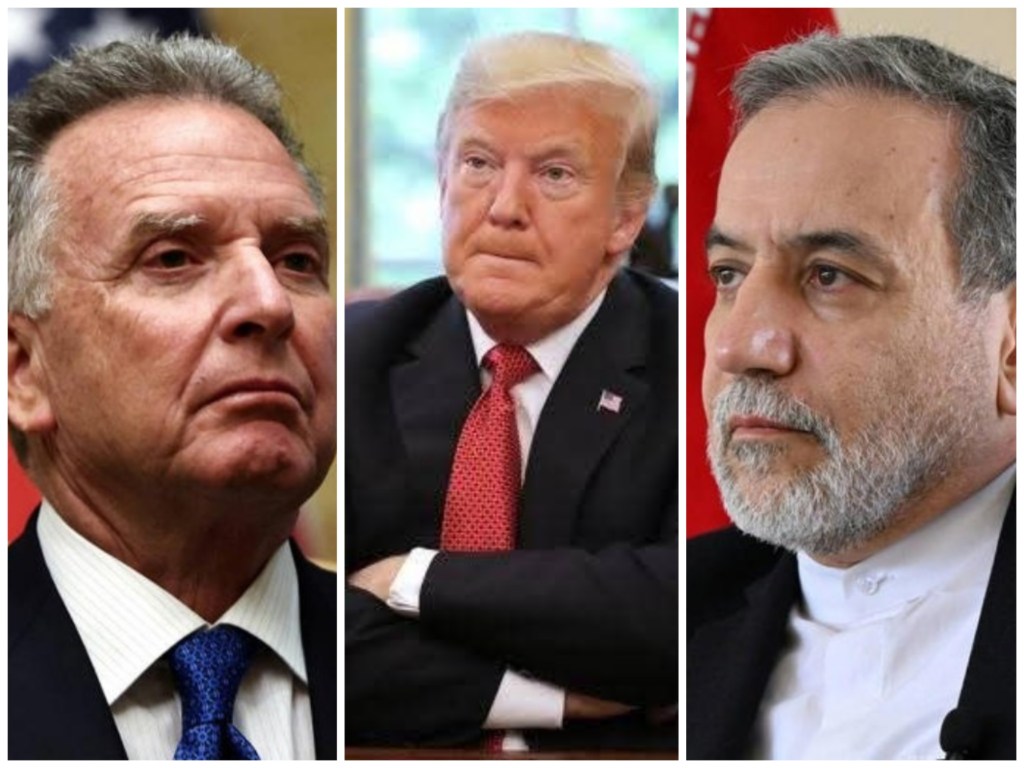
The consequences of underestimation and misreading capability by the United States and Israel has resulted in measurable strategic cost The available evidence indicates that the scale and resilience of Iranian state capacity under sustained attack have been materially underestimated in much Western policy analysis, despite repeated cautions issued over several years by academic specialists in… Continue reading
AI and Digital Control, America, China, economics, Energy, EUROPE, Financial markets, Foreign Policy, Geopolitics, Global Finance, iran, israel, NATO, politics, warasymmetric warfare, conflict analysis, cost imposition strategy, decentralised defence, deterrence, Drone Warfare, Escalation dynamics, geopolitical leverage, Gulf security, hybrid warfare, iran, israel, Middle East geopolitics, military doctrine, military miscalculation, missile warfare, regional power balance, state resilience, Strait of Hormuz, strategic resilience, strategic studies, underdog, United States, war of attrition -
A Gulf Billionaire Rebuked a U.S. Senator

Khalaf Ahmad Al Habtoor’s blunt response to Lindsey Graham’s call for war exposed tensions in the Gulf–U.S. alliance and raised uncomfortable questions about power, interests, and who pays the price for conflict. The exchange between U.S. Senator Lindsey Graham and Emirati businessman Khalaf Ahmad Al Habtoor unfolded like a small but revealing moment in the… Continue reading
-
COVID-19 mRNA Injections Alleged To Be Pentagon-Developed “Bioweapons” in Dutch Court Proceedings

Court presentation alleges Pentagon- and DARPA-funded technology and accuses Bill Gates and Pfizer CEO Albert Bourla of involvement in a coordinated program alleged to be a military biological weapon For the first time in a court proceeding, the COVID-19 mRNA injections were described as “bioweapons.” The claim was presented in a Dutch court by lawyer… Continue reading
AI and Digital Control, Financial markets, Foreign Policy, Geopolitics, Global Finance, Health, Mineral Resources, NATO, politics, waralbert bourla, bill gates, biological weapon claim, Biological Weapons Anti-Terrorism Act, Catherine Austin Fitts, COVID-19 mRNA injections, crimes against humanity allegations, DARPA, Dutch court case, Francis Boyle, gain-of-function research, Great Reset lawsuit, Joseph Sansone, nanolipid particles, Nature Medicine 2015 study, pentagon, Peter Stassen, pfizer, Rome Statute, Sasha Latypova, Wuhan Institute of Virology
