
middle east
-
Convergence in the Persian Gulf
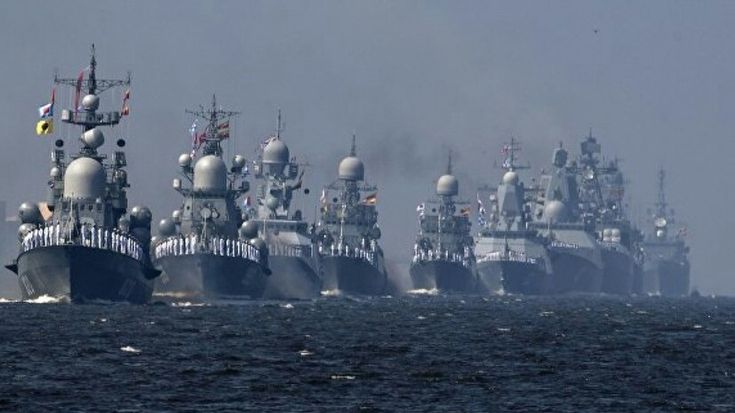
Convergence among Iran, China, and Russia in the Strait of Hormuz alters American risk calculations, though it does not remove the structural capacity of the United States to initiate military action. American primacy in the Strait of Hormuz rests upon a maritime doctrine shaped by Alfred Thayer Mahan’s classic argument that control of sea lanes… Continue reading
AI and Digital Control, China, economics, Energy, EUROPE, Financial markets, Foreign Policy, Geopolitics, Global Finance, israel, middle east, Mineral Resources, NATO, politics, Russia, warasymmetric warfare, BRICS, China, deterrence theory, energy security, Eurasian integration, Fifth Fleet, financial warfare, great power competition, Gulf geopolitics, iran, Maritime Security Belt, multipolarity, naval strategy, Persian Gulf, Russia, sanctions, sea power, Strait of Hormuz, United States Navy -
Crisis of Trust in the Atlantic Order Western Moral Claims

The Prince Andrew Arrest and the Unravelling of Western Moral Claims Public trust in Western institutions has suffered grave damage following renewed scrutiny surrounding Prince Andrew and the late Jeffrey Epstein. Fresh disclosures released through United States government channels have revived allegations once treated as contained scandals. More than three million documents have entered the… Continue reading
AI and Digital Control, Energy, EUROPE, Financial markets, Foreign Policy, Geopolitics, Global Finance, israel, middle east, NATO, politics, technology, warBourbon monarchy, British monarchy, corruption networks, elite accountability, Empire Decline, FBI, geopolitical narrative, ghislaine maxwell, institutional legitimacy, Jeffrey epstein, King Charles III, Maria Zakharova, moral authority, Prince Andrew, prosecutorial discretion, Roman Empire, rule-of-law, Russian Empire, two-tier justice, United States Department of Justice, vladimir putin, Western governance crisis -
On the Cusp of Trump’s Regime Change and the Persian Gamble
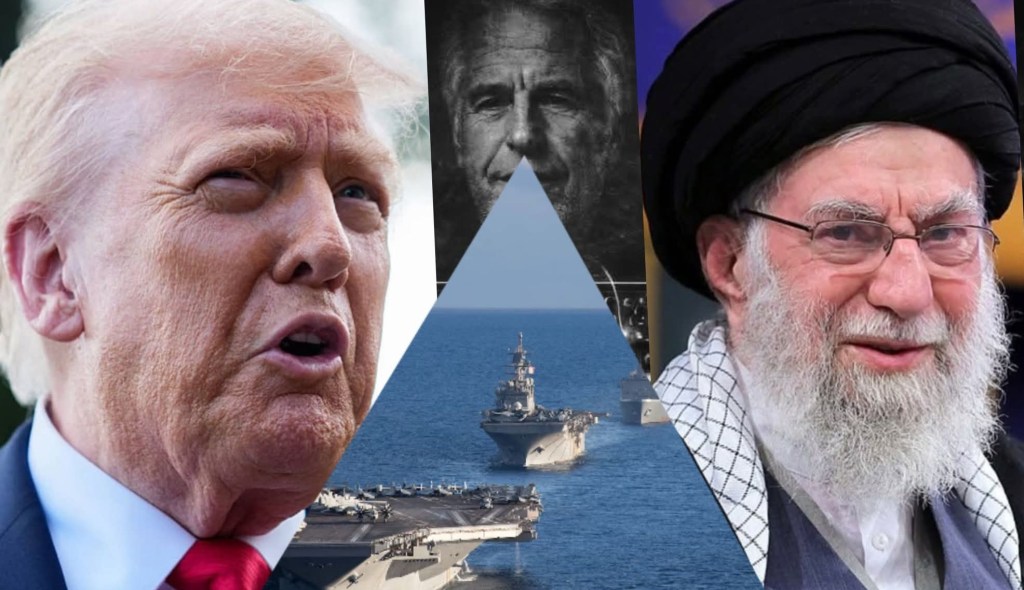
The military build-up against Iran and the doctrines, alliances, and risks shaping a possible full-scale conflict Television reports from Channel 12 state that President Donald Trump stands on the verge of approving a large scale, week long military campaign against Iran that would be perceived internationally as full war rather than limited reprisal. Sources briefed… Continue reading
AI and Digital Control, America, East Africa, economics, Energy, EUROPE, Financial markets, Foreign Policy, Geopolitics, israel, middle east, NATO, politics, reserve currency, Russia, warair defence systems, carrier strike groups, chaos theory and war, coercive diplomacy, deterrence theory, Eurasian trade corridors, game theory in international relations, imperial overstretch, Israel–Iran conflict, madman theory, Middle East geopolitics, missile proliferation, multipolar world order, nuclear negotiations, Persian Gulf security, proxy warfare, regime change doctrine, shock and awe, Strait of Hormuz, US–Iran relations -
No Longer Untouchable – From Scandal to Constitutional Crisis
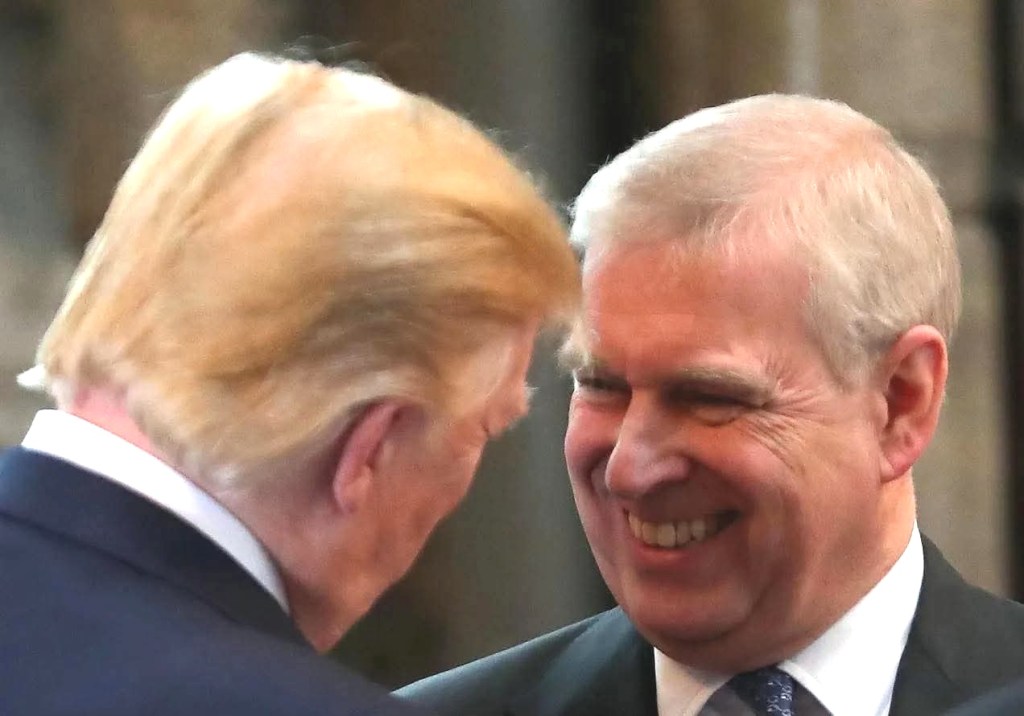
Why Andrew Mountbatten-Windsor’s legal jeopardy marks a turning point for Britain’s Monarchy exposing institutional vulnerability, public distrust, and the limits of hereditary immunity The arrest of Prince Andrew, legally Andrew Mountbatten-Windsor, on suspicion of misconduct in public office over his links to Jeffrey Epstein marks a rare moment in British constitutional history. Officers from Thames… Continue reading
-
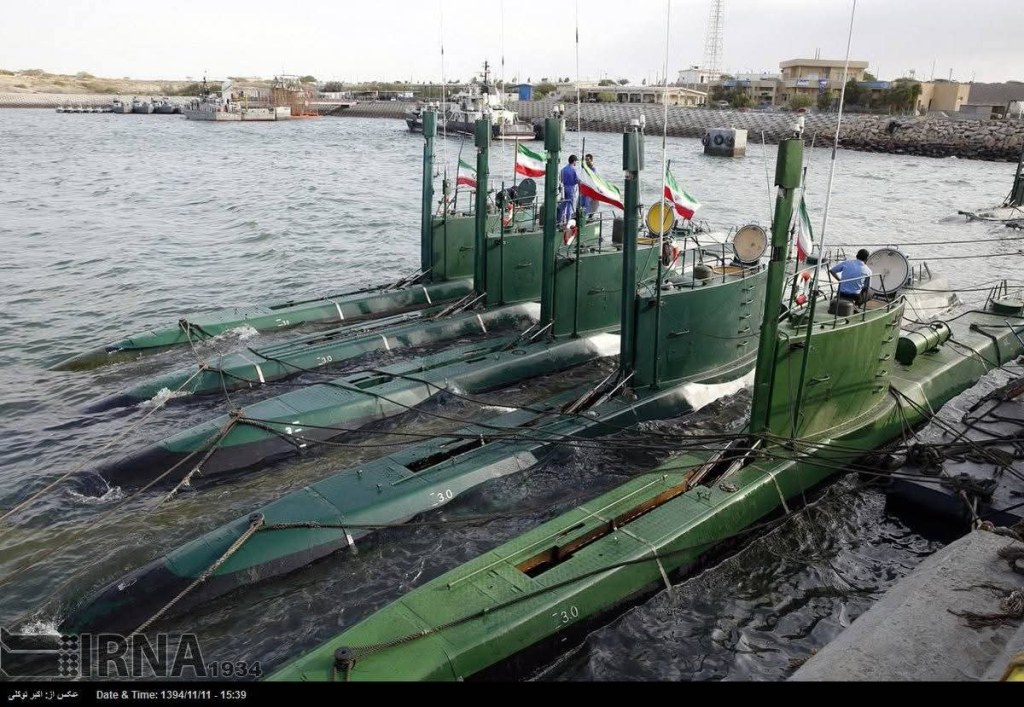
Iran’s Midget Submarines Form Quiet Backbone of Coastal Defence Small but numerous Ghadir-class submarine fleet highlights Tehran’s focus on asymmetric warfare in the Persian Gulf Iran’s navy has developed a range of unconventional tools over the years, but one of the least noticed is its fleet of small submarines known as the Ghadir-class submarine. These… Continue reading
AI and Digital Control, America, economics, Energy, Financial markets, Foreign Policy, Geopolitics, Global Finance, israel, middle east, Russia, warAbbas Araghchi, ballistic missiles, ceasefire, diplomacy, drone strikes, Geneva talks, iran, Iran nuclear program, Iranian Revolutionary Guard, israel, Middle East tensions, military conflict, Netanyahu, non-proliferation, nuclear negotiations, oil markets, proxy warfare, Red Sea, regime change, regional security, sanctions, Strait of Hormuz, Trump administration, U.S. military buildup, United States, USS Gerald R Ford, war escalation -
BRICS needs strategic maritime cooperation – Putin aide

Why BRICS is moving toward maritime cooperation and why it has not become a military alliance Cooperation between the navies of member countries would help protect sea lanes, Nikolay Patrushev has said,speaking to Argumenty i Fakty (meaning “arguements and facts” ), a Russian weekly newspaper. ‘Our key task is building a multipolar order at sea.… Continue reading
-
The Greatest Robbery in Financial History Continues to Play Out in the Silver Market

An analysis of events surrounding the silver market dislocation of Friday 13 February, and the systemic mechanics that enabled it It’s Saturday morning, February 14, 2026, with global markets closed, the week’s turbulence in silver has come to a temporary halt. Over the preceding five trading days, February 9 through February 13, the market had… Continue reading
-
Russian Foreign Policy in a Fragmenting OrderLavrov at the State Duma and the Structure of Multipolar PowerInstitutional Continuity under Strategic Pressure
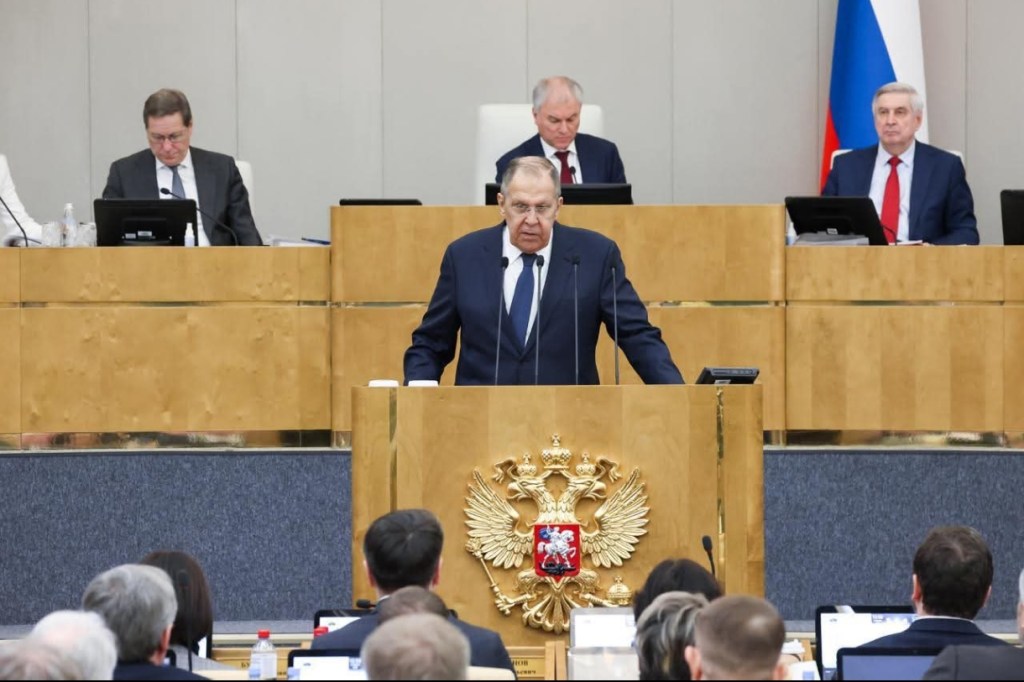
An opinion analysis of Russia’s systemic positioning amid global realignmentSecurity, law, and sovereignty in contemporary Russian diplomacy Foreign Minister Sergey Lavrov used the State Duma hearing to present a coherent account of Russian foreign policy under conditions described as structural change rather than episodic crisis. The remarks framed current conflicts as consequences of an exhausted… Continue reading
-
Saudi Arabia Has The “BOMB”
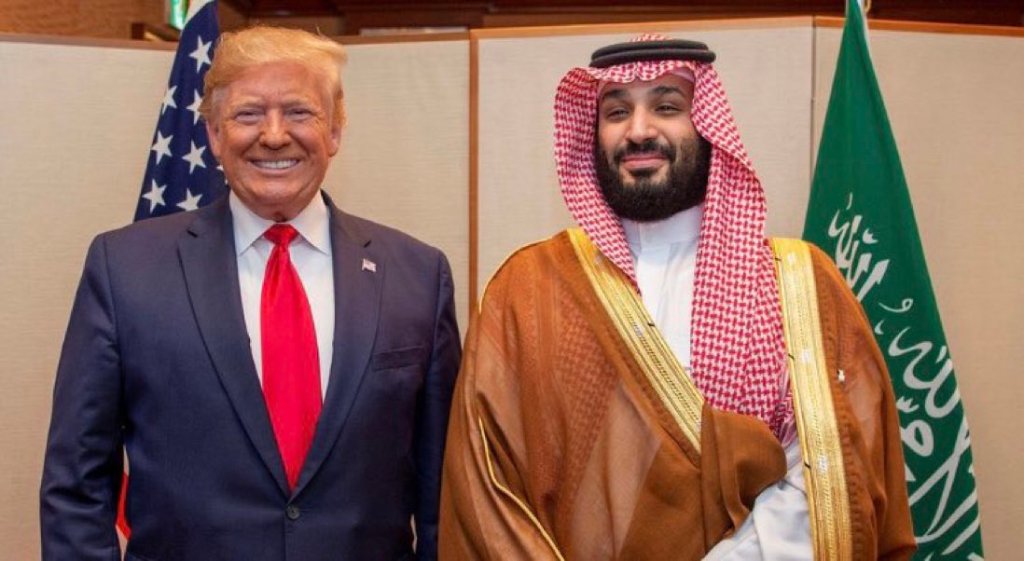
Nuclear Patronage, Saudi-Pakistan Security Ties, and the US-Israel Escalatory Dynamics Surrounding Iran Former senior Iranian military officials and independent analysts have publicly asserted for the first time that Saudi Arabia may already be in possession of a hidden nuclear arsenal, and that Riyadh’s extended deterrence is effectively being provided by Pakistan through a strategic mutual… Continue reading
-

Leaked documents, diplomatic activism, and conflict-zone reporting challenge the narrative of UAE’s supposed neutral modernity. (In this featured 2012 private jet photo, Azizah Al-Ahmadi (blue), identified as sending a piece of the Kaaba’s Kiswah to Epstein, appears alongside Emirati diplomat Hind Al-Owais (red), referenced in DOJ-released emails. The Kiswah was later photographed laid out on… Continue reading
AI and Digital Control, America, economics, Energy, EUROPE, Financial markets, Foreign Policy, Geopolitics, Global Finance, israel, middle east, NATO, politics, warAbraham Accords, diplomatic leaks, elite power structures, Geopolitics, Hind Al-Owais, Horn of Africa, human rights, Islamophobia debate, Israel-UAE relations, Jeffrey Epstein files, Kiswah controversy, Libya civil war, Middle East politics, mineral geopolitics, political Islam, Qatar blockade, regional security, soft power, strategic alignment, Sudan conflict, transnational influence networks, UAE foreign policy, United Arab Emirates, Western alliances, Yemen war
