
Geostrategy
-
Reading Between the Lines: Why Rezaee’s CNN Interview Is More About Messaging Than Negotiation
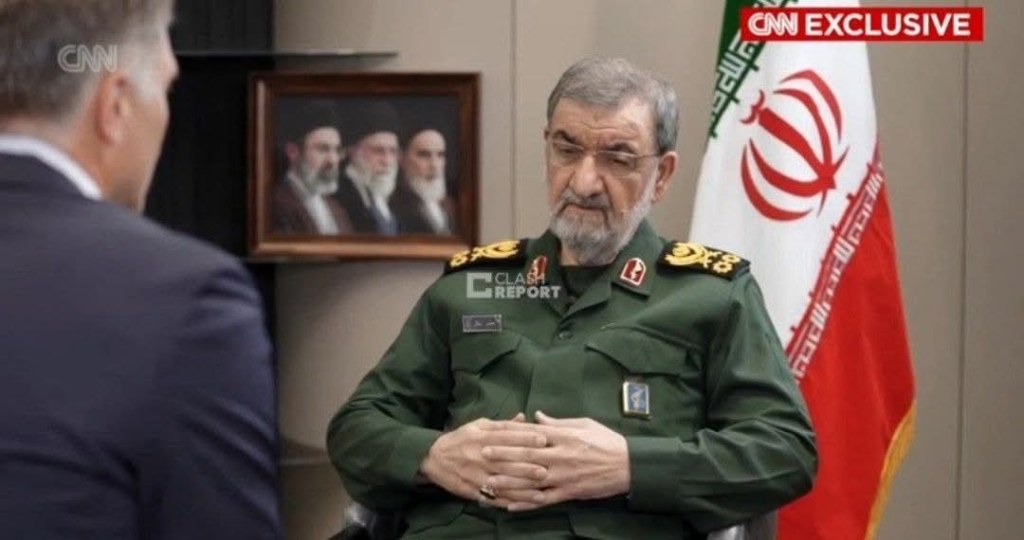
Tehran does not expect negotiations to produce a breakthrough, it wants to shape the narrative around any future escalation My reading of Rezaee’s CNN interview is that it is primarily directed at Western audiences and the cameras, not because Tehran genuinely expects negotiations to produce a breakthrough, but because it wants to shape the narrative… Continue reading
AI and Digital Control, America, Financial markets, Foreign Policy, Geopolitics, Global Finance, imperialism, iran, israel, middle east, Mineral Resources, NATO, neocolonialism, politics, South East Asia, warBab al-Mandab, British Empire Legacy, CNN Interview, Colonial Borders, conflict analysis, diplomacy, escalation, Foreign Affairs, GCC, geopolitical risk, Geopolitics, Geostrategy, Gulf Monarchies, Gulf States, information warfare, international relations, iran, Iran US relations, Long War, maritime security, middle east, Middle East politics, Middle East Transformation, Mohsen Rezaee, multipolar world order, Persian Gulf, political legitimacy, political stability, power projection, Red Sea security, Regime Security, Regional Conflict, Regional Order, Regional Realignment, security studies, state formation, Strategic Affairs, strategic messaging, US foreign policy, West Asia -
The Fractured Crescent
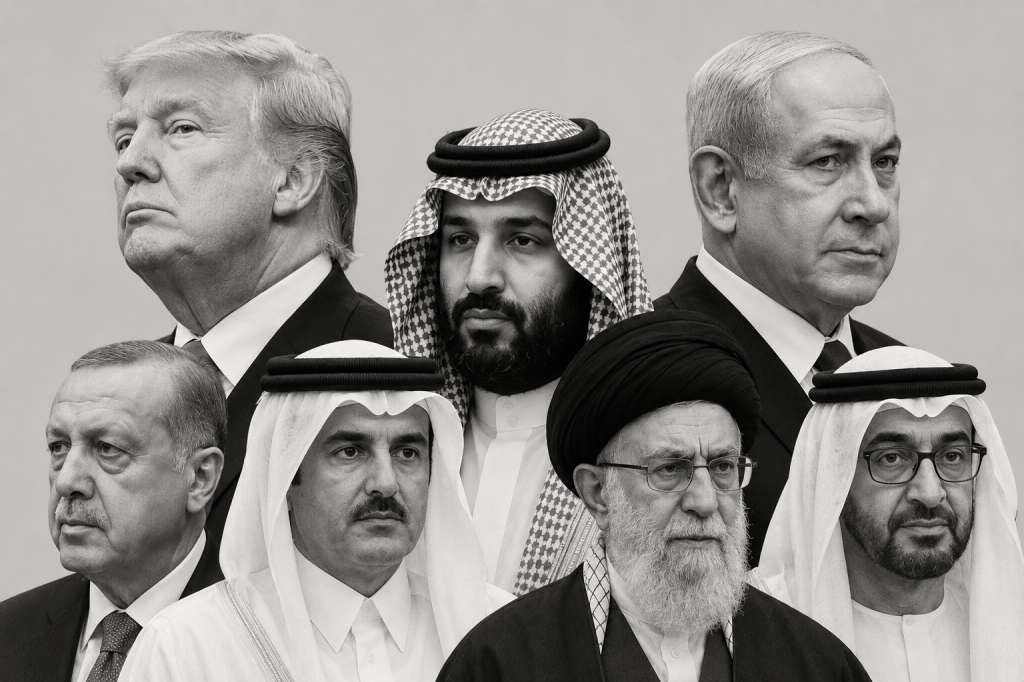
Power, Rivalry and Realignment in the Emerging Middle Eastern Order The Middle East enters another period of strategic transition as assumptions underpinning the regional order during the post-Cold War era face growing pressure from shifting power balances, changing economic realities, military confrontation, and the gradual erosion of uncontested American dominance. Public discussion frequently presents the… Continue reading
AI and Digital Control, America, China, economics, Energy, EUROPE, Financial markets, Foreign Policy, Geopolitics, Global Finance, iran, israel, Latin America, middle east, Mineral Resources, NATO, politics, reserve currency, Russia, South East Asia, warAbraham Accords, energy politics, Eurasia, Gaza War, Geopolitics, Geostrategy, great power competition, Gulf Cooperation Council, Gulf States, iran, israel, middle east, Mohammed bin Salman, Mohammed bin Zayed, multipolarity, Netanyahu, Political Rivalry, power transition, Qatar, Red Sea, regional power shift, Regional Realignment, Saudi Arabia, security architecture, Strait of Hormuz, Strategic Competition, Sudan conflict, Trump, Turkey, US foreign policy, West Asia, Yemen war -
Kagan and Boot: The Guilty Are Writing the Verdict (Extended Version)

From Tehran to Taiwan: The Men Who Built America’s Empire Are Now Writing Its Autopsy The extraordinary significance of the Max Boot interview with former CIA analyst John Culver does not rest merely in the military assessments themselves, severe as they already appear. The deeper significance rests in who is speaking, where they are speaking,… Continue reading
AI and Digital Control, America, China, East Africa, economics, Energy, Financial markets, Foreign Policy, Geopolitics, Global Finance, iran, israel, NATO, politics, reserve currency, warAmerican decline, American empire, American Power, Atlanticism, Belt and Road Initiative, China, containment strategy, de-dollarisation, defence policy, empire, energy politics, Eurasia, Eurasian integration, Geopolitics, Geostrategy, global hegemony, global order, great power competition, imperial overstretch, Indo-Pacific, Indo-Pacific strategy, Industrial Capacity, international relations, iran, John Culver, maritime power, Max Boot, military industrial complex, Military Primacy, military strategy, multipolar world order, NATO, Neoconservatism, petrodollar, political economy, Project for the New American Century, Robert Kagan, Russia, sanctions, South China Sea, Strait of Hormuz, Strategic Competition, Strategic Decline, taiwan, Taiwan Strait, Ukraine war, unipolarity, US foreign policy, US Hegemony, US Navy, US-China relations, Washington Consensus, West Asia
