
Iran strategy
-
America’s Global War
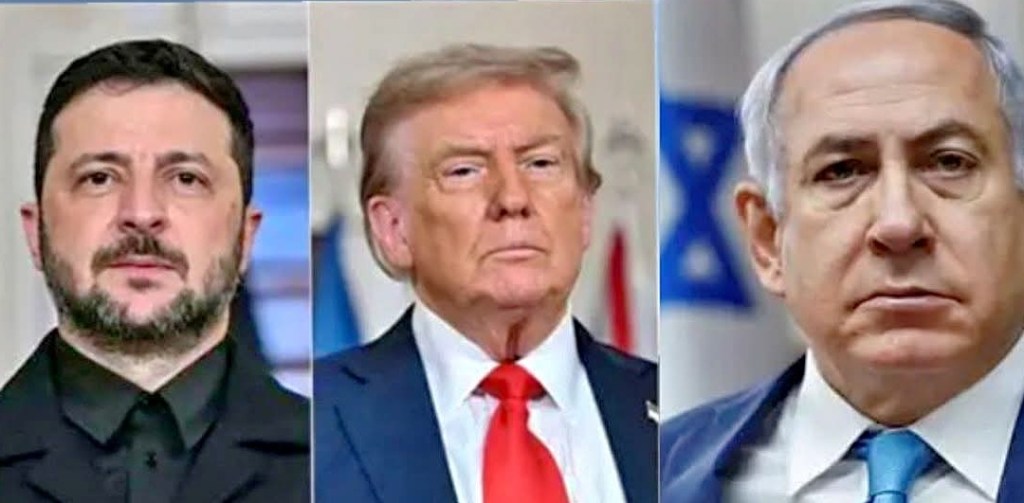
An Opinion Analysis of US-Israel-Ukraine Relations, the Integration of Military-Intelligence Infrastructure, and the Pursuit of Global Primacy The United States Congress has moved with remarkable determination to permanently codify the US-Israel relationship through legislative mechanisms that transcend traditional alliance frameworks. Section 224 of the House version of the 2027 National Defense Authorization Act, titled the… Continue reading
AI and Digital Control, America, China, Foreign Policy, Geopolitics, iran, israel, middle east, NATO, neocolonialism, politics, Russia, warAmerican foreign policy, American Hegemony, Brookings Institution, congressional legislation, defence industrial base, energy security, global energy markets, great power competition, intelligence sharing, Iran strategy, LNG exports, Middle East geopolitics, military integration, multipolar world, National Defense Authorization Act, proxy warfare, Russia-Ukraine conflict, strategic coercion, Ukraine war, US Israel relations -
Why Russia is Not Fighting Like Iran

Different objectives and different constraint hence Russia’s calibrated attrition contrasts with Iran’s cost-imposition strategy revealing competing paths to power Russia is no longer fighting for victory in Ukraine in the conventional sense; it is determining the scale and timing of an outcome it increasingly believes it can impose. What appears externally as operational restraint reflects… Continue reading
AI and Digital Control, America, China, economics, Energy, EUROPE, Financial markets, Foreign Policy, Geopolitics, iran, israel, middle east, Mineral Resources, NATO, politics, reserve currency, Russia, South East Asia, warasymmetric warfare, China rise, cost imposition, deterrence, economic warfare., energy security, Geopolitics, global order, global power shift, international relations theory, Iran strategy, military strategy, multipolarity, political economy, proxy war, Russia Ukraine War, Strait of Hormuz, Strategic Competition, US foreign policy, war strategy -
Gate of Tears, Strait of No Return

How simultaneous chokepoint warfare has trapped global trade between two narrowing exits, a strategic game the West cannot easily exit The Houthi declaration of entry into the war alters the structure of the conflict in a measurable way that can be tested against known data on maritime flows, energy dependency, escalation theory, and capital market… Continue reading
AI and Digital Control, America, economics, Energy, EUROPE, Financial markets, Foreign Policy, Geopolitics, iran, israel, middle east, NATO, politics, Russia, warasymmetric warfare, bab el mandeb, chokepoint warfare, economic warfare., energy crisis, energy infrastructure attacks, Escalation dynamics, Financial markets, Game Theory, Geopolitics, global inflation, global trade disruption, houthis, Iran strategy, maritime security, Middle East conflict, multipolar world order, oil markets, oil price volatility, petrodollar system, proxy warfare, red sea crisis, regime resilience, shipping routes, sovereign debt risk, Strait of Hormuz, strategic endurance, supply chains, Ukraine-Russia war, Yemen war -
America’s Suez Moment at Hormuz
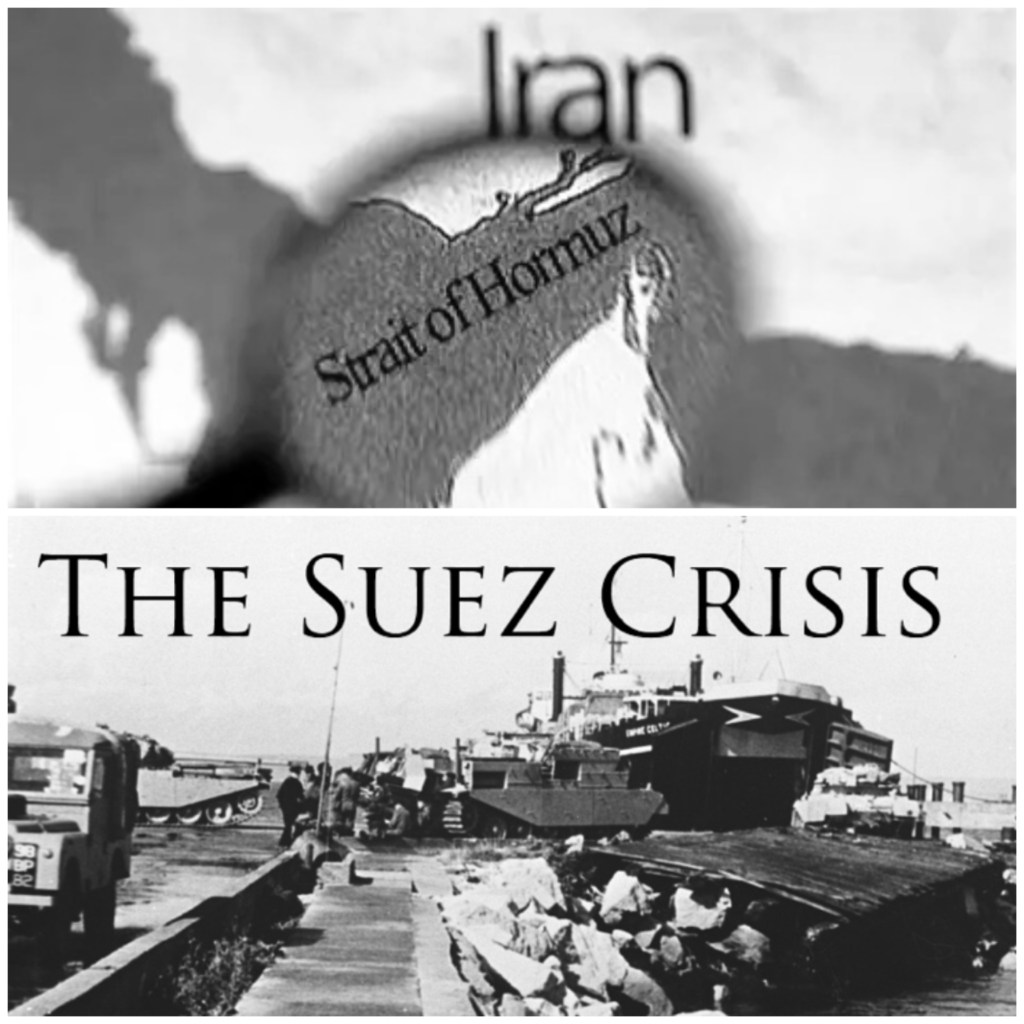
How loss of a single trade route reshapes power, finance, and global order Loss of control over the Strait of Hormuz will mark the end of American global dominance in the same manner that the Suez Canal marked the end of British imperial power, with the mechanism of decline rooted not in immediate military defeat… Continue reading
AI and Digital Control, America, China, economics, Energy, EUROPE, Financial markets, Geopolitics, Global Finance, iran, israel, middle east, NATO, politics, reserve currency, waralliance systems, American empire, asymmetrical warfare, British empire decline, capital flows, debt crisis, energy security, geopolitical analysis, global trade routes, historical precedent, imperial decline, Iran strategy, maritime chokepoints, oil transit, Ray Dalio, reserve currency status, Strait of Hormuz, Suez Crisis 1956, US dollar, US foreign policy
