
US foreign policy
-
Gulf States Draw Line on War with Iran

Gulf governments resist integration while exploring alternative security architecture Gulf states are declining participation in any military structure that places them alongside Israel or under a unified command that includes Israeli forces. Abdulaziz Sager, founder of the Gulf Research Center, attributes this position to both political constraints and strategic calculation across the region. Several governments… Continue reading
-
America’s Suez Moment at Hormuz
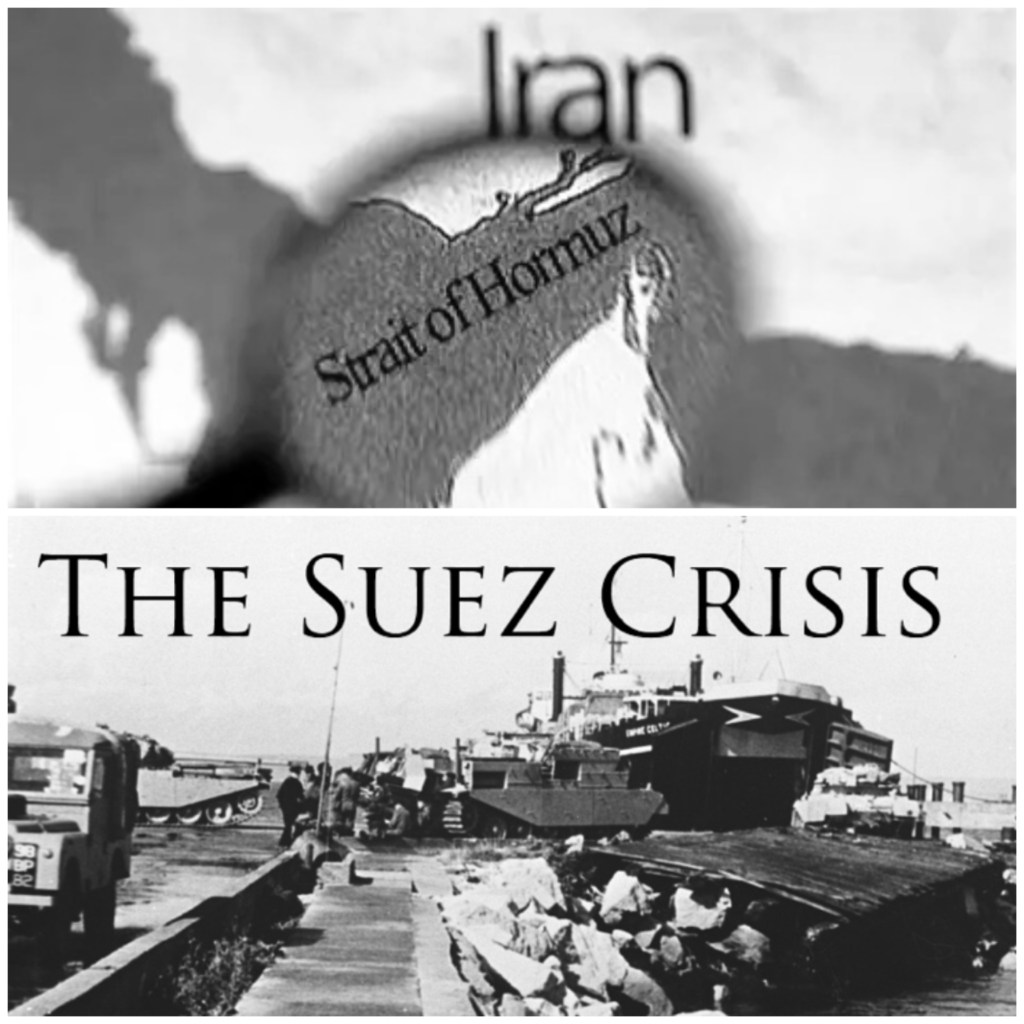
How loss of a single trade route reshapes power, finance, and global order Loss of control over the Strait of Hormuz will mark the end of American global dominance in the same manner that the Suez Canal marked the end of British imperial power, with the mechanism of decline rooted not in immediate military defeat… Continue reading
AI and Digital Control, America, China, economics, Energy, EUROPE, Financial markets, Geopolitics, Global Finance, iran, israel, middle east, NATO, politics, reserve currency, waralliance systems, American empire, asymmetrical warfare, British empire decline, capital flows, debt crisis, energy security, geopolitical analysis, global trade routes, historical precedent, imperial decline, Iran strategy, maritime chokepoints, oil transit, Ray Dalio, reserve currency status, Strait of Hormuz, Suez Crisis 1956, US dollar, US foreign policy -
The Strait of Hormuz Is Open by Permission
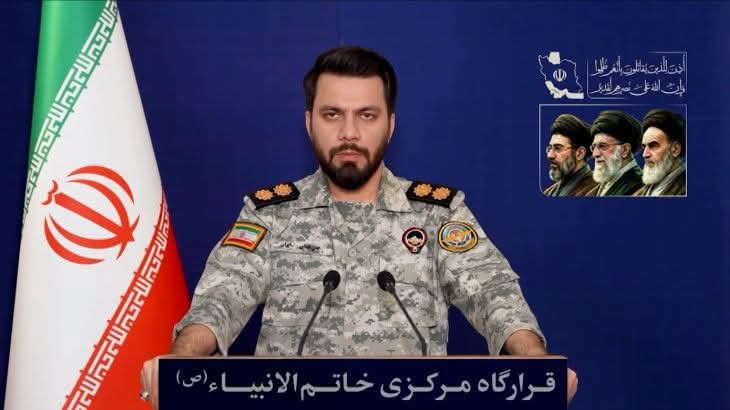
Iran imposes controlled transit after sustained aggression, converting open passage into a regulated system of access, payment, and geopolitical alignment A functioning maritime corridor has been converted into a controlled economic gate without formal closure, altering both the legal character and financial mechanics of the most critical energy chokepoint in the global system. Shipping through… Continue reading
-
The Iran War and the Fragmentation of the Global Energy and Petrodollar Order
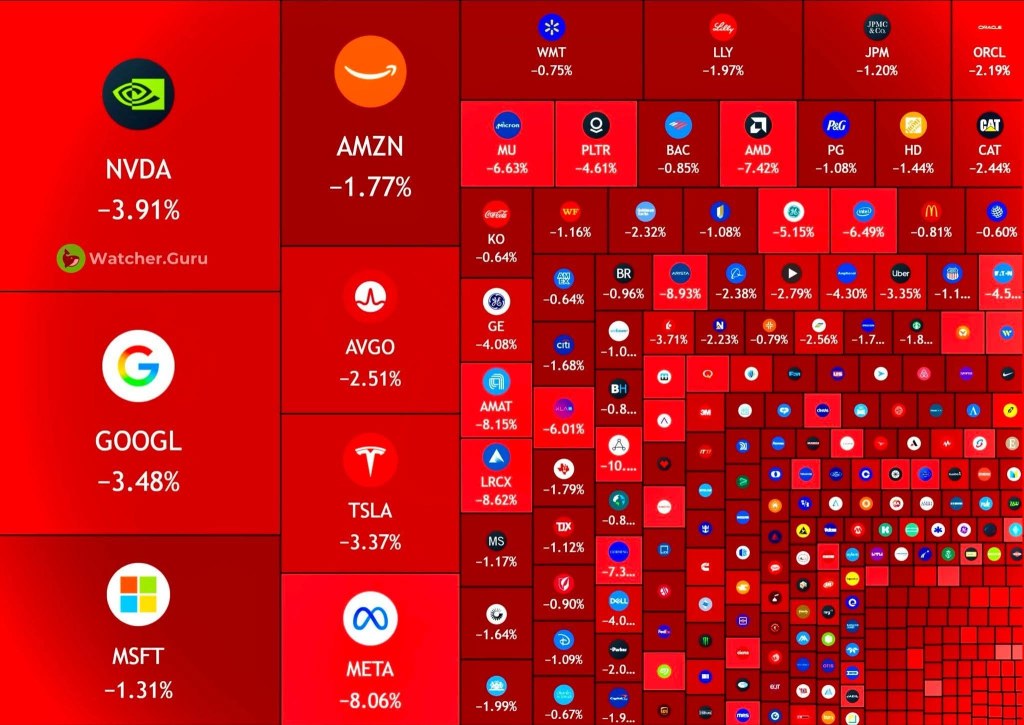
The drive to monopolise global energy, deny rivals access, and reinforce the dominance of the U.S.-led core is accelerating geopolitical realignment reshaping of global power. The war centred on Iran has entered an economic phase that now drives outcomes more decisively than battlefield engagements. The featured image is March 26, 2026, when the stock market… Continue reading
-
Assassination as The New License to Kill Without Accountability
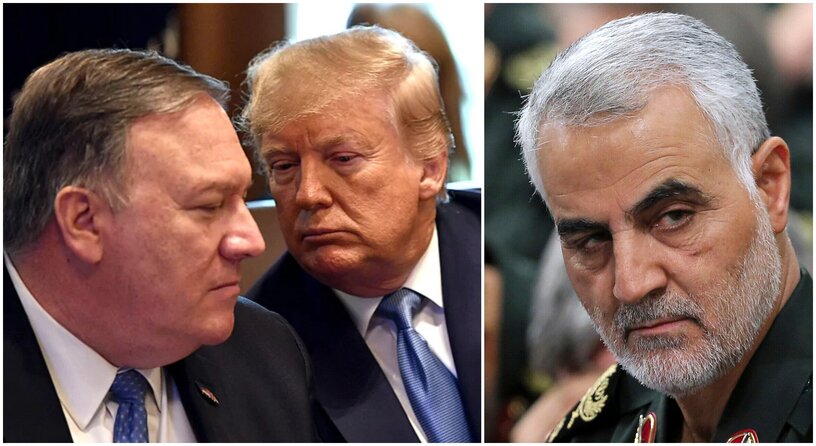
Targeted killing, the normalization of extrajudicial force and the collapse of ethical limits For decades, the United States has moved along a continuum from covert assassination plots during the Cold War to the open normalisation of “targeted killing” as an instrument of state policy. In the current war involving Iran, that evolution appears to be… Continue reading
AI and Digital Control, America, economics, Energy, EUROPE, Financial markets, Foreign Policy, Geopolitics, Global Finance, Health, iran, israel, middle east, Mineral Resources, NATO, politics, satellites, warassassination policy, covert operations, diplomacy erosion, extrajudicial killings, geopolitical escalation, global security, international law, Israel–Iran conflict, leadership targeting, military strategy, normalization of violence, political violence, statecraft, targeted killing, US foreign policy, war ethics -
Brazil Calls for Defence Co-operation with South Africa

Lula and Ramaphosa reflect a growing unease across the Global South after Western military actions in Venezuela and Iran, reinforcing fears that states outside major alliance systems remain vulnerable to coercion and intervention. Brazil’s President Luiz Inácio Lula da Silva used the recent visit of South African President Cyril Ramaphosa to Brasília to articulate a… Continue reading
-
The Kharg Island Question After Leadership Decapitation Failed
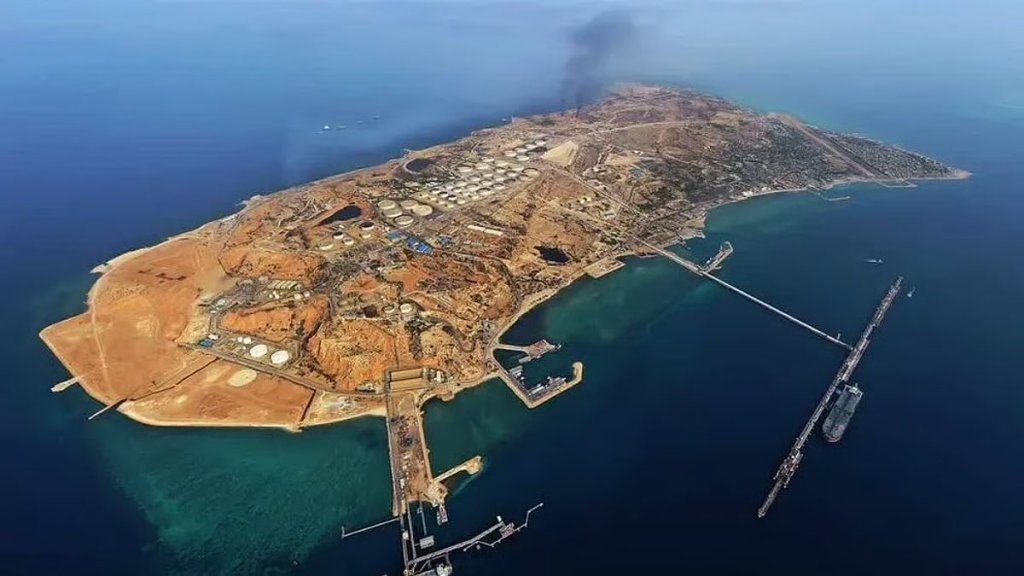
Why Kharg Island Is Emerging as the Next Coercive Economic Decapitation Option Designed to Break Iran’s War Economy Accepting defeat is not an option; the Epstein coalition has chosen a scorched-earth escalation policy instead. Only yesterday the coalition went after civilian infrastructure, another transgression against the rules of war. They struck a water desalination plant… Continue reading
-
Iran Will Win This War
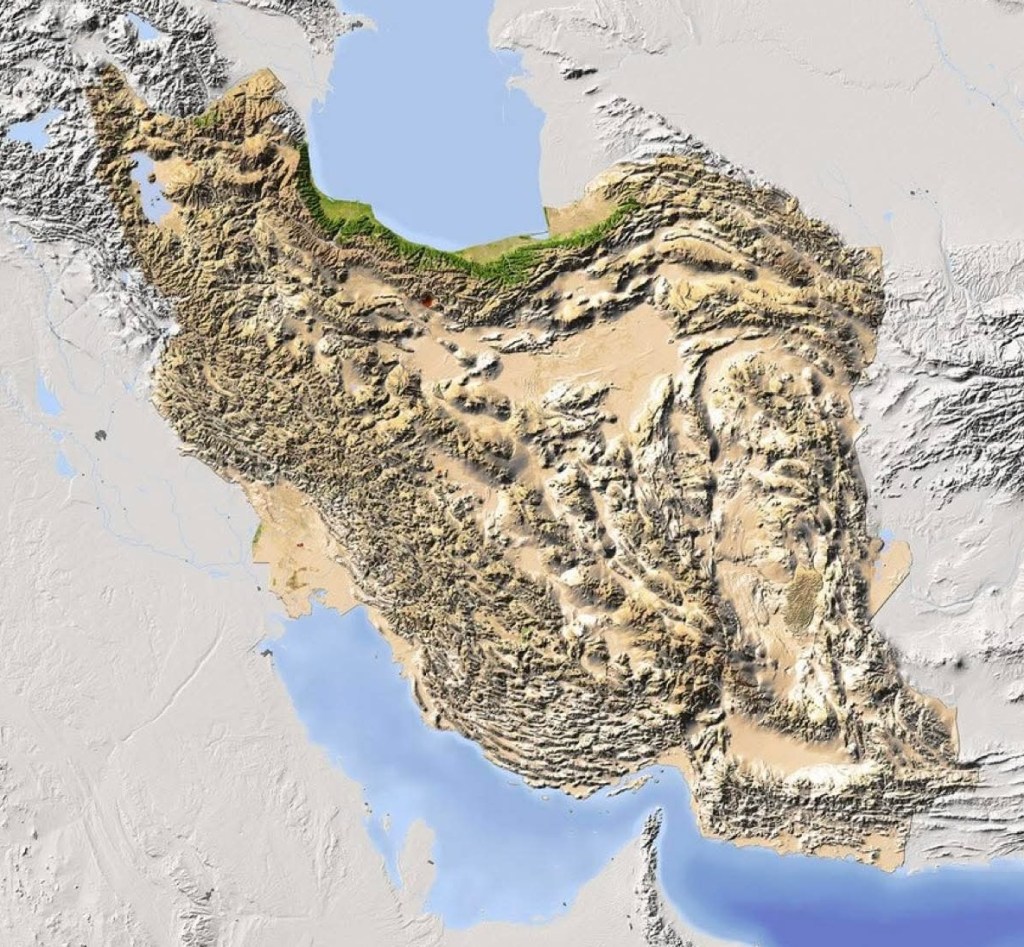
America Is Losing in the Middle East And Fast, Decades of Military Might, Gone in Days. Strategic analysis of the war involving Iran, the United States, and Israel must begin with a clear understanding of the form such a war would take and the structural realities shaping it. Conventional comparisons of aircraft carriers, military spending,… Continue reading
AI and Digital Control, America, China, Energy, EUROPE, Financial markets, Foreign Policy, Geopolitics, Global Finance, iran, israel, Latin America, middle east, NATO, politics, reserve currency, warinternational relations, iran, Iran defense, Iran military preparation, Iran missile capabilities, Iran vs US, Iran war strategy, Middle East conflict, military devastation, military infrastructure, Persian Gulf, regional dominance, Strait of Hormuz, Trump administration, US bases attacked, US foreign policy, US Military, US military history, war analysis, war footage -
The United States-Israel Attack on Iran During Negotiations
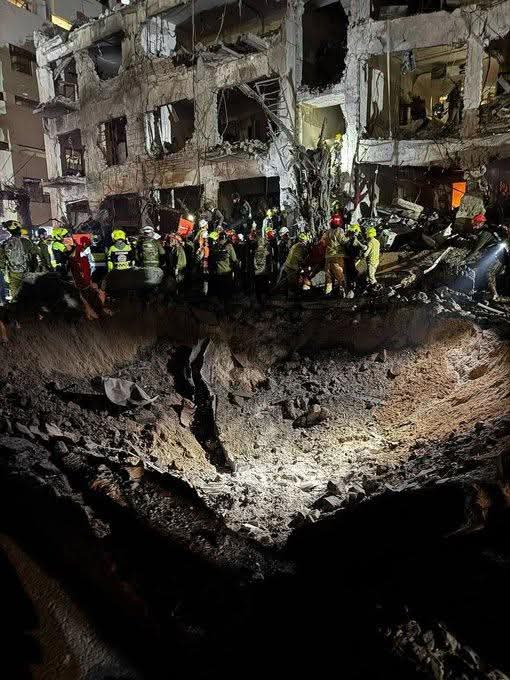
How an Unprovoked Attack on Iran Amid Active Negotiations, Triggered A Regional War and Closure of the Strait of Hormuz United States and Israeli forces initiated coordinated unprovoked strikes against Iranian nuclear and military infrastructure during active negotiations in Geneva, where Omani intermediaries had conveyed cautious optimism following reported Iranian concessions. Targets included enrichment facilities… Continue reading
AI and Digital Control, America, economics, Energy, EUROPE, Financial markets, Foreign Policy, Geopolitics, Global Finance, israel, middle east, NATO, politics, Russia, warballistic missile programme, China energy security, civilian casualties, Geneva nuclear talks, girls school airstrike, global energy markets, great power rivalry, Iran deterrence doctrine, Israel–Iran war, maritime security, Middle East escalation, nuclear dismantlement demands, oil supply disruption, Oman mediation, regional fragmentation strategy, Russia Iran ties, sanctions relief dispute, Strait of Hormuz closure, strike during negotiations, US foreign policy, US–Iran conflict, zero enrichment policy -
War Decided: Who Throws the First Punch
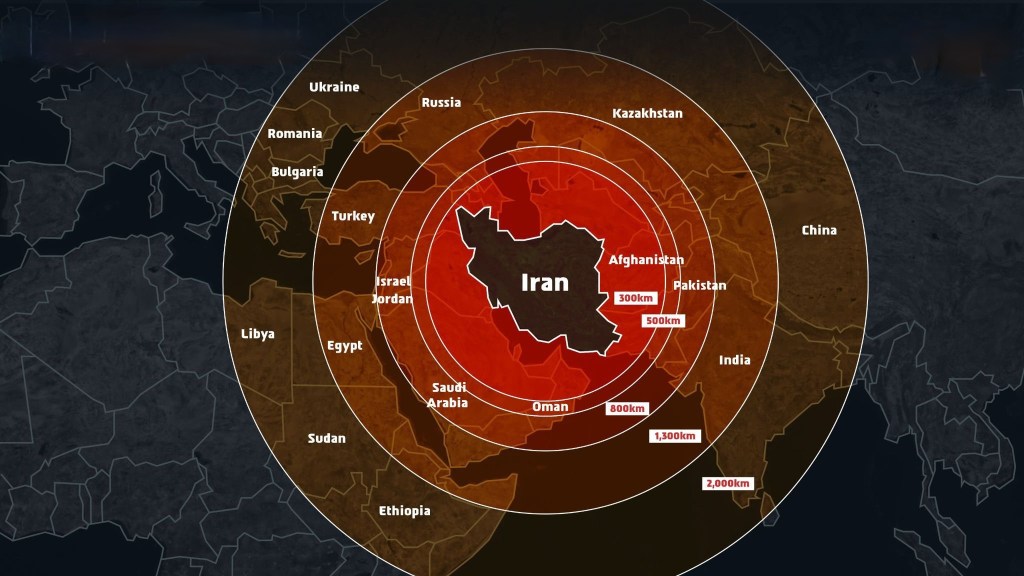
Netanyahu’s Closing Horizon But Washington Prefers Israel to Strike, and How Political Liability Is Being Engineered Before Escalation Senior advisers to President Donald Trump have signalled, in reporting carried by Politico, that an Israeli first strike on Iran would provide a more favourable political predicate for subsequent American entry into war. Officials familiar with internal… Continue reading
AI and Digital Control, America, China, economics, Energy, EUROPE, Financial markets, Foreign Policy, Geopolitics, Global Finance, israel, middle east, Mineral Resources, NATO, politics, reserve currency, warBalkanisation doctrine, bipartisan foreign policy consensus, Brzeziński grand strategy, carrier strike group movements, Chinese satellite intelligence, CM-302 missiles, congressional war authority, F-22 deployment, first strike doctrine, Fordow nuclear facility, Geneva nuclear talks, great power competition, Hezbollah escalation risk, Isfahan nuclear complex, Israel–Iran conflict, Israeli security doctrine, Middle East power realignment, munitions depletion risk, Natanz nuclear site, Netanyahu security architecture, pre-emptive strategy, regime change strategy, Taiwan contingency planning, US foreign policy, US–China strategic rivalry, US–Iran war, USS Gerald R Ford, War Powers Resolution, war sequencing, zero enrichment dispute
