
US foreign policy
-
Indonesia Unrest: From Hormuz to Malacca, the Next Front?

How Washington’s pursuit of maritime dominance, from the Persian Gulf to Southeast Asia, is reshaping the geopolitical fate of the world’s fourth most populous nation and why Jakarta’s modest gestures of independence have already attracted familiar consequences Editorial Analysis | 16 June 2026 The American and Israeli strikes on Iran, launched on 28 February 2026,… Continue reading
-
Reading Between the Lines: Why Rezaee’s CNN Interview Is More About Messaging Than Negotiation
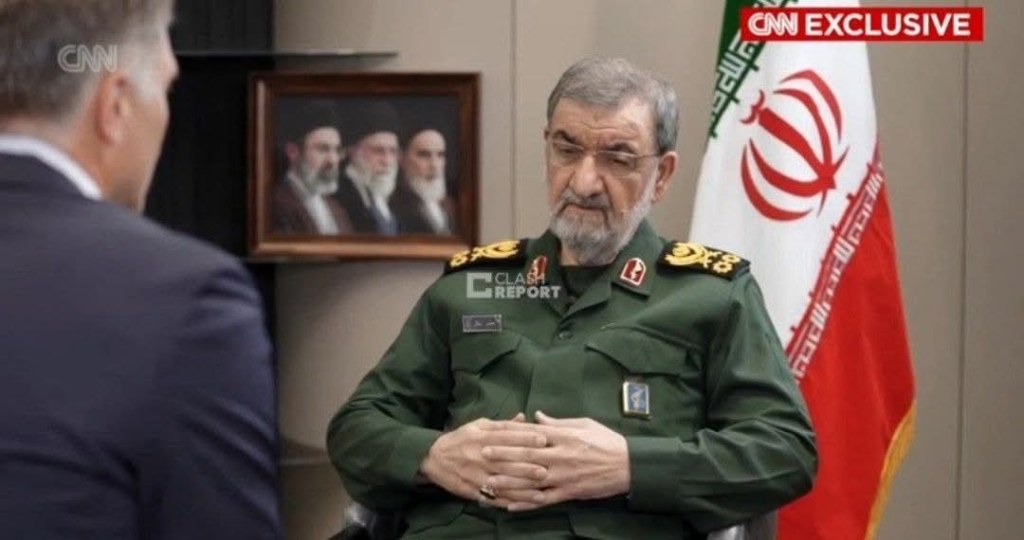
Tehran does not expect negotiations to produce a breakthrough, it wants to shape the narrative around any future escalation My reading of Rezaee’s CNN interview is that it is primarily directed at Western audiences and the cameras, not because Tehran genuinely expects negotiations to produce a breakthrough, but because it wants to shape the narrative… Continue reading
AI and Digital Control, America, Financial markets, Foreign Policy, Geopolitics, Global Finance, imperialism, iran, israel, middle east, Mineral Resources, NATO, neocolonialism, politics, South East Asia, warBab al-Mandab, British Empire Legacy, CNN Interview, Colonial Borders, conflict analysis, diplomacy, escalation, Foreign Affairs, GCC, geopolitical risk, Geopolitics, Geostrategy, Gulf Monarchies, Gulf States, information warfare, international relations, iran, Iran US relations, Long War, maritime security, middle east, Middle East politics, Middle East Transformation, Mohsen Rezaee, multipolar world order, Persian Gulf, political legitimacy, political stability, power projection, Red Sea security, Regime Security, Regional Conflict, Regional Order, Regional Realignment, security studies, state formation, Strategic Affairs, strategic messaging, US foreign policy, West Asia -
The Fractured Crescent
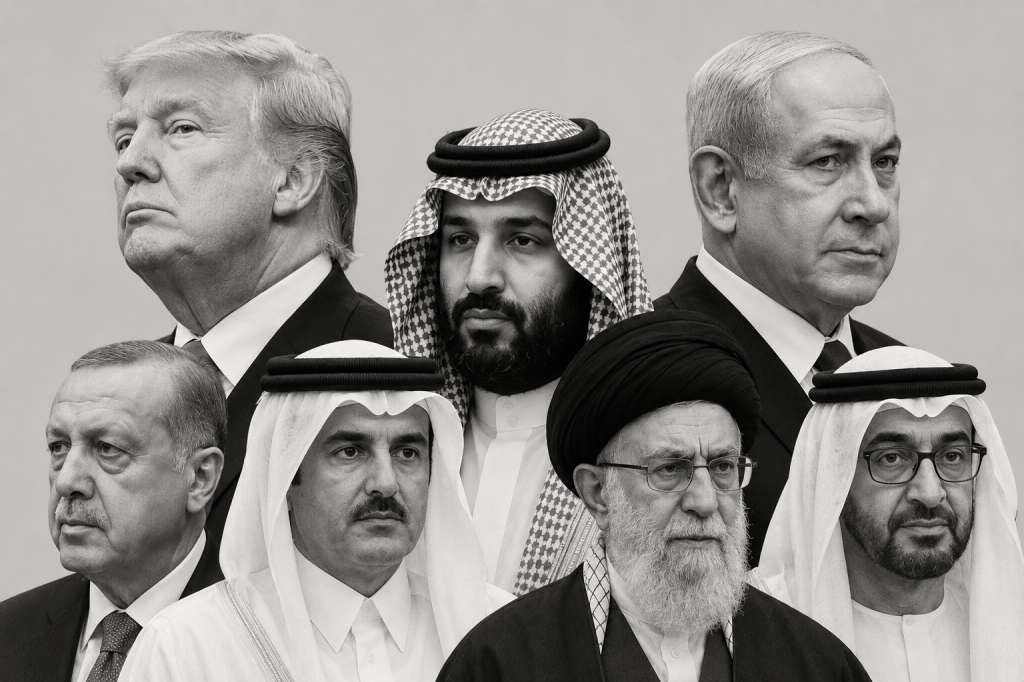
Power, Rivalry and Realignment in the Emerging Middle Eastern Order The Middle East enters another period of strategic transition as assumptions underpinning the regional order during the post-Cold War era face growing pressure from shifting power balances, changing economic realities, military confrontation, and the gradual erosion of uncontested American dominance. Public discussion frequently presents the… Continue reading
AI and Digital Control, America, China, economics, Energy, EUROPE, Financial markets, Foreign Policy, Geopolitics, Global Finance, iran, israel, Latin America, middle east, Mineral Resources, NATO, politics, reserve currency, Russia, South East Asia, warAbraham Accords, energy politics, Eurasia, Gaza War, Geopolitics, Geostrategy, great power competition, Gulf Cooperation Council, Gulf States, iran, israel, middle east, Mohammed bin Salman, Mohammed bin Zayed, multipolarity, Netanyahu, Political Rivalry, power transition, Qatar, Red Sea, regional power shift, Regional Realignment, Saudi Arabia, security architecture, Strait of Hormuz, Strategic Competition, Sudan conflict, Trump, Turkey, US foreign policy, West Asia, Yemen war -
1953 Coup: The Original Sin of US-Iran Relations

The 1953 Anglo-American overthrow of Mohammad Mosaddegh destroyed a democratic nationalist government, and laid the foundations for the anti-Western resistance doctrine drives Tehran’s politics today The modern confrontation between Iran and the United States did not begin with the 1979 Islamic Revolution, the embassy hostage crisis, or the rise of the Islamic Republic under Ayatollah… Continue reading
AI and Digital Control, America, Financial markets, Foreign Policy, Geopolitics, iran, israel, middle east, Mineral Resources, NATO, politics1953 Iranian Coup, Anglo-Iranian Oil Company, anti-imperialism, ayatollah khomeini, BP, BRICS, British Empire, British foreign policy, CIA, CIA Coups, Cold War, Declassified Documents, economic warfare., energy geopolitics, Eurasia, foreign intervention, Geopolitics, Global South, intelligence operations, iran, Iranian Nationalism, Iranian Revolution, Iranian Sovereignty, MI6, middle east, Mohammad Mosaddegh, multipolarity, nationalisation, Oil Politics, Operation Ajax, Petroleum Politics, political Islam, regime change, sanctions, SAVAK, Shah Mohammad Reza Pahlavi, United Kingdom, United States, US foreign policy, US–Iran relations, Western Intervention -
The Plot To Oust Thomas Massie

Record-breaking pro-Israel spending against Thomas Massie exposes the transformation of Republican primaries into enforcement operations for foreign-policy orthodoxy, where lobbying networks, billiona Elections are openly bought in America. The Kentucky primary battle between Thomas Massie and Donald Trump increasingly exposes a deeper fracture inside the American right concerning foreign policy, sovereignty, political capture, and the… Continue reading
AIPAC, America First, American Conservatism, Anti-Interventionism, campaign finance, Congressional Corruption, Congressional Elections, donald trump, Donor Class, Ed Gallrein, Federal Election Commission, Foreign Influence, Foreign Policy Capture, gaza, Interventionism, iran, israel, Israel Lobby, Lindsey Graham, Lobbying Power, MAGA, marco rubio, Marjorie Taylor Greene, Military Aid, Miriam Adelson, Neoconservatism, Paul Singer, political influence, Populism, Pro-Israel Lobbying, Republican Party, Republican Primary, Thomas Massie, tucker carlson, ukraine, US foreign policy, US politics, Washington Establishment -
Kagan and Boot: The Guilty Are Writing the Verdict (Extended Version)
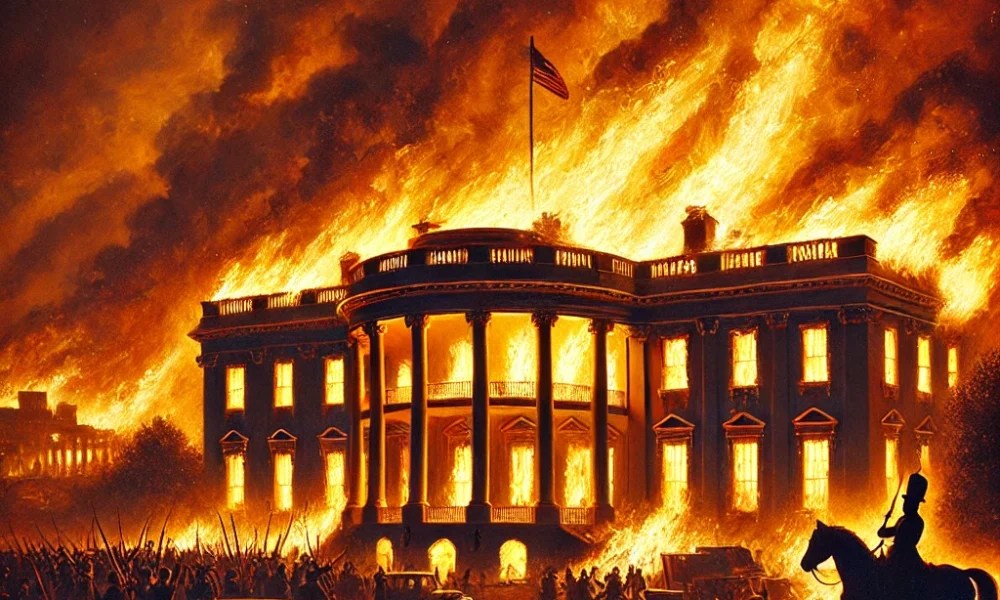
From Tehran to Taiwan: The Men Who Built America’s Empire Are Now Writing Its Autopsy The extraordinary significance of the Max Boot interview with former CIA analyst John Culver does not rest merely in the military assessments themselves, severe as they already appear. The deeper significance rests in who is speaking, where they are speaking,… Continue reading
AI and Digital Control, America, China, East Africa, economics, Energy, Financial markets, Foreign Policy, Geopolitics, Global Finance, iran, israel, NATO, politics, reserve currency, warAmerican decline, American empire, American Power, Atlanticism, Belt and Road Initiative, China, containment strategy, de-dollarisation, defence policy, empire, energy politics, Eurasia, Eurasian integration, Geopolitics, Geostrategy, global hegemony, global order, great power competition, imperial overstretch, Indo-Pacific, Indo-Pacific strategy, Industrial Capacity, international relations, iran, John Culver, maritime power, Max Boot, military industrial complex, Military Primacy, military strategy, multipolar world order, NATO, Neoconservatism, petrodollar, political economy, Project for the New American Century, Robert Kagan, Russia, sanctions, South China Sea, Strait of Hormuz, Strategic Competition, Strategic Decline, taiwan, Taiwan Strait, Ukraine war, unipolarity, US foreign policy, US Hegemony, US Navy, US-China relations, Washington Consensus, West Asia -
The Unipolar Machine: Structure of Unipolar Warfare
A Geopolitical Analysis of the United States Senate Hearing on Indo-Pacific Command, April 2026 – (Part One) For most people who follow international affairs, the daily news cycle provides a sense of orientation. Headlines announce wars, peace talks, diplomatic summits, and military mobilisations. Politicians stand behind lecterns and speak of freedom, democracy, and the defence… Continue reading
AI and Digital Control, America, China, economics, Energy, EUROPE, Financial markets, Foreign Policy, Geopolitics, Global Finance, iran, israel, middle east, Mineral Resources, NATO, politics, reserve currency, warAmerican decline, BYD versus Tesla, China containment, energy blackmail, energy war, hellscape strategy, Indo-Pacific Command, LNG decoupling, military industrial complex, Nord Stream, Orwellian language, permanent war, proxy warfare, Senate hearing 2026, South Korea, taiwan, Ukraine template, unipolarity, US foreign policy, wood chipper doctrine -
The Unipolar Machine: Evidence and the Future

A Geopolitical Analysis of the United States Senate Hearing on Indo-Pacific Command, April 2026 – (Part Two) The fifth and most disturbing pattern in the testimony was the explicit preparation for a future war with China. Admiral Paparo described the Indo-Pacific Command as an AI-powered headquarters racing to achieve decision superiority over Beijing. General Brunson… Continue reading
AI and Digital Control, America, China, economics, Energy, EUROPE, Financial markets, Foreign Policy, Geopolitics, Global Finance, iran, israel, middle east, NATO, politics, Russia, warAmerican decline, BYD versus Tesla, China containment, energy blackmail, energy war, hellscape strategy, Indo-Pacific Command, LNG decoupling, military industrial complex, Nord Stream, Orwellian language, permanent war, proxy warfare, Senate hearing 2026, South Korea, taiwan, Ukraine template, unipolarity, US foreign policy, wood chipper doctrine -
Israel as Distraction, China as Target: The Structure of an Emerging Systemic War
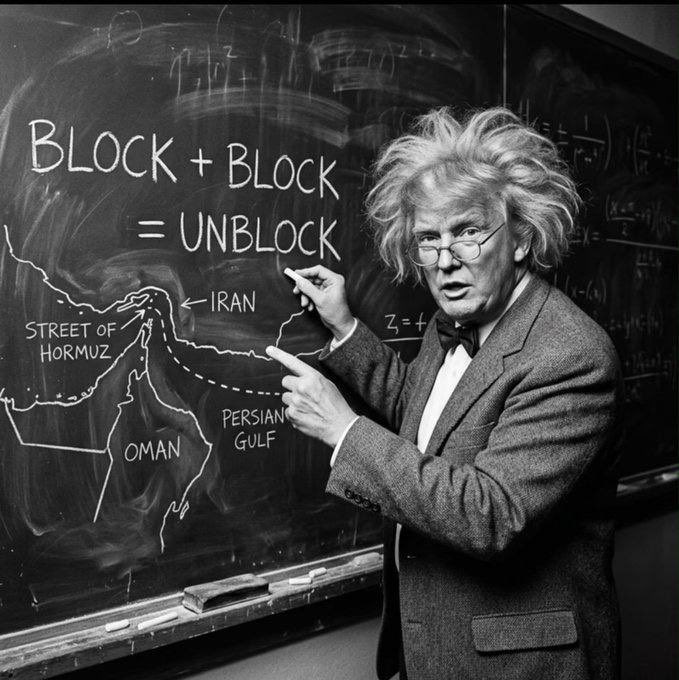
How regional conflict obscures a larger strategy targeting China’s economic lifelines Something has already changed in the way power is organised, though it is rarely put plainly. The pattern of events still looks familiar, which is why it is easy to miss. Military movements in the Middle East are usually explained in terms of local… Continue reading
AI and Digital Control, America, China, economics, Energy, EUROPE, Financial markets, Foreign Policy, Geopolitics, Global Finance, iran, israel, middle east, Mineral Resources, NATO, politics, reserve currency, Russia, waranti-access area denial, blockade strategy, China containment, coercive diplomacy, economic warfare., energy security, Game Theory, Geopolitics, global trade routes, grand strategy, great power competition, hegemonic stability, Indo-Pacific strategy, international relations theory, iran, Marine Corps restructuring, maritime chokepoints, Middle East conflict, military doctrine, multipolar world order, naval strategy, political economy, resource control, Russia-China relations, strategic encirclement, supply chain security, systemic war, US foreign policy -
A War on Iran, A Strategy Against China
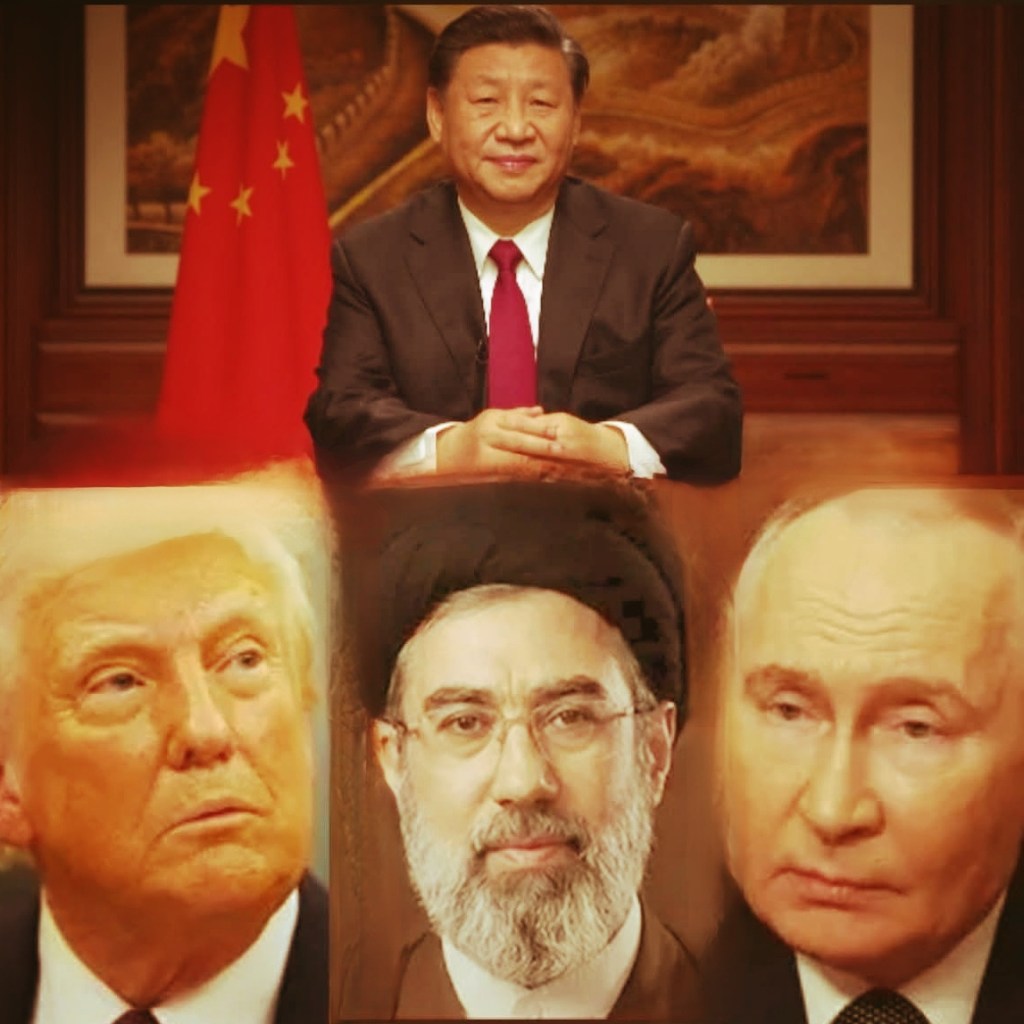
United States policy toward Iran reflects a broader strategy of energy control aimed at constraining China and maintaining systemic primacy The escalation of United States military and economic pressure against Iran must be understood within a broader strategic framework in which energy flows, maritime chokepoints, and financial systems intersect with long-term competition between major powers,… Continue reading
AI and Digital Control, America, China, economics, Energy, EUROPE, Financial markets, Foreign Policy, Geopolitics, Global Finance, iran, israel, middle east, Mineral Resources, NATO, politics, reserve currency, Russia, warBelt and Road Initiative, China containment, CPEC, de-dollarisation, economic warfare., energy geopolitics, energy security, financial systems, Geopolitics, global energy markets, global trade networks, great power rivalry, Iran conflict, maritime chokepoints, military strategy, multipolar world order, naval power, political economy, reserve currency, Russia-China relations, sanctions, Strait of Hormuz, Strategic Competition, supply chains, US foreign policy, US primacy
