
Carribean
-
The Security Council’s Selective Condemnation of Iran
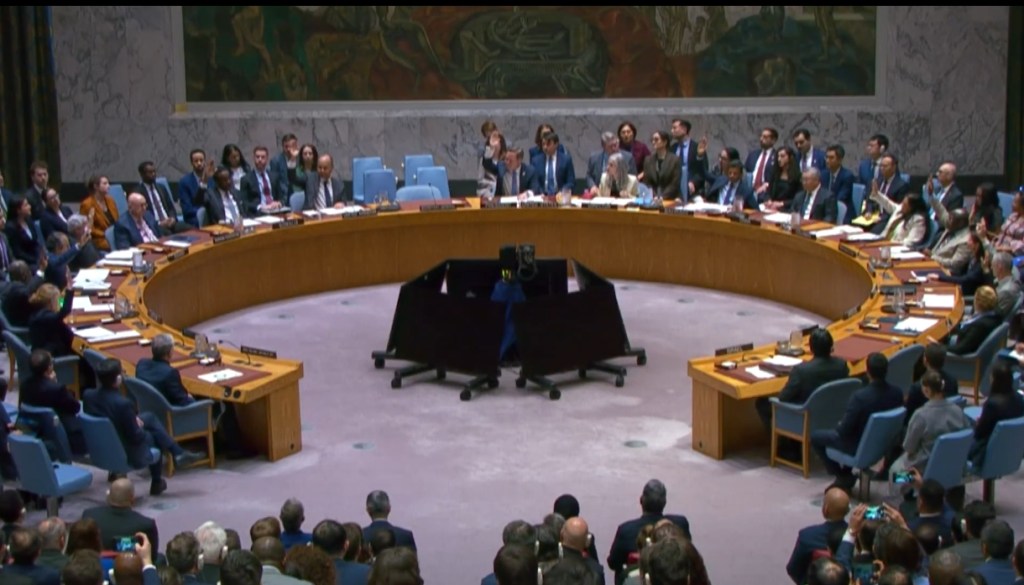
How the UN Resolution on Iran Omitted the Origins of the Conflict and Reflected the Politics of Power The resolution adopted by the United Nations Security Council condemning Iran’s military actions across the Gulf has been presented as a clear statement in defence of regional stability. Yet the circumstances surrounding the vote raise serious questions… Continue reading
AI and Digital Control, America, Carribean, East Africa, economics, Energy, EUROPE, Financial markets, Foreign Policy, Geopolitics, iran, israel, middle east, NATO, politics, Russia, warasymmetric warfare, Condemnation, Drone Warfare, economic disruption, economic warfare., energy security, geopolitical economy, geopolitical strategy, global energy markets, Gulf security, international diplomacy, iran, israel, Middle East geopolitics, military strategy, missile warfare, oil markets, sanctions, Strait of Hormuz, strategic deterrence, UN Resolution, UN Security Council, United Nations, United States, war of attrition, war termination -
Nuclear Transfer Allegations and Black Sea Sabotage Claims Raise Direct NATO-Russia Confrontation Risk

Russian claims of covert nuclear transfers to Ukraine and Black Sea pipeline sabotage point to escalation risks beyond conventional war, with consequences for non-proliferation and EU energy security Recent statements from Vladimir Putin and Russia’s Foreign Intelligence Service have introduced allegations that certain NATO members are considering the covert transfer of nuclear weapons components to… Continue reading
-
U.S. Blockade of Nicolás Maduro’s Legal Defense: A Breach of Sovereignty and Rights

How U.S. Actions Against Maduro and Assange Reflect a Broader Strategy of Political Interference The United States’ decision to block Venezuela from paying for President Nicolás Maduro’s legal defense reflects broader patterns of interference in the sovereignty of nations, and raises fundamental concerns about human rights, international law, and fairness in legal processes. This action,… Continue reading
-
BRICS needs strategic maritime cooperation – Putin aide

Why BRICS is moving toward maritime cooperation and why it has not become a military alliance Cooperation between the navies of member countries would help protect sea lanes, Nikolay Patrushev has said,speaking to Argumenty i Fakty (meaning “arguements and facts” ), a Russian weekly newspaper. ‘Our key task is building a multipolar order at sea.… Continue reading
-
On the Menu at Last
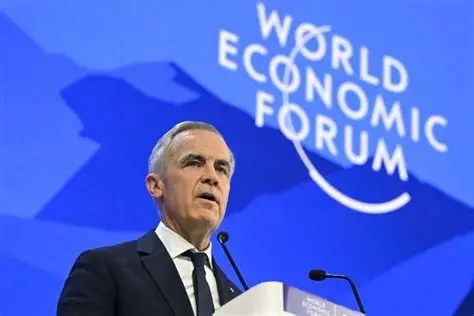
Mark Carney, Davos, and the Open Admission of Western Imperial Hypocrisy That Exposed the Conditional Morality of Western Power The speech delivered by Canada’s Prime Minister Mark Carney at the World Economic Forum in Davos warrants close scrutiny not for its surface-level defiance, but for the structural admissions it contains regarding Western power, hierarchy, and… Continue reading
-
Power Without Restraint in Defence of Dollar Primacy
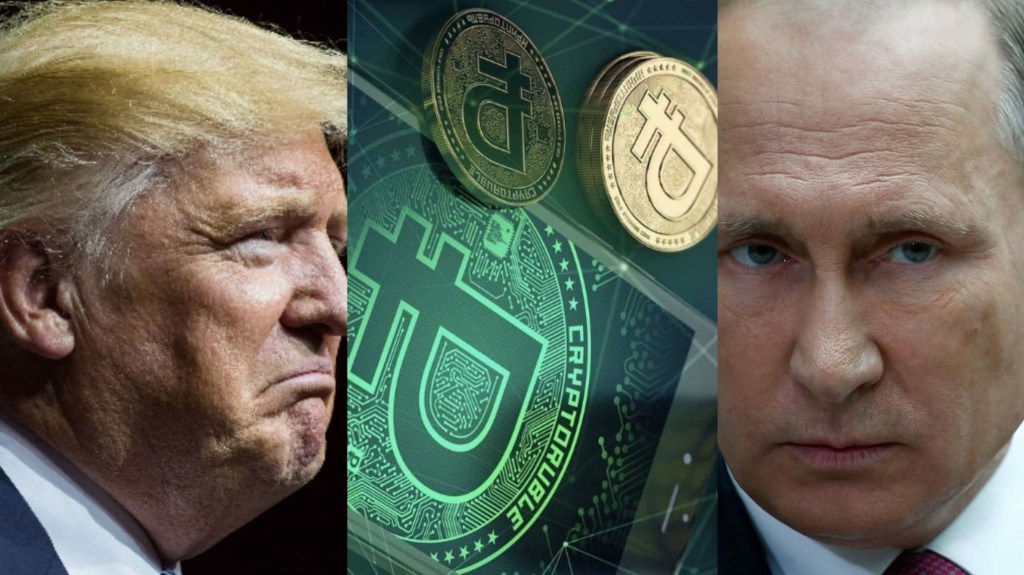
Resource control, dollar primacy, and the costs of discarding realism The recent pattern of United States behaviour towards Venezuela, Cuba, Colombia, Iran, and even Greenland reflects a continuity in coercive statecraft rooted in resource control, financial dominance, and regime pressure rather than isolated rhetorical excess. The kidnapping of Venezuelan President Nicolás Maduro, described in United… Continue reading
-
The Myth of the Peaceful Era: Conflict as a Permanent Feature of Global Order
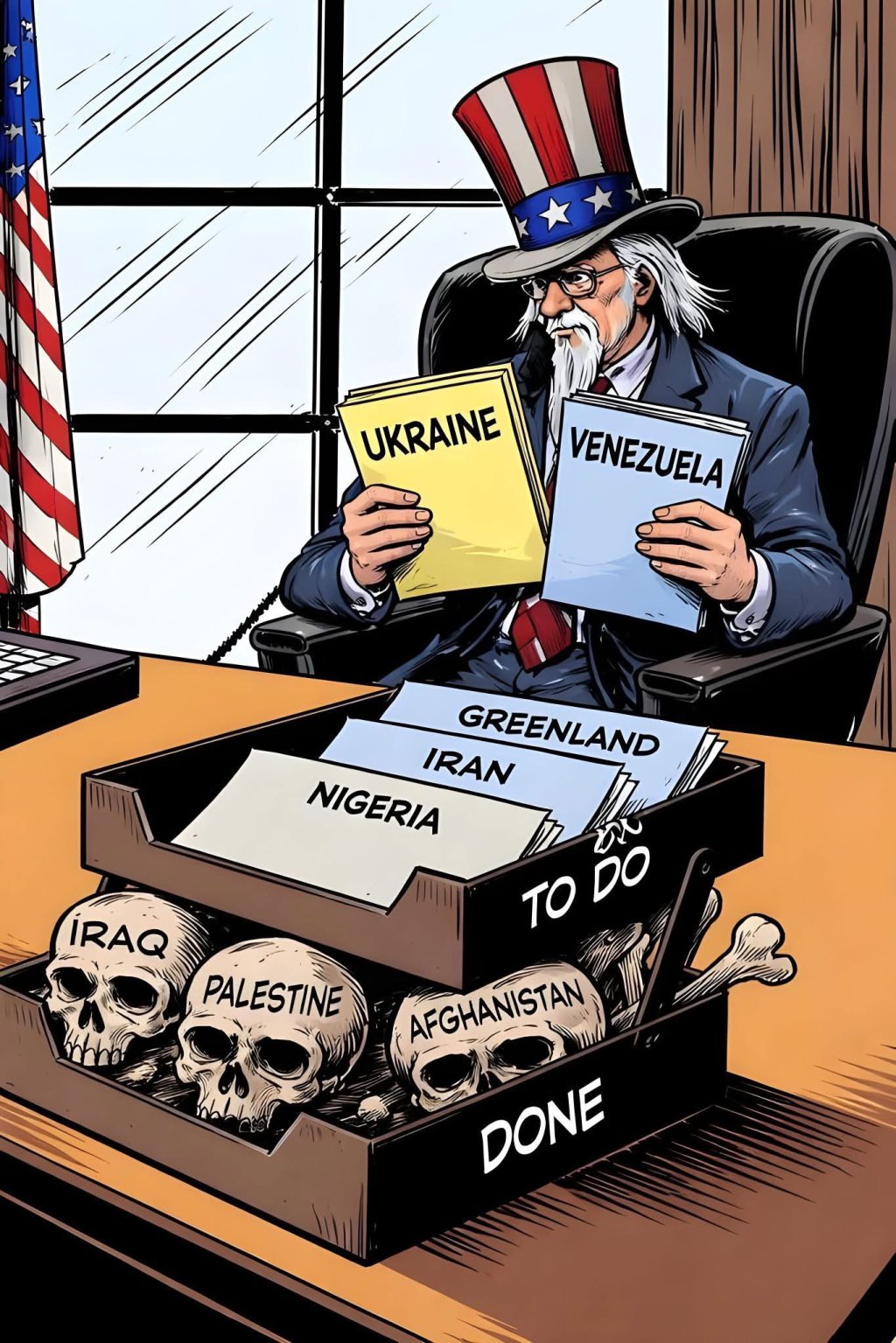
Conflict persistence from empire to unipolarity in a long view of organised violence The modern international system shows persistent armed conflict across centuries, with no decade entirely free from warfare across regions. Historical datasets covering roughly three thousand five hundred years record only about two hundred sixty eight years without major wars. These figures align… Continue reading
-
Brazil’s Venezuela Veto: A Strategic Miscalculation in face of the U.S. Security Pivot
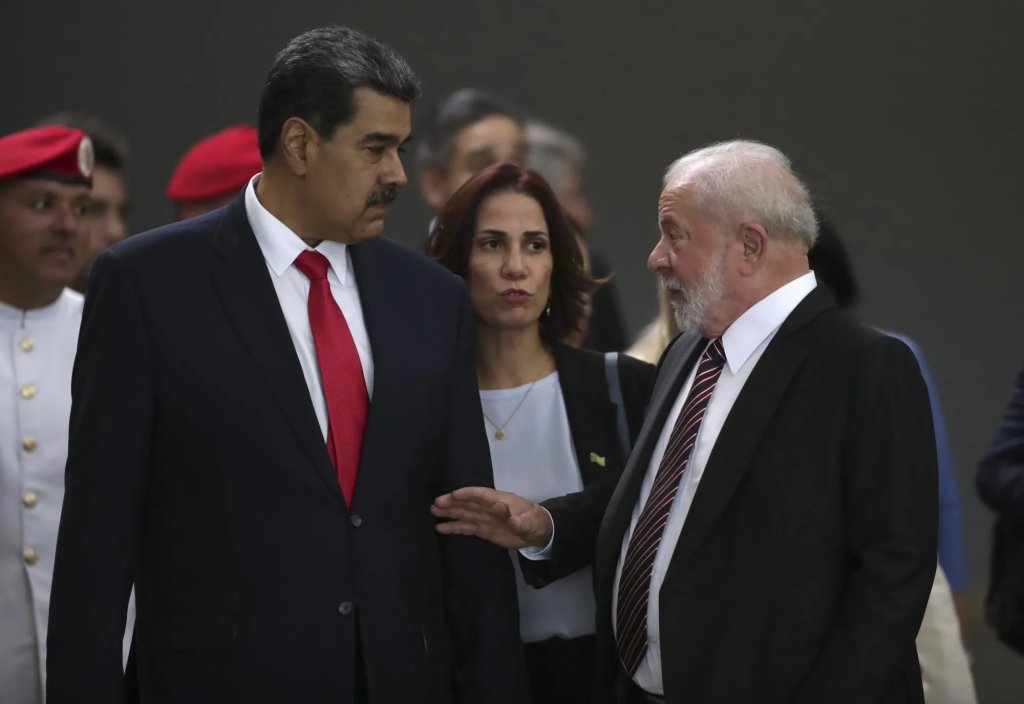
How blocking Venezuela reshaped BRICS cohesion and weakened Brazil’s strategic position amid renewed U.S. regional dominance The decision by Luiz Inácio Lula da Silva to veto Venezuela’s accession to BRICS occurred during a period when United States strategic doctrine had already shifted back toward hemispheric control. Senior figures within United States defence planning circles had… Continue reading
-
US Gangsterism at Sea: The Pursuit of Marinera and the Return of Gunboat Enforcement
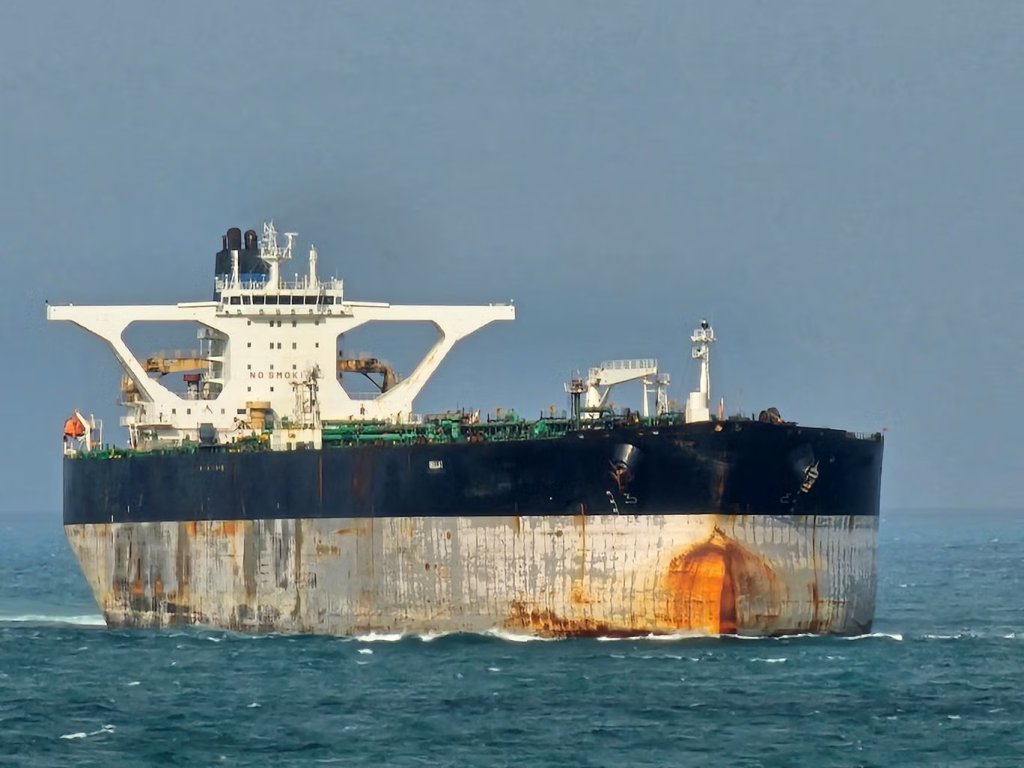
The legal and strategic consequences of American piracy, coercive power beyond the UN Charter, and the erosion of international maritime law The pursuit of the oil tanker formerly known as Bella 1 illustrates a form of maritime coercion that sits outside any recognised mandate under international law. The episode concerns a sanctioned commercial vessel carrying… Continue reading
-
Maduro Removal In Defence of the Petrodollar System and Energy Dominance
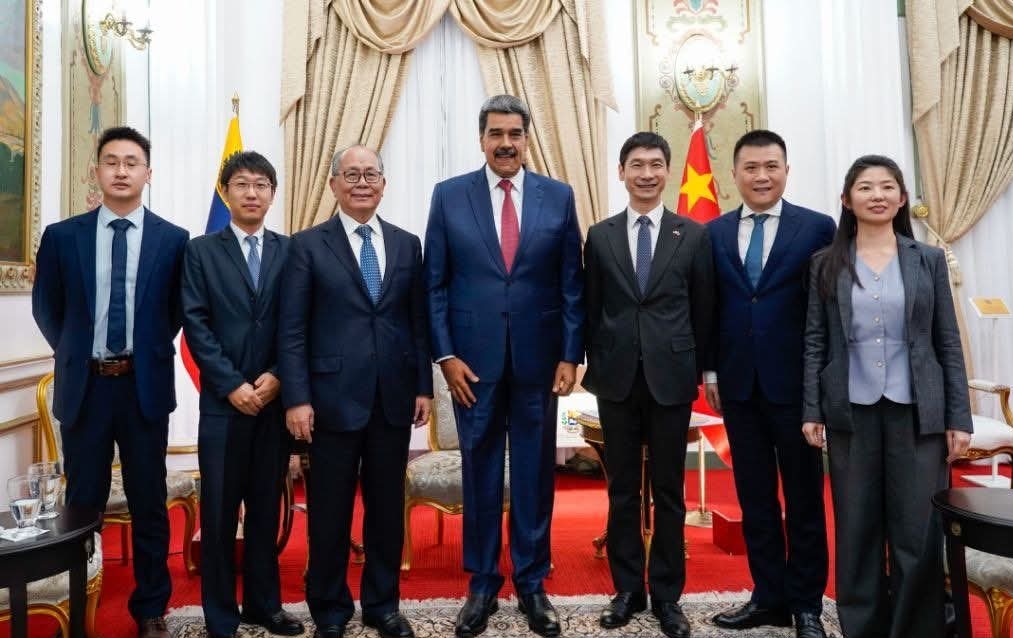
How energy control sustains petrodollar power against multipolar challengers, China, Russia, BRICS expansion, and alternative payment systems The removal of Venezuela’s head of state formed part of a broader contest over the architecture of global payments, energy settlement, and monetary hierarchy. The operation did not arise from humanitarian urgency, democratic reform, or governance failure. Strategic… Continue reading
