
China
-
War Decided: Who Throws the First Punch
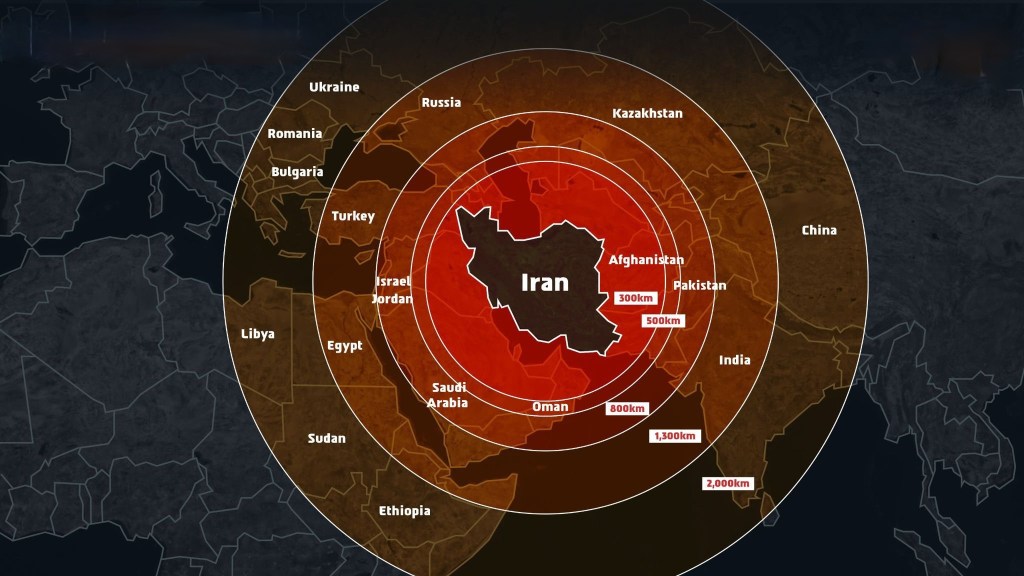
Netanyahu’s Closing Horizon But Washington Prefers Israel to Strike, and How Political Liability Is Being Engineered Before Escalation Senior advisers to President Donald Trump have signalled, in reporting carried by Politico, that an Israeli first strike on Iran would provide a more favourable political predicate for subsequent American entry into war. Officials familiar with internal… Continue reading
AI and Digital Control, America, China, economics, Energy, EUROPE, Financial markets, Foreign Policy, Geopolitics, Global Finance, israel, middle east, Mineral Resources, NATO, politics, reserve currency, warBalkanisation doctrine, bipartisan foreign policy consensus, Brzeziński grand strategy, carrier strike group movements, Chinese satellite intelligence, CM-302 missiles, congressional war authority, F-22 deployment, first strike doctrine, Fordow nuclear facility, Geneva nuclear talks, great power competition, Hezbollah escalation risk, Isfahan nuclear complex, Israel–Iran conflict, Israeli security doctrine, Middle East power realignment, munitions depletion risk, Natanz nuclear site, Netanyahu security architecture, pre-emptive strategy, regime change strategy, Taiwan contingency planning, US foreign policy, US–China strategic rivalry, US–Iran war, USS Gerald R Ford, War Powers Resolution, war sequencing, zero enrichment dispute -
Nuclear Transfer Allegations and Black Sea Sabotage Claims Raise Direct NATO-Russia Confrontation Risk

Russian claims of covert nuclear transfers to Ukraine and Black Sea pipeline sabotage point to escalation risks beyond conventional war, with consequences for non-proliferation and EU energy security Recent statements from Vladimir Putin and Russia’s Foreign Intelligence Service have introduced allegations that certain NATO members are considering the covert transfer of nuclear weapons components to… Continue reading
-
When Secrecy Fails: How the 20 February 2026 Intelligence Leak Undermined US Strike Plans
Russian intelligence exposure of United States strike operational plans, combined with Chinese satellite tracking, forced asset redeployment and a recalculation of escalation dynamics. Russian intelligence penetration on 20 February 2026 exposed a fully developed American strike architecture that envisioned an opening salvo of roughly 400 cruise and ballistic missiles, coordinated bomber sorties, electronic suppression of… Continue reading
AI and Digital Control, America, China, economics, Financial markets, Foreign Policy, Geopolitics, Global Finance, israel, NATO, politics, Russia, war20 February 2026, China satellite surveillance, deterrence dynamics, escalation risk, Gulf geopolitics, intelligence exposure, Iranian defence doctrine, Middle East military strategy, military asset dispersal, missile salvo, multipolar alignment, operational transparency, Russia naval presence, Strait of Hormuz, US Iran intelligence leak, US military posture, US strike plans -
Convergence in the Persian Gulf
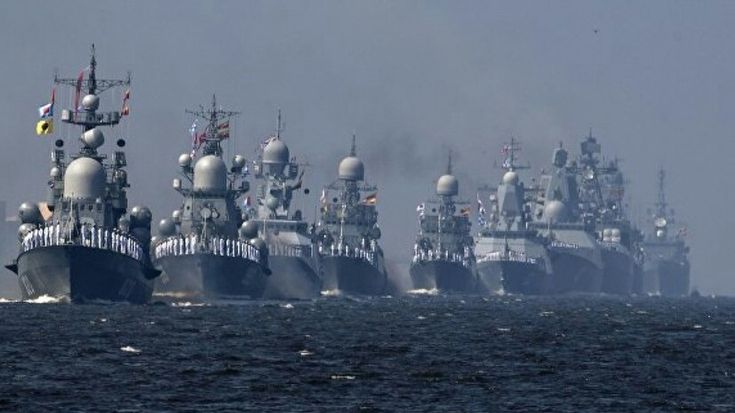
Convergence among Iran, China, and Russia in the Strait of Hormuz alters American risk calculations, though it does not remove the structural capacity of the United States to initiate military action. American primacy in the Strait of Hormuz rests upon a maritime doctrine shaped by Alfred Thayer Mahan’s classic argument that control of sea lanes… Continue reading
AI and Digital Control, China, economics, Energy, EUROPE, Financial markets, Foreign Policy, Geopolitics, Global Finance, israel, middle east, Mineral Resources, NATO, politics, Russia, warasymmetric warfare, BRICS, China, deterrence theory, energy security, Eurasian integration, Fifth Fleet, financial warfare, great power competition, Gulf geopolitics, iran, Maritime Security Belt, multipolarity, naval strategy, Persian Gulf, Russia, sanctions, sea power, Strait of Hormuz, United States Navy -
Cuba in the Face of Economic Blockade

Economic coercion, financial dominance, regime change policy, and Cuban state resilience within a prolonged asymmetric conflict For more than six decades the United States has maintained a comprehensive system of economic coercion against Cuba that began under Dwight D. Eisenhower and was consolidated under John F. Kennedy following the failed invasion at the Bay of… Continue reading
AI and Digital Control, China, economics, Energy, Financial markets, Foreign Policy, Geopolitics, NATO, politics, Russia, warCaribbean geopolitics, Center for a Free Cuba, chaos theory, Cuba, Cuban health system, Cuban Revolution, dollar hegemony, economic blockade, economic sanctions, extraterritorial sanctions, financial warfare, Game Theory, humanitarian impact of sanctions, lobbying influence, madman theory, maritime interdiction, National Endowment for Democracy, neoliberalism, Non-Aligned Movement, Office of Foreign Assets Control, Oil Tanker Seizures, regime change policy, secondary sanctions, Sovereignty, United Nations General Assembly votes on Cuba, United States, US-Cuba Democracy PAC, US–Cuba relations, weaponised interdependence -
BRICS needs strategic maritime cooperation – Putin aide

Why BRICS is moving toward maritime cooperation and why it has not become a military alliance Cooperation between the navies of member countries would help protect sea lanes, Nikolay Patrushev has said,speaking to Argumenty i Fakty (meaning “arguements and facts” ), a Russian weekly newspaper. ‘Our key task is building a multipolar order at sea.… Continue reading
-
Marco Declares Colonialist War on the Global South
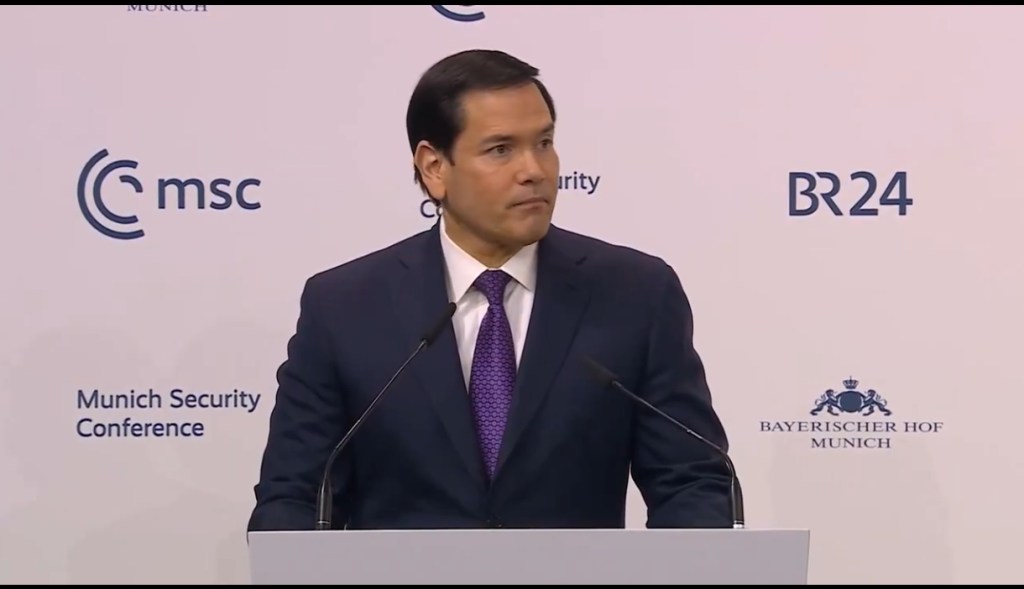
Marco Rubio’s Munich Declaration of Colonial Revivalism amid the Crisis of Western Primacy and the Rise of the Global South Marco Rubio used the Munich Security Conference to present a civilisational argument grounded in imperial expansion and Western dominance. He declared that “for five centuries, before the end of the Second World War, the West… Continue reading
-
Russian Foreign Policy in a Fragmenting OrderLavrov at the State Duma and the Structure of Multipolar PowerInstitutional Continuity under Strategic Pressure
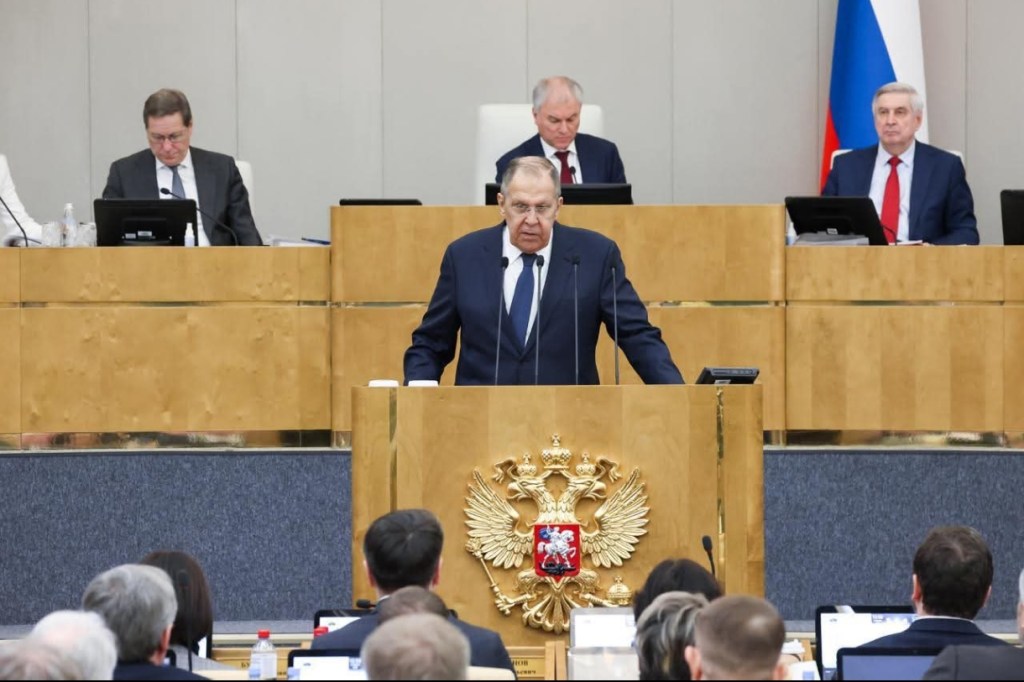
An opinion analysis of Russia’s systemic positioning amid global realignmentSecurity, law, and sovereignty in contemporary Russian diplomacy Foreign Minister Sergey Lavrov used the State Duma hearing to present a coherent account of Russian foreign policy under conditions described as structural change rather than episodic crisis. The remarks framed current conflicts as consequences of an exhausted… Continue reading
-
Trump’s Tariffs Backfired and Weakened Economic Power
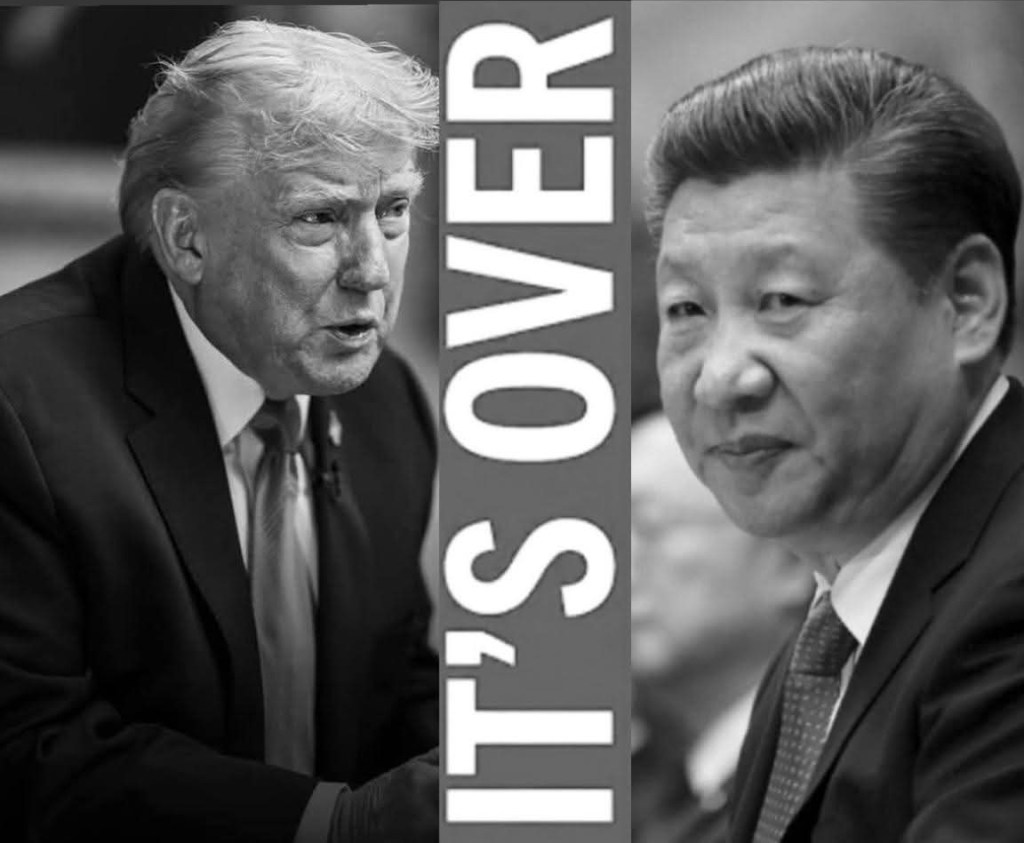
The Burdem of United States Trade Policy Failure Fell on American Consumers, Firms, Allies, and Markets The reintroduction and expansion of United States tariffs under the Trump administration formed the centrepiece of a strategy publicly presented as economic nationalism, strategic leverage, and industrial revival. The policy failed on each stated objective while imposing measurable domestic… Continue reading
-
The West v. East GeoEconomic Warfare For Financial Primacy
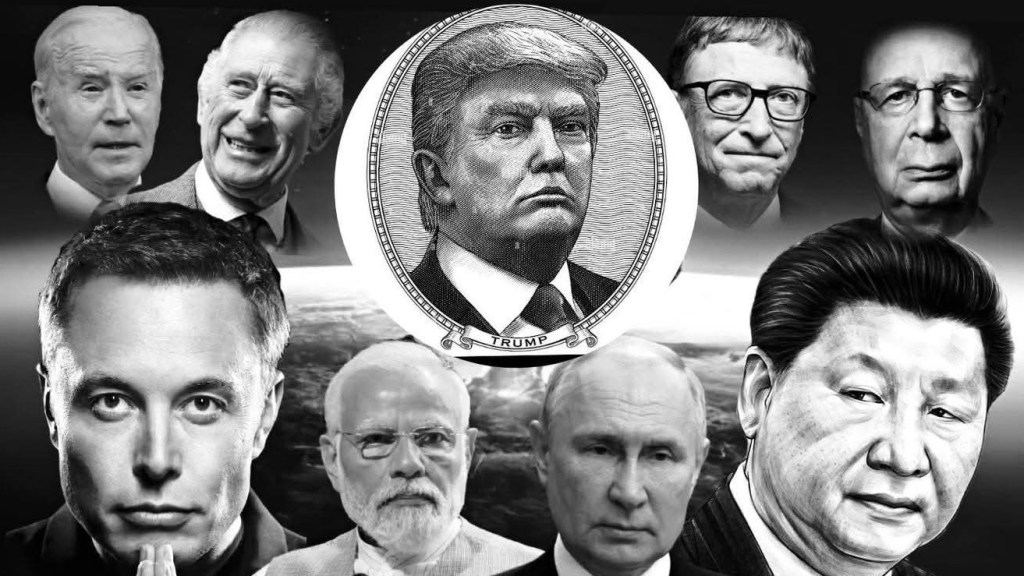
Monetary Systems, Power, and the Struggle to Shape and Control the Global Order for the Coming Generations West versus East; it is a war, for now, a smart kind of war, but one that results in a “permanent fragmentation” of the global financial architecture. This architecture that evolved after the Second World War rested upon… Continue reading
AI and Digital Control, America, China, economics, EUROPE, Financial markets, Foreign Policy, Geopolitics, Global Finance, israel, middle east, Mineral Resources, NATO, politics, reserve currency, Russia, South East Asia, warCBERS, chaos theory, Eastern Financial Systems, Economic Security, financial warfare, Game Theory, Geoeconomics, Global Finance, Gold Markets, Industrial Capacity, Minsky, Monetary sovereignty, Physical vs Paper Assets, reserve currency, sanctions, Silver Markets, Strategic Competition, Sun Tzu, SWIFT, US Dollar Dominance, West vs East
