
iran
-
The Pretend World and Manufactured Fear
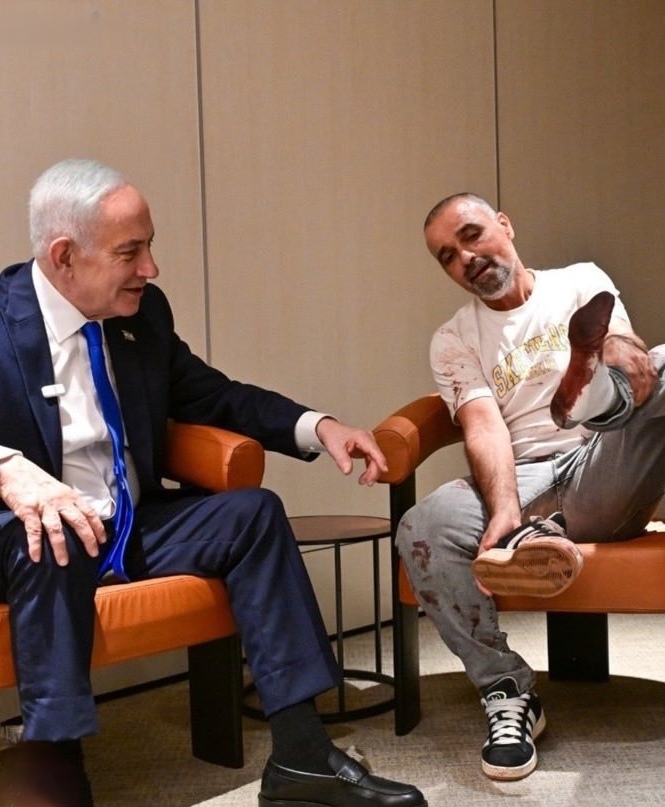
How False Flags, Covert Operations and Manufactured Fear Shape the Stories We Are Told General Article | October 2026 In 2024, a former Mossad agent appeared on 60 Minutes and described the way intelligence operations create what he called a “pretend world”. He explained that they are a global production company, writing the screenplay, directing… Continue reading
AI and Digital Control, America, bond market, China, covid pandemic, economics, Energy, EUROPE, Financial markets, Foreign Policy, Geopolitics, Global Finance, imperialism, iran, israel, middle east, NATO, politics, warBritain, CIA, covert operations, covert warfare, false flags, Geopolitics, information warfare, intelligence agencies, intelligence operations, iran, israel, Lavon Affair, manufactured fear, manufactured narratives, MI5, middle east, Mossad, Operation Northwoods, political deception, political manipulation, propaganda, psychological warfare, Saudi Arabia, state deception, United States -
The Empire’s Exit as Iraqi Resistance Forced America Out and Exposed the Lie of Victory
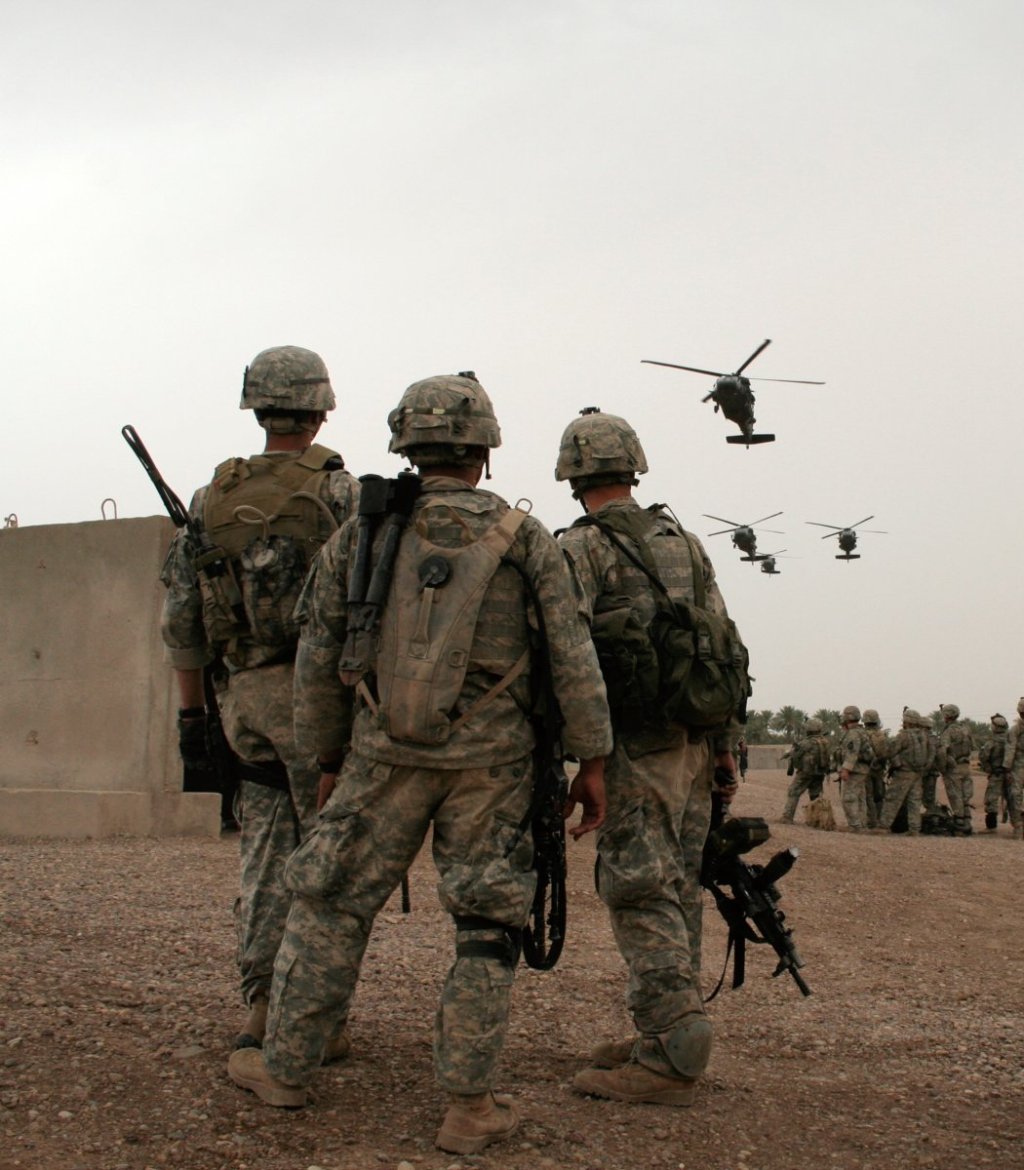
Trump’s withdrawal announcement is not a triumph but a retreat, and the mechanisms of American power that remain reveal both the limits of military occupation and the durability of financial and intelligence coercion mechanisms Editorial Analysis | October 2026 The claim by Donald Trump that the withdrawal of American troops from Iraq constitutes a victory,… Continue reading
-
The Empire’s Exit as Iraqi Resistance Forced America Out and Exposed the Lie of Victory
Trump’s withdrawal announcement is not a triumph but a retreat, and the mechanisms of American power that remain reveal both the limits of military occupation and the durability of financial and intelligence coercion mechanisms Editorial Analysis | October 2026 The claim by Donald Trump that the withdrawal of American troops from Iraq constitutes a victory,… Continue reading
-
The Empire’s Exit as Iraqi Resistance Forced America Out and Exposed the Lie of Victory
Trump’s withdrawal announcement is not a triumph but a retreat, and the mechanisms of American power that remain reveal both the limits of military occupation and the durability of financial and intelligence coercion mechanisms Editorial Analysis | October 2026 The claim by Donald Trump that the withdrawal of American troops from Iraq constitutes a victory,… Continue reading
-
The Digital Break – How Weaponised Interdependence Is Ending the American Tech Empire

From the Hague to Beijing, from Moscow to Paris, the world is dismantling its dependence on American software, hardware, and payment systems, and the weaponisation of these platforms has made the transition irreversible Editorial Analysis | October 2026 The decision by the Dutch government to create its own digital work environment based on the Dutch… Continue reading
-
Iran Wrote a Letter to the American People. Here’s What It Says.
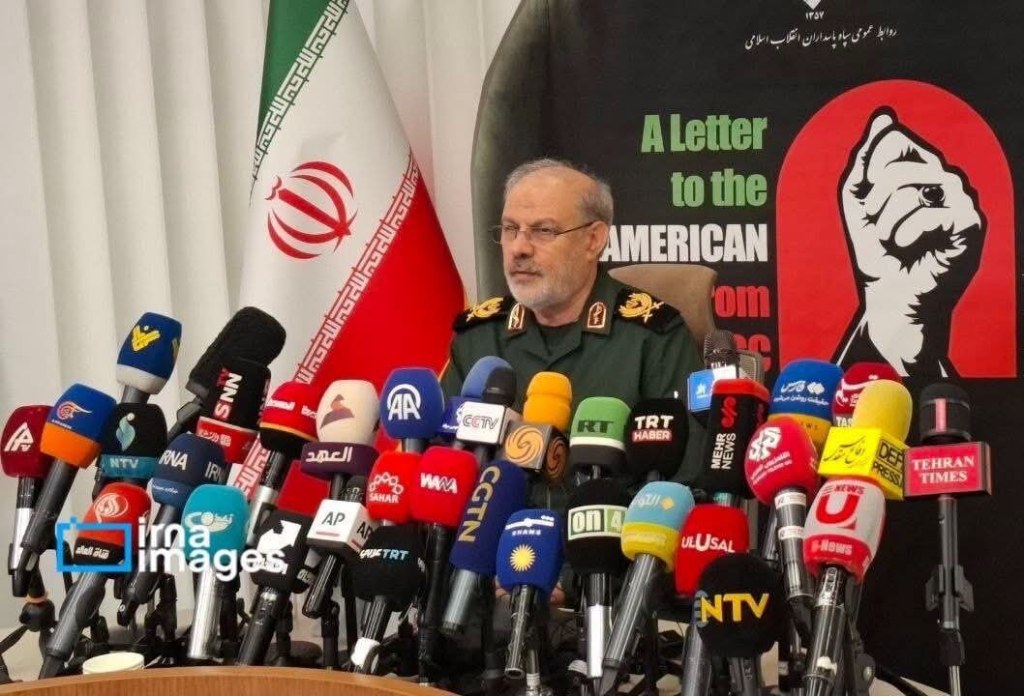
How Iran is trying to build a constituency for peace inside the United States and why its claims about war, poverty, and presidential wealth deserve to be read Editorial Analysis |September 2026 The decision by Brigadier General Mohebbi of the Iranian Revolutionary Guard to address the American people directly rather than communicating through diplomatic channels… Continue reading
-
Iranian President’s Open Letter to the American People
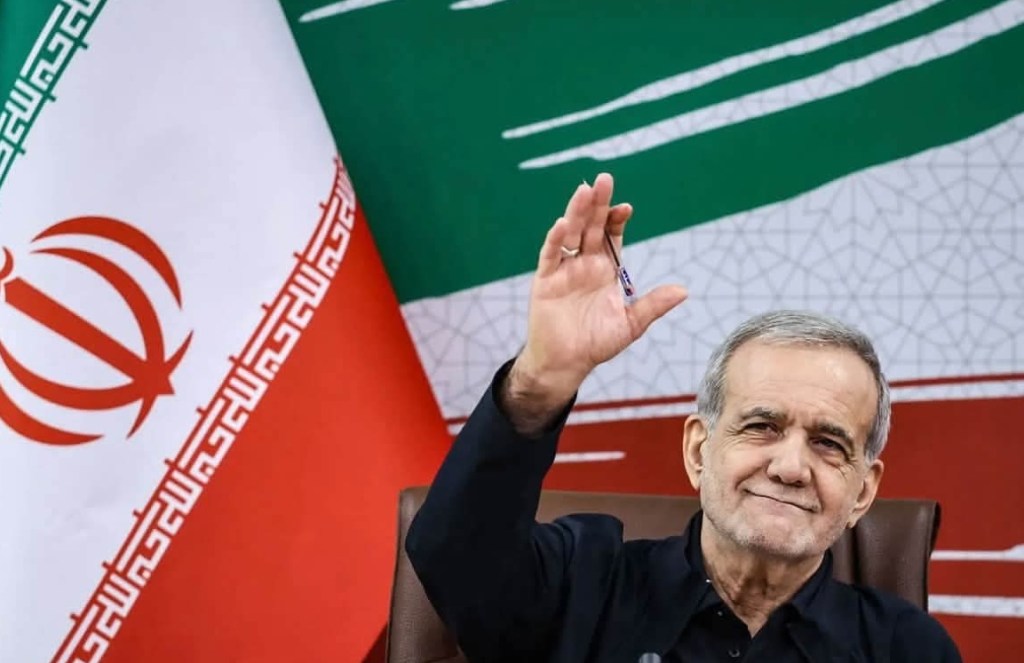
Iran asks America: Is this war really “America First” This is an open letter Iran’s President published to the American people. It is worth reading. To the people of the United States of America, and to all those who, amid a flood of distortions and manufactured narratives, continue to seek the truth and aspire to… Continue reading
-
The Right to Comfort: White Supremacy, Zionism, and the Policing of Palestinian Solidarity

How the cultural machinery of settler colonialism mobilises discomfort as a weapon against truth, and why solidarity requires the redistribution of safety rather than its monopolisation by the powerful Editorial Analysis | September 2026 The right to comfort operates as one of the most insidious characteristics of white supremacist culture because it disguises the protection… Continue reading
-
Palestinians Didn’t Need This NAZA Film – But I Still Want It Seen

Why the testimony of those inside the machinery of violence still matters General Opinion | September 2026 I found the post by Daniel Mate below important in triggering a useful discussion on the plight of the indegenous people of occupied Palestine. Their voices have been significantly suppressed by the weight of the whole apartheid machinery… Continue reading
AI and Digital Control, America, bond market, China, economics, Energy, EUROPE, Financial markets, Foreign Policy, Geopolitics, Global Finance, iran, israel, japan, knowledge, middle east, Mineral Resources, NATO, politics, Russia, waraccountability, Ali Abunimah, antisemitism, breaking the siege, cancel culture, censorship, Daniel Maté, documentary film, Ed Sheeran, freedom of speech, gaza, Gaza genocide, Gaza War, genocide, Global Sumud Flotilla, Greta Thunberg, historical record, human rights, international law, israel, Israel-Palestine, Israeli documentary, Israeli military, journalism, journalists in Gaza, Macklemore, media censorship, media narrative, NAZA, Palestine, Palestine solidarity, Palestinian rights, Palestinian testimony, Palestinian voices, political repression, press freedom, propaganda, Robert Fisk, war crimes, war crimes evidence -
The Terminal Contradictions of American Empire
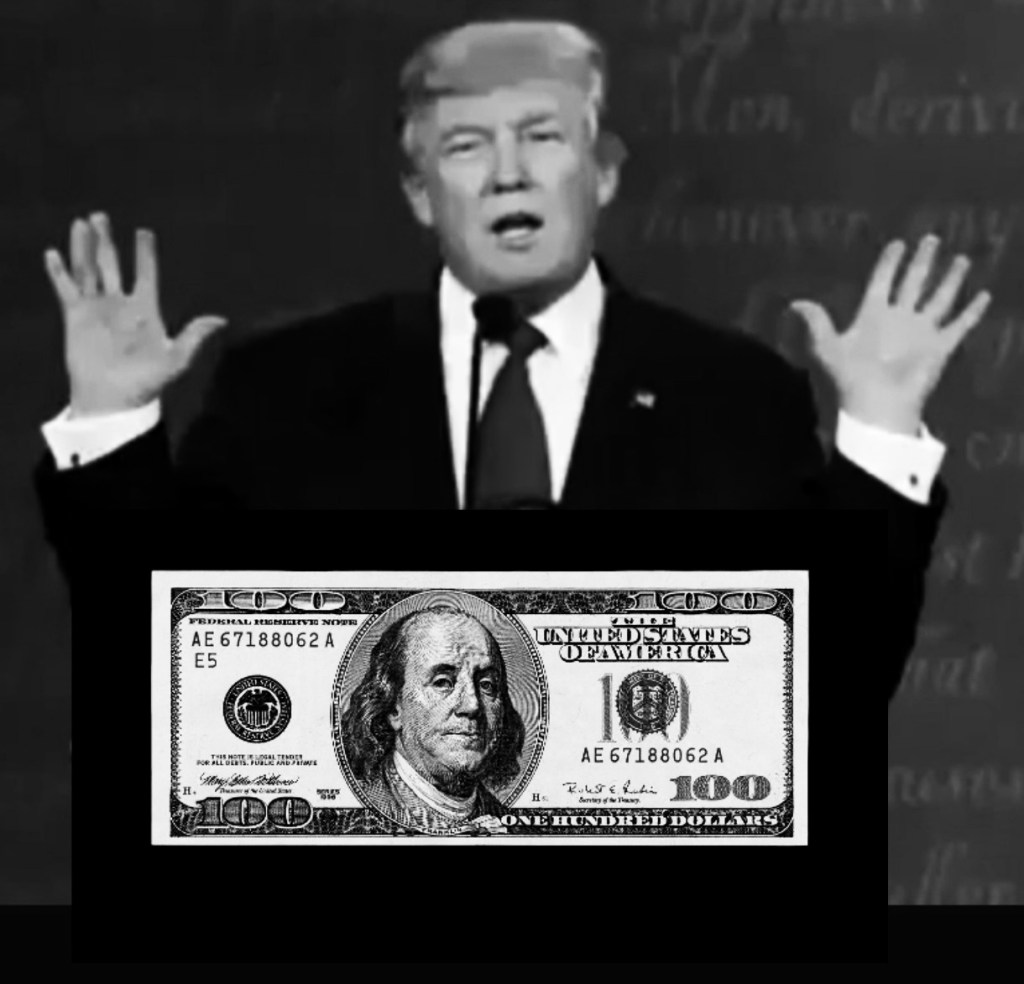
How the structural vulnerabilities of dollar hegemony, the shadow banking system, and geopolitical overextension are converging to produce an irreversible crisis of the capitalist order Editorial Analysis | September 2026 The American empire is not merely experiencing a cyclical downturn but is entering a terminal phase of structural decline in which the contradictions that have… Continue reading
