
multipolarity
-
The Iran War and the Fragmentation of the Global Energy and Petrodollar Order
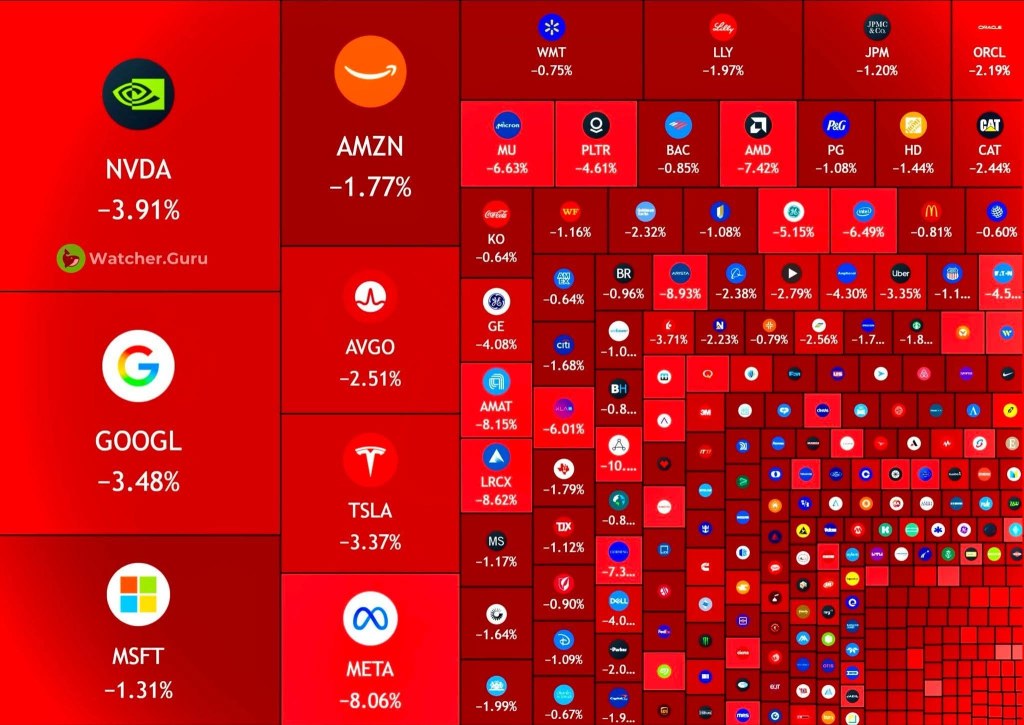
The drive to monopolise global energy, deny rivals access, and reinforce the dominance of the U.S.-led core is accelerating geopolitical realignment reshaping of global power. The war centred on Iran has entered an economic phase that now drives outcomes more decisively than battlefield engagements. The featured image is March 26, 2026, when the stock market… Continue reading
-
China as the Central Obstacle Within the Structural Logic of Confrontation
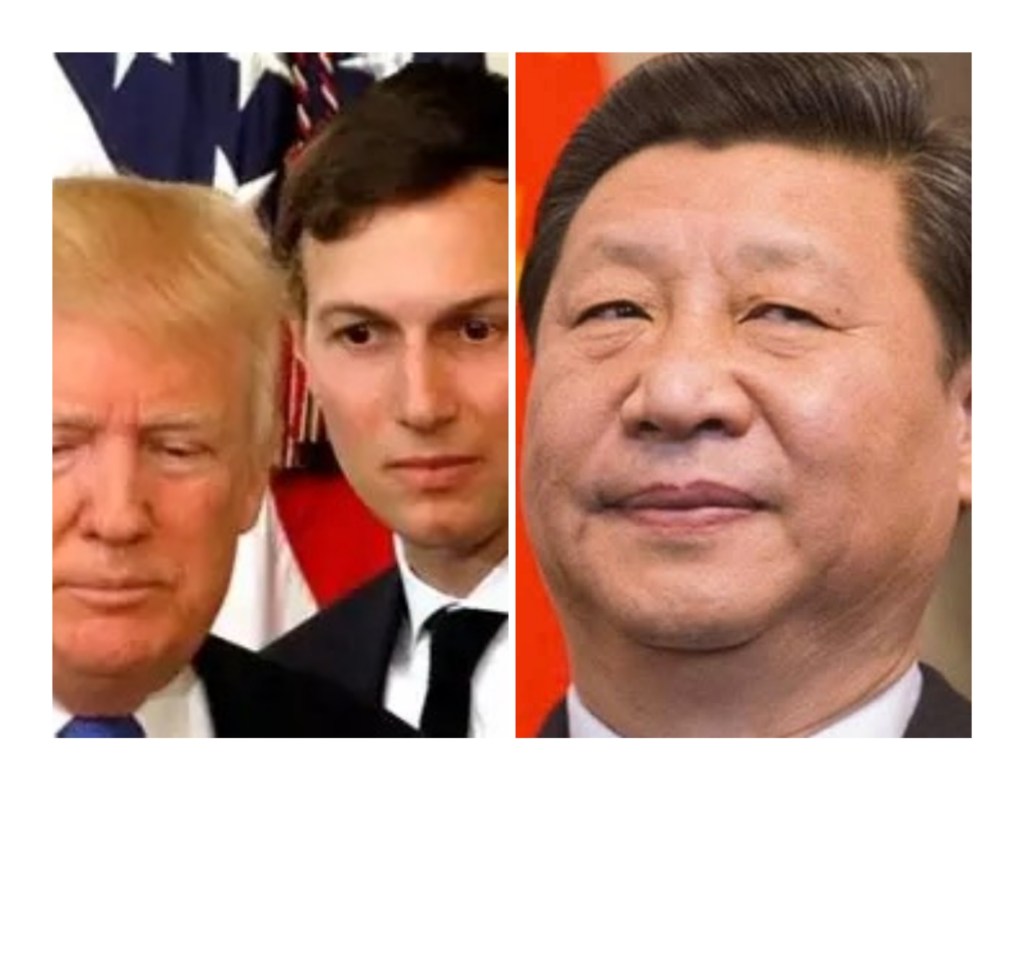
How transnational capital directs United States power to dismantle sovereign development models and preserve global economic control United States policy functions as an extension of transnational capital interests operating through state machinery. A coherent reading of recent geopolitical developments requires attention to structural power rather than electoral cycles or stated doctrine. Analysis grounded in policy… Continue reading
AI and Digital Control, America, China, economics, Energy, EUROPE, Financial markets, Foreign Policy, Geopolitics, Global Finance, iran, israel, middle east, Mineral Resources, NATO, politics, reserve currency, Russia, South East Asia, warBelt and Road Initiative, China, Digital Control, economic warfare., energy security, Eurasia, financial systems, Geoeconomics, Geopolitics, global governance, industrial sovereignty, iran, military strategy, multipolarity, policy continuity, Russia, sanctions, supply chains, transnational capital, United States -
Brazil Calls for Defence Co-operation with South Africa
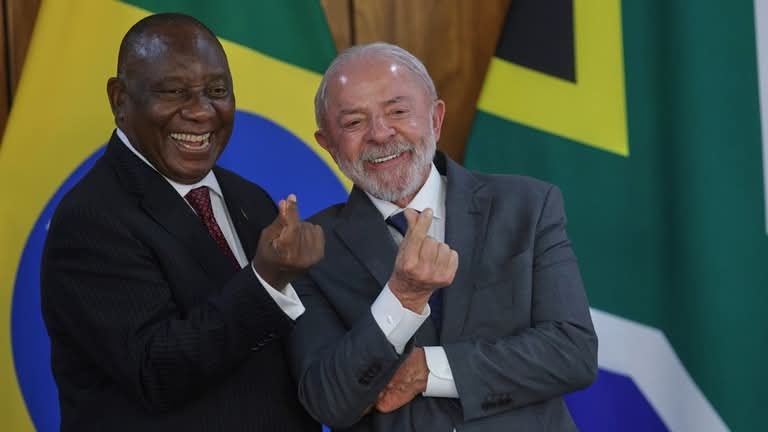
Lula and Ramaphosa reflect a growing unease across the Global South after Western military actions in Venezuela and Iran, reinforcing fears that states outside major alliance systems remain vulnerable to coercion and intervention. Brazil’s President Luiz Inácio Lula da Silva used the recent visit of South African President Cyril Ramaphosa to Brasília to articulate a… Continue reading
-
Convergence in the Persian Gulf
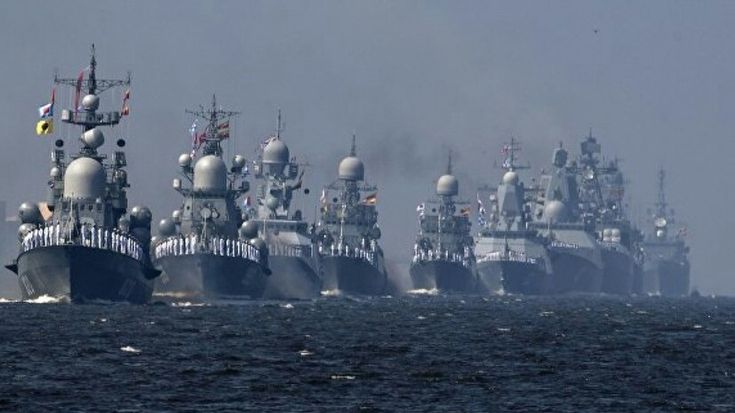
Convergence among Iran, China, and Russia in the Strait of Hormuz alters American risk calculations, though it does not remove the structural capacity of the United States to initiate military action. American primacy in the Strait of Hormuz rests upon a maritime doctrine shaped by Alfred Thayer Mahan’s classic argument that control of sea lanes… Continue reading
AI and Digital Control, China, economics, Energy, EUROPE, Financial markets, Foreign Policy, Geopolitics, Global Finance, israel, middle east, Mineral Resources, NATO, politics, Russia, warasymmetric warfare, BRICS, China, deterrence theory, energy security, Eurasian integration, Fifth Fleet, financial warfare, great power competition, Gulf geopolitics, iran, Maritime Security Belt, multipolarity, naval strategy, Persian Gulf, Russia, sanctions, sea power, Strait of Hormuz, United States Navy -
Marco Declares Colonialist War on the Global South
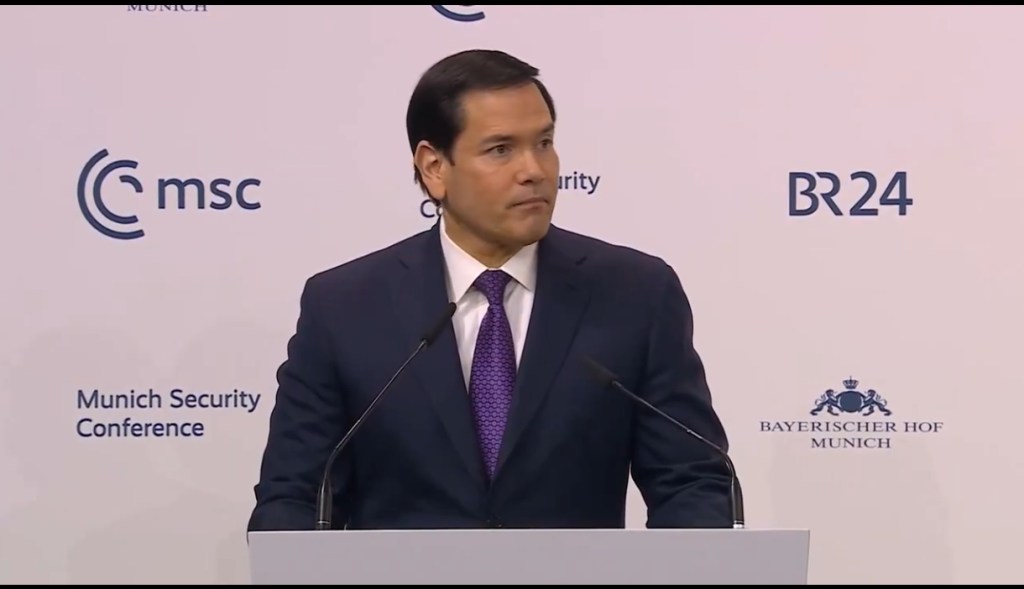
Marco Rubio’s Munich Declaration of Colonial Revivalism amid the Crisis of Western Primacy and the Rise of the Global South Marco Rubio used the Munich Security Conference to present a civilisational argument grounded in imperial expansion and Western dominance. He declared that “for five centuries, before the end of the Second World War, the West… Continue reading
-
Russian Foreign Policy in a Fragmenting OrderLavrov at the State Duma and the Structure of Multipolar PowerInstitutional Continuity under Strategic Pressure
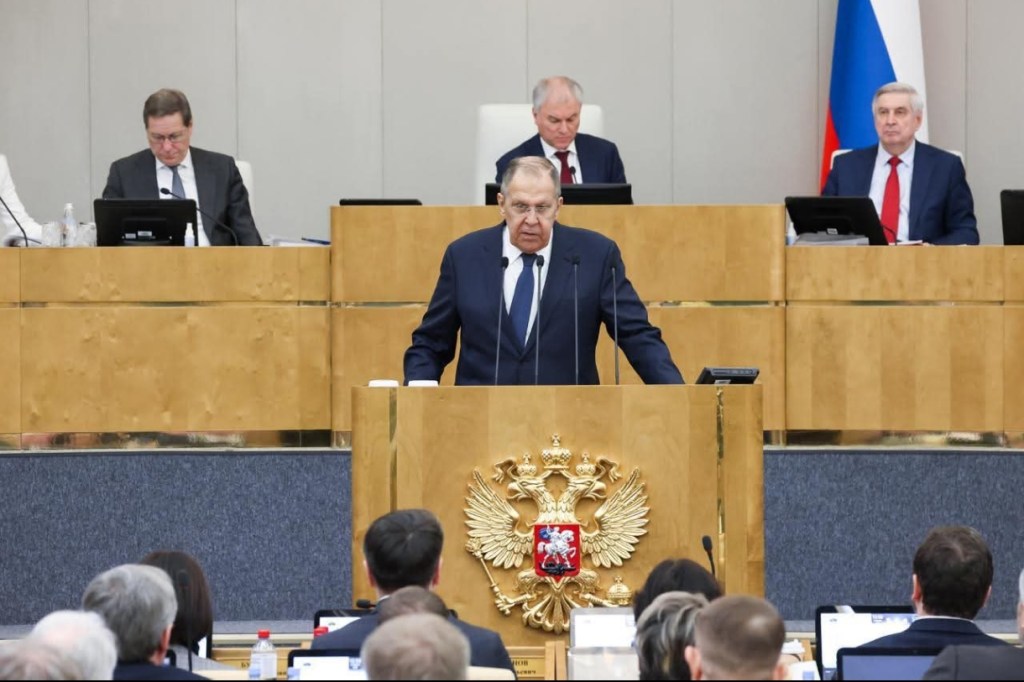
An opinion analysis of Russia’s systemic positioning amid global realignmentSecurity, law, and sovereignty in contemporary Russian diplomacy Foreign Minister Sergey Lavrov used the State Duma hearing to present a coherent account of Russian foreign policy under conditions described as structural change rather than episodic crisis. The remarks framed current conflicts as consequences of an exhausted… Continue reading
-
Mark Carney’s Speech at Davos: Is it just Theatrics?
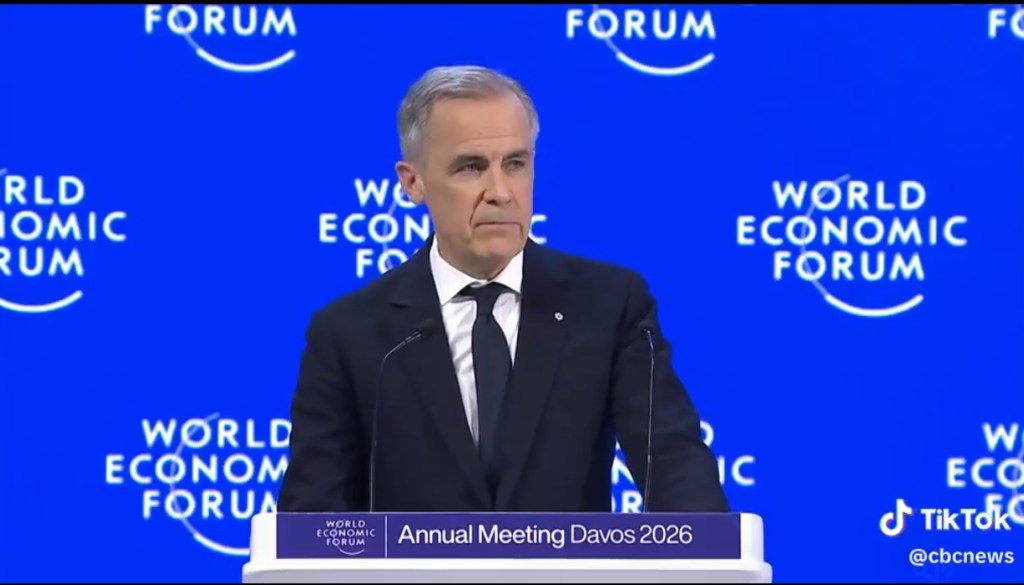
So at the gathering in Davos, of the self appointed decision makers of the lives of 8 billion people, Switzerland, Canadian Prime Minister Mark Carney delivered what may appears to history defining speech to be recorded in future history text books era defining. However, is it all theater? Are these contentions genuine or just a… Continue reading
AI and Digital Control, America, economics, Energy, EUROPE, Foreign Policy, Geopolitics, Global Finance, NATO, politics, Russia, warBritish foreign policy, Canada, China, Davos, economic weaponisation, European Union, Geopolitics, global governance, institutional immunity, mark carney, multipolarity, NATO, post-war international order, Russia, strategic disruption, systemic rupture, transatlantic relations, United States foreign policy, WEF -
Trump’s Chaos and the Disassembly of the Rules-Based Order
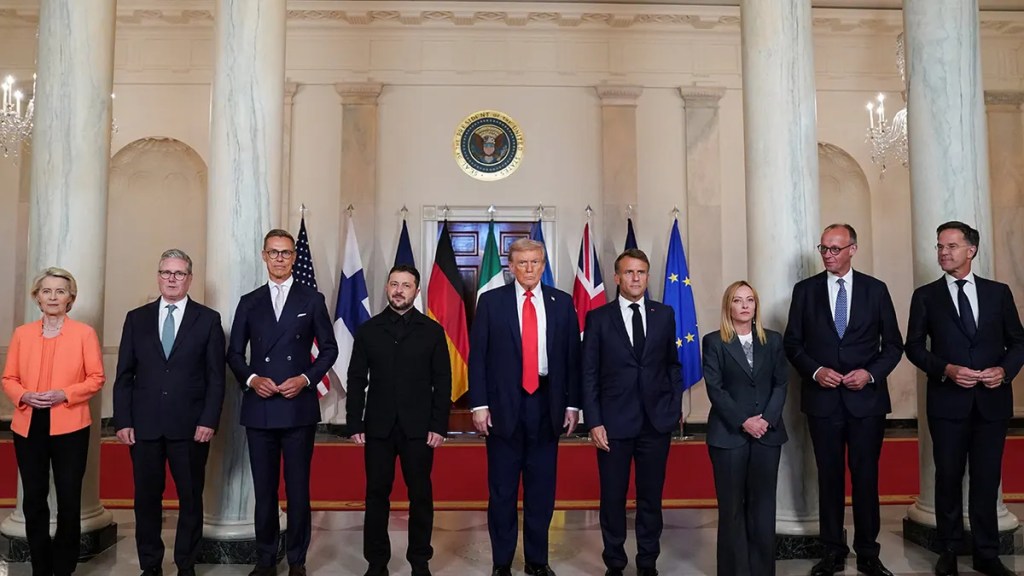
Strategic Realignment, Elite Resistance, and the Reconfiguration of Global Power The contemporary pattern of apparent disorder surrounding the Trump administration has been interpreted by several analysts as the visible surface of a deeper strategic reorientation of international power relations, rather than as an accumulation of uncoordinated or impulsive actions. According to geopolitical analyst Alex Krainer,… Continue reading
-
Collapse of Western Power and the Global System in 2026
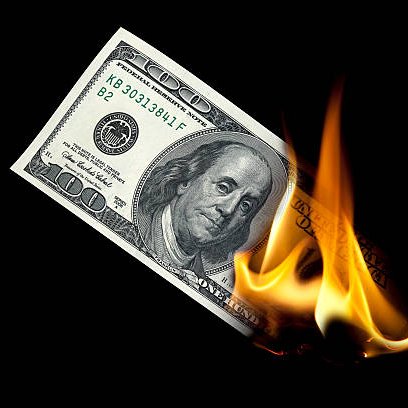
Monetary Weaponisation, Financial Fragmentation and Strategic Overreach during the Western Collapse Phase Western power in 2026 reflects the accumulated outcome of choices made since the end of the Cold War.The system did not drift accidentally into its present condition. Policy decisions consistently favoured financial expansion, global leverage, and institutional growth over domestic production and social… Continue reading
AI and Digital Control, America, China, economics, Energy, EUROPE, Foreign Policy, Geopolitics, Global Finance, israel, NATO, politicsArctic geopolitics, China Strategy, de-dollarisation, Elite Overproduction, Empire Decline, energy geopolitics, Financialisation, Game Theory, Geopolitics, Greenland Resources, Iran Sanctions, Kinetic Conflict Risk, multipolarity, Naval Escalation, Oil Tanker Seizures, political economy, sanctions warfare, Shadow Fleets, US foreign policy, Venezuela Oil, World War 3 -
Power Without Restraint in Defence of Dollar Primacy
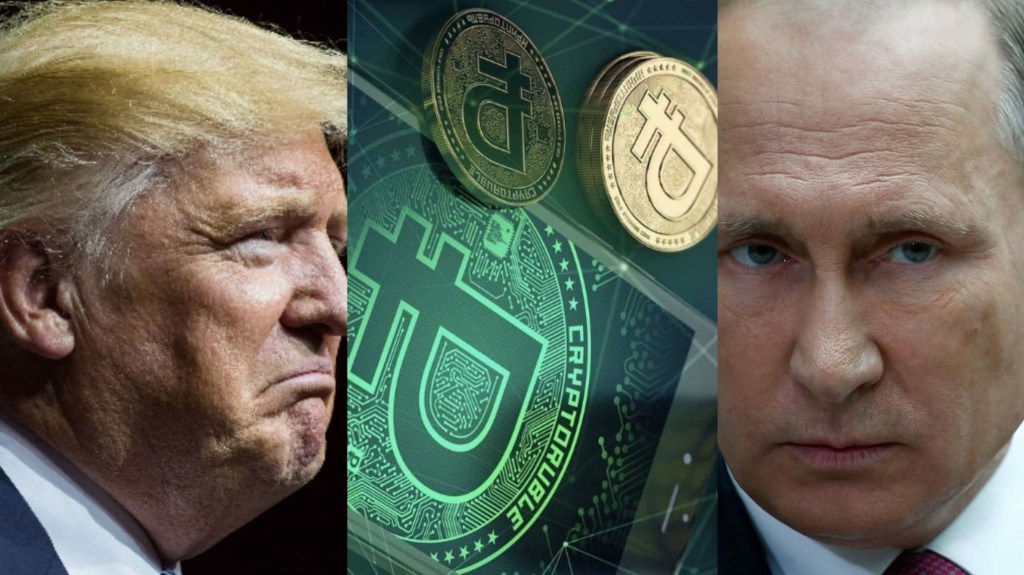
Resource control, dollar primacy, and the costs of discarding realism The recent pattern of United States behaviour towards Venezuela, Cuba, Colombia, Iran, and even Greenland reflects a continuity in coercive statecraft rooted in resource control, financial dominance, and regime pressure rather than isolated rhetorical excess. The kidnapping of Venezuelan President Nicolás Maduro, described in United… Continue reading
