
Energy
-
The Hormuz Pressure Point Forces a Diplomatic Search for a Face-Saving Settlement
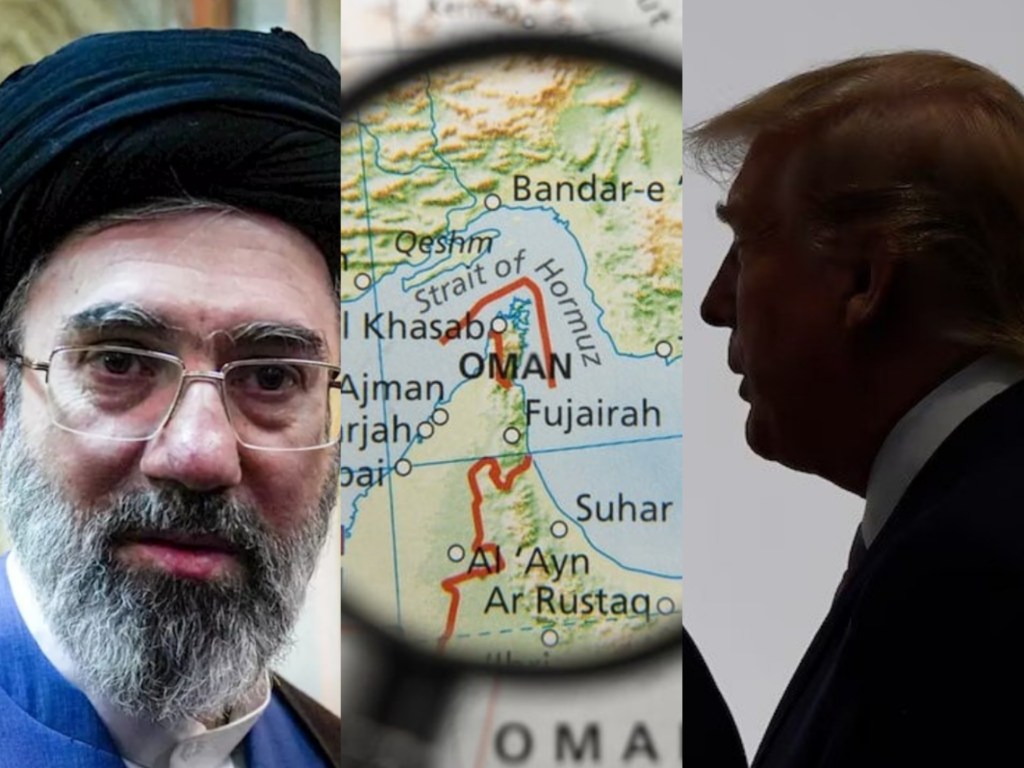
Oil market destabilisation reshapes battlefield calculations imposing a strategic dilemma of war termination under conditions of asymmetric pressure Strategic conflict between the Islamic Republic of Iran and the United States–Israel alliance developed across nearly half a century of sanctions, covert operations, proxy warfare, assassinations of Iranian officials and nuclear scientists, and repeated military confrontations across… Continue reading
AI and Digital Control, America, economics, Energy, Financial markets, Foreign Policy, Geopolitics, Global Finance, iran, israel, middle east, Mineral Resources, NATO, politics, reserve currency, Russia, warasymmetric warfare, Drone Warfare, economic disruption, economic warfare., energy security, geopolitical economy, geopolitical strategy, global energy markets, Gulf security, international diplomacy, iran, israel, Middle East geopolitics, military strategy, missile warfare, oil markets, sanctions, Strait of Hormuz, strategic deterrence, United States, war of attrition, war termination -
Europe Divided as War with Iran Tests the Union’s Strategic Identity

A public clash between EU leaders reveals deeper tensions over intervention, the limits of the rules-based order, and Europe’s role in a widening Middle Eastern conflict. A rare public disagreement between senior European Union leaders has exposed a widening strategic divide within the bloc over the United States-Israeli war against Iran, raising questions about Europe’s… Continue reading
-
Iran Rejects Ceasefire Demands Permanent End to War and External Pressure
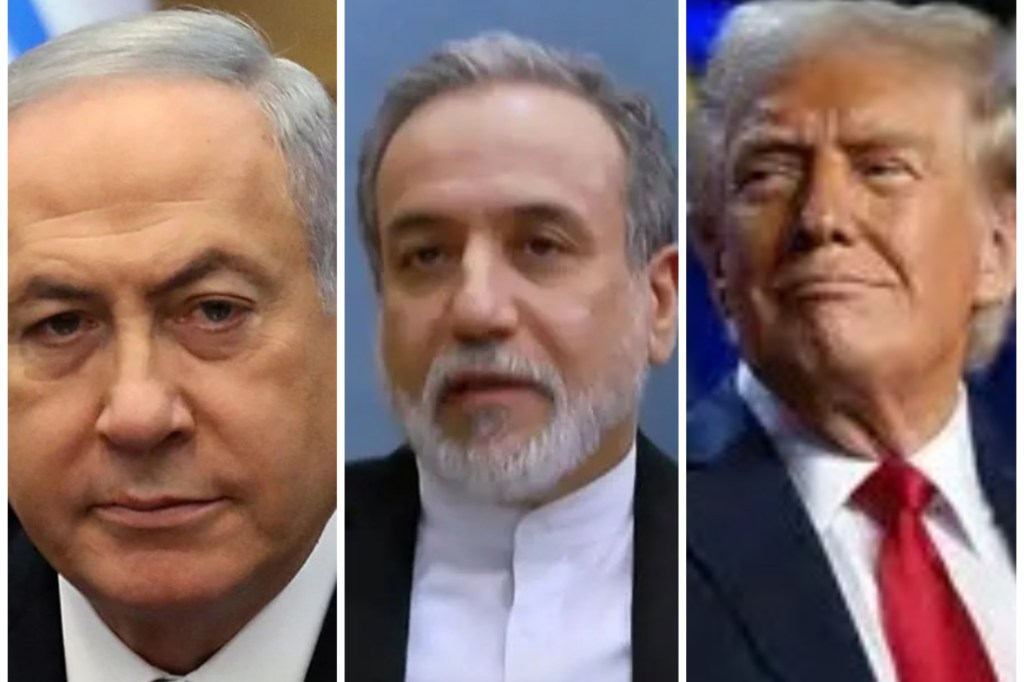
Iranian leadership argues that temporary truces only preserve the strategic conditions that have produced decades of confrontation since the 1979 revolution. Iranian refusal to accept a temporary ceasefire reflects a strategic calculation rooted in the historical pattern of hostilities directed against the Islamic Republic since the 1979 revolution. Tehran frames the current confrontation as the… Continue reading
AI and Digital Control, America, China, economics, Energy, EUROPE, Financial markets, Foreign Policy, Geopolitics, iran, israel, middle east, NATO, politics, Russia, warAbbas Araghchi, ceasefire diplomacy, energy security, Game Theory, Geopolitics, global energy markets, Gulf geopolitics, iran, Iranian foreign policy, IRGC, Israel Iran tensions, Middle East conflict, oil geopolitics, political economy, regional power balance, security architecture, Strait of Hormuz, Sun Tzu, Thomas Schelling, US–Iran relations, war strategy -
Iran War Blunder Seen Through the Law of Unintended Consequences
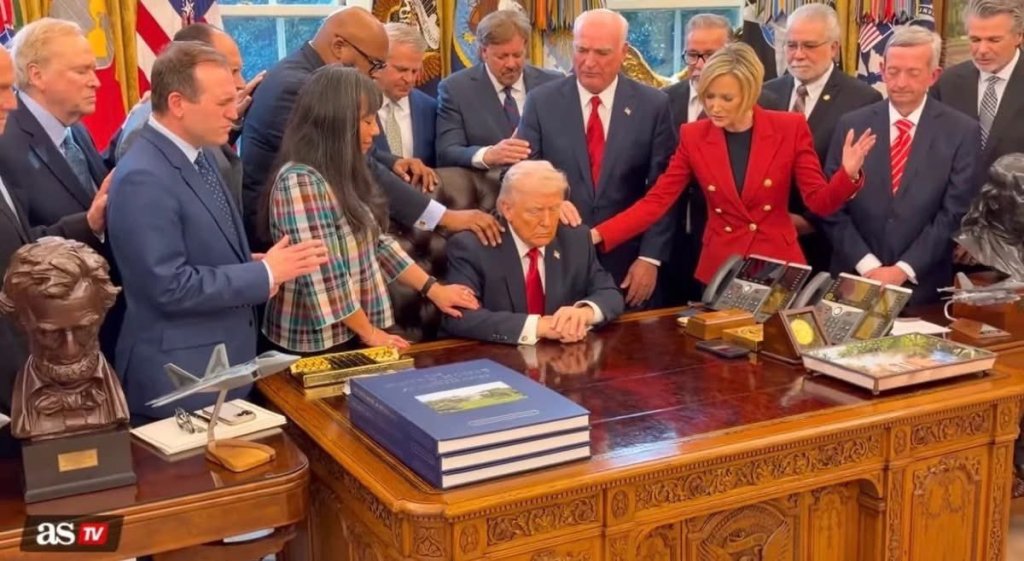
Strait of Hormuz disruption, sanctions blowback, and energy market chaos exposing the fragility of globalisation and accelerating geopolitical realignment Economic history repeatedly demonstrates the law of unintended consequences operating with particular force during military escalation and coercive sanctions regimes. The confrontation surrounding Iran now produces cascading disruptions across energy markets, alliances, shipping networks, and domestic… Continue reading
AI and Digital Control, America, China, economics, Energy, EUROPE, Financial markets, Foreign Policy, Geopolitics, Global Finance, iran, israel, middle east, Mineral Resources, NATO, politics, Russia, technology, warenergy chokepoints, energy geopolitics, energy security, Geopolitics, global energy markets, globalisation critique, international political economy, international trade routes, LNG markets, oil markets, Russia energy trade, sanctions blowback, sanctions policy, Strait of Hormuz, strategic miscalculation, supply chain disruption, unintended consequences, West Asia conflict -
Iran Will Win This War
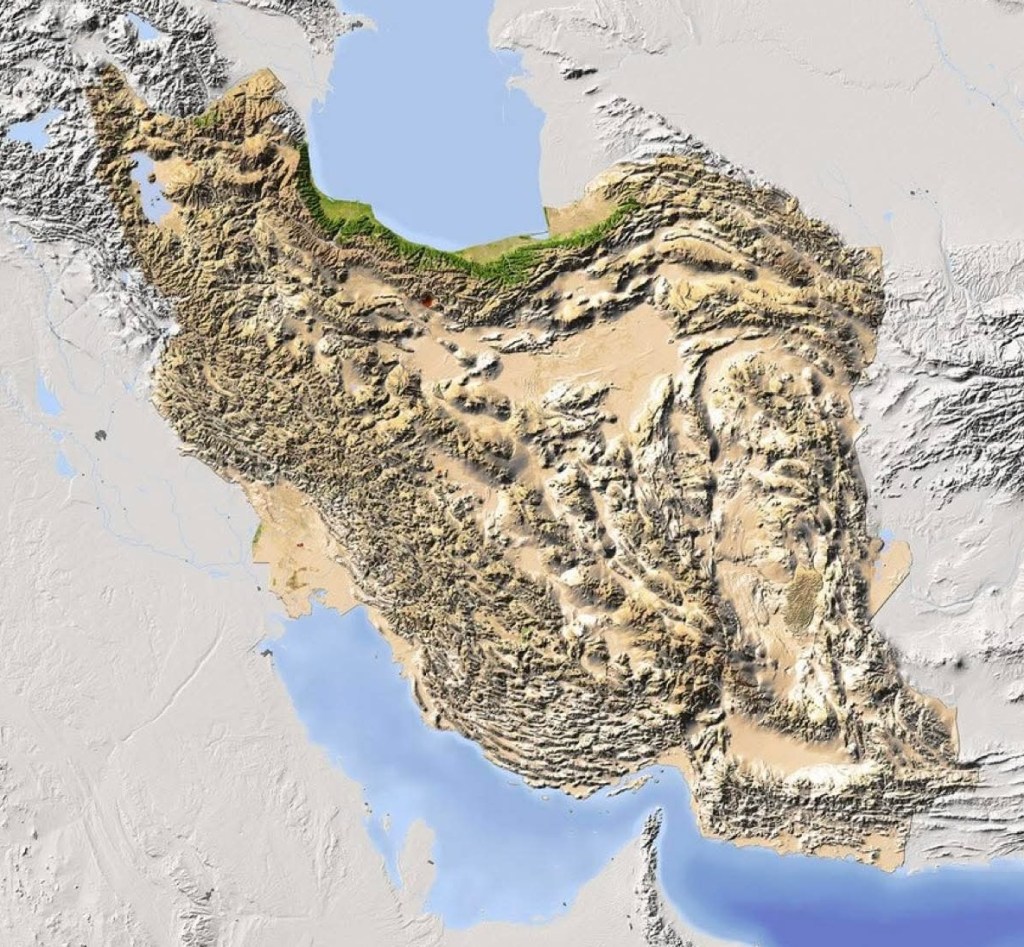
America Is Losing in the Middle East And Fast, Decades of Military Might, Gone in Days. Strategic analysis of the war involving Iran, the United States, and Israel must begin with a clear understanding of the form such a war would take and the structural realities shaping it. Conventional comparisons of aircraft carriers, military spending,… Continue reading
AI and Digital Control, America, China, Energy, EUROPE, Financial markets, Foreign Policy, Geopolitics, Global Finance, iran, israel, Latin America, middle east, NATO, politics, reserve currency, warinternational relations, iran, Iran defense, Iran military preparation, Iran missile capabilities, Iran vs US, Iran war strategy, Middle East conflict, military devastation, military infrastructure, Persian Gulf, regional dominance, Strait of Hormuz, Trump administration, US bases attacked, US foreign policy, US Military, US military history, war analysis, war footage -
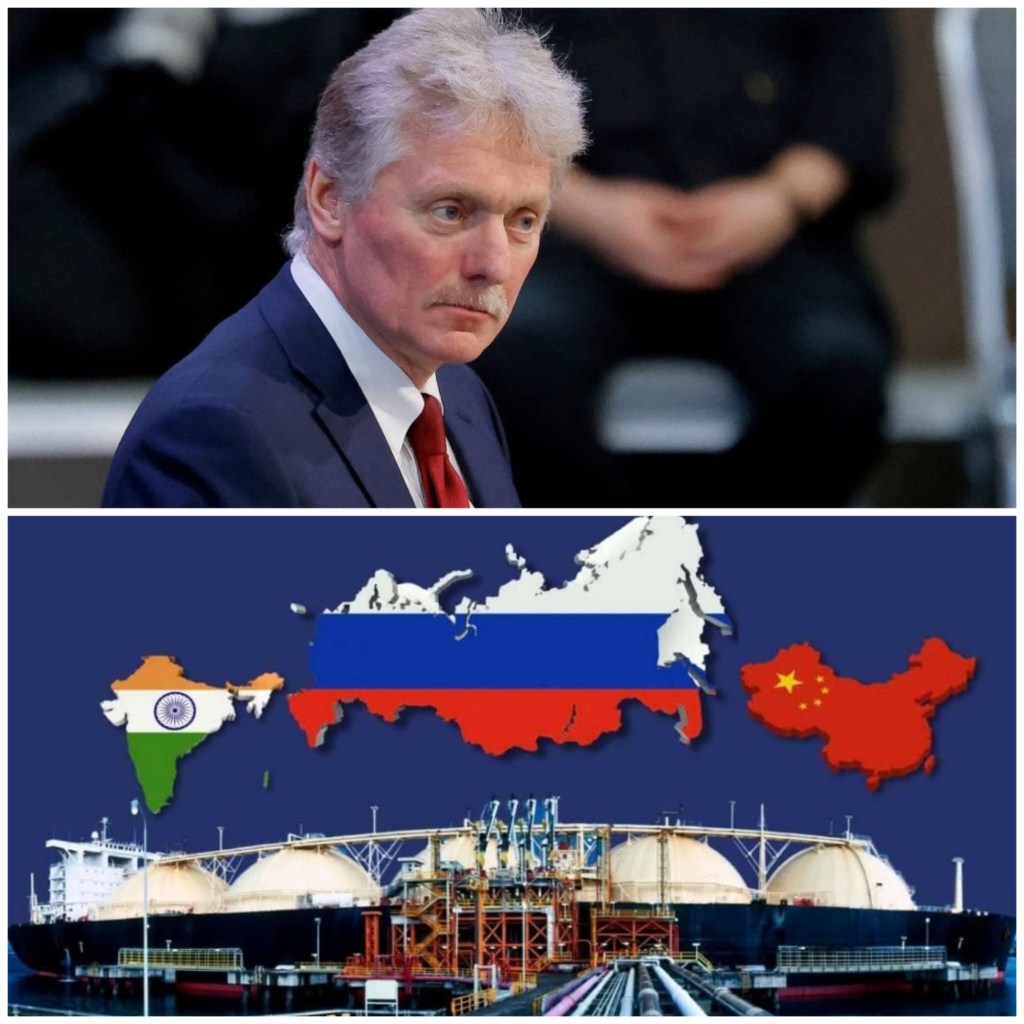
Moscow Issues Stark Warning Over Finland’s Possible Move To Host Nuclear Weapons Russia warns of countermeasures as Helsinki debates allowing nuclear weapons, highlighting the return of nuclear deterrence and energy geopolitics to Europe’s evolving security crisis. Finland’s consideration of allowing nuclear weapons on its territory has triggered a sharp response from Moscow and may mark… Continue reading
AI and Digital Control, America, Energy, EUROPE, Financial markets, Foreign Policy, Geopolitics, Global Finance, iran, israel, middle east, NATO, politics, Russia, warArctic geopolitics, arms race in Europe, Baltic security, Dmitry Peskov, energy geopolitics, Europe energy crisis, European security, Finland, global energy markets, Kola Peninsula, Kremlin response, multipolar world order, NATO, NATO expansion, Northern Europe geopolitics, nuclear deterrence, nuclear weapons policy, Russia, Russia China energy ties, Russia energy exports, Russia India oil trade, Russia Ukraine War, sanctions on Russia, strategic balance, vladimir putin -
Iran’s “Famous Bride” Jibe as Ghalibaf Mocks U.S. Carrier Departure as Strategic Retreat
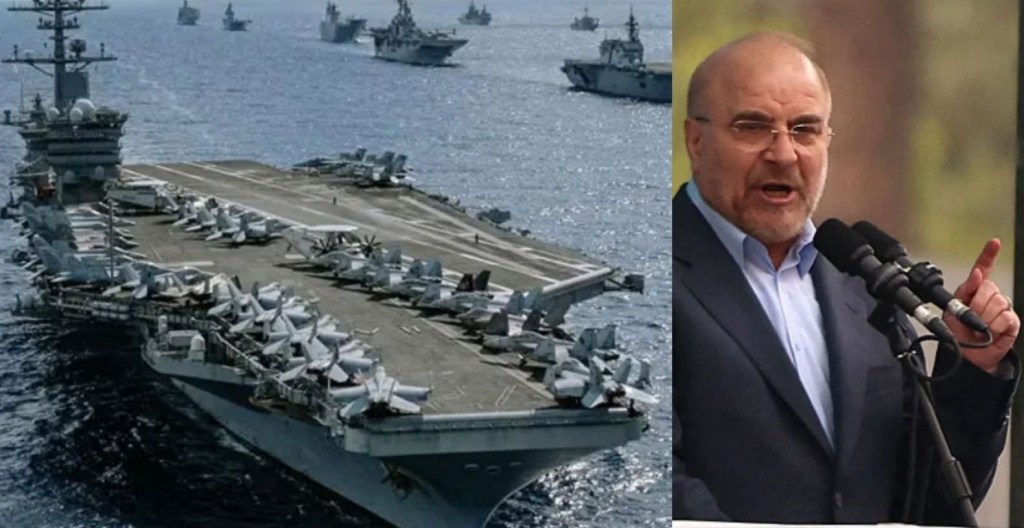
Beyond insult, the remark reflects Iran’s strategy of promoting missile and drone capabilities as tools to deter American power. Iranian Parliament Speaker Mohammad Bagher Ghalibaf used unusually cutting rhetoric to mock the United States over the departure of the aircraft carrier USS Abraham Lincoln (CVN-72), framing the move as proof that American military pressure against… Continue reading
-
Iran is Resisting the “Epstein”Digital Monetary Order
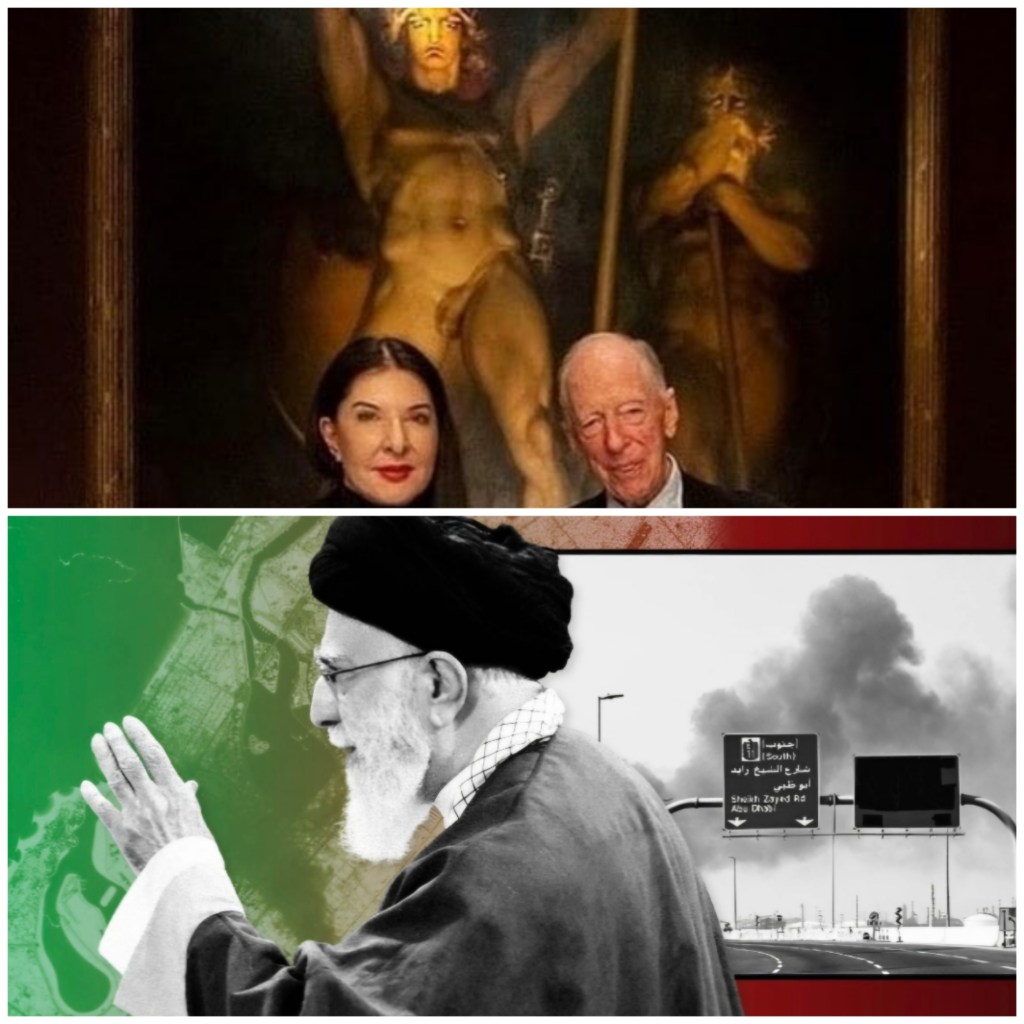
Iran’s monetary independence’s refusal to submit to digital monetary surveillance and centralised financial control tyranny as the underlying driver of the war The sustained pressure applied against Iran over recent decades reflects a structural conflict over monetary sovereignty rather than episodic disputes over security or ideology. Examination of intervention patterns since the late twentieth century… Continue reading
-
The Strategic Centrality of the United States Fifth Fleet in Gulf Power Politics
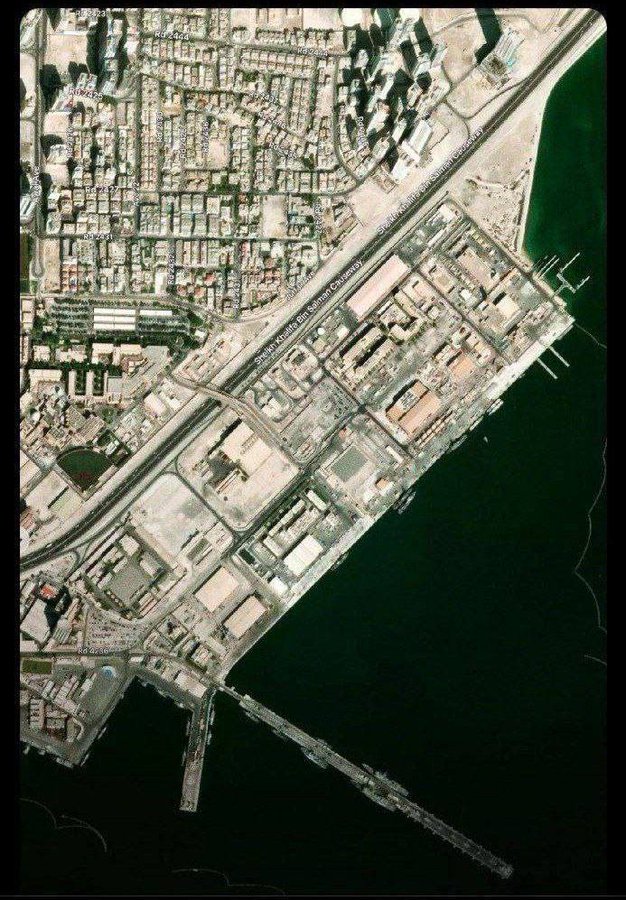
Why Iran Regards the Naval Command in Bahrain as the Core Instrument of American Maritime Dominance in the Middle East Iran’s sustained focus on the United States Fifth Fleet, headquartered in Manama, Bahrain, must be understood within the broader geopolitical contest that has shaped the Persian Gulf since the end of the Cold War. The… Continue reading
-
The “Epstein” Economic Crash Now Taking Shape Cannot Be Avoided

Structural debt dynamics, declining dollar demand, and rising energy risks now operate beyond political control An economic crash is approaching, and the conditions now in place mean it cannot be prevented by political leadership or administrative intervention. This outcome is driven by accumulated debt, long-term policy decisions, and financial dynamics that operate independently of elections… Continue reading
