
EUROPE
-
A Division of Labour in WarA Division of Labour in War
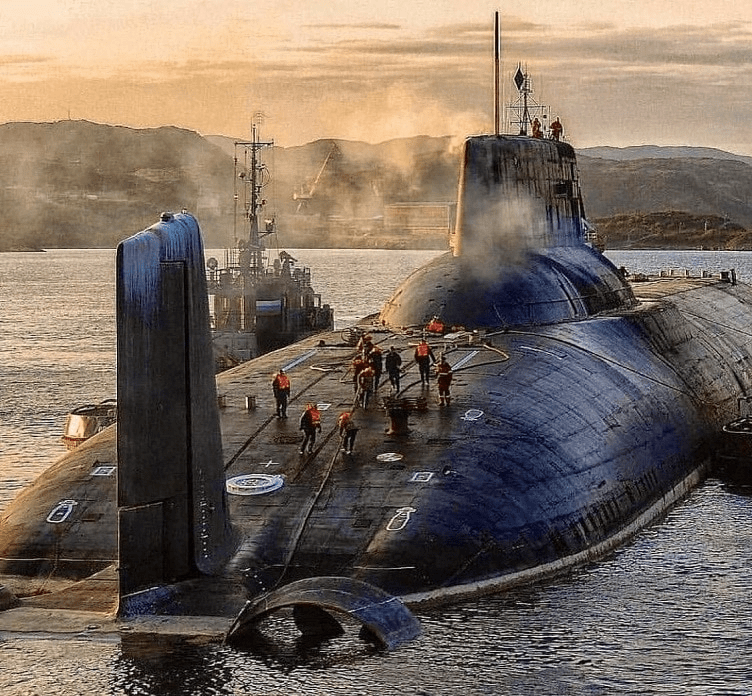
The Transfer of Strategic Burden from Washington to Europe in the Ukraine Conflict The Ukraine conflict has entered a phase in which military attrition matters less than institutional transfer. Washington no longer behaves as a state attempting to terminate a costly war through settlement. It behaves as a system reallocating operational responsibility to subordinate allies… Continue reading
AI and Digital Control, America, China, economics, Energy, EUROPE, Financial markets, Foreign Policy, Geopolitics, Global Finance, iran, israel, middle east, Mineral Resources, NATO, politics, Russia, warAlliance Politics, burden sharing, China, defence spending, energy markets, energy security, European Union, Geopolitics, global fragmentation, great power competition, hegemonic stability theory, Indo-Pacific, international relations, iran, LNG, middle east, military strategy, multipolarity, NATO, Nord Stream, proxy warfare, realism, Russia, Russia-Ukraine conflict, sanctions, security architecture, strategic sequencing, Ukraine war, United States foreign policy -
The Age of Liberal Gangster Capitalism
How political institutions shifted from public service to organised extraction and turned representation into controlled participation Gangster capitalism now describes the governing condition taking shape across much of the Western political order. Public institutions continue to speak the language of democracy, representation, and constitutional legitimacy, yet the practical operation of power increasingly serves concentrated wealth,… Continue reading
AI and Digital Control, America, economics, Energy, EUROPE, Financial markets, Foreign Policy, Geopolitics, Global Finance, Health, iran, israel, middle east, Mineral Resources, NATO, politics, reserve currency, Russia, Space, warausterity, authoritarianism, capitalism, class conflict, class struggle, Cold War legacy, concentrated wealth, corporate influence, deindustrialisation, democratic erosion, democratic illusion, economic inequality, elite rule, empire, energy politics, fascism, Financialisation, gangster capitalism, geopolitical analysis, Geopolitics, global hegemony, historical analysis, imperialism, institutional decline, labour decline, liberal democracy, managed democracy, media power, militarisation, military expansion, neoliberalism, oligarchy, political decay, political economy, political institutions, political legitimacy, political power, political theory, post-war order, propaganda, public consent, ruling class, social democracy, State power, Strategic Competition, structural inequality, transnational capital, warfare state, welfare state, Western decline -
Day 59 -Update on the Unprovoked War on Iran
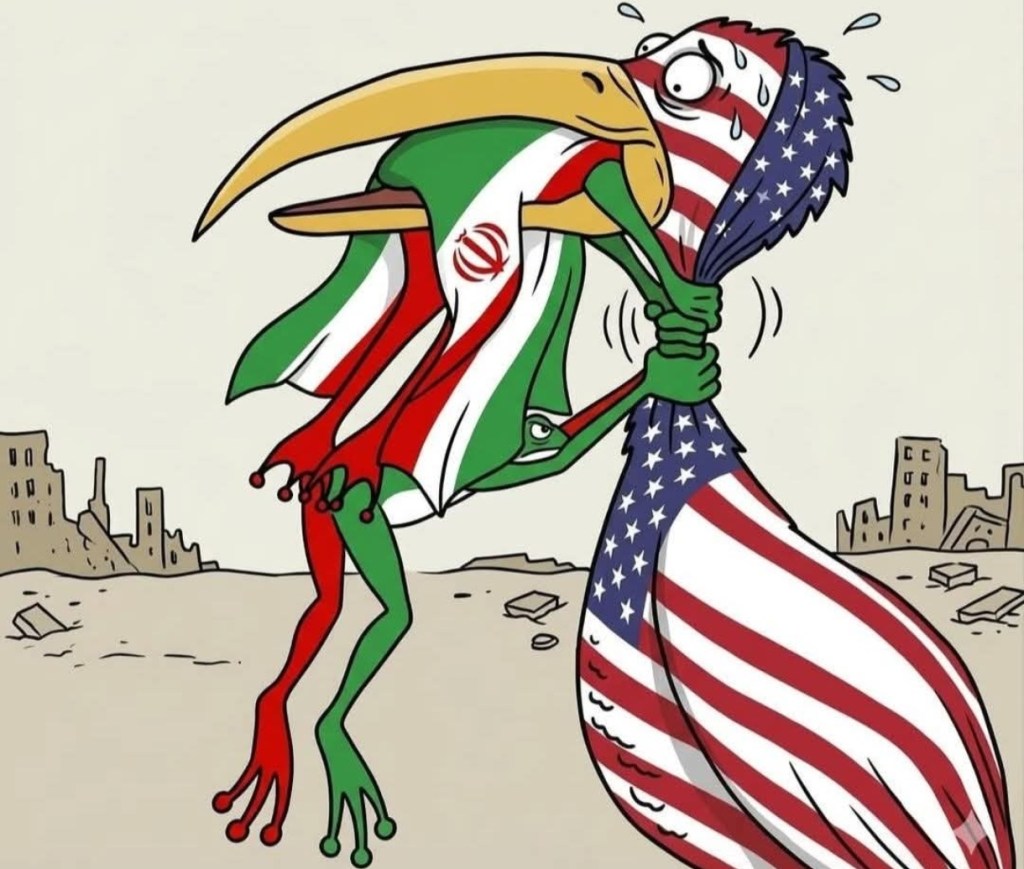
The war is transitioning from a short-term coercive campaign into a broader geopolitical standoff IRAN WAR – DAY 59: 1. Trump rejects Iran proposal – nuclear issue remains core obstacle President Donald Trump rejected Iran’s offer to reopen the Strait of Hormuz in exchange for sanctions relief while postponing nuclear talks. Trump’s position remains absolute:… Continue reading
AI and Digital Control, America, Energy, EUROPE, Financial markets, Foreign Policy, Geopolitics, Global Finance, iran, israel, middle east, Mineral Resources, NATO, politics, reserve currency, Russia, warenergy security shock, escalation to strategic stalemate, geopolitical escalation, great power competition, Iran War, long-term regional destabilisation, maritime security crisis, multi-theatre conflict, nuclear negotiations breakdown, proxy warfare, regional power struggle, sanctions and economic warfare, Strait of Hormuz disruption, transition from limited strikes to sustained confrontation, US–Iran–Israel tensions -
The Myth of American Democracy

How Democratic Language Masked Elite Rule Beneath Public Participation The men who gathered in Philadelphia during the summer of 1787 did not meet to create a democracy in the modern sense of the word. They met to design a stable political order that could protect property, prevent unrest, secure commerce, and maintain elite control after… Continue reading
AI and Digital Control, America, economics, Energy, EUROPE, Financial markets, Foreign Policy, Geopolitics, Global Finance, iran, israel, middle east, Mineral Resources, NATO, politics, warAmerican empire, American governance, American politics, campaign finance, class power, constitutional design, constitutional history, corporate influence, democracy, democratic illusion, democratic myth, economic inequality, elite networks, elite rule, geopolitical analysis, governance, historical analysis, historical power structures, imperialism, institutional continuity, institutional power, lobbying, media power, national identity, oligarchy, political economy, political history, political ideology, political institutions, political legitimacy, political power, political structure, political theory, power and influence, public consent, ruling class, social hierarchy, State power, statecraft, wealth concentration -
The End of Orbán, Not Orbánism
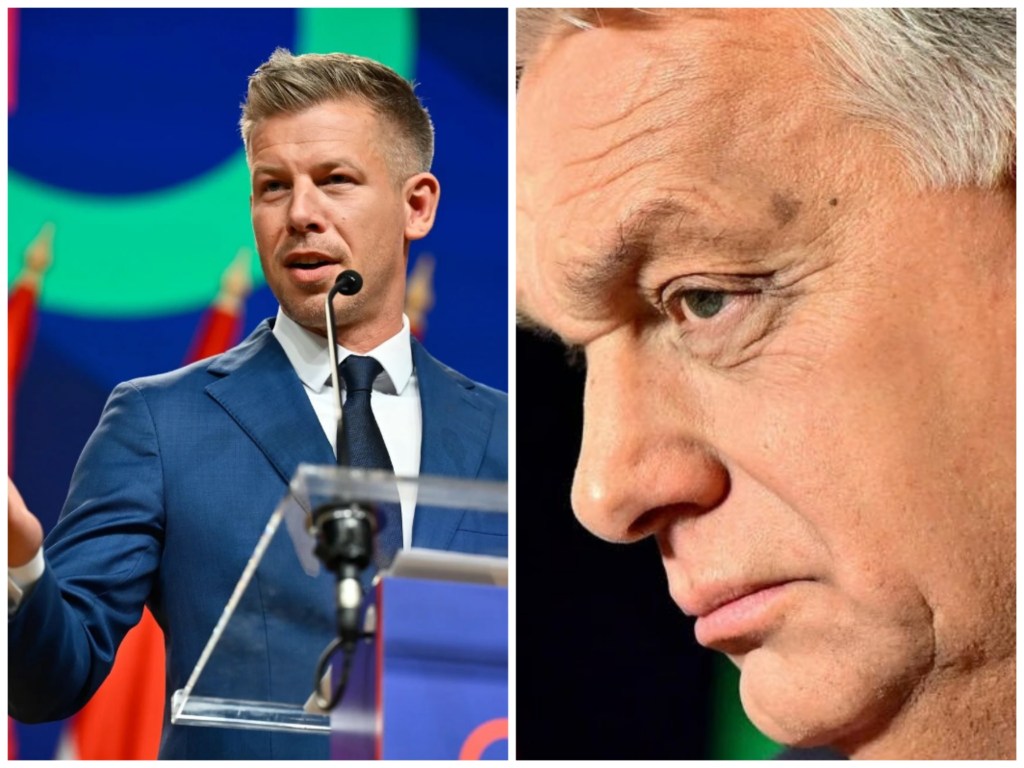
Magyar maintains sovereignty policy while altering Hungary’s position inside EU bargaining as Energy dependence and EU leverage define Hungary’s policy regardless of leadership change Hungary’s recent election removed Viktor Orbán from office after more than a decade of centralised rule, replacing him with Péter Magyar following a vote that delivered roughly 54 per cent to… Continue reading
AI and Digital Control, America, economics, Energy, EUROPE, Financial markets, Foreign Policy, Geopolitics, iran, israel, middle east, Mineral Resources, NATO, politics, reserve currency, Russia, technology, warCentral Europe, defence production, donald trump, elections, energy policy, EU funding, European fragmentation, European Union, Game Theory, Geopolitics, hungary, international relations, JD Vance, migration policy, NATO, Péter Magyar, political economy, Russia, sanctions, Sovereignty, Ukraine war, Viktor Orban, vladimir putin -
Maritime Pressure and the Denial of Stable Energy Corridors to China
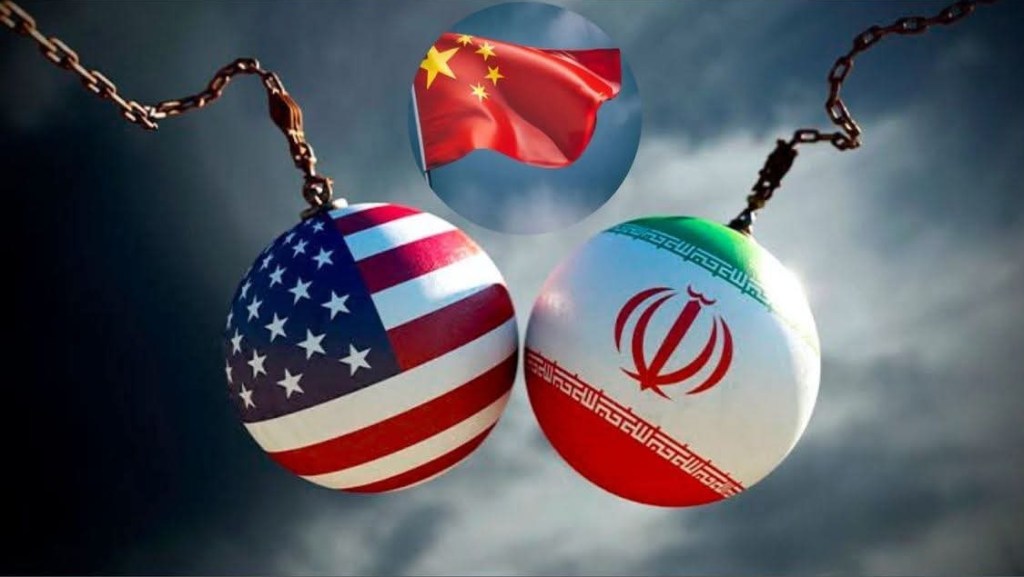
How ceasefire narratives mask the progressive tightening of global energy supply lines into China Energy flows into China are contracting across several supply corridors at the same historical moment, and that contraction marks a structural shift in the organisation of global power. The reduction does not stem from ordinary market volatility, cyclical pricing, or temporary… Continue reading
AI and Digital Control, America, China, economics, Energy, EUROPE, Financial markets, Foreign Policy, Geopolitics, Global Finance, iran, israel, middle east, Mineral Resources, NATO, politics, reserve currency, Russia, warBelt and Road Initiative, blockade strategy, China energy security, energy geopolitics, geopolitical economy, global trade disruption, Iran Sanctions, maritime chokepoints, Middle East conflict, multipolar world order, Russia energy exports, strategic infrastructure, supply chain coercion, US-China rivalry, Venezuela sanctions -
Kushner’s Foreign Deals and Policy Role Face Congressional Scrutiny

Officials cite national security and ethics concerns tied to investment activity and international negotiations U.S. Representative Yassamin Ansari says she plans to investigate Jared Kushner over concerns about conflicts between U.S. foreign policy activity and private financial interests. Kushner is the son-in-law of Donald Trump, a relationship that placed him in a senior advisory role… Continue reading
AI and Digital Control, America, China, economics, Energy, EUROPE, Financial markets, Foreign Policy, Geopolitics, Global Finance, iran, israel, middle east, Mineral Resources, NATO, politics, reserve currency, Russia, technology, warBenjamin Netanyahu, Conflict of interest, congressional investigation, defense contracting, donald trump, Elbit Systems, Epstein case, ethics, Foreign Policy, government oversight, iran, Jamie Raskin, Jared Kushner, lobbying, Lockheed Martin, Middle East geopolitics, Mohammed bin Salman, national security, Northrop Grumman, political accountability, regulatory capture, RTX Corporation, Russia, sovereign wealth funds, US politics, Yassamin Ansari -
Oil Infrastructure Warfare, Energy Attrition, And The Struggle For Global Primacy
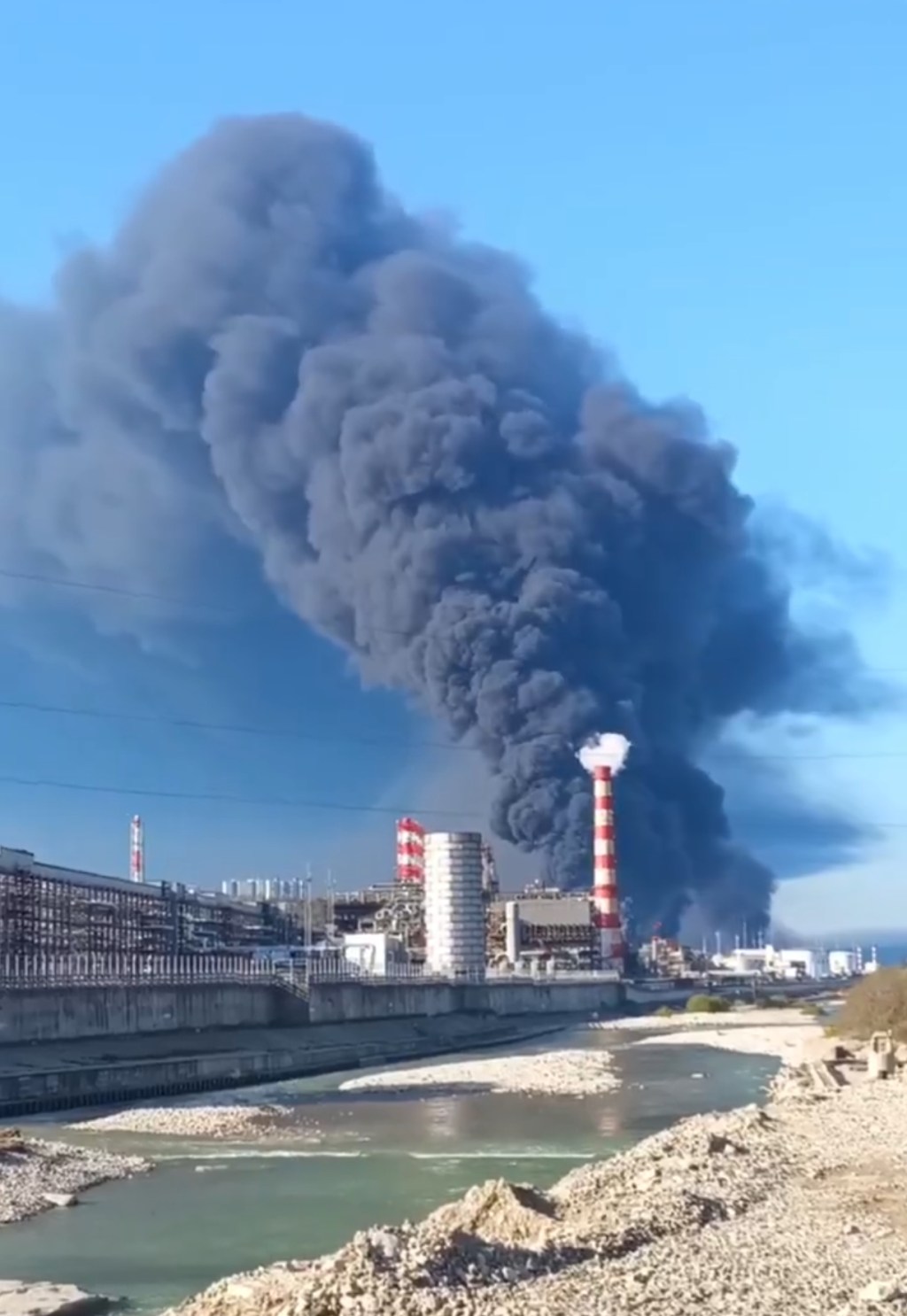
Energy Systems as Strategic Targets in the Transition from Unipolar Control to Multipolar Contestation The core claim of this article is that the current ruling transnational oligarchy and supranational interests seek to maintain their grip over primacy and hegemony, preventing the fragmentation of the unipolar rules-based order into multipolarity led by emerging blocs. Control of… Continue reading
AI and Digital Control, America, China, economics, Energy, EUROPE, Financial markets, Foreign Policy, Geopolitics, iran, israel, middle east, Mineral Resources, NATO, politics, reserve currency, Russia, satellites, warcritical infrastructure, Drone Warfare, economic warfare., energy attrition, energy security, financial systems, Geopolitics, global primacy, global trade, industrial warfare, Iran energy infrastructure, maritime chokepoints, Middle East conflict, multipolarity, oil infrastructure warfare, petrodollar, refineries, Russia Ukraine War, sanctions, Strategic Competition, supply chains, unipolar order -
Satellite-Enabled Strikes Are Redefining Sovereignty and Global Power
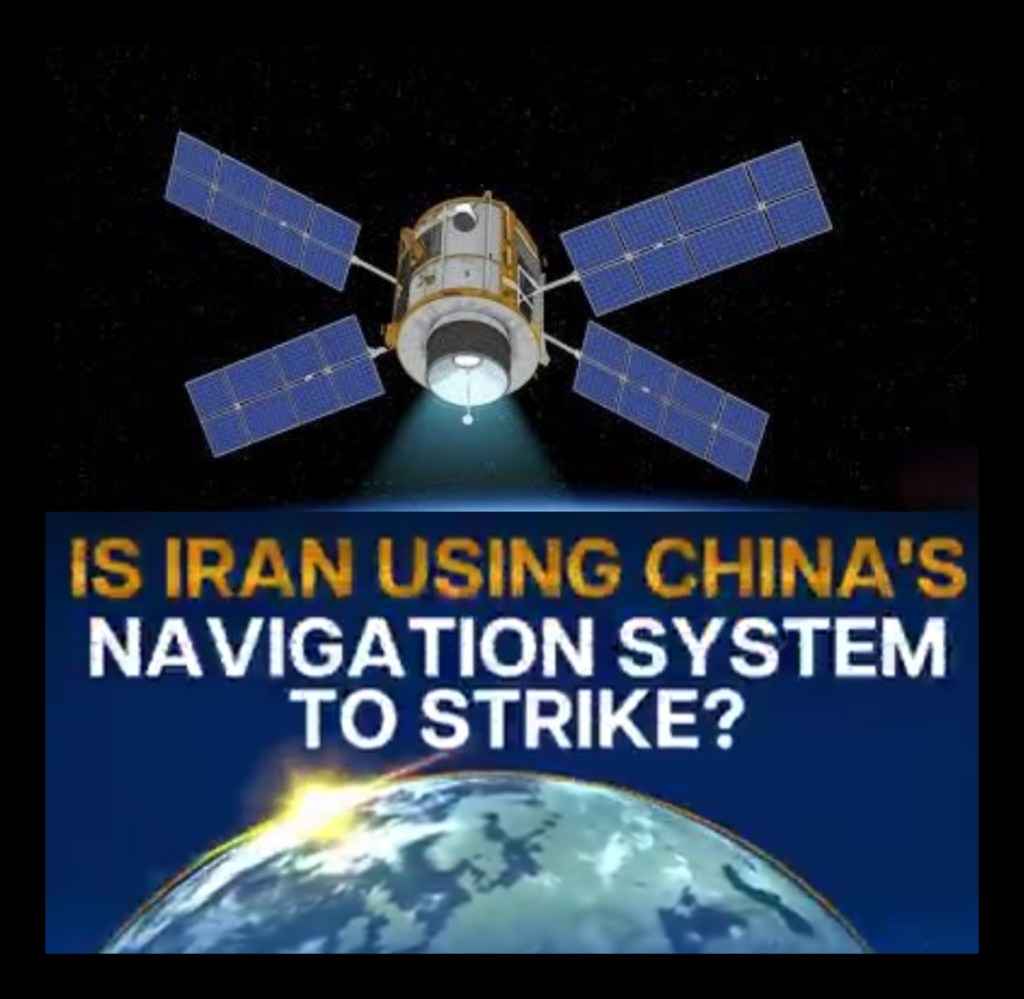
Iran, China, and Russia Turn Satellites Into Strategic Weapons of Retaliation Redrawing the Rules of Global Power In the skies above the Middle East, the rules of war are changing, not through missiles or tanks, but through advanced observational systems orbiting the Earth. For decades, American military dominance relied on unrivaled intelligence and orbital surveillance,… Continue reading
AI and Digital Control, America, China, economics, Energy, EUROPE, Financial markets, Foreign Policy, Geopolitics, Global Finance, Health, iran, israel, NATO, politics, Russia, satellites, warasymmetric warfare, C4ISR, China defense, commercial satellites, geopolitical transformation, global power shift, information warfare, Iran military, Iran-China-Russia axis, Middle East conflict, military technology, multipolarity, orbital intelligence, precision strikes, Russia strategy, satellite warfare, space militarization, strategic deterrence, technological sovereignty, US military dominance -
The Strain Between What Was and What Is Becoming
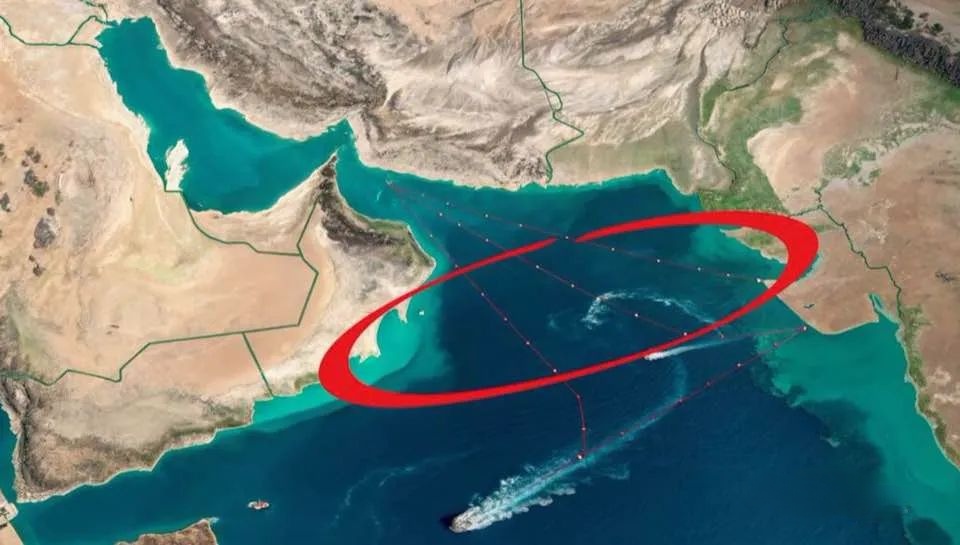
On the Fragmentation of Globalisation into Competing Systems of Power Post-1945 international economic order did not emerge as neutral design but as structured dominance disguised as institutional consensus. The International Monetary Fund, World Bank, and General Agreement on Tariffs and Trade formalised trade liberalisation and capital mobility under United States leadership, yet their deeper function… Continue reading
AI and Digital Control, America, China, economics, Energy, EUROPE, Financial markets, Foreign Policy, Geopolitics, Global Finance, iran, israel, middle east, Mineral Resources, NATO, politics, reserve currency, Russia, warasset managers, banks, CBDC, central banks, China, commodity markets, crypto, deglobalisation, digital finance, dollar system, Economic Security, energy control, financial system, fragmentation, Geopolitics, globalisation, gold flows, international order, iran, military power, monetary order, oil trade, power systems, Russia, sanctions, State power, Strategic Competition, supply chains, technocracy, trade networks
