
US Hegemony
-
The War That Remade Iran: Strategic Gains from the 2026 Conflict

How a Battered Islamic Republic Emerged with New Power, New Leadership, and a Changed Middle East The central premise of the February 2026 American and Israeli military campaign against Iran was straightforward: sustained aerial bombardment combined with targeted killings of the Islamic Republic’s senior leadership would either fracture the state or produce conditions amenable to… Continue reading
-
Everyone Wants to Be Great Again
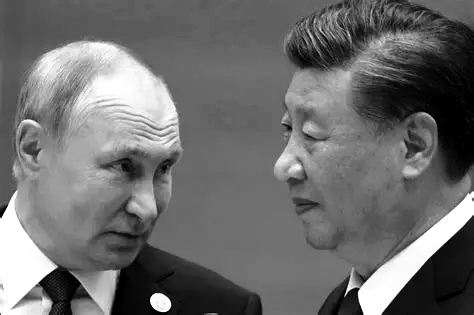
The Putin–Xi Multipolar Declaration, the Data Behind It, and Why Fragmentation May Be a More Accurate Description Than Partnership Editorial Analysis | 31 May 2026 On 20 May 2026, Russian President Vladimir Putin and Chinese President Xi Jinping signed a Joint Declaration on the Establishment of a Multipolar World and a New Type of International… Continue reading
AI and Digital Control, America, China, economics, Energy, EUROPE, Financial markets, Foreign Policy, Geopolitics, Global Finance, iran, israel, middle east, Mineral Resources, NATO, politics, reserve currency, Russia, South East Asia, war30th anniversary Russia-China partnership, anti-hegemonic declaration, balance of power, Beijing summit 2026, bilateral trade decline, Chinese FDI Russia, CNPC, Cold War bipolarity, commodity exporter, energy dependence, fossil fuel asymmetry, fragmentation, gas pipeline stalled, gazprom, great power competition, hegemony, Joint Declaration on the Establishment of a Multipolar World, multipolar world declaration, multipolarity, New Type of International Relations, no-limits partnership, outbound direct investment, Power of Siberia 2, pricing impasse, Putin Xi summit May 2026, Russia energy exports, Russia-China strategic partnership, Russia-China trade 2025, Russian oil exports China, trade contraction 6.9 percent, unipolar moment, US Hegemony, world order -
Kagan and Boot: The Guilty Are Writing the Verdict (Extended Version)
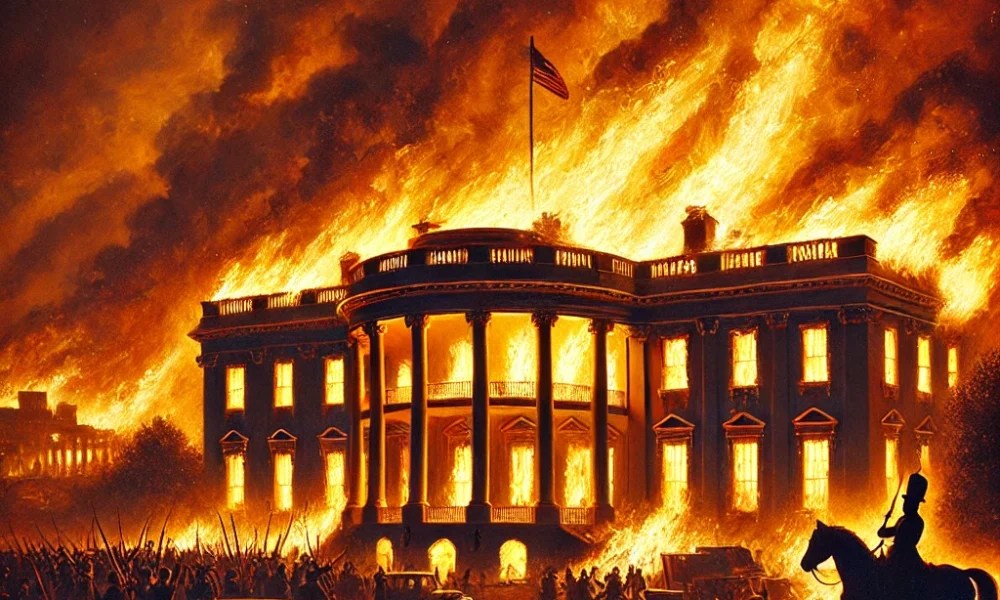
From Tehran to Taiwan: The Men Who Built America’s Empire Are Now Writing Its Autopsy The extraordinary significance of the Max Boot interview with former CIA analyst John Culver does not rest merely in the military assessments themselves, severe as they already appear. The deeper significance rests in who is speaking, where they are speaking,… Continue reading
AI and Digital Control, America, China, East Africa, economics, Energy, Financial markets, Foreign Policy, Geopolitics, Global Finance, iran, israel, NATO, politics, reserve currency, warAmerican decline, American empire, American Power, Atlanticism, Belt and Road Initiative, China, containment strategy, de-dollarisation, defence policy, empire, energy politics, Eurasia, Eurasian integration, Geopolitics, Geostrategy, global hegemony, global order, great power competition, imperial overstretch, Indo-Pacific, Indo-Pacific strategy, Industrial Capacity, international relations, iran, John Culver, maritime power, Max Boot, military industrial complex, Military Primacy, military strategy, multipolar world order, NATO, Neoconservatism, petrodollar, political economy, Project for the New American Century, Robert Kagan, Russia, sanctions, South China Sea, Strait of Hormuz, Strategic Competition, Strategic Decline, taiwan, Taiwan Strait, Ukraine war, unipolarity, US foreign policy, US Hegemony, US Navy, US-China relations, Washington Consensus, West Asia
