
war
-
Moscow tells Berlin to stop arming Kiev instead of preaching peace

The Russian Foreign Ministry spokeswoman argues Germany should stop supporting Kiev militarily instead of calling on Moscow to end the conflict. Russian Foreign Ministry spokeswoman Maria Zakharova has dismissed a German diplomat’s suggestion that Russia end the Ukraine conflict as a way to resolve fuel shortages, arguing instead that Germany should stop supporting Kiev militarily.… Continue reading
AI and Digital Control, America, EUROPE, Financial markets, Foreign Policy, Geopolitics, imperialism, iran, israel, Mineral Resources, NATO, neocolonialism, Russia, warBanderites, Berlin, crimea, diplomacy, drone strikes, energy infrastructure, fuel shortages, German Embassy, Germany, international relations, kiev, Lena Hillermeier, Maria Zakharova, Military Aid, moscow, proxy war, Russia, Russia-Ukraine conflict, Russian Foreign Ministry, Stepan Bandera, ukraine, vladimir putin -
Two Fronts, One Strategic Architecture
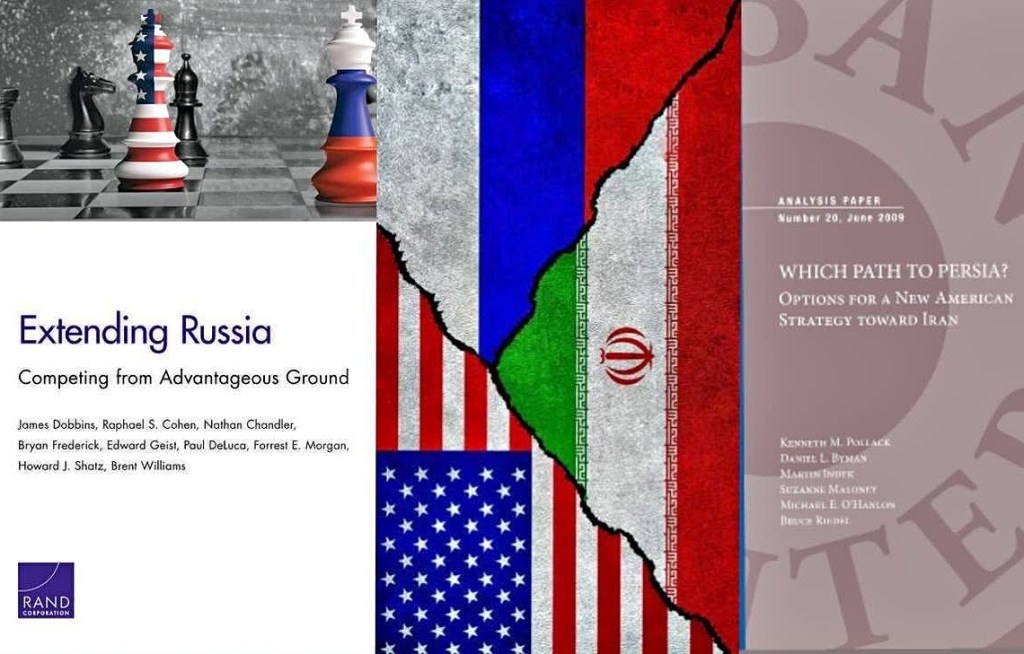
How RAND’s Russia strategy and Brookings’ Iran strategy were written into the wars that followed RAND Corporation is not an independent commentator sitting outside the American state. It is a federally funded research and development centre that has operated under standing contract to the US Army, the Air Force, and the Office of the Secretary… Continue reading
-
The Proxy War
How EU Financing, NATO Procurement, British Weapons Programmes and the Command of Negotiations Sustain Ukraine’s War Effort On 3 July, President Vladimir Putin appeared in military fatigues at a forward command post in Donbas, a day after Russian forces launched one of the largest combined drone and missile strikes of the war against Kyiv. The… Continue reading
-
Decline on the World Stage

Strategic Solvency, Institutional Interventions, and the Structural Attrition of the Transnational System Editorial Analysis |July 2026 The Strategic Insolvency of Asymmetric Conflict The structural stability of a global superpower depends on maintaining strategic solvency, a condition where external military commitments remain balanced by domestic fiscal capacity and industrial endurance. The deployment of significant American military… Continue reading
-
America’s Terrorist Pipeline For War with China
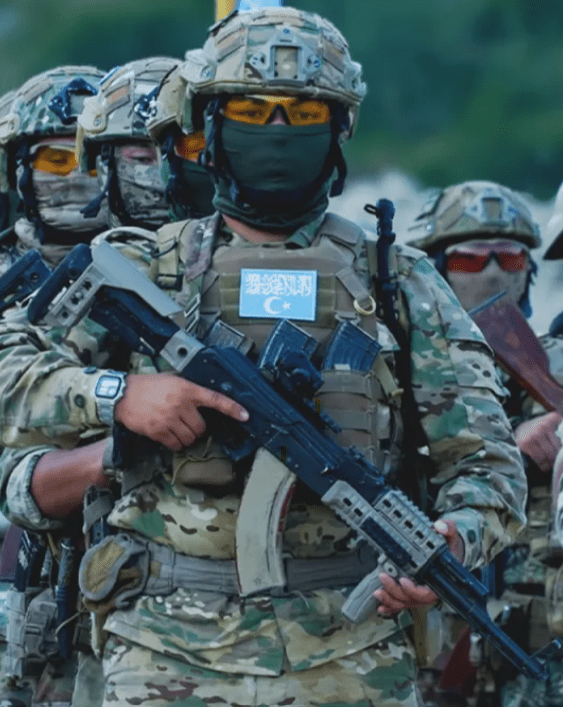
Two recent decisions to remove designated terrorist organisations from US lists sit inside a longer pattern of tactical realignment against China and Russia National Public Radio published a lengthy feature on 17 May 2026 profiling Uyghur fighters who helped topple the Assad government in Syria, describing them through interviews conducted in Idlib and Jisr al-Shughur… Continue reading
AI and Digital Control, America, China, economics, Energy, Financial markets, Foreign Policy, Geopolitics, Global Finance, imperialism, iran, israel, middle east, Mineral Resources, NATO, neocolonialism, politics, reserve currency, Russia, warAhmed al-Sharaa, Balochistan Liberation Army, China containment, China Pakistan Economic Corridor, East Turkestan Islamic Movement, Foreign Policy, Geopolitics, Hay’at Tahrir al-Sham, Information Operations, National Endowment for Democracy, proxy warfare, terrorist designation, Turkestan Islamic Party, United States foreign policy, Uyghur fighters Syria, Xinjiang -
America at Two Hundred and Fifty- A Spectacle of Decline and Questions Over Who Actually Rules

Food stamps, opioid deaths and a cage fight on the White House lawn, read against rival theories of American power On 14 June 2026, President Donald Trump marked his eightieth birthday and the run-up to the semiquincentennial of American independence with a mixed martial arts card staged on the South Lawn of the White House,… Continue reading
-
Washington’s Widening Front Against Multipolarism
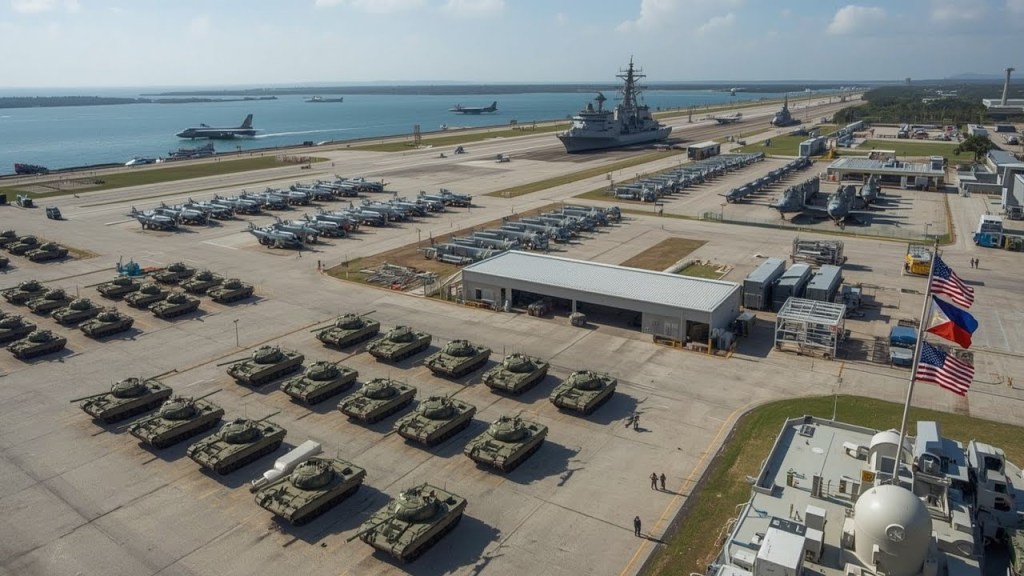
Three theatres – Iran, Ukraine, and now the Philippines – one recurring pattern of escalation dressed as restraint On 21 June 2026, American aircraft struck the Fordow, Natanz and Isfahan nuclear sites in Iran, an operation Donald Trump ordered after months of on-again, off-again negotiation. A ceasefire followed on 24 June, and on 17 June… Continue reading
-
The Gloves Are Off
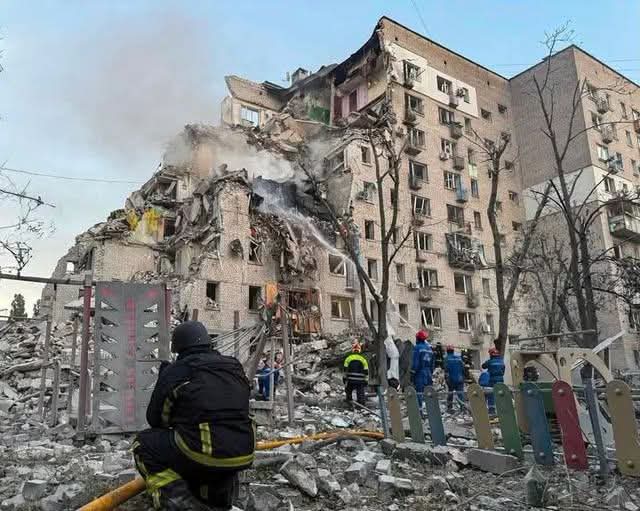
Russia’s Strategic Shift from Negotiation to Military Victory in Ukrain The trajectory of the war in Ukraine has entered a new phase, defined less by the ebb and flow of frontline manoeuvres than by a fundamental strategic reassessment in Moscow. For months, Russian officials had invoked the “spirit of Anchorage”, a term referencing the August… Continue reading
AI and Digital Control, America, Energy, EUROPE, Financial markets, Foreign Policy, Geopolitics, Global Finance, imperialism, iran, israel, NATO, neocolonialism, politics, Russia, warAnchorage agreements, attrition warfare, Bulgaria sanctions, conflict analysis, deindustrialization, donbas, Drone Warfare, energy infrastructure targeting, Escalation dynamics, EU summit 2026, European Union, geopolitical assessment, historical memory, hypersonic missiles, international diplomacy, Kherson, Kinzhal, lavrov, military escalation, military victory, military-industrial capacity, Poland-Ukraine relations, putin, rubio, Russia Ukraine War, Russian offensive, Russian Security Council, Russian strategy shift, strategic reassessment, total war, Trump, Ukraine war analysis, Volhynia massacre, war termination, WWII collaboration, Zaporizhzhia -
The Price Shock – How Chinese Open-Weight AI Is Dismantling Silicon Valley’s Business Model

How DeepSeek and Zhipu AI exposed the assumptions on which $1.8 trillion in Western AI valuations rest Editorial Analysis | July 2026 I. The Regulatory Hearing as Commercial Theatre Sam Altman appeared before the Senate Judiciary Subcommittee on Privacy, Technology, and the Law on 16 May 2023, delivering testimony that a senior Democratic senator described… Continue reading
-
The United States Exploits Information Vulnerability to Topple Nations
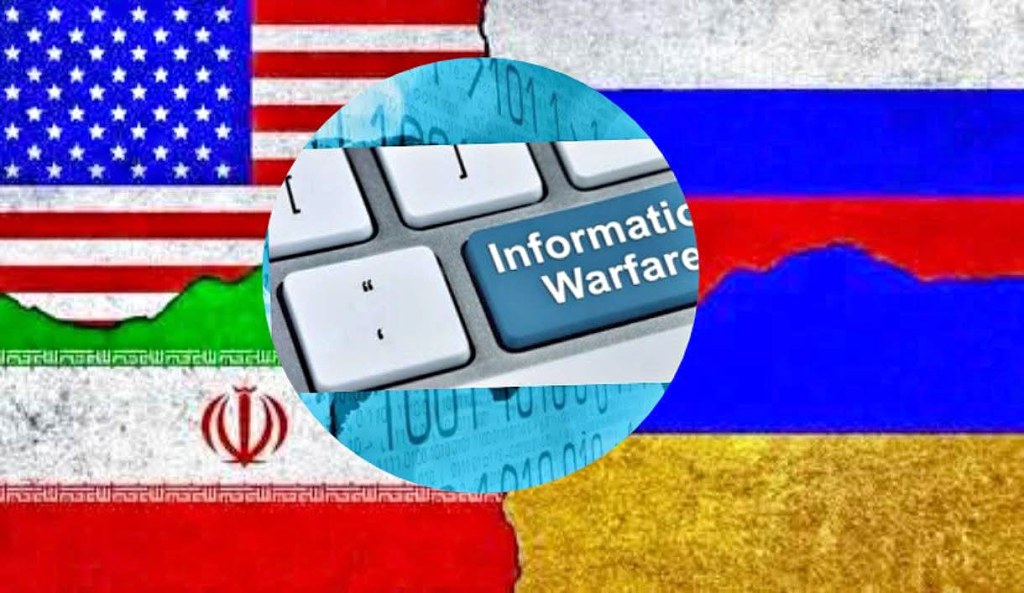
How the systematic weaponisation of media, civil society, and algorithmic infrastructure has supplanted conventional military force as the decisive instrument of geopolitical competition Editorial Analysis | June 2026 I. The Redefinition of Sovereignty in the Information Age Sovereignty, in the framework inherited from the 1648 Peace of Westphalia, rested on territorial integrity, military capacity, and… Continue reading
