
asymmetric warfare
-
Gate of Tears, Strait of No Return

How simultaneous chokepoint warfare has trapped global trade between two narrowing exits, a strategic game the West cannot easily exit The Houthi declaration of entry into the war alters the structure of the conflict in a measurable way that can be tested against known data on maritime flows, energy dependency, escalation theory, and capital market… Continue reading
AI and Digital Control, America, economics, Energy, EUROPE, Financial markets, Foreign Policy, Geopolitics, iran, israel, middle east, NATO, politics, Russia, warasymmetric warfare, bab el mandeb, chokepoint warfare, economic warfare., energy crisis, energy infrastructure attacks, Escalation dynamics, Financial markets, Game Theory, Geopolitics, global inflation, global trade disruption, houthis, Iran strategy, maritime security, Middle East conflict, multipolar world order, oil markets, oil price volatility, petrodollar system, proxy warfare, red sea crisis, regime resilience, shipping routes, sovereign debt risk, Strait of Hormuz, strategic endurance, supply chains, Ukraine-Russia war, Yemen war -
Iran as an Underdog has Proven Effective and now Holds Significant Leverage

The consequences of underestimation and misreading capability by the United States and Israel has resulted in measurable strategic cost The available evidence indicates that the scale and resilience of Iranian state capacity under sustained attack have been materially underestimated in much Western policy analysis, despite repeated cautions issued over several years by academic specialists in… Continue reading
AI and Digital Control, America, China, economics, Energy, EUROPE, Financial markets, Foreign Policy, Geopolitics, Global Finance, iran, israel, NATO, politics, warasymmetric warfare, conflict analysis, cost imposition strategy, decentralised defence, deterrence, Drone Warfare, Escalation dynamics, geopolitical leverage, Gulf security, hybrid warfare, iran, israel, Middle East geopolitics, military doctrine, military miscalculation, missile warfare, regional power balance, state resilience, Strait of Hormuz, strategic resilience, strategic studies, underdog, United States, war of attrition -
A War Iran Does Not Need to Win Decisively
Why the Trump-Israel coalition’s wider objectives are easier to frustrate than Iran’s narrower aim of survival and retaliation revealing the asymmetry between preserving a state and trying to break one Iran holds the cards because it is fighting defensively on its own terrain, with time, geography and economic leverage on its side; Trump blundered by… Continue reading
-
The Security Council’s Selective Condemnation of Iran
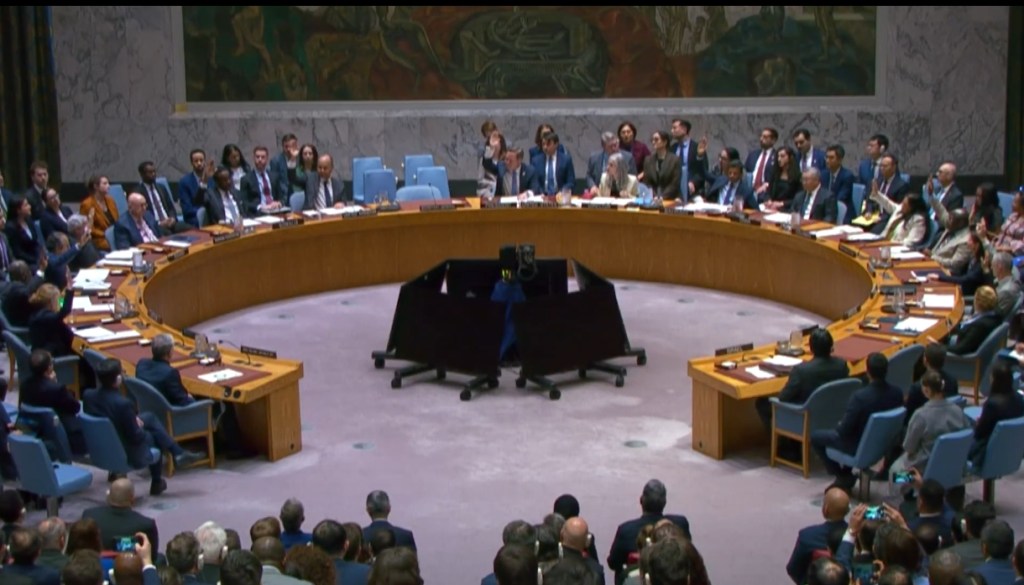
How the UN Resolution on Iran Omitted the Origins of the Conflict and Reflected the Politics of Power The resolution adopted by the United Nations Security Council condemning Iran’s military actions across the Gulf has been presented as a clear statement in defence of regional stability. Yet the circumstances surrounding the vote raise serious questions… Continue reading
AI and Digital Control, America, Carribean, East Africa, economics, Energy, EUROPE, Financial markets, Foreign Policy, Geopolitics, iran, israel, middle east, NATO, politics, Russia, warasymmetric warfare, Condemnation, Drone Warfare, economic disruption, economic warfare., energy security, geopolitical economy, geopolitical strategy, global energy markets, Gulf security, international diplomacy, iran, israel, Middle East geopolitics, military strategy, missile warfare, oil markets, sanctions, Strait of Hormuz, strategic deterrence, UN Resolution, UN Security Council, United Nations, United States, war of attrition, war termination -
The Hormuz Pressure Point Forces a Diplomatic Search for a Face-Saving Settlement
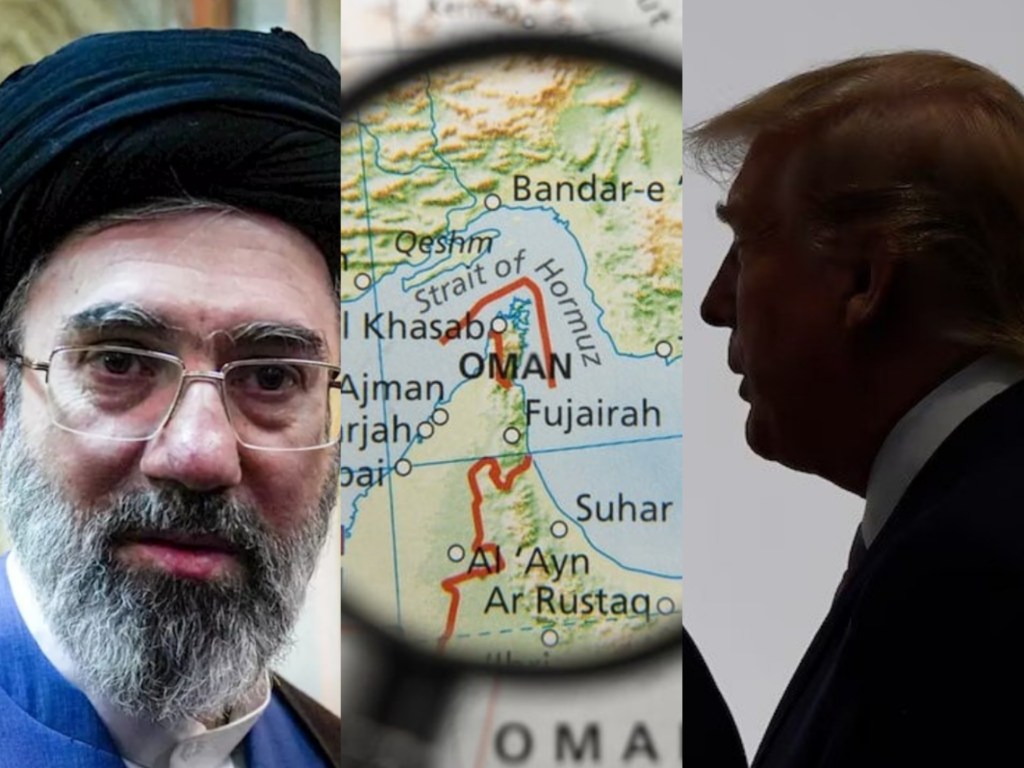
Oil market destabilisation reshapes battlefield calculations imposing a strategic dilemma of war termination under conditions of asymmetric pressure Strategic conflict between the Islamic Republic of Iran and the United States–Israel alliance developed across nearly half a century of sanctions, covert operations, proxy warfare, assassinations of Iranian officials and nuclear scientists, and repeated military confrontations across… Continue reading
AI and Digital Control, America, economics, Energy, Financial markets, Foreign Policy, Geopolitics, Global Finance, iran, israel, middle east, Mineral Resources, NATO, politics, reserve currency, Russia, warasymmetric warfare, Drone Warfare, economic disruption, economic warfare., energy security, geopolitical economy, geopolitical strategy, global energy markets, Gulf security, international diplomacy, iran, israel, Middle East geopolitics, military strategy, missile warfare, oil markets, sanctions, Strait of Hormuz, strategic deterrence, United States, war of attrition, war termination -
Shock Doctrine Decapitation or Deterrence

Washington’s pursuit of rapid decapitation confronts Tehran’s doctrine of attritional survival March 1, 2026 marked the second day of renewed United States military operations against the Islamic Republic of Iran, described by observers as either a new war of aggression or the continuation of hostilities initiated during the previous year. Early operational reporting indicated that… Continue reading
AI and Digital Control, Financial markets, Foreign Policy, Geopolitics, Global Finance, Health, israel, Latin America, middle east, NATO, politics, Russia, warairpower strategy, asymmetric warfare, attrition warfare, ballistic missiles, Clausewitz, decapitation strategy, Drone Warfare, Escalation dynamics, iran, Islamic Revolutionary Guard Corps, Middle East security, military doctrine, mosaic defence doctrine, political economy of war, regime change, sanctions resilience, strategic endurance, Sun Tzu, United States, war of aggression -
Convergence in the Persian Gulf
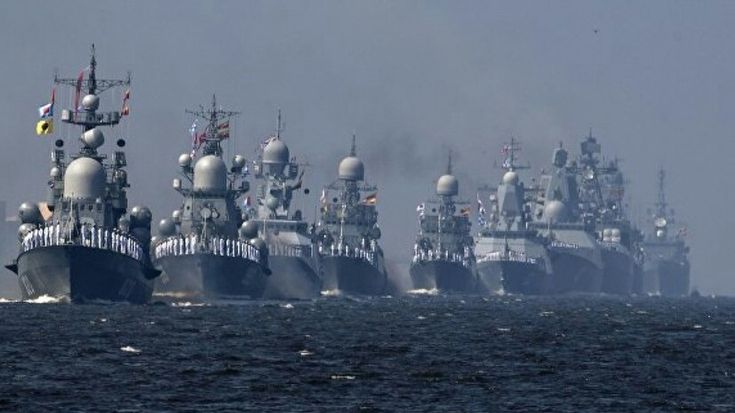
Convergence among Iran, China, and Russia in the Strait of Hormuz alters American risk calculations, though it does not remove the structural capacity of the United States to initiate military action. American primacy in the Strait of Hormuz rests upon a maritime doctrine shaped by Alfred Thayer Mahan’s classic argument that control of sea lanes… Continue reading
AI and Digital Control, China, economics, Energy, EUROPE, Financial markets, Foreign Policy, Geopolitics, Global Finance, israel, middle east, Mineral Resources, NATO, politics, Russia, warasymmetric warfare, BRICS, China, deterrence theory, energy security, Eurasian integration, Fifth Fleet, financial warfare, great power competition, Gulf geopolitics, iran, Maritime Security Belt, multipolarity, naval strategy, Persian Gulf, Russia, sanctions, sea power, Strait of Hormuz, United States Navy -
Gaza’s Two-Month Deadline To Disarm

Why enforced disarmament under occupation fails to produce stability The purpose of this analysis is to examine the reported joint Israeli and United States decision to impose a fixed two-month deadline for Hamas disarmament, and to assess what that decision reveals about current power structures, negotiation practices, and enforcement realities in Gaza. The case matters… Continue reading
asymmetric warfare, automation, capitalism, ceasefire violations, civilian protection, coercive diplomacy, conflict governance, distribution by price, ecological limits, enforcement mechanisms, food insecurity, gaza, global food system, global inequality, Hamas disarmament, hunger, international law, Israel Palestine conflict, labour displacement, market failure, Middle East geopolitics, military occupation, ownership and power, political economy, rent extraction, surplus and scarcity, technofeudalism, US Israel relations -
Russia Achieves Strategic Advantage in the 2025 Arms Race

Nuclear-powered systems, hypersonic deterrence, force modernisation, and asymmetric operational adaptation By 2025, trends in defence investment, procurement cycles, and weapons testing across major military powers showed a clear intensification of strategic competition. This was driven by sustained European militarisation, continued Western support for Ukraine’s armed forces, and the expansion of United States defence programmes described… Continue reading
