
Middle East conflict
-
Gate of Tears, Strait of No Return
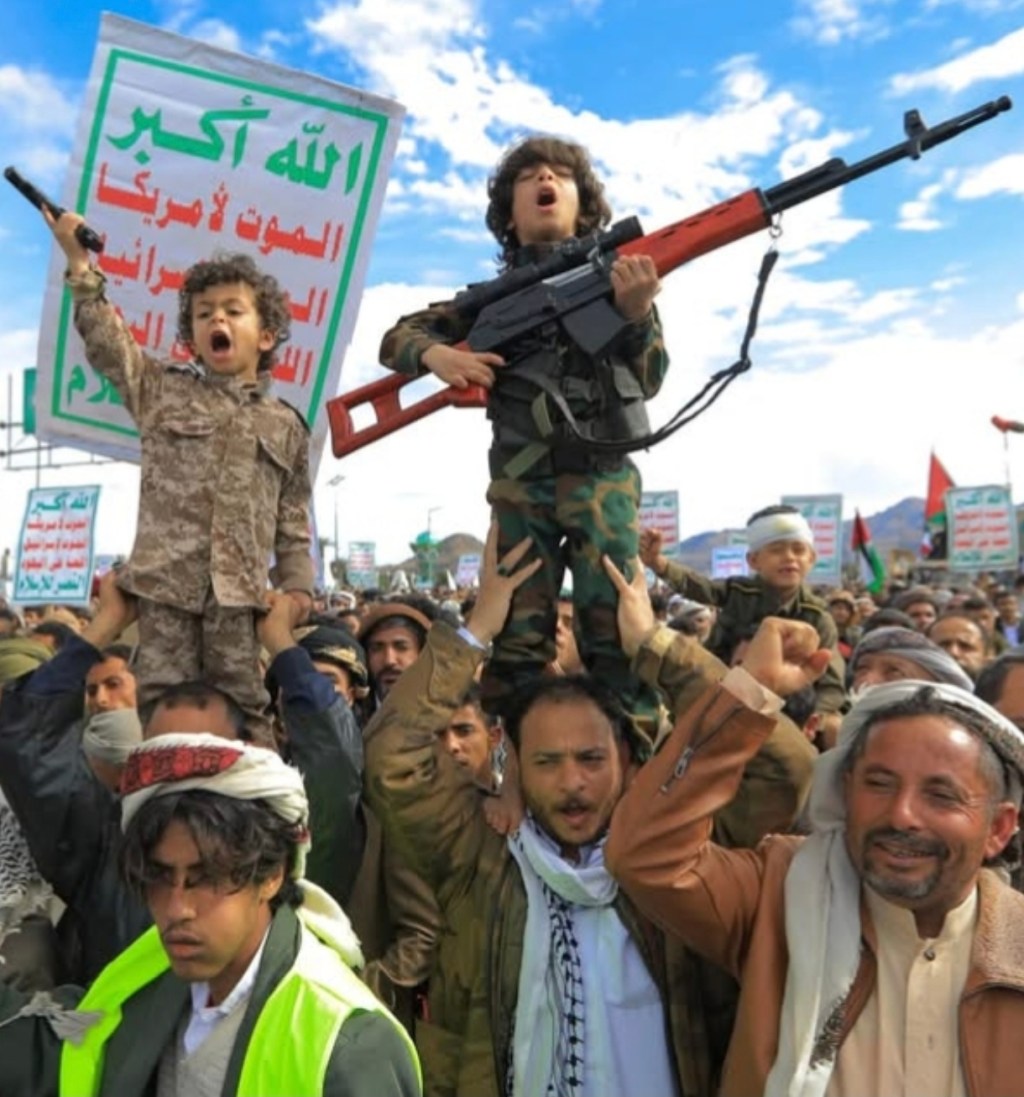
How simultaneous chokepoint warfare has trapped global trade between two narrowing exits, a strategic game the West cannot easily exit The Houthi declaration of entry into the war alters the structure of the conflict in a measurable way that can be tested against known data on maritime flows, energy dependency, escalation theory, and capital market… Continue reading
AI and Digital Control, America, economics, Energy, EUROPE, Financial markets, Foreign Policy, Geopolitics, iran, israel, middle east, NATO, politics, Russia, warasymmetric warfare, bab el mandeb, chokepoint warfare, economic warfare., energy crisis, energy infrastructure attacks, Escalation dynamics, Financial markets, Game Theory, Geopolitics, global inflation, global trade disruption, houthis, Iran strategy, maritime security, Middle East conflict, multipolar world order, oil markets, oil price volatility, petrodollar system, proxy warfare, red sea crisis, regime resilience, shipping routes, sovereign debt risk, Strait of Hormuz, strategic endurance, supply chains, Ukraine-Russia war, Yemen war -
US-Israel-Iran Standoff Shows Settlement Depends on Battlefield Outcomes, not Talks
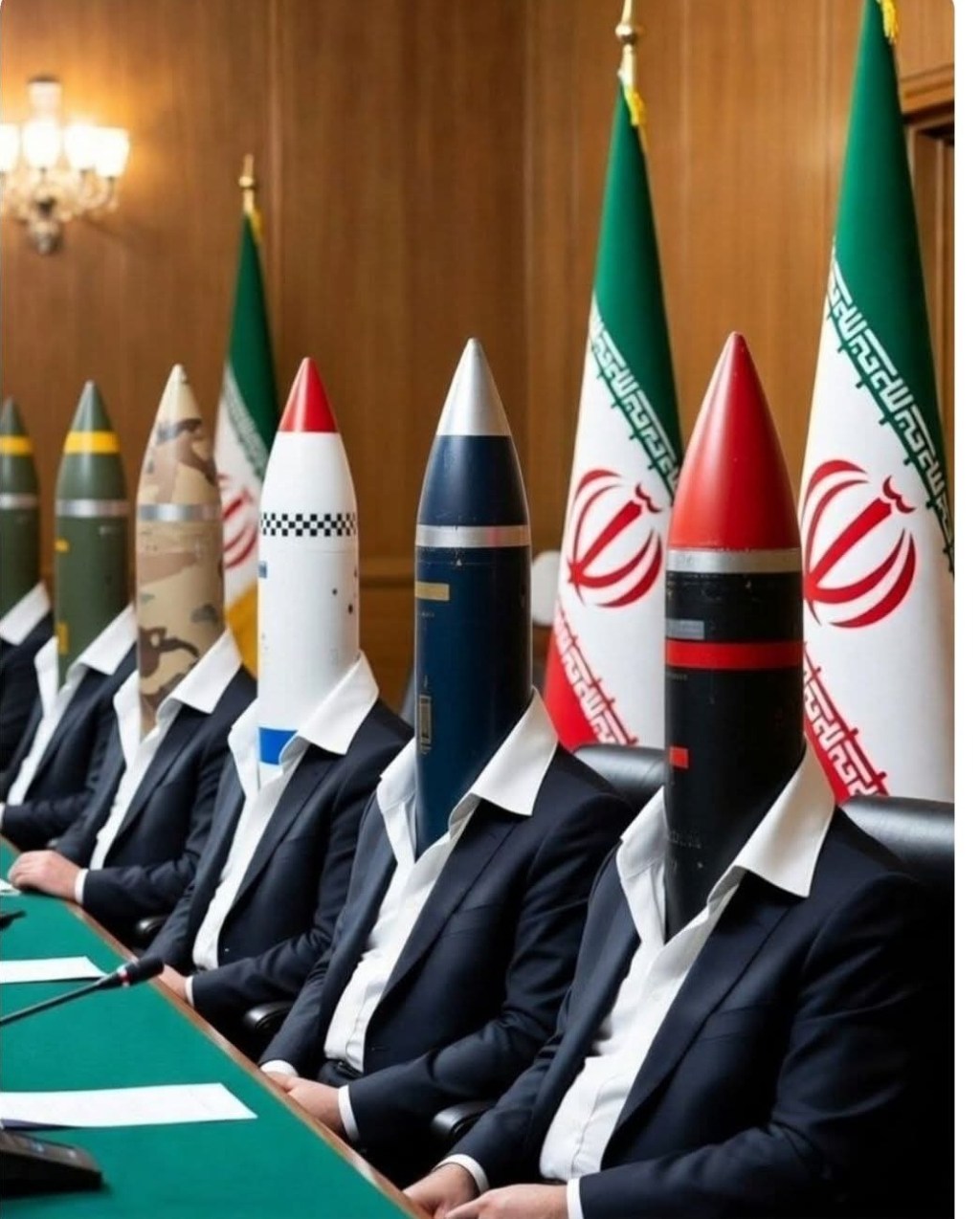
Iran conditions talks on guarantees and concessions while US proposals require prior compliance, leaving negotiations structurally blocked and raise likelihood of battlefield resolution Recent reporting from The Telegraph reflects a position carried through Gulf and Iranian channels over several days, describing a breakdown in direct contact after a meeting in Geneva on February twenty six,… Continue reading
AI and Digital Control, America, economics, EUROPE, Financial markets, Foreign Policy, Geopolitics, Global Finance, Health, iran, israel, middle east, Mineral Resources, NATO, politics, reserve currency, warbargaining model of war, battlefield dynamics, Brent Crude Oil, Carl von Clausewitz, coercive diplomacy, credible commitment, deterrence, economic impact, energy markets, Game Theory, Geopolitics, iran, Middle East conflict, military strategy, nuclear policy, sanctions, strategic studies, US Israel relations, war and negotiation -
The Cost of Containing China to Maintain Primacy

After failed tariff policy and strategic miscalculation in Iran, Western strategy has shifted toward energy control and expanded conflict, seeking to defend the dollar system through measures that risk sustained global economic disruption in efforts to contain China Western strategy toward China has entered a compressed time horizon shaped by the perception among policy planners… Continue reading
AI and Digital Control, America, China, economics, Energy, EUROPE, Financial markets, Foreign Policy, Geopolitics, Global Finance, iran, israel, middle east, Mineral Resources, NATO, politics, reserve currency, Russia, warautomation, BRICS, China, de-dollarisation, dollar hegemony, economic warfare., energy markets, energy security, Geopolitics, global trade, globalisation, industrial decline, industrial policy, Infrastructure, iran, manufacturing, Middle East conflict, reserve currency, Strait of Hormuz, supply chains, tariffs, United States, yuan settlement -
An Ethnic Cleansing Campaign Is Underway in the West Bank
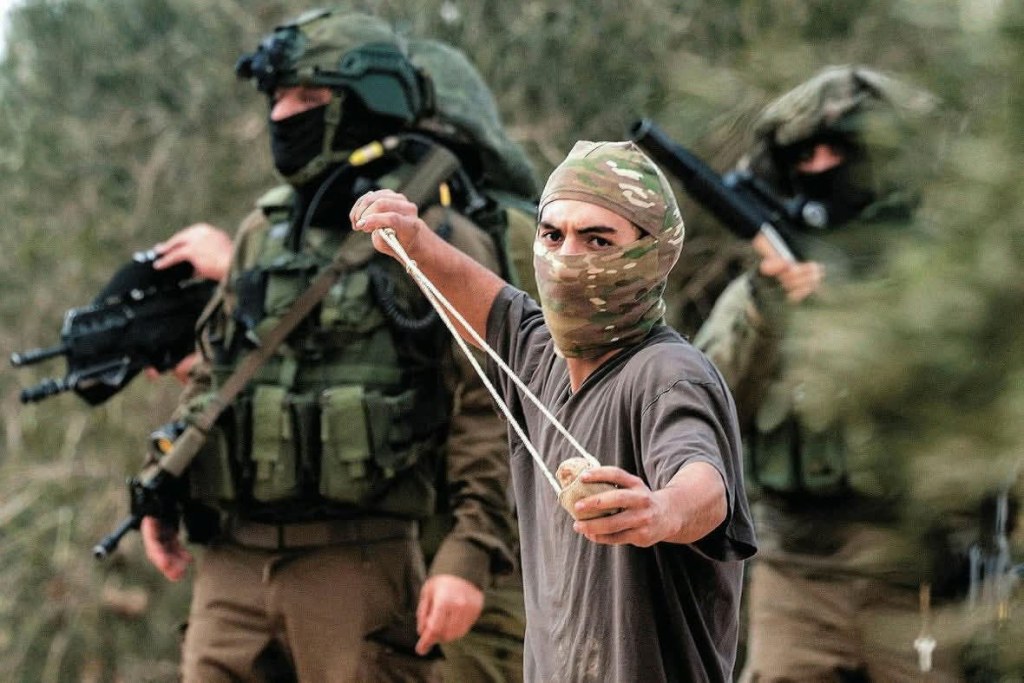
Israeli accounts describe organised militia in “Hundreds” operating with official support as Israeli MPs define the violence as terrorism A pattern of organised removal of Palestinians from land in the West Bank cannot be understood as a recent deviation, given the historical record extending from the Nakba through successive phases of territorial consolidation. Large-scale displacement… Continue reading
annexation, Ehud Olmert, ethnic cleansing, forced displacement, International Criminal Court, international law, Israel Police, Israeli politics, Israeli security forces, Israeli settlements, Itamar Ben-Gvir, Meirav Cohen, Middle East conflict, Nakba, occupation, Palestinian displacement, settler militias, settler violence, Shin Bet, West Bank -
A Shift in Israel’s Strategy Toward War’s End

A New Phase: Israel Considers the Endgame While Iran Resiliently Endures The conflict in Iran has reached a point of marked exhaustion. Senior former Israeli IDF intelligence officials are now openly suggesting that Israel should cease its military operations. According to reports, this view is shared by individuals like Yossi Melman, who spoke with a… Continue reading
-
Europe Divided as War with Iran Tests the Union’s Strategic Identity

A public clash between EU leaders reveals deeper tensions over intervention, the limits of the rules-based order, and Europe’s role in a widening Middle Eastern conflict. A rare public disagreement between senior European Union leaders has exposed a widening strategic divide within the bloc over the United States-Israeli war against Iran, raising questions about Europe’s… Continue reading
-
Iran Rejects Ceasefire Demands Permanent End to War and External Pressure
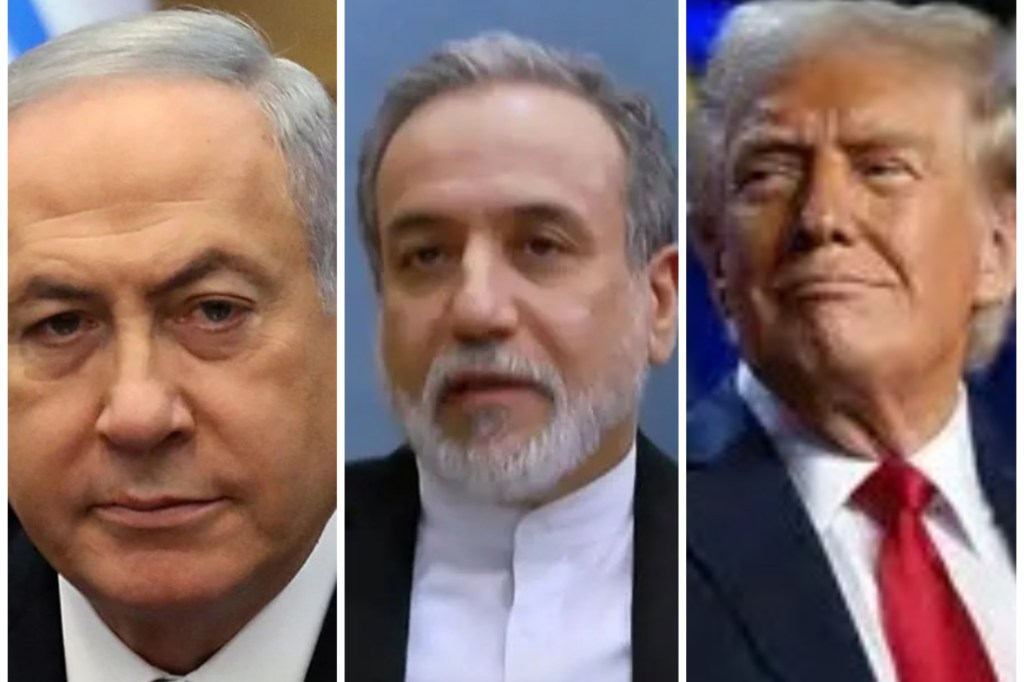
Iranian leadership argues that temporary truces only preserve the strategic conditions that have produced decades of confrontation since the 1979 revolution. Iranian refusal to accept a temporary ceasefire reflects a strategic calculation rooted in the historical pattern of hostilities directed against the Islamic Republic since the 1979 revolution. Tehran frames the current confrontation as the… Continue reading
AI and Digital Control, America, China, economics, Energy, EUROPE, Financial markets, Foreign Policy, Geopolitics, iran, israel, middle east, NATO, politics, Russia, warAbbas Araghchi, ceasefire diplomacy, energy security, Game Theory, Geopolitics, global energy markets, Gulf geopolitics, iran, Iranian foreign policy, IRGC, Israel Iran tensions, Middle East conflict, oil geopolitics, political economy, regional power balance, security architecture, Strait of Hormuz, Sun Tzu, Thomas Schelling, US–Iran relations, war strategy -
Iran Will Win This War
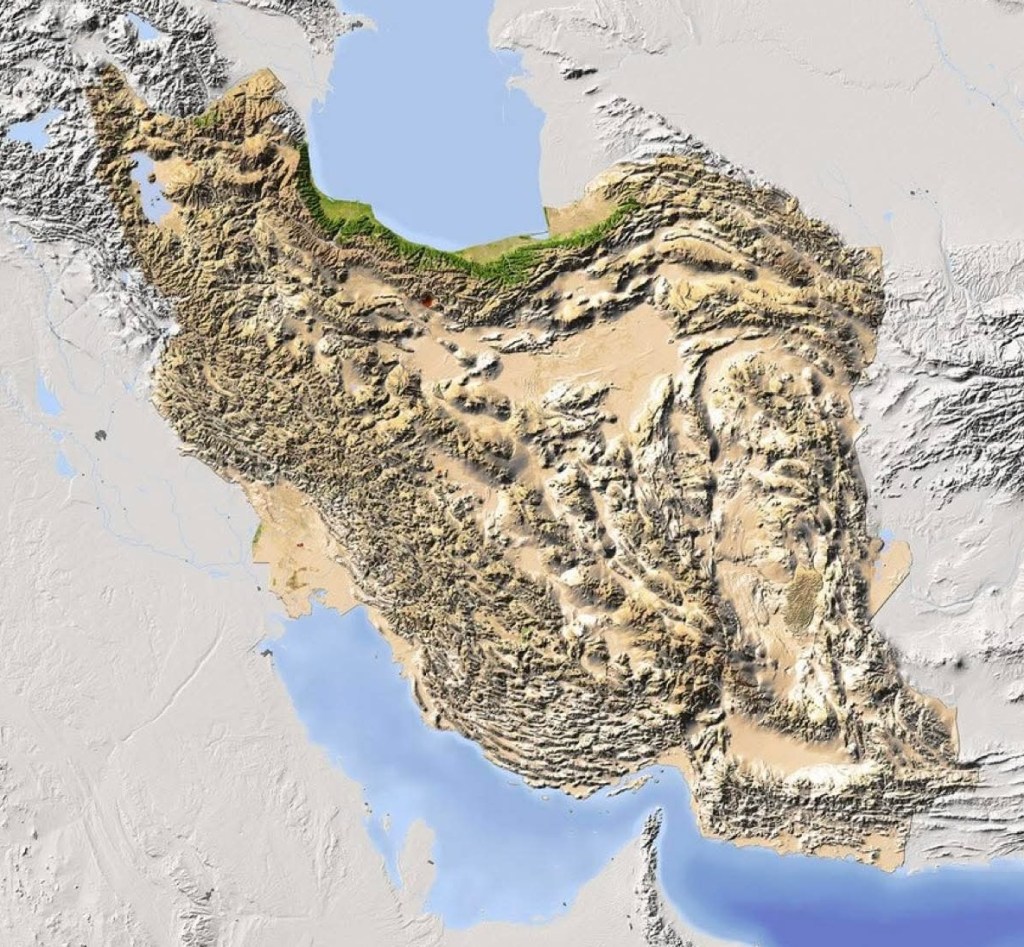
America Is Losing in the Middle East And Fast, Decades of Military Might, Gone in Days. Strategic analysis of the war involving Iran, the United States, and Israel must begin with a clear understanding of the form such a war would take and the structural realities shaping it. Conventional comparisons of aircraft carriers, military spending,… Continue reading
AI and Digital Control, America, China, Energy, EUROPE, Financial markets, Foreign Policy, Geopolitics, Global Finance, iran, israel, Latin America, middle east, NATO, politics, reserve currency, warinternational relations, iran, Iran defense, Iran military preparation, Iran missile capabilities, Iran vs US, Iran war strategy, Middle East conflict, military devastation, military infrastructure, Persian Gulf, regional dominance, Strait of Hormuz, Trump administration, US bases attacked, US foreign policy, US Military, US military history, war analysis, war footage -
If Israel Strikes Iran, It Will Be on Purim

Why Purim, the Fourteenth of Adar, Presents the Most Historically Charged Moment for Confronting Iran as a Deliberate Answer to an Ancient Persian Decree It can be argued that if Israel is going to pick an historic day to strike at Iran, that day would be on Purim (Blood Moon), referred to as the 14th… Continue reading
-
The Persistence of an Unwinnable War
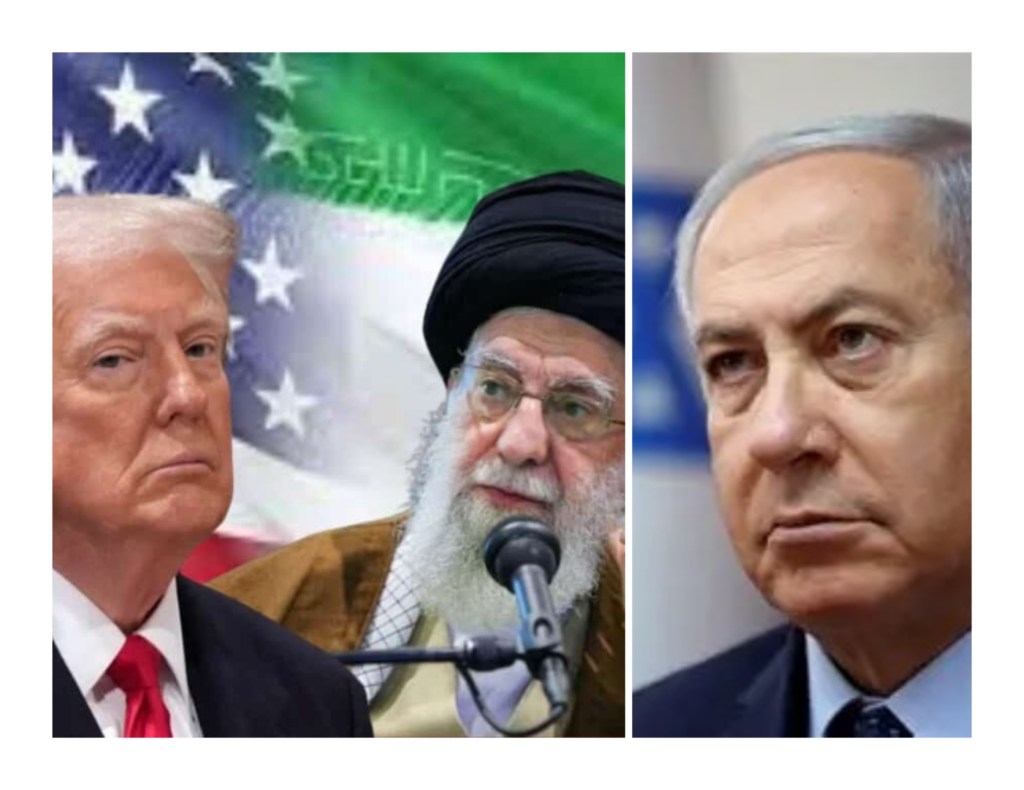
U.S.–Israeli Strategy Has Strengthened the Adversary It Sought to Break and Why Another War Is Likely to Reproduce Past Failures The current phase of confrontation unfolds amid an unprecedented concentration of military and naval forces across the Middle East, creating conditions widely recognised by defence analysts as consistent with imminent large scale conflict. Naval strike… Continue reading
