
Russia
-
U.S. GRAND STRATEGY: Peripheral Pressure and Attrition in the Contest with Iran and Russia

How multi-vector proxy strategies, constrained munitions stocks and energy disruption shape contemporary American attempts to manage relative decline Editorial Analysis | August 2026 American military and intelligence activity directed at Iran has unfolded across several simultaneous vectors rather than through a single decisive campaign. Conventional strikes have been accompanied by continued material and political support… Continue reading
-
The Logic of Controlled Demolition
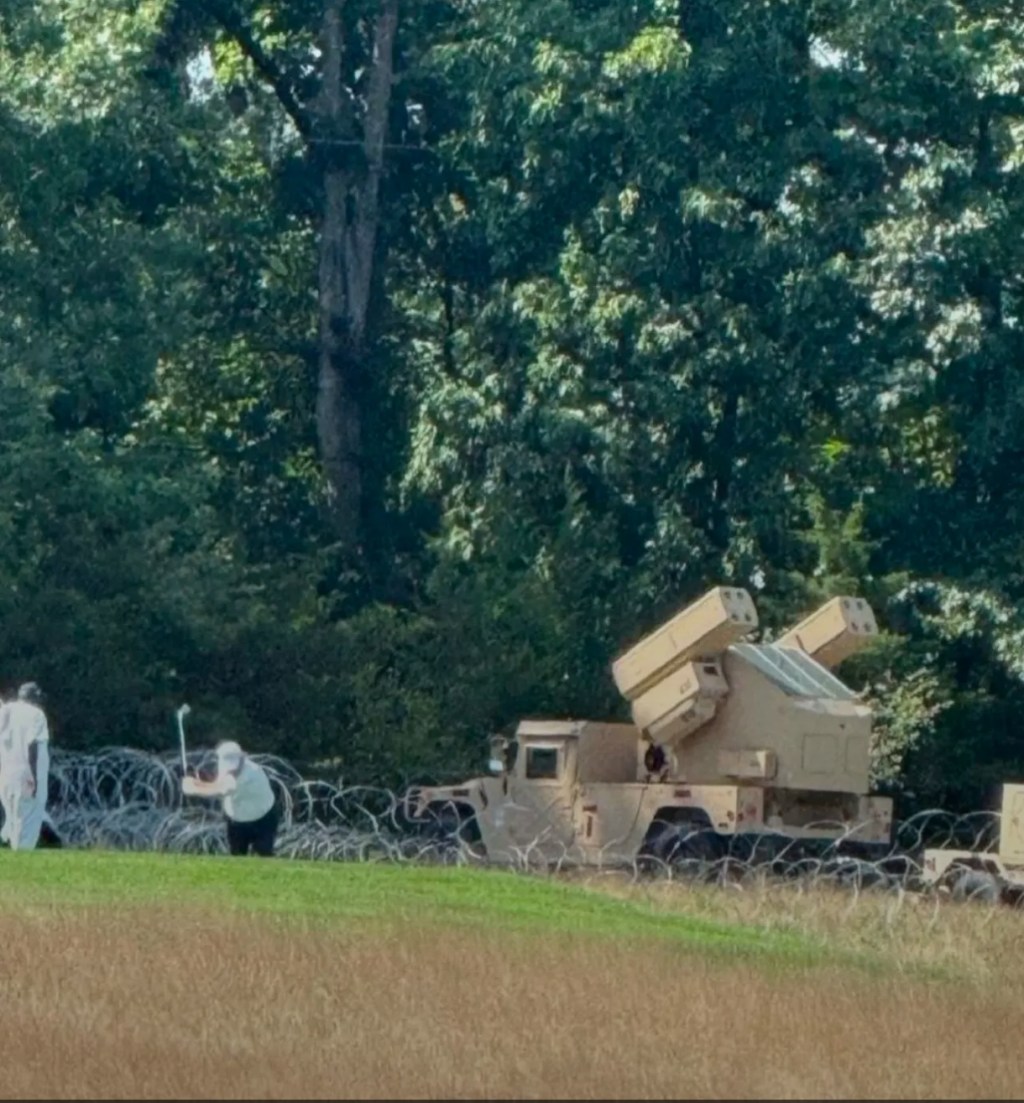
How America’s Parallel Wars in Ukraine and West Asia Reveal a Strategy of Managed Decline The public mood inside Russia has undergone a profound and measurable transformation over recent months, driven by Ukrainian drone strikes that have penetrated the country’s interior with increasing frequency and lethality. The attack on a beach in Gelendzhik on the… Continue reading
-
The Point of No Return?

Why Moscow May Soon Conclude That Striking Drone Facilities in Poland and the Baltics Is a Strategic Necessity General Article | August 2026 The public mood inside Russia has undergone a significant transformation in recent months, driven by the steady expansion of Ukrainian drone strikes into the country’s interior and the increasing frequency with which… Continue reading
-
Russia cannot survive without victory in Ukraine – Medvedev

The West has been using Kiev as a “battering ram” against Moscow, the former president says Russia can only preserve its sovereignty and long-term security by achieving victory in the Ukraine conflict because the West is attempting to weaken and ultimately dismantle the country through Kiev, former President Dmitry Medvedev has said. Medvedev, who serves… Continue reading
-
Russia Tightens the Noose Around Ukraine’s Black Sea Lifeline
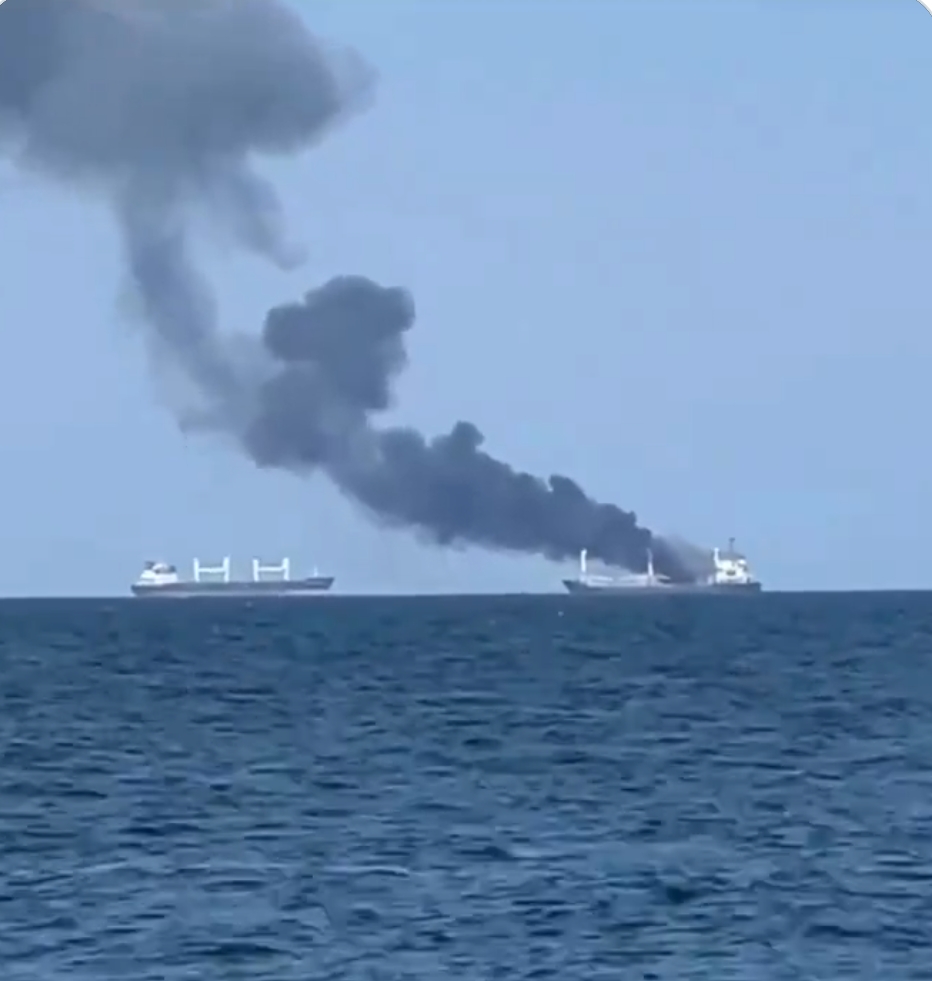
As Moscow escalates strikes on ports and maritime infrastructure, Ukraine faces mounting military, economic, and logistical pressure, prompting an emergency appeal to the UN Security Council. Ukraine has requested an emergency meeting of the UN Security Council after Russia effectively blocked its Black Sea shipping corridor. Foreign Minister Andrii Sybiha said Russian attacks on at… Continue reading
-
Ten Wounded as Ukraine Launches Largest Drone Raid on Moscow in Years
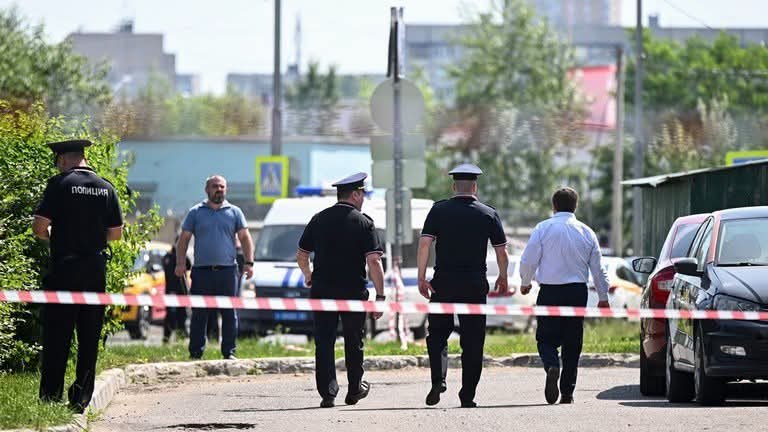
Moscow / Kyiv — July 20, 2026 At least ten people were injured overnight after Ukraine launched more than 400 drones toward Moscow and its surrounding region, in what regional officials described as one of the largest such raids on the Russian capital in recent years. The Attack Moscow Mayor Sergei Sobyanin said air defense… Continue reading
-
Moscow tells Berlin to stop arming Kiev instead of preaching peace

The Russian Foreign Ministry spokeswoman argues Germany should stop supporting Kiev militarily instead of calling on Moscow to end the conflict. Russian Foreign Ministry spokeswoman Maria Zakharova has dismissed a German diplomat’s suggestion that Russia end the Ukraine conflict as a way to resolve fuel shortages, arguing instead that Germany should stop supporting Kiev militarily.… Continue reading
AI and Digital Control, America, EUROPE, Financial markets, Foreign Policy, Geopolitics, imperialism, iran, israel, Mineral Resources, NATO, neocolonialism, Russia, warBanderites, Berlin, crimea, diplomacy, drone strikes, energy infrastructure, fuel shortages, German Embassy, Germany, international relations, kiev, Lena Hillermeier, Maria Zakharova, Military Aid, moscow, proxy war, Russia, Russia-Ukraine conflict, Russian Foreign Ministry, Stepan Bandera, ukraine, vladimir putin -
Two Fronts, One Strategic Architecture
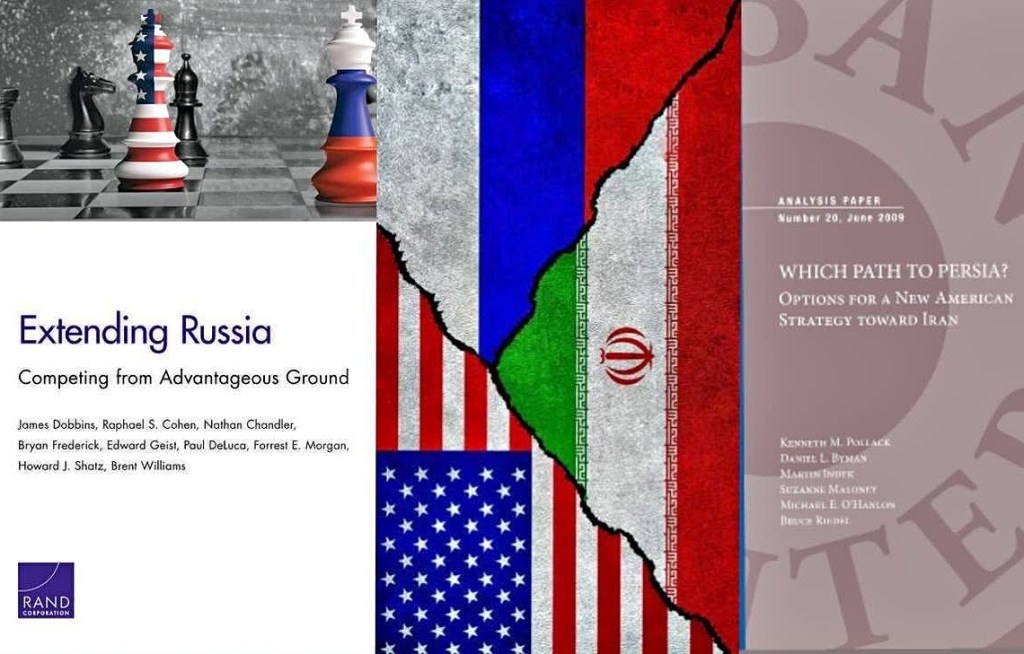
How RAND’s Russia strategy and Brookings’ Iran strategy were written into the wars that followed RAND Corporation is not an independent commentator sitting outside the American state. It is a federally funded research and development centre that has operated under standing contract to the US Army, the Air Force, and the Office of the Secretary… Continue reading
-
The Proxy War
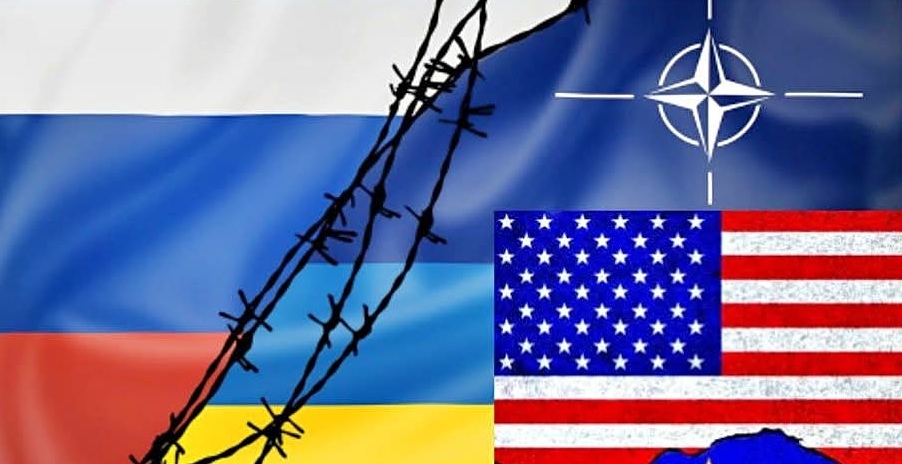
How EU Financing, NATO Procurement, British Weapons Programmes and the Command of Negotiations Sustain Ukraine’s War Effort On 3 July, President Vladimir Putin appeared in military fatigues at a forward command post in Donbas, a day after Russian forces launched one of the largest combined drone and missile strikes of the war against Kyiv. The… Continue reading
-
Estonia loses major sports event after refusing entry to Russian and Belarusian athletes

The dispute shows how international competitions have become entangled with the geopolitical stance against Russia by the West. Estonia has lost the right to host a major European shooting championship after refusing to comply with the governing body’s requirement that eligible Russian and Belarusian athletes be allowed to participate. The European Shooting Confederation (ESC) announced… Continue reading
