
Belt and Road Initiative
-
China’s First Direct Rejection of U.S. Financial Jurisdiction
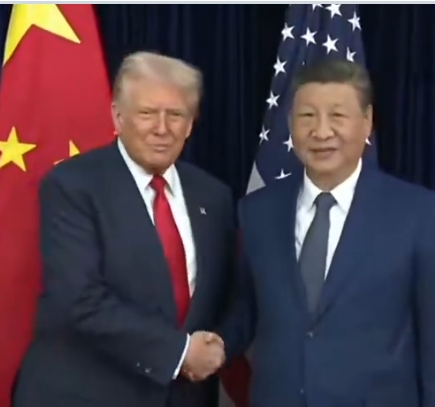
Why Beijing’s refusal to recognise American sanctions marks a structural shift in global financial power A legal border moved across the international system when China’s Ministry of Commerce instructed domestic firms not to recognise, enforce, or comply with United States sanctions against five Chinese refineries. Financial globalisation relied upon a silent assumption that American secondary… Continue reading
AI and Digital Control, America, China, economics, Energy, EUROPE, Financial markets, Foreign Policy, Geopolitics, Global Finance, Health, iran, israel, middle east, Mineral Resources, NATO, politics, reserve currency, Russia, warAnti-Foreign Sanctions Law, Belt and Road Initiative, blocking statute, China sanctions law, Chinese refineries, commodity security, cross-border finance, de-dollarisation, dollar hegemony, economic statecraft, energy geopolitics, energy security, extraterritorial jurisdiction, extraterritorial sanctions, financial coercion, financial decoupling, game theory in geopolitics, geopolitical economy, geopolitical risk, global financial order, global order transition, global supply chains, great power competition, international political economy, Iranian oil trade, legal sovereignty, multipolarity, realist international relations, sanctions compliance, sanctions enforcement, sanctions policy, sanctions resistance, secondary sanctions, sovereign jurisdiction, strategic autonomy, Strategic Competition, systemic rivalry, trade fragmentation, U.S. Treasury sanctions, U.S.–China relations, yuan internationalisation -
Maritime Pressure and the Denial of Stable Energy Corridors to China
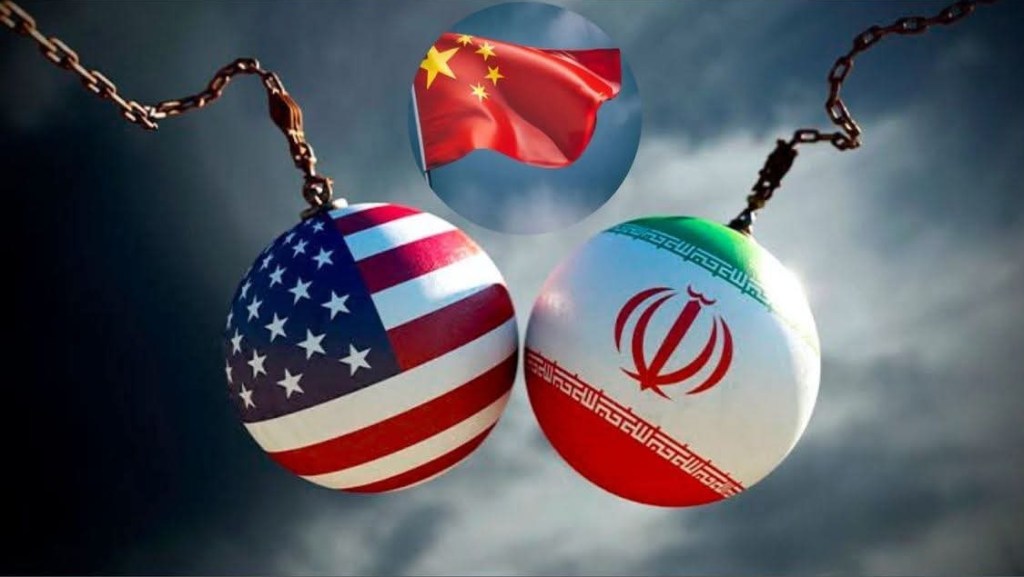
How ceasefire narratives mask the progressive tightening of global energy supply lines into China Energy flows into China are contracting across several supply corridors at the same historical moment, and that contraction marks a structural shift in the organisation of global power. The reduction does not stem from ordinary market volatility, cyclical pricing, or temporary… Continue reading
AI and Digital Control, America, China, economics, Energy, EUROPE, Financial markets, Foreign Policy, Geopolitics, Global Finance, iran, israel, middle east, Mineral Resources, NATO, politics, reserve currency, Russia, warBelt and Road Initiative, blockade strategy, China energy security, energy geopolitics, geopolitical economy, global trade disruption, Iran Sanctions, maritime chokepoints, Middle East conflict, multipolar world order, Russia energy exports, strategic infrastructure, supply chain coercion, US-China rivalry, Venezuela sanctions -
A War on Iran, A Strategy Against China
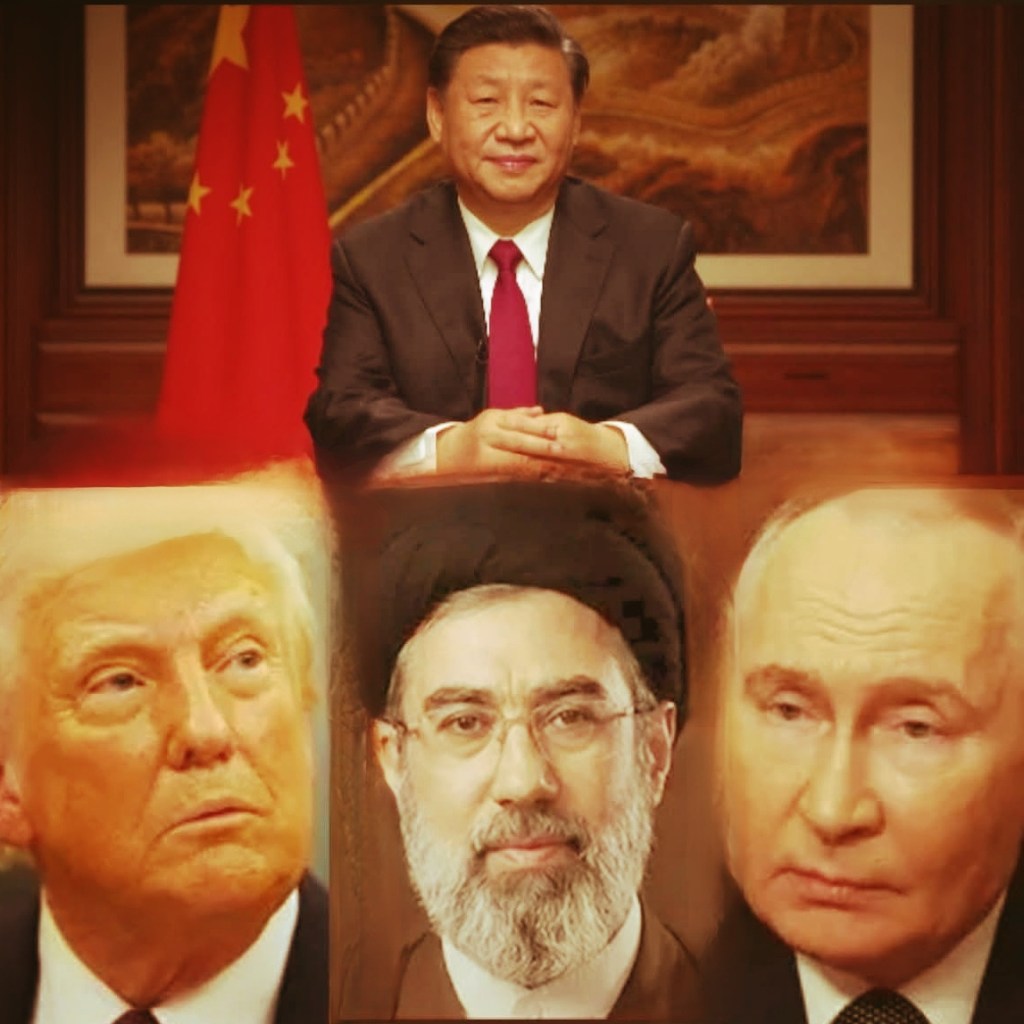
United States policy toward Iran reflects a broader strategy of energy control aimed at constraining China and maintaining systemic primacy The escalation of United States military and economic pressure against Iran must be understood within a broader strategic framework in which energy flows, maritime chokepoints, and financial systems intersect with long-term competition between major powers,… Continue reading
AI and Digital Control, America, China, economics, Energy, EUROPE, Financial markets, Foreign Policy, Geopolitics, Global Finance, iran, israel, middle east, Mineral Resources, NATO, politics, reserve currency, Russia, warBelt and Road Initiative, China containment, CPEC, de-dollarisation, economic warfare., energy geopolitics, energy security, financial systems, Geopolitics, global energy markets, global trade networks, great power rivalry, Iran conflict, maritime chokepoints, military strategy, multipolar world order, naval power, political economy, reserve currency, Russia-China relations, sanctions, Strait of Hormuz, Strategic Competition, supply chains, US foreign policy, US primacy -
China as the Central Obstacle Within the Structural Logic of Confrontation
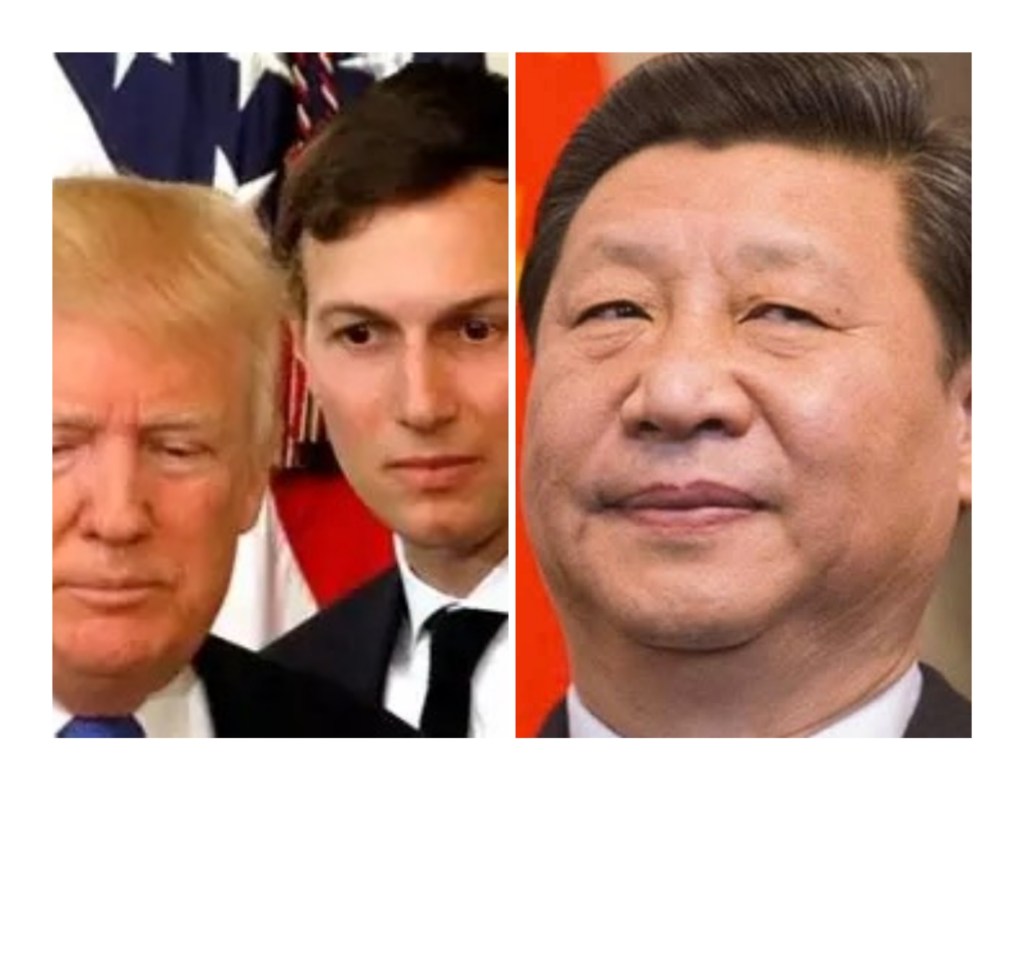
How transnational capital directs United States power to dismantle sovereign development models and preserve global economic control United States policy functions as an extension of transnational capital interests operating through state machinery. A coherent reading of recent geopolitical developments requires attention to structural power rather than electoral cycles or stated doctrine. Analysis grounded in policy… Continue reading
AI and Digital Control, America, China, economics, Energy, EUROPE, Financial markets, Foreign Policy, Geopolitics, Global Finance, iran, israel, middle east, Mineral Resources, NATO, politics, reserve currency, Russia, South East Asia, warBelt and Road Initiative, China, Digital Control, economic warfare., energy security, Eurasia, financial systems, Geoeconomics, Geopolitics, global governance, industrial sovereignty, iran, military strategy, multipolarity, policy continuity, Russia, sanctions, supply chains, transnational capital, United States -
Red Lines and Hard Choices of the US-Iran Standoff
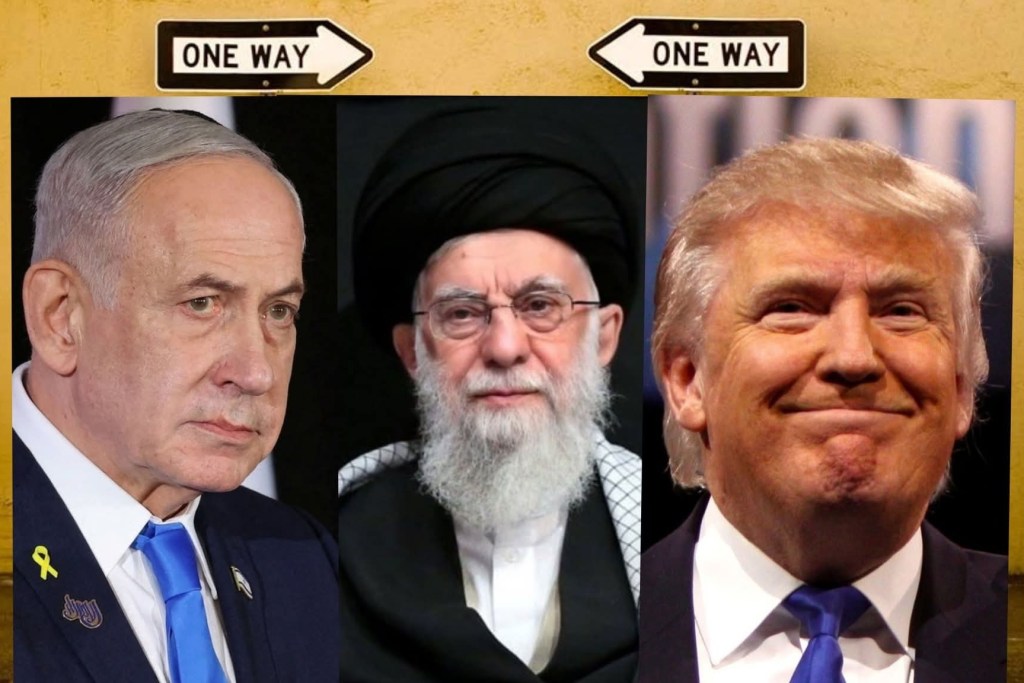
Why the US-Iran Impasse Matters to Global Order The standoff between the United States and Iran marks a clear deadlock over sovereignty, military deterrence, and regional power. Recent indirect negotiations in Muscat between U.S. envoys and Iranian officials produced little progress, showing that the parties’ red lines remain firmly inplacer. Iranian Foreign Minister Abbas Araghchi… Continue reading
