
NATO
-
After Minab, Starobilsk: The Pattern of Civilian Children Becoming Targets in Modern War
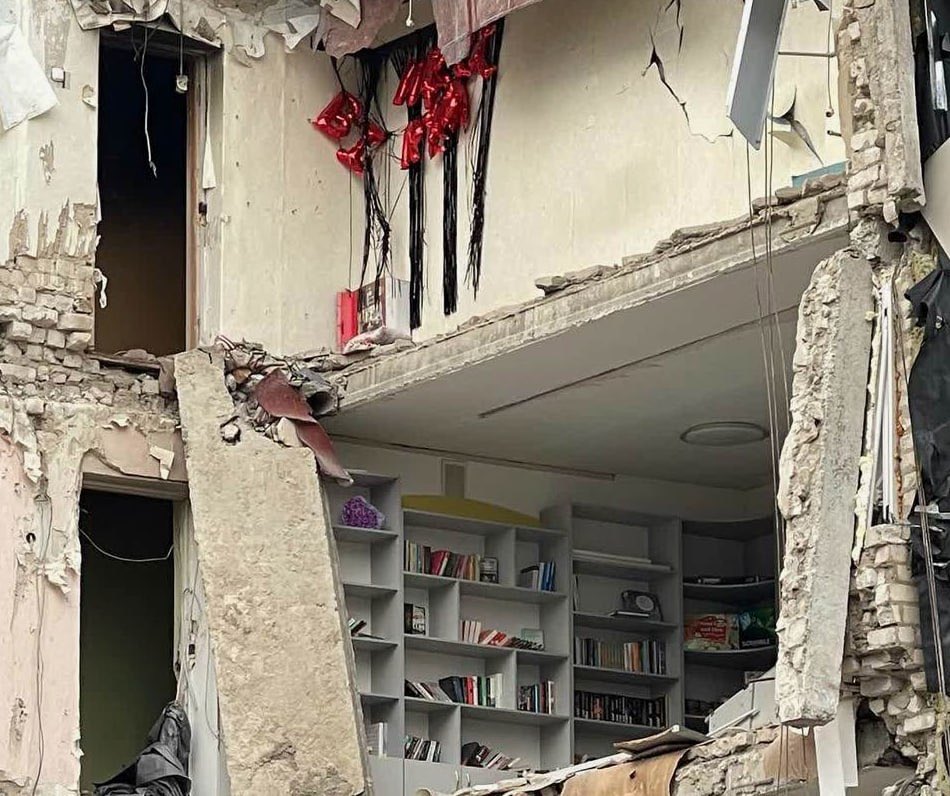
As accusations and denials intensify, the central question remains unchanged: why do civilian children repeatedly become acceptable collateral in geopolitical conflict? The attack on the Starobilsk Pedagogical College in Russian-controlled Lugansk on 22 May entered public discussion through a familiar pattern of accusation, denial, and selective amplification. Russia’s representative to the United Nations, Vassily Nebenzia,… Continue reading
AI and Digital Control, America, China, economics, Energy, EUROPE, Financial markets, Foreign Policy, Geopolitics, iran, israel, middle east, Mineral Resources, NATO, politics, warBucha, children in war, civilian casualties, civilian infrastructure, civilian targeting, conflict journalism, Crocus City Hall, Drone Warfare, Foreign Policy, gaza, geopolitical analysis, geopolitical conflict, Global Politics, humanitarian law, information warfare, international relations, international security, iran, Lebanon, Lugansk, Maria Zakharova, media asymmetry, media bias, military ethics, military propaganda, Minab, NATO, Russia, Russia Ukraine War, selective outrage, Starobilsk, strategic communications, ukraine, UN Security Council, Vassily Nebenzia, vladimir putin, war crimes, war reporting, wartime narratives, Western media -
Moscow Warns Baltic States Against Deeper Involvement in Ukraine Drone War
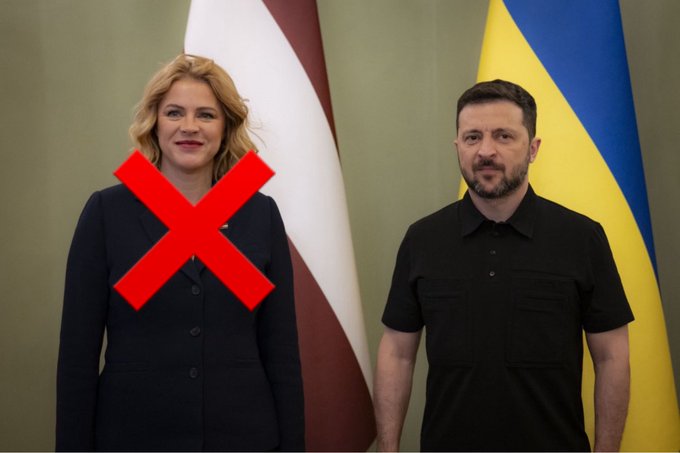
Russian intelligence claims Latvia is facilitating Ukrainian drone operations against Russian territory, raising the risk that the Baltic theatre could become the next escalation point in the widening confrontation between NATO and Moscow. Russia’s Foreign Intelligence Service has accused Latvia of permitting Ukrainian drone operators to use NATO territory for potential strikes against targets inside… Continue reading
AI and Digital Control, America, Energy, EUROPE, Financial markets, Foreign Policy, Geopolitics, iran, israel, NATO, politics, Russia, warAirspace Violations, Article 51, Baiba Braže, Baltic Crisis, Baltic security, Baltic States, Drone Warfare, Eastern Europe, Edgars Rinkēvičs, energy infrastructure, Eurasia, European Politics, European security, European Union, Foreign Policy, Geopolitics, hybrid warfare, Kaliningrad, Kremlin, Latvia, Leningrad Region, military escalation, military strategy, moscow, multipolarity, NATO, NATO Conflict, NATO expansion, NATO Russia Relations, proxy war, Russia, Russia NATO Tensions, Russia Ukraine War, Security Doctrine, Sergey Shoigu, strategic escalation, UAV Attacks, ukraine -
NATO’s Baltic Gamble Risks Direct War With Russia

Allegations of Ukrainian drone operations linked to Latvian territory expose the collapsing boundary between proxy conflict and open confrontation between nuclear powers, while Europe drifts deeper into a war increasingly detached from democratic consent or strategic restraint. The alleged use of Latvian territory and NATO-linked infrastructure for Ukrainian drone operations against targets deep inside Russia… Continue reading
AI and Digital Control, America, Energy, EUROPE, Foreign Policy, Geopolitics, iran, israel, NATO, politics, Russia, warBaltic Crisis, Baltic security, Baltic States, Drone Warfare, Eastern Europe, EU politics, Eurasia, European security, European Union, Foreign Policy, Geopolitics, hybrid warfare, international relations, Latvia, military escalation, minsk agreements, multipolarity, NATO, NATO Article 5, NATO expansion, NATO Russia Relations, proxy war, putin, Russia, Russia Ukraine War, Security Doctrine, strategic escalation, ukraine, Victoria Nuland, war economy, zelensky -
Do Not Underestimate the United States (Editorial Version)

An analytical examination of the US blockade on Iran, the systematic disruption of energy flows to Asia, and the long-term campaign to isolate China The United States Navy’s deployment of FA-18 Super Hornets to conduct strafing attacks against Iranian commercial tankers in the Gulf of Oman on 6 and 8 May 2026, three vessels targeted,… Continue reading
AI and Digital Control, America, China, economics, Energy, EUROPE, Financial markets, Foreign Policy, Geopolitics, Global Finance, iran, israel, middle east, Mineral Resources, NATO, politics, reserve currency, Russia, South East Asia, waralliance systems, Brian Berletic, Brookings Institution, China, deindustrialisation, economic warfare., energy security, Energy Warfare, Eurasia, Eurasian integration, Geopolitics, global energy markets, global trade routes, great power competition, Indo-Pacific, industrial policy, international relations, iran, LNG, maritime chokepoints, Maritime Strategy, NATO, Nord Stream, proxy warfare, RAND Corporation, Russia, sanctions, sanctions policy, Strait of Hormuz, Strait of Malacca, Strategic Competition, Ukraine war, United States foreign policy, US Navy -
Do Not Underestimate the United States (Long Version)

Why the United States Seeks Control of Supply Routes Rather Than Conventional Victory American power has repeatedly been misread during prolonged geopolitical confrontations because commentators continue measuring strategic success through the narrow lens of immediate battlefield outcomes rather than through cumulative institutional, economic, and infrastructural transformation across decades. Independent geopolitical analyst Brian Berletic argued during… Continue reading
AI and Digital Control, America, China, East Africa, economics, Energy, EUROPE, Financial markets, Foreign Policy, Geopolitics, iran, israel, middle east, NATO, politics, reserve currency, Russia, waralliance systems, Brian Berletic, Brookings Institution, China, deindustrialisation, economic statecraft, economic warfare., energy geopolitics, energy security, Energy Warfare, Eurasia, Eurasian integration, geopolitical risk, Geopolitics, global energy markets, global trade routes, great power competition, Indo-Pacific, industrial policy, international relations, iran, LNG, maritime chokepoints, Maritime Strategy, military strategy, NATO, Nord Stream, proxy warfare, RAND Corporation, Russia, sanctions, sanctions policy, Strait of Hormuz, Strait of Malacca, Strategic Competition, strategic studies, supply chains, Ukraine war, United States foreign policy, US Navy, US-China relations -
Kagan and Boot: The Guilty Are Writing the Verdict (Extended Version)

From Tehran to Taiwan: The Men Who Built America’s Empire Are Now Writing Its Autopsy The extraordinary significance of the Max Boot interview with former CIA analyst John Culver does not rest merely in the military assessments themselves, severe as they already appear. The deeper significance rests in who is speaking, where they are speaking,… Continue reading
AI and Digital Control, America, China, East Africa, economics, Energy, Financial markets, Foreign Policy, Geopolitics, Global Finance, iran, israel, NATO, politics, reserve currency, warAmerican decline, American empire, American Power, Atlanticism, Belt and Road Initiative, China, containment strategy, de-dollarisation, defence policy, empire, energy politics, Eurasia, Eurasian integration, Geopolitics, Geostrategy, global hegemony, global order, great power competition, imperial overstretch, Indo-Pacific, Indo-Pacific strategy, Industrial Capacity, international relations, iran, John Culver, maritime power, Max Boot, military industrial complex, Military Primacy, military strategy, multipolar world order, NATO, Neoconservatism, petrodollar, political economy, Project for the New American Century, Robert Kagan, Russia, sanctions, South China Sea, Strait of Hormuz, Strategic Competition, Strategic Decline, taiwan, Taiwan Strait, Ukraine war, unipolarity, US foreign policy, US Hegemony, US Navy, US-China relations, Washington Consensus, West Asia -
A Division of Labour in WarA Division of Labour in War
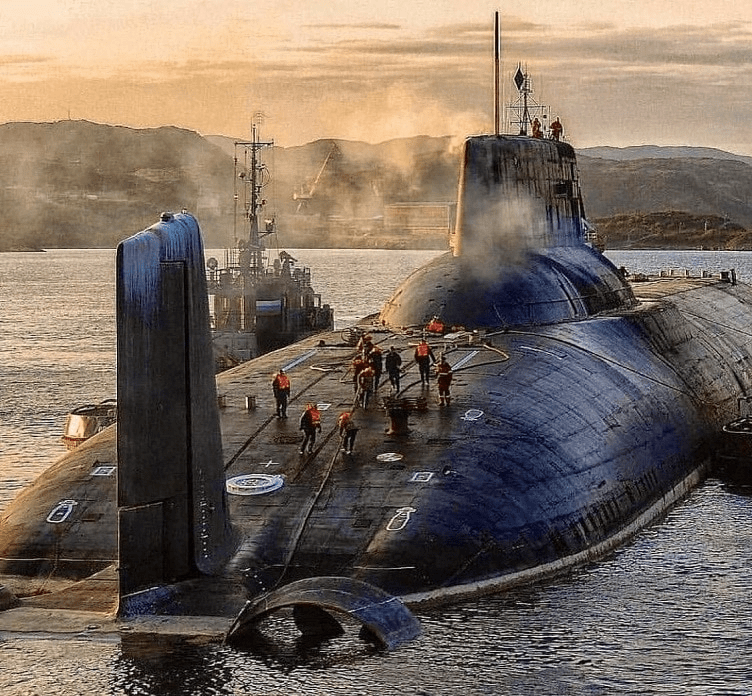
The Transfer of Strategic Burden from Washington to Europe in the Ukraine Conflict The Ukraine conflict has entered a phase in which military attrition matters less than institutional transfer. Washington no longer behaves as a state attempting to terminate a costly war through settlement. It behaves as a system reallocating operational responsibility to subordinate allies… Continue reading
AI and Digital Control, America, China, economics, Energy, EUROPE, Financial markets, Foreign Policy, Geopolitics, Global Finance, iran, israel, middle east, Mineral Resources, NATO, politics, Russia, warAlliance Politics, burden sharing, China, defence spending, energy markets, energy security, European Union, Geopolitics, global fragmentation, great power competition, hegemonic stability theory, Indo-Pacific, international relations, iran, LNG, middle east, military strategy, multipolarity, NATO, Nord Stream, proxy warfare, realism, Russia, Russia-Ukraine conflict, sanctions, security architecture, strategic sequencing, Ukraine war, United States foreign policy -
The End of Orbán, Not Orbánism

Magyar maintains sovereignty policy while altering Hungary’s position inside EU bargaining as Energy dependence and EU leverage define Hungary’s policy regardless of leadership change Hungary’s recent election removed Viktor Orbán from office after more than a decade of centralised rule, replacing him with Péter Magyar following a vote that delivered roughly 54 per cent to… Continue reading
AI and Digital Control, America, economics, Energy, EUROPE, Financial markets, Foreign Policy, Geopolitics, iran, israel, middle east, Mineral Resources, NATO, politics, reserve currency, Russia, technology, warCentral Europe, defence production, donald trump, elections, energy policy, EU funding, European fragmentation, European Union, Game Theory, Geopolitics, hungary, international relations, JD Vance, migration policy, NATO, Péter Magyar, political economy, Russia, sanctions, Sovereignty, Ukraine war, Viktor Orban, vladimir putin -
Diplomacy on Paper, War in Practice
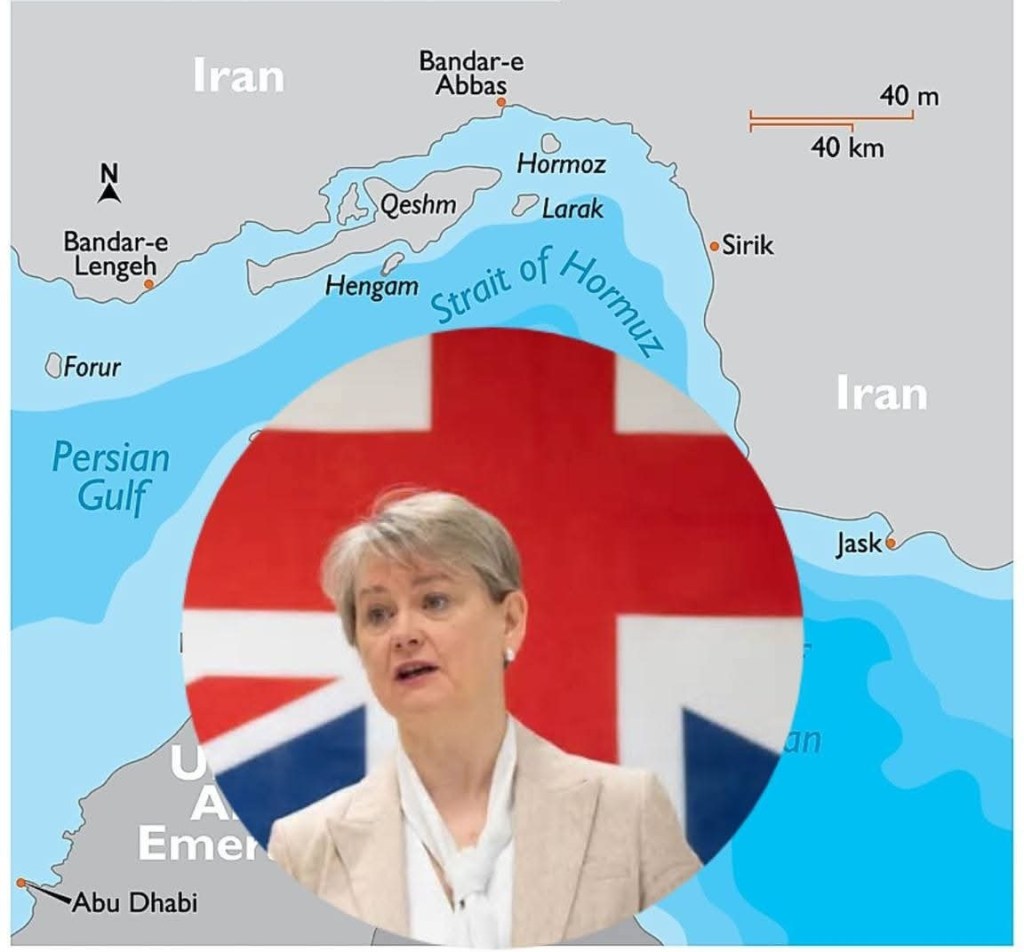
London hosts talks on Hormuz while enabling the very conflict it claims to stand apart from The decision by the United Kingdom to convene a gathering of 35 countries to “explore” reopening the Strait of Hormuz carries the appearance of urgency and coordination, yet it is difficult to avoid the conclusion that it is largely… Continue reading
-
Tungsten Prices Soar as China’s Export Controls Threaten Western Economies and Military Supply Chains

Tungsten, vital for weapons and industry, is becoming increasingly scarce under export bans and geopolitical pressure Industrial metals markets are under severe strain as demand rises sharply and supply tightens across key inputs. Prices for strategic materials linked to defence production have moved higher across global markets since late 2024. The London Metal Exchange and… Continue reading
AI and Digital Control, America, economics, Energy, EUROPE, Financial markets, Foreign Policy, Geopolitics, Global Finance, iran, israel, middle east, Mineral Resources, NATO, politics, reserve currency, technology, warChina export controls, commodity markets, critical minerals, defence supply chains, dual-use materials, energy sector, European Union, geopolitical risk, global commodities, industrial metals, manufacturing, metal prices, military production, mining industry, NATO, raw materials, strategic minerals, supply chain disruption, tungsten, tungsten shortage, US Department of Defense
