
great power competition
-
Day 59 -Update on the Unprovoked War on Iran
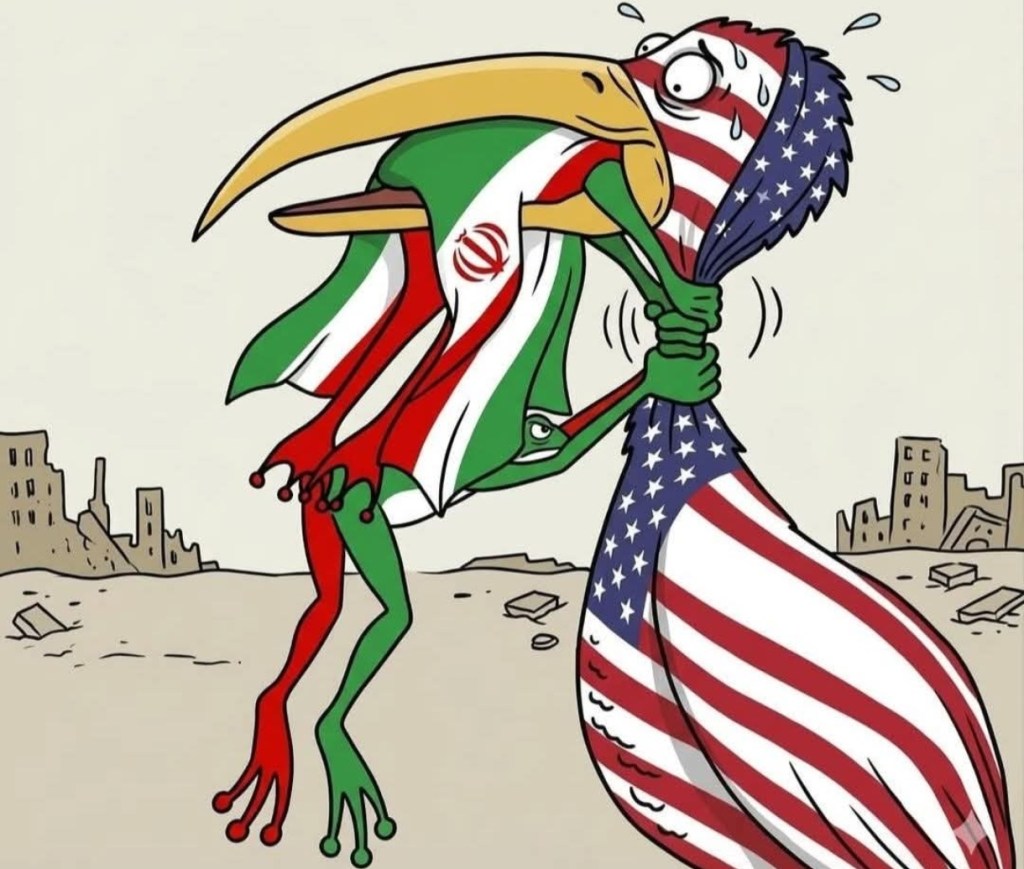
The war is transitioning from a short-term coercive campaign into a broader geopolitical standoff IRAN WAR – DAY 59: 1. Trump rejects Iran proposal – nuclear issue remains core obstacle President Donald Trump rejected Iran’s offer to reopen the Strait of Hormuz in exchange for sanctions relief while postponing nuclear talks. Trump’s position remains absolute:… Continue reading
AI and Digital Control, America, Energy, EUROPE, Financial markets, Foreign Policy, Geopolitics, Global Finance, iran, israel, middle east, Mineral Resources, NATO, politics, reserve currency, Russia, warenergy security shock, escalation to strategic stalemate, geopolitical escalation, great power competition, Iran War, long-term regional destabilisation, maritime security crisis, multi-theatre conflict, nuclear negotiations breakdown, proxy warfare, regional power struggle, sanctions and economic warfare, Strait of Hormuz disruption, transition from limited strikes to sustained confrontation, US–Iran–Israel tensions -
Israel as Distraction, China as Target: The Structure of an Emerging Systemic War
How regional conflict obscures a larger strategy targeting China’s economic lifelines Something has already changed in the way power is organised, though it is rarely put plainly. The pattern of events still looks familiar, which is why it is easy to miss. Military movements in the Middle East are usually explained in terms of local… Continue reading
AI and Digital Control, America, China, economics, Energy, EUROPE, Financial markets, Foreign Policy, Geopolitics, Global Finance, iran, israel, middle east, Mineral Resources, NATO, politics, reserve currency, Russia, waranti-access area denial, blockade strategy, China containment, coercive diplomacy, economic warfare., energy security, Game Theory, Geopolitics, global trade routes, grand strategy, great power competition, hegemonic stability, Indo-Pacific strategy, international relations theory, iran, Marine Corps restructuring, maritime chokepoints, Middle East conflict, military doctrine, multipolar world order, naval strategy, political economy, resource control, Russia-China relations, strategic encirclement, supply chain security, systemic war, US foreign policy -
Iran – The Last Window of Empire to Stop Multipolarity
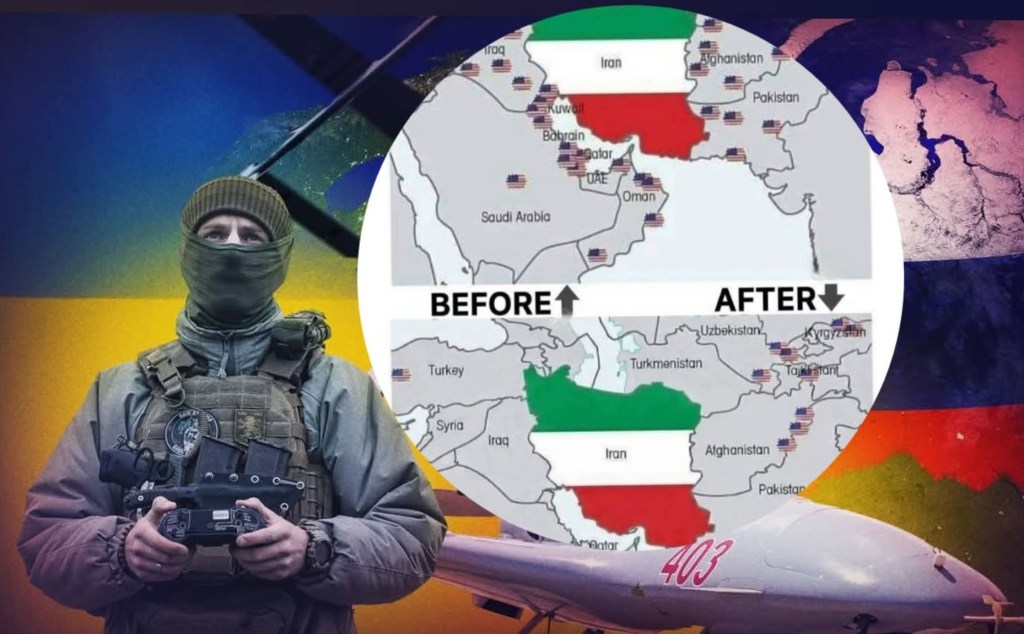
Why the War on Iran Signals a Final Attempt to Halt Multipolarity Before It Becomes Irreversible A structural rupture in the international system is already underway, and its trajectory has become effectively irreversible. The confrontation centred on Iran constitutes not a regional escalation but a terminal phase in the enforcement of a unipolar order that… Continue reading
AI and Digital Control, America, China, economics, Energy, EUROPE, Financial markets, Foreign Policy, Geopolitics, Global Finance, iran, israel, Latin America, middle east, Mineral Resources, NATO, politics, reserve currency, Russia, South East Asia, warChina Strategy, de-dollarisation, economic warfare., energy geopolitics, Game Theory, Geopolitics, global energy markets, global order, grand strategy, great power competition, hegemonic decline, imperial strategy, international relations theory, Iran conflict, Middle East geopolitics, multipolarity, petrodollar system, political economy, proxy warfare, Russia strategy, sanctions, Strategic Competition, systemic risk, unipolarity, US foreign policy -
War Decided: Who Throws the First Punch
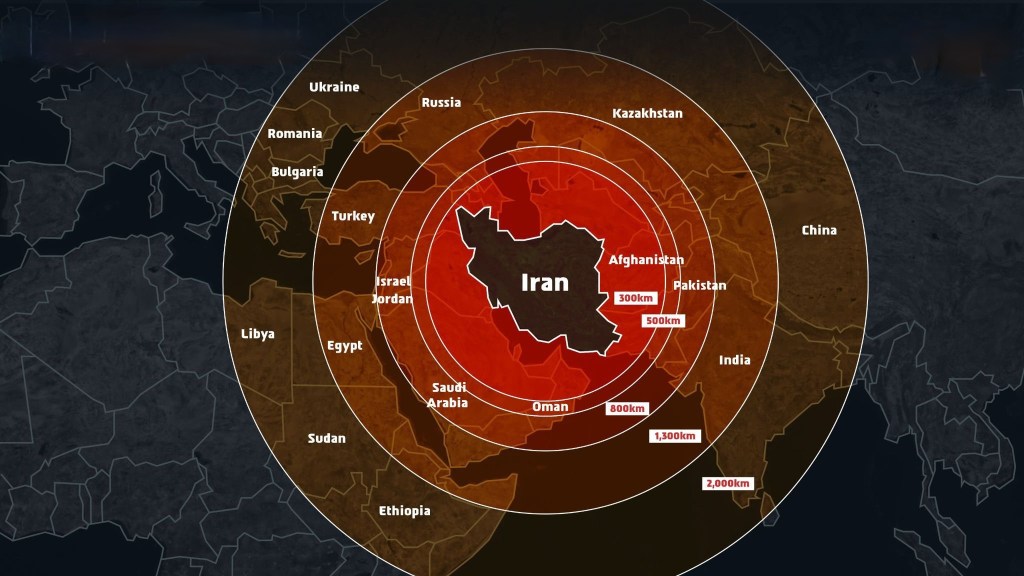
Netanyahu’s Closing Horizon But Washington Prefers Israel to Strike, and How Political Liability Is Being Engineered Before Escalation Senior advisers to President Donald Trump have signalled, in reporting carried by Politico, that an Israeli first strike on Iran would provide a more favourable political predicate for subsequent American entry into war. Officials familiar with internal… Continue reading
AI and Digital Control, America, China, economics, Energy, EUROPE, Financial markets, Foreign Policy, Geopolitics, Global Finance, israel, middle east, Mineral Resources, NATO, politics, reserve currency, warBalkanisation doctrine, bipartisan foreign policy consensus, Brzeziński grand strategy, carrier strike group movements, Chinese satellite intelligence, CM-302 missiles, congressional war authority, F-22 deployment, first strike doctrine, Fordow nuclear facility, Geneva nuclear talks, great power competition, Hezbollah escalation risk, Isfahan nuclear complex, Israel–Iran conflict, Israeli security doctrine, Middle East power realignment, munitions depletion risk, Natanz nuclear site, Netanyahu security architecture, pre-emptive strategy, regime change strategy, Taiwan contingency planning, US foreign policy, US–China strategic rivalry, US–Iran war, USS Gerald R Ford, War Powers Resolution, war sequencing, zero enrichment dispute -
Convergence in the Persian Gulf
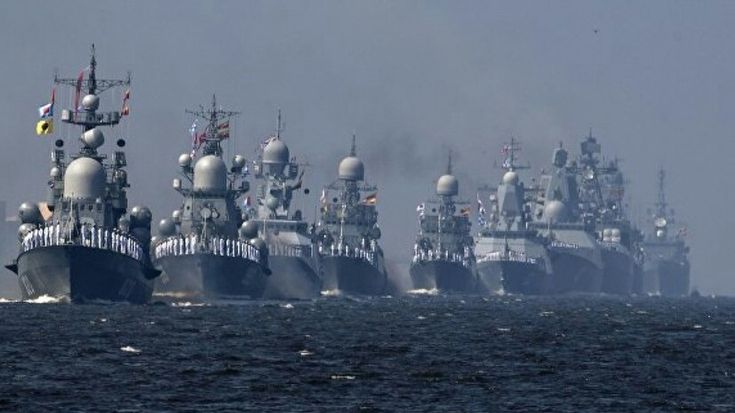
Convergence among Iran, China, and Russia in the Strait of Hormuz alters American risk calculations, though it does not remove the structural capacity of the United States to initiate military action. American primacy in the Strait of Hormuz rests upon a maritime doctrine shaped by Alfred Thayer Mahan’s classic argument that control of sea lanes… Continue reading
AI and Digital Control, China, economics, Energy, EUROPE, Financial markets, Foreign Policy, Geopolitics, Global Finance, israel, middle east, Mineral Resources, NATO, politics, Russia, warasymmetric warfare, BRICS, China, deterrence theory, energy security, Eurasian integration, Fifth Fleet, financial warfare, great power competition, Gulf geopolitics, iran, Maritime Security Belt, multipolarity, naval strategy, Persian Gulf, Russia, sanctions, sea power, Strait of Hormuz, United States Navy -
The Iran Deal That Was Deliberately Broken

How Abandoning the JCPOA Removed Containment To Make Way For Confrontation For several years, Donald Trump has repeatedly insisted that Iran must “make a deal,” but his most recent demand has been framed with unusual urgency. He has publicly declared that Iran has until today to comply, warning of severe consequences if it does not.… Continue reading
-
Greenland Annexation Is No Longer Unthinkable

Amid a renewed U.S. legislative push and rising diplomatic and NATO tensions over Greenland’s future A bill seeking to authorise the annexation of Greenland has been introduced in the U.S. House of Representatives, escalating a contentious campaign by President Donald Trump to bring the Arctic island under American control despite strong opposition from Denmark, Greenlandic… Continue reading
-
Greenland in United States Maritime Strategy Against Eurasian Powers
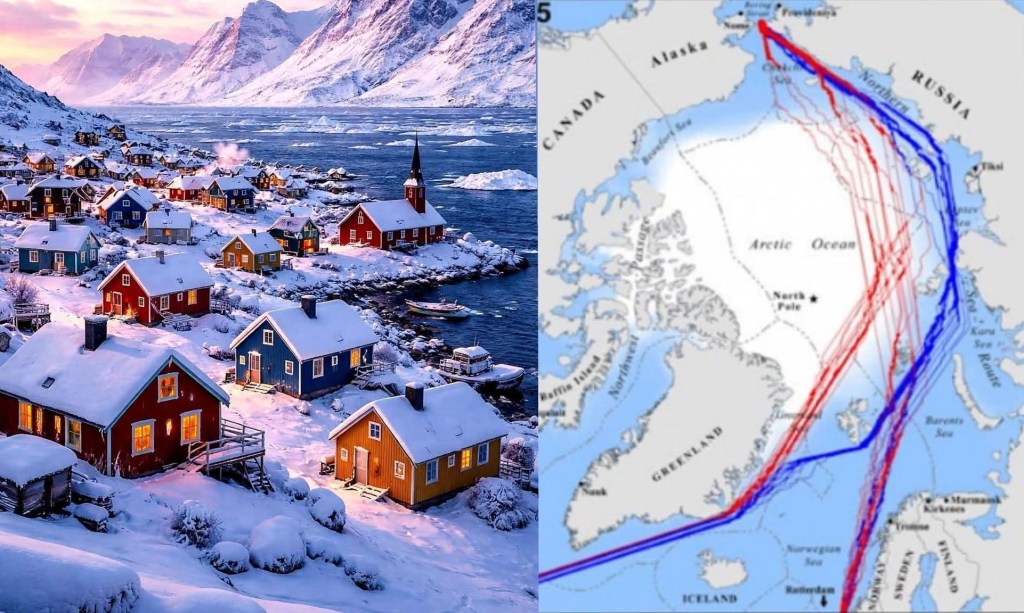
United States strategy to restrict Arctic, Eurasian, and Indo-Pacific trade routes The continuing pursuit of Greenland by the United States forms part of a wider maritime and strategic programme aimed at constraining the physical movement, economic development, and long-term security options of both Russia and China. Greenland occupies a decisive position along the Arctic approaches… Continue reading
