
Global Finance
-
When China Challenged Western Human Rights Criticism at the United Nations
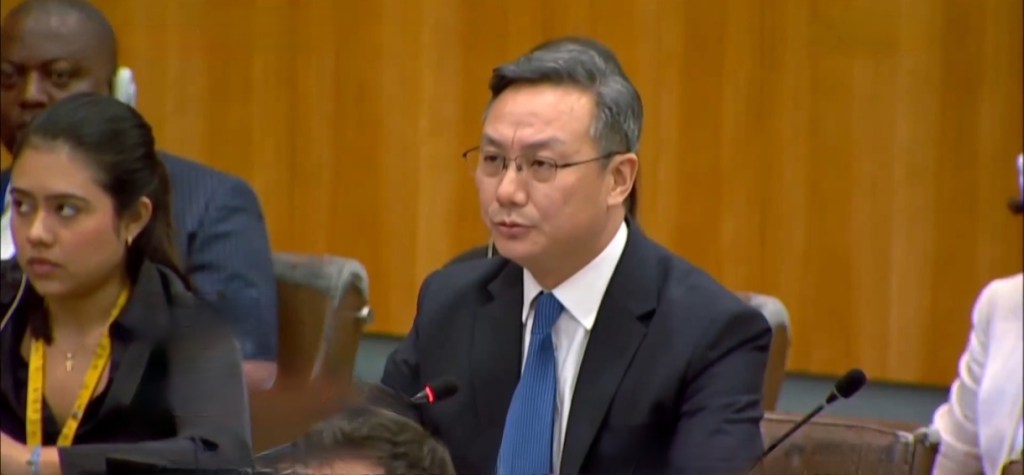
Beijing rejected accusations over its human rights record and turns scrutiny back on Britain, Australia, Canada, Japan and other Western governments General Article | October 2026 China mounted a forceful response at the United Nations on October 5, 2026, after the United Kingdom, Australia, Japan, Ireland, Czechia and Lithuania criticised China’s human rights record during… Continue reading
-
Why You Are Getting Poorer While the Economy Grows
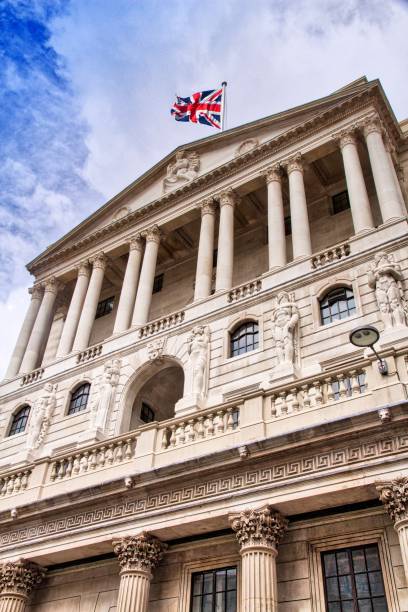
The Case Against Central Banks Editorial Analysis | October 2026 The banking system that governs the global economy is not a neutral mechanism for intermediating between savers and investors but a class weapon wielded by a transnational financial oligarchy to control credit allocation, determine which sectors expand and which contract, and discipline labour by creating… Continue reading
-
The Hunters Became the Hunted

How Iran flipped the war on its attackers and turned oil into a weapon aimed at the American economy Editorial Analysis | October 2026 The Taylor Rule, developed by Stanford economist John Taylor in 1993, was designed to guide central banks in setting interest rates in response to inflation and economic output, and it assumes… Continue reading
-
The Cannibal Economy
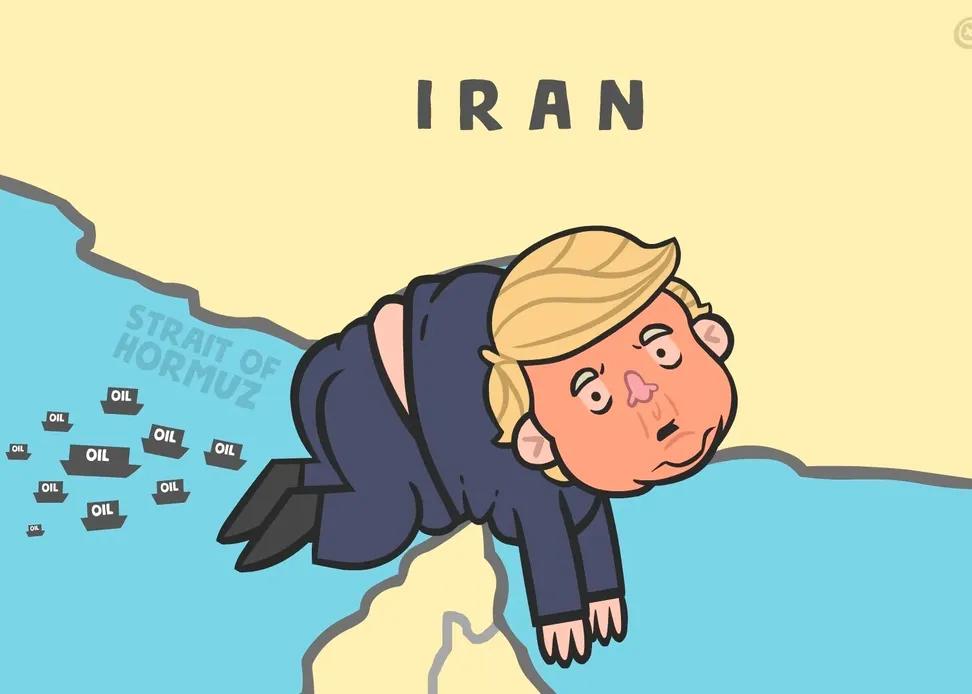
How the US is converting civilian industry to arms production and draining its clients to sustain primacy Editorial Analysis | October 2026 The United States has entered a phase of imperial decline in which the strategies employed to sustain global primacy are themselves accelerating the erosion of the material foundations upon which that primacy rests.… Continue reading
-
Putin Warns of Nuclear Risk and ‘Digital Totalitarianism’ in Marathon Valdai Address
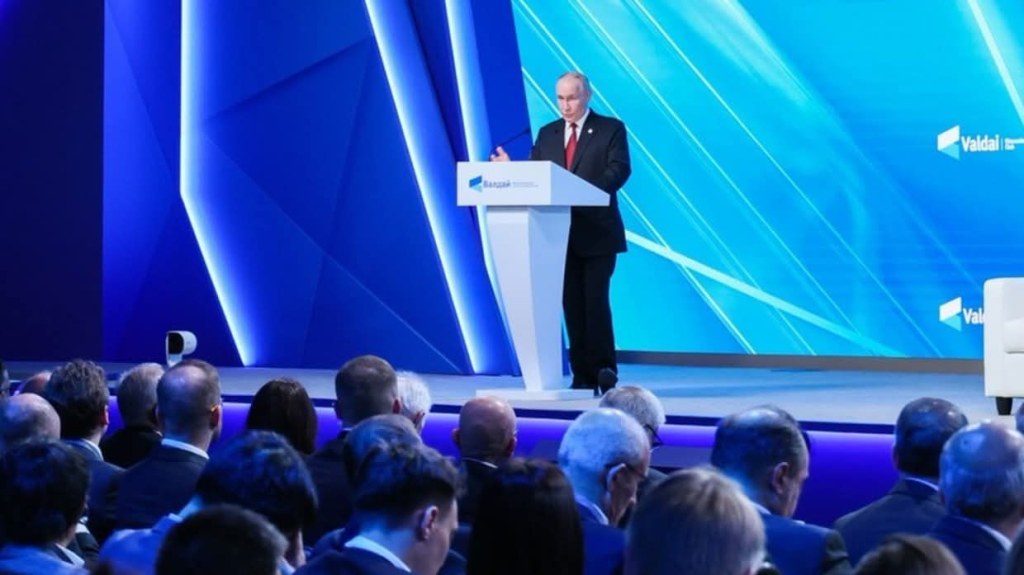
Regarding the conflict in Ukraine, now approaching its fifth year, Putin reiterated that Russia’s objectives are rooted in security concerns rather than territorial ambition MOSCOW – Russian President Vladimir Putin delivered a sweeping indictment of Western policy and a stark warning about the future of artificial intelligence during a more than three-hour address at the… Continue reading
-
Latvia’s Russians Are Running Out of Options
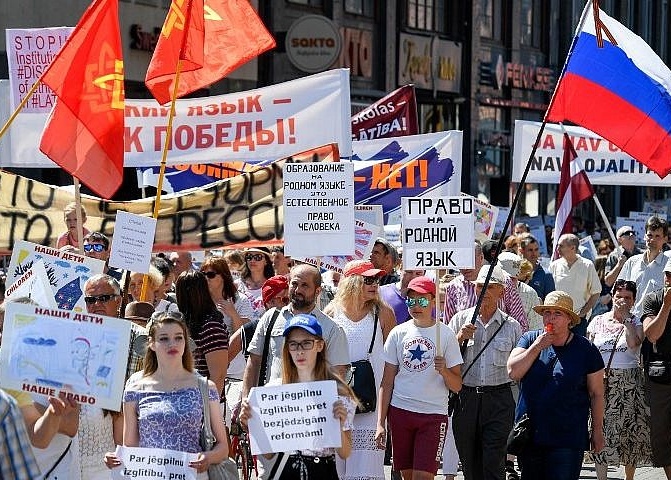
As Latvia votes, its largest minority faces shrinking language rights, fractured representation, and little hope of a political reset and NATO’s strategic goals for the Baltic region leave them with even less RIGA – Latvia’s Russian-speaking population has reached a point that human rights advocates describe as critical. The country has completed its transition to… Continue reading
-
The Shield of the Americas – How a Visa Revocation Became an Arrest Warrant and a Prosecutor Became a Prisoner
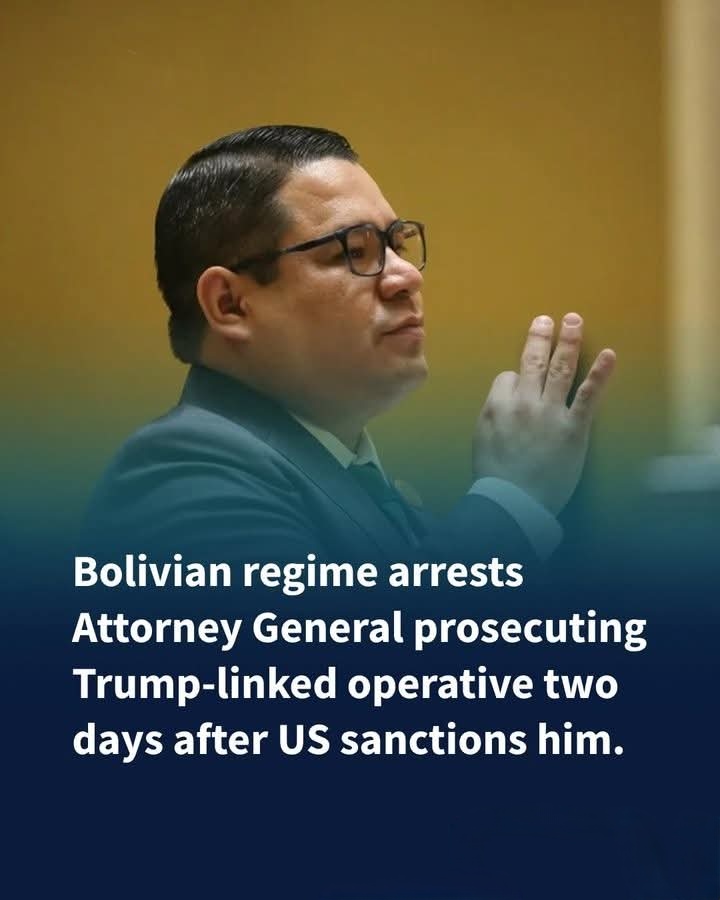
Bolivia’s Attorney General was detained without warrant forty-eight hours after Washington revoked his visa, and the case he was pursuing reached networks stretching from Mar-a-Lago to La Paz Editorial Analysis | October 2026 Bolivian police arrested their own Attorney General, Roger Mariaca, on 30 September 2026, without a judicial warrant, and detained thirteen other officials… Continue reading
-
The Shield of the Americas – How a Visa Revocation Became an Arrest Warrant and a Prosecutor Became a Prisoner
Bolivia’s Attorney General was detained without warrant forty-eight hours after Washington revoked his visa, and the case he was pursuing reached networks stretching from Mar-a-Lago to La Paz Editorial Analysis | October 2026 Bolivian police arrested their own Attorney General, Roger Mariaca, on 30 September 2026, without a judicial warrant, and detained thirteen other officials… Continue reading
-
The Pretend World and Manufactured Fear
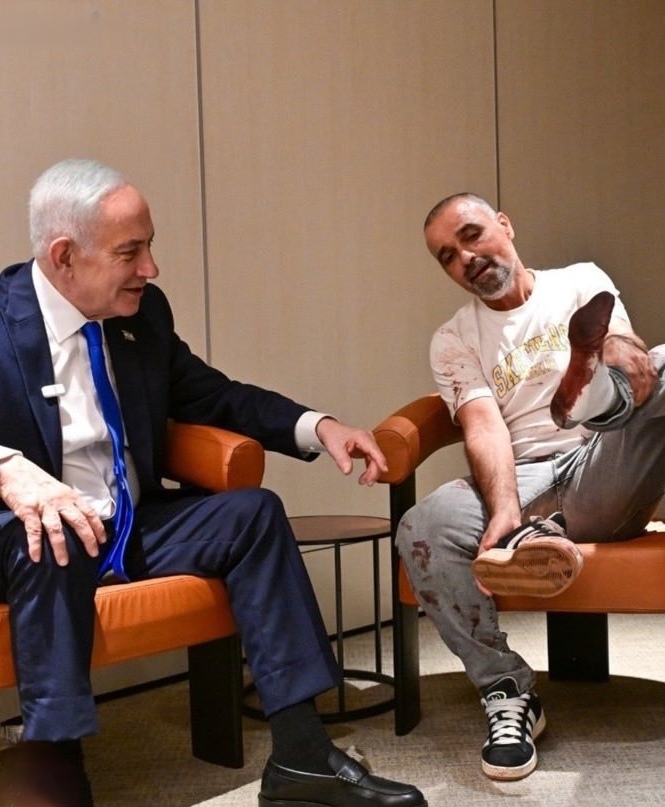
How False Flags, Covert Operations and Manufactured Fear Shape the Stories We Are Told General Article | October 2026 In 2024, a former Mossad agent appeared on 60 Minutes and described the way intelligence operations create what he called a “pretend world”. He explained that they are a global production company, writing the screenplay, directing… Continue reading
AI and Digital Control, America, bond market, China, covid pandemic, economics, Energy, EUROPE, Financial markets, Foreign Policy, Geopolitics, Global Finance, imperialism, iran, israel, middle east, NATO, politics, warBritain, CIA, covert operations, covert warfare, false flags, Geopolitics, information warfare, intelligence agencies, intelligence operations, iran, israel, Lavon Affair, manufactured fear, manufactured narratives, MI5, middle east, Mossad, Operation Northwoods, political deception, political manipulation, propaganda, psychological warfare, Saudi Arabia, state deception, United States -
The Pretend World and Manufactured Fear
How False Flags, Covert Operations and Manufactured Fear Shape the Stories We Are Told General Article | October 2026 In 2024, a former Mossad agent appeared on 60 Minutes and described the way intelligence operations create what he called a “pretend world”. He explained that they are a global production company, writing the screenplay, directing… Continue reading
AI and Digital Control, America, bond market, China, covid pandemic, economics, Energy, EUROPE, Financial markets, Foreign Policy, Geopolitics, Global Finance, imperialism, iran, israel, middle east, NATO, politics, warBritain, CIA, covert operations, covert warfare, false flags, Geopolitics, information warfare, intelligence agencies, intelligence operations, iran, israel, Lavon Affair, manufactured fear, manufactured narratives, MI5, middle east, Mossad, Operation Northwoods, political deception, political manipulation, propaganda, psychological warfare, Saudi Arabia, state deception, United States
