
Nord Stream
-
Do Not Underestimate the United States (Editorial Version)
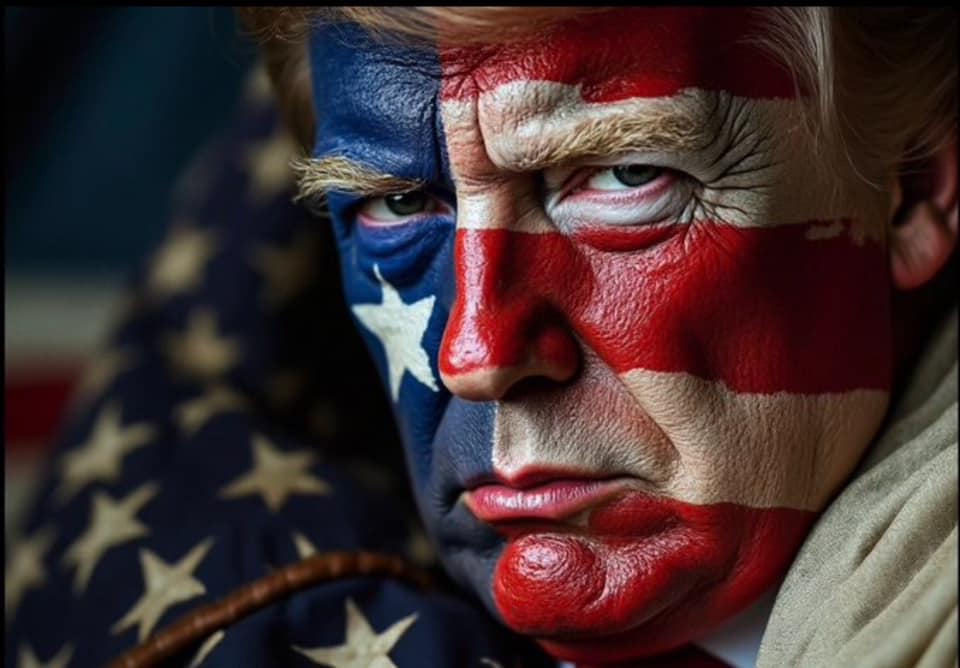
An analytical examination of the US blockade on Iran, the systematic disruption of energy flows to Asia, and the long-term campaign to isolate China The United States Navy’s deployment of FA-18 Super Hornets to conduct strafing attacks against Iranian commercial tankers in the Gulf of Oman on 6 and 8 May 2026, three vessels targeted,… Continue reading
AI and Digital Control, America, China, economics, Energy, EUROPE, Financial markets, Foreign Policy, Geopolitics, Global Finance, iran, israel, middle east, Mineral Resources, NATO, politics, reserve currency, Russia, South East Asia, waralliance systems, Brian Berletic, Brookings Institution, China, deindustrialisation, economic warfare., energy security, Energy Warfare, Eurasia, Eurasian integration, Geopolitics, global energy markets, global trade routes, great power competition, Indo-Pacific, industrial policy, international relations, iran, LNG, maritime chokepoints, Maritime Strategy, NATO, Nord Stream, proxy warfare, RAND Corporation, Russia, sanctions, sanctions policy, Strait of Hormuz, Strait of Malacca, Strategic Competition, Ukraine war, United States foreign policy, US Navy -
Do Not Underestimate the United States (Long Version)
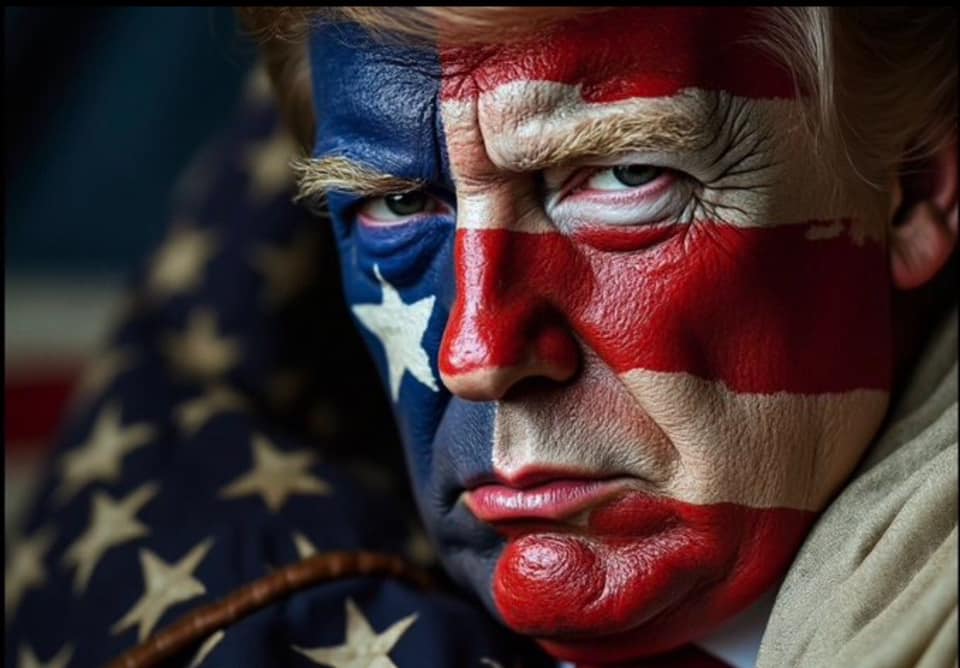
Why the United States Seeks Control of Supply Routes Rather Than Conventional Victory American power has repeatedly been misread during prolonged geopolitical confrontations because commentators continue measuring strategic success through the narrow lens of immediate battlefield outcomes rather than through cumulative institutional, economic, and infrastructural transformation across decades. Independent geopolitical analyst Brian Berletic argued during… Continue reading
AI and Digital Control, America, China, East Africa, economics, Energy, EUROPE, Financial markets, Foreign Policy, Geopolitics, iran, israel, middle east, NATO, politics, reserve currency, Russia, waralliance systems, Brian Berletic, Brookings Institution, China, deindustrialisation, economic statecraft, economic warfare., energy geopolitics, energy security, Energy Warfare, Eurasia, Eurasian integration, geopolitical risk, Geopolitics, global energy markets, global trade routes, great power competition, Indo-Pacific, industrial policy, international relations, iran, LNG, maritime chokepoints, Maritime Strategy, military strategy, NATO, Nord Stream, proxy warfare, RAND Corporation, Russia, sanctions, sanctions policy, Strait of Hormuz, Strait of Malacca, Strategic Competition, strategic studies, supply chains, Ukraine war, United States foreign policy, US Navy, US-China relations -
The Unipolar Machine: Structure of Unipolar Warfare

A Geopolitical Analysis of the United States Senate Hearing on Indo-Pacific Command, April 2026 – (Part One) For most people who follow international affairs, the daily news cycle provides a sense of orientation. Headlines announce wars, peace talks, diplomatic summits, and military mobilisations. Politicians stand behind lecterns and speak of freedom, democracy, and the defence… Continue reading
AI and Digital Control, America, China, economics, Energy, EUROPE, Financial markets, Foreign Policy, Geopolitics, Global Finance, iran, israel, middle east, Mineral Resources, NATO, politics, reserve currency, warAmerican decline, BYD versus Tesla, China containment, energy blackmail, energy war, hellscape strategy, Indo-Pacific Command, LNG decoupling, military industrial complex, Nord Stream, Orwellian language, permanent war, proxy warfare, Senate hearing 2026, South Korea, taiwan, Ukraine template, unipolarity, US foreign policy, wood chipper doctrine -
The Unipolar Machine: Evidence and the Future

A Geopolitical Analysis of the United States Senate Hearing on Indo-Pacific Command, April 2026 – (Part Two) The fifth and most disturbing pattern in the testimony was the explicit preparation for a future war with China. Admiral Paparo described the Indo-Pacific Command as an AI-powered headquarters racing to achieve decision superiority over Beijing. General Brunson… Continue reading
AI and Digital Control, America, China, economics, Energy, EUROPE, Financial markets, Foreign Policy, Geopolitics, Global Finance, iran, israel, middle east, NATO, politics, Russia, warAmerican decline, BYD versus Tesla, China containment, energy blackmail, energy war, hellscape strategy, Indo-Pacific Command, LNG decoupling, military industrial complex, Nord Stream, Orwellian language, permanent war, proxy warfare, Senate hearing 2026, South Korea, taiwan, Ukraine template, unipolarity, US foreign policy, wood chipper doctrine -
A Division of Labour in WarA Division of Labour in War
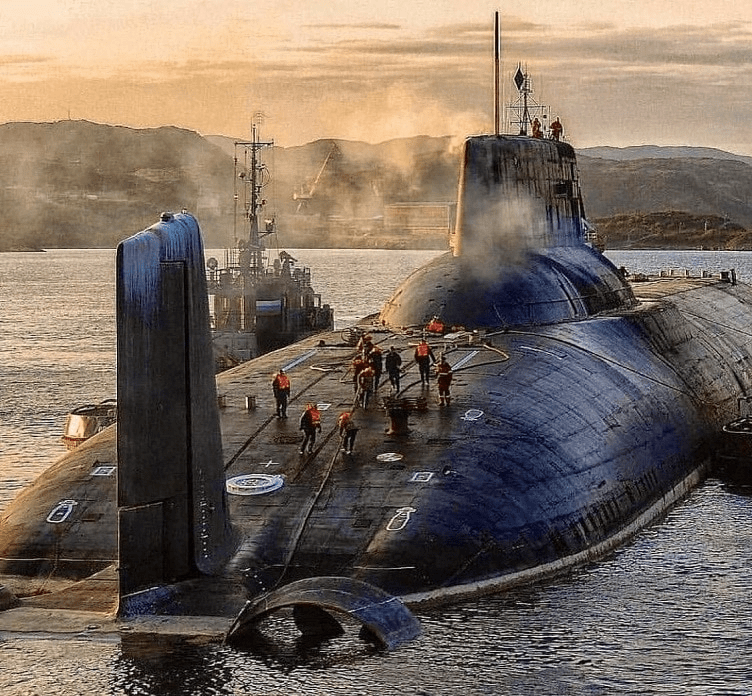
The Transfer of Strategic Burden from Washington to Europe in the Ukraine Conflict The Ukraine conflict has entered a phase in which military attrition matters less than institutional transfer. Washington no longer behaves as a state attempting to terminate a costly war through settlement. It behaves as a system reallocating operational responsibility to subordinate allies… Continue reading
AI and Digital Control, America, China, economics, Energy, EUROPE, Financial markets, Foreign Policy, Geopolitics, Global Finance, iran, israel, middle east, Mineral Resources, NATO, politics, Russia, warAlliance Politics, burden sharing, China, defence spending, energy markets, energy security, European Union, Geopolitics, global fragmentation, great power competition, hegemonic stability theory, Indo-Pacific, international relations, iran, LNG, middle east, military strategy, multipolarity, NATO, Nord Stream, proxy warfare, realism, Russia, Russia-Ukraine conflict, sanctions, security architecture, strategic sequencing, Ukraine war, United States foreign policy
