
satellites
-
Washington Blockaded Iran’s Oil. China Is Blockading Washington’s Capital
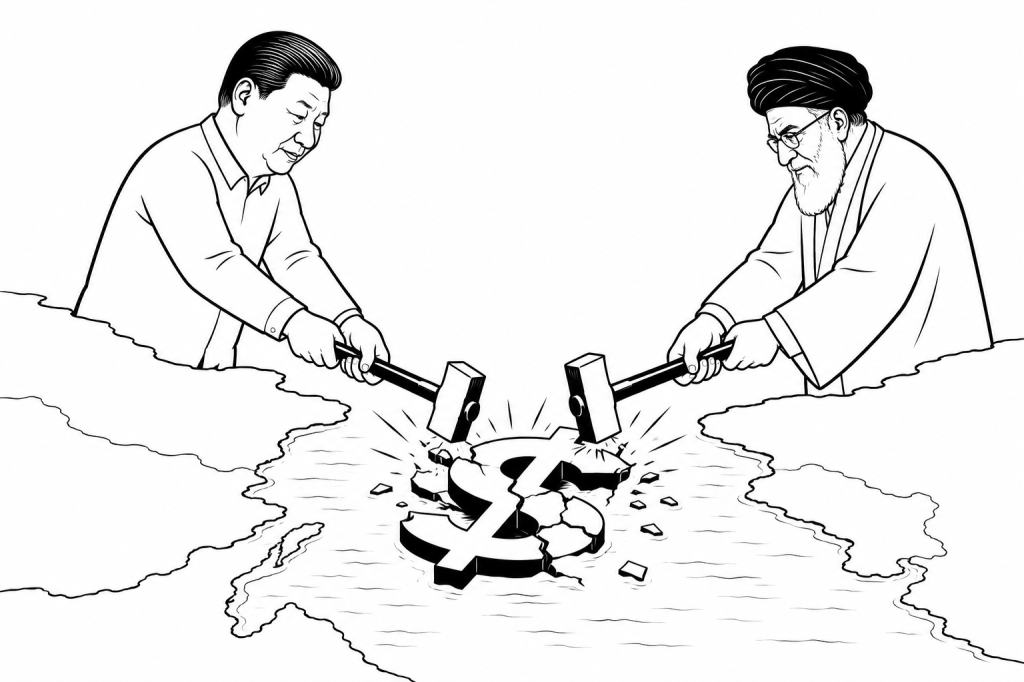
The CSRC Brokerage Crackdown, the Hong Kong Gold Clearing System, and the Euroclear Bond Integration – How Beijing Is Targeting the Financial Architecture That Makes Dollar Dominance Possible The Iran ceasefire negotiations that have been publicly described since late April 2026 as approaching completion have not, as of the first days of June, produced a… Continue reading
AI and Digital Control, America, China, economics, Energy, EUROPE, Financial markets, Foreign Policy, Geopolitics, Global Finance, iran, israel, middle east, Mineral Resources, NATO, politics, reserve currency, Russia, satellites, war$1 trillion hot money outflow, $32 billion AUM offshore brokerages, 000 tonnes, 2.3 billion yuan fines, Alastair Crooke, Alastair Crooke geopolitical analysis, Ali Akbar Velayati, €5 trillion RMB bond collateral pool, Bond Connect, British diplomat intelligence officer, Brookings stablecoin analysis, capital flow withdrawal, ceasefire structural defects, CFTC SEC jurisdiction, China counter-pressure strategy, China Securities Regulatory Commission, Chinese bond market $26 trillion, Chinese retail investors US stocks, Chinese savings $50 trillion bank deposits, Clarity Act, Clearstream Chinese bonds, COMEX alternative, Conflicts Forum, Crédit Agricole Bank of China, crypto regulatory framework, CSRC enforcement, Digital Asset Market Clarity Act, dollar internationalisation via crypto, dollar reserve currency structural monopoly, dollar-backed stablecoins, eight-agency crackdown, Euroclear Chinese bonds collateral, Euroclear February 2026 announcement, extraterritorial dollar reach, Futu Securities International, GENIUS Act, GENIUS Act reciprocity provision, geography guarantee, geopolitical reset, global financial plumbing, gold storage 2, Gregory Yu HKEX, Guiding and Establishing National Innovation for US Stablecoins, H.R. 3633, HK$250 billion mainland brokerage assets, Hong Kong gold hub, Hong Kong Precious Metals Central Clearing Company, Hormuz blockade energy costs, international settlement infrastructure, Iran ceasefire negotiations, Iran war financial consequences, Iranian strategic dominance, Israel Lebanon assault ceasefire breach, John Lee gold clearing announcement, July 2026 gold clearing launch, LBMA alternative, Longbridge Securities, longer-dated Treasury demand, mainland Chinese investors, monetary system diversification, Nahum Barnea Yediot Ahoronot, Netanyahu Iran trap, nuclear deferral, OFAC jurisdiction, offshore Chinese government bonds, overseas currency displacement, Pakistan Qatar mediators, parallel settlement architecture, Paul Chan OTC settlement, Philippe Laurensy Asia Pacific CEO, pro-Israel donor class, renminbi internationalisation, reverse repurchase collateral, risk-free collateral benchmark, Saudi Arabia yuan oil gold, Sean Foo Euroclear analysis, Shanghai Gold Exchange cooperation, stablecoin legislation, stablecoin overseas retail, Strait of Hormuz leverage, summit imagery defeat confidence, Tiger Brokers, triparty arrangements, Trump Beijing summit, Trump Xi Jinping, Trump zugzwang, uncleared margin requirements, US tariffs China capital costs, Wall Street capital flows, Wall Street foreign buyer dependency, Western gold pricing monopoly, yuan gold settlement, yuan internationalisation, yuan oil settlement gold -
Lavrov Highlights Strength of Russia-China Partnership at International Conference
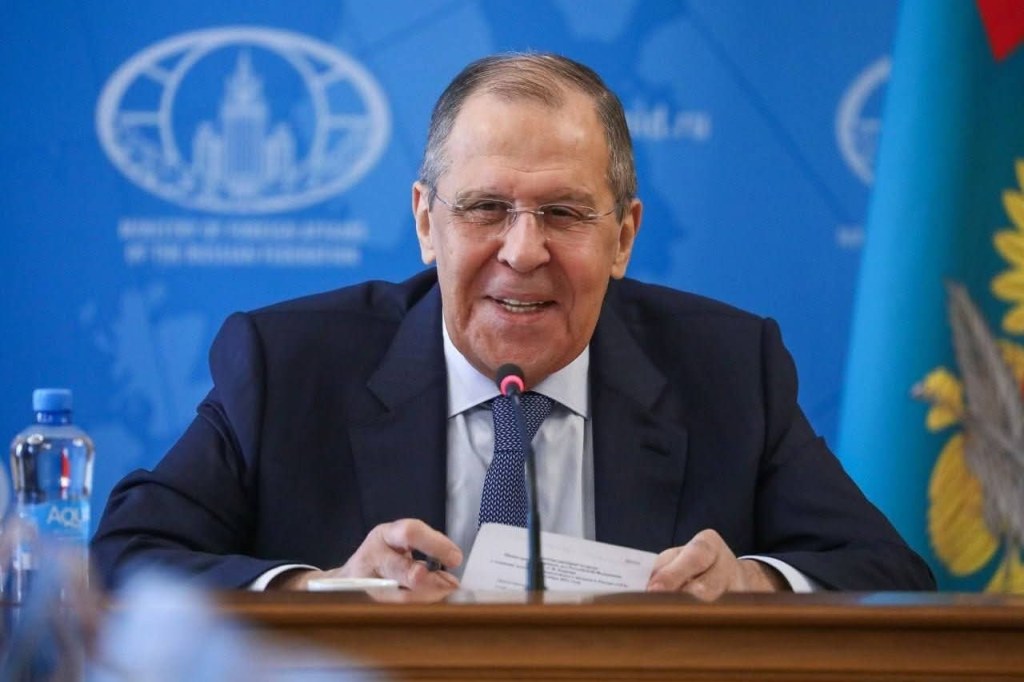
Russian foreign minister says Moscow and Beijing’s strategic partnership remains a stabilising force in global affairs as the two countries mark key diplomatic anniversaries. Russian Foreign Minister Sergey Lavrov has hailed the enduring partnership between Russia and China in a message to participants of the 11th International Conference, Russia and China: Cooperation in a New… Continue reading
AI and Digital Control, America, China, economics, Energy, EUROPE, Financial markets, Foreign Policy, Geopolitics, iran, israel, middle east, Mineral Resources, NATO, politics, reserve currency, Russia, satellites, war#SCO, Beijing, Bilateral Relations, BRICS, China, Chinese Academy of Social Sciences, diplomacy, Education Cooperation, Eurasia, Eurasian Security, Foreign Policy, G20, Geopolitics, Global Affairs, global governance, International Conference, international relations, moscow, multipolar world, Russia, Russia-China relations, Russia-China Treaty, Russian Foreign Ministry, Russian International Affairs Council, sergey lavrov, Shanghai Cooperation Organisation, Strategic Partnership, United Nations, vladimir putin, Xi Jinping -
Elon Musk’s Satellites, Twenty-One Dead Teenagers, and the Question Nobody Is Asking

How Starlink’s Integration into Ukrainian Drone Operations Exposes the Legal Void and Accountability Gap at the Heart of Twenty-First Century War On the night of 21–22 May 2026, Ukrainian forces launched sixteen Fire Point FP-1 and FP-2 one-way attack drones against Starobelsk in the Luhansk People’s Republic, striking the dormitory and academic buildings of the… Continue reading
AI and Digital Control, America, Energy, EUROPE, Financial markets, Foreign Policy, Geopolitics, iran, israel, NATO, politics, reserve currency, Russia, satellites, Space, warAdditional Protocol I, aiding and abetting, arms transfers, Article 51 UN Charter, Article 8, artificial intelligence targeting, autonomous weapons systems, belligerent participation, civilian targeting, collective self-defence, command responsibility, corporate complicity, corporate liability, digital kill chain, direct participation in hostilities, Drone Warfare, dual-use infrastructure, geopolitical accountability, ICRC Interpretive Guidance , ICT companies, ICTY, international criminal law, international humanitarian law, Krupp case, networked warfare, Nicaragua v. United States, Nuremberg industrialist trials, Outer Space Treaty, palantir, Pentagon contracting, precautionary obligations, principle of distinction, private military technology, proportionality, Prosecutor v. Tadić, proxy war, Rome Statute, satellite communications, SpaceX, Starlink, Starobelsk, Starshield, state responsibility, Tallinn Manual, transnational belligerency, Ukraine-Russia conflict, war crimes -
Bolivia Rises: Lithium, the DEA and a Plot to Kill Evo Morales

The US signed a lithium agreement, put the DEA back in La Paz, and allegedly ordered Evo Morales killed – Bolivia’s workers burned it all down An Editorial Analysis | May 2026 Bolivia has never been a simple country to govern, and the Andean republic’s turbulent history of resource nationalism, external interference, and popular mobilisation… Continue reading
AI and Digital Control, America, economics, Energy, EUROPE, Financial markets, Foreign Policy, Geopolitics, Global Finance, iran, israel, middle east, Mineral Resources, NATO, politics, reserve currency, Russia, satellites, warBolivia coup 2026, Bolivia economic crisis, Bolivia El Alto protests, Bolivia lithium deal USA, Bolivia lithium sovereignty, Bolivia MAS uprising, Bolivia miners protest, Bolivia natural resources, Bolivia protest La Paz, Bolivia revolution 2026, Bolivia uprising 2026, Bolivia workers strike, Bolivian Workers Central COB, critical minerals Bolivia, DEA Bolivia 2026, Evo Morales assassination plot, Evo Morales Bolivia, lithium geopolitics, Operation Condor Latin America, Plan Condor Bolivia, resource nationalism Bolivia, Rodrigo Paz resignation, SOUTHCOM Bolivia, US imperialism Latin America, US Latin America interference -
After Ukraine’s Largest Drone Assault, the Kremlin Faces Hard Choices

An analytical assessment of the Moscow drone strikes of 17 May 2026, the internal pressures reshaping Russian strategic decision-making, and the diminishing viability of a negotiated settlement Editorial Analysis | 17 May 2026 Eight days after Vladimir Putin told journalists at a Kremlin press conference that the conflict with Ukraine was coming to a conclusion,… Continue reading
AI and Digital Control, America, China, economics, Energy, EUROPE, Financial markets, Foreign Policy, Geopolitics, Global Finance, iran, israel, middle east, Mineral Resources, NATO, politics, Russia, satellites, Space, technology, warAngstrem Semiconductor, Anti-Aircraft Missile Cost, Baltic Drone Routes, Baluyevsky Public Chamber, Bars-Sarmat, British Weapons Russia, Decisive Action Debate, Demilitarisation Ukraine, Denazification, Dmitry Rogozin, Drone Economics, Drone Saturation, Dubna, escalation risk, European Drone Production, Gerhard Schröder, Go-Slow Strategy, Harvard Russia Analysis, Iran War Diplomatic Impact, Khimki Attack, Latvian Airspace Drone, Moscow Drone Attack 2026, Moscow Oil Refinery, Moscow Region, North Korea Russia Parade, Peace Deal Prospects, Pogorelki, Putin Peace Signal, Putin Victory Day Press Conference, Raduga Design Bureau, Red Square Ceasefire, Russia Ukraine War 2026, Russian Air Defence, Russian Defence Ministry, Russian Military Discontent, Russian Military Hawks, Russian Strategic Rear, Rustem Umerov, SBU Operation, SCALP Missile, Security Zone, Sheremetyevo Airport, Solnechnogorsk, State Duma Legislation, Storm Shadow Ukraine, TASS, Treaty vs Ceasefire, Trump Putin Understanding, Ukraine Deep Strike, Ukrainian Border Buffer, Ukrainian Long-Range Drones, Ukrainian Prisoner Exchange, Victory Day 2026, Vladimir Brovkin, Yuri Baluyevsky, Zelensky Legitimacy, Zelenskyy Drone Strike -
Kagan and Boot: The Guilty Are Writing the Verdict (Short Version)
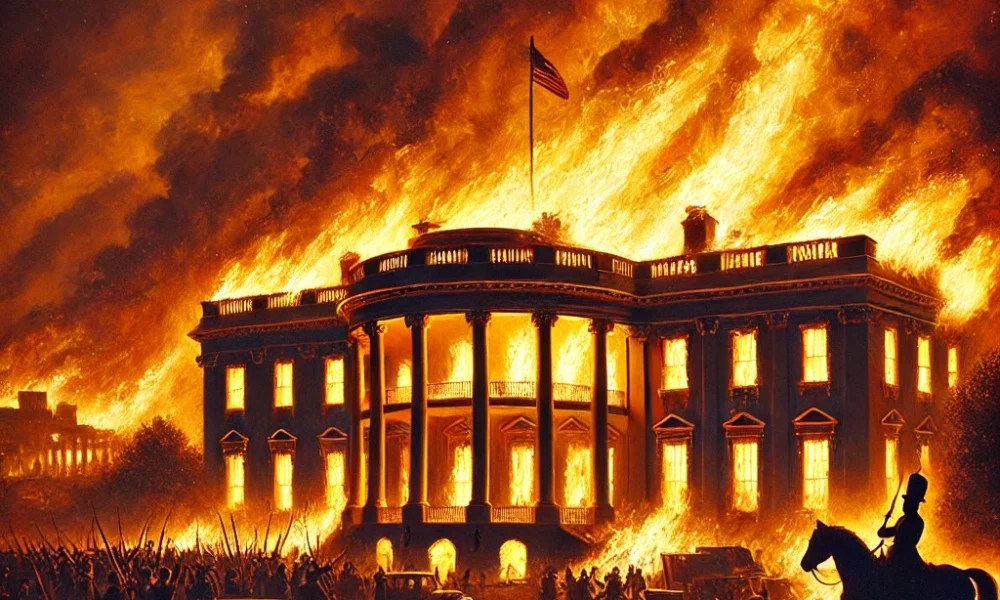
From Tehran to Taiwan: The Men Who Built America’s Empire Are Now Writing Its Autopsy This the shortened version, the detailed long version for the avid readers, see link at the bottom. Two of the most prominent architects of American imperial strategy published what can only be described as an obituary for uncontested United States… Continue reading
AI and Digital Control, America, China, economics, Energy, EUROPE, Financial markets, Foreign Policy, Geopolitics, Global Finance, iran, israel, Latin America, middle east, Mineral Resources, NATO, politics, reserve currency, Russia, satellites, war#EnergyMarkets, #GlobalPolitics, #GreatPowerCompetition, #InternationalRelations, #MiddleEast, #MilitaryTensions, #SCO, #WesternHegemony, #WorldOrder, Abraham Accords, abuse of power, accountability, airstrikes, American decline, American dementia, American empire, American exceptionalism, American governance, American Hegemony, American politics, American Power, Anglo-Iranian history, Ariane de Rothschild, Asian energy security, assassination attempts, attrition, authoritarian, ballistic missiles, bargaining model of war, Benjamin Netanyahu, bipartisan continuity, blackrock, Bloomberg, British empire decline, Brussels, Brzeziński grand strategy, Geopolitics, iran, multipolarity, Russia -
How Russia Wins the New World War
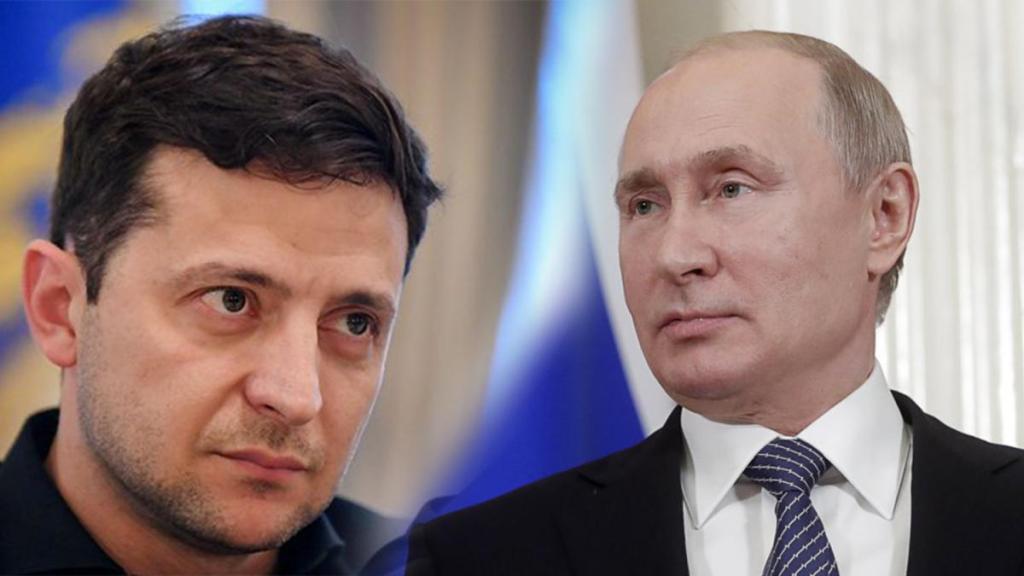
Sharpening nuclear deterrence and revising doctrine as necessary conditions to defeat Kiev and constrain the West The post-Cold War order has failed, and Russia’s survival now depends on forcing a strategic reversal of Western escalation through nuclear-backed coercive deterrence rather than conventional victory. The collapse of the Soviet Union removed geopolitical constraints without eliminating nuclear… Continue reading
AI and Digital Control, America, economics, Energy, EUROPE, Financial markets, Foreign Policy, Geopolitics, iran, israel, middle east, Mineral Resources, NATO, politics, reserve currency, Russia, satellites, South East Asia, warairport strike, conflict attribution, Drone Warfare, Escalation dynamics, Ethiopia involvement claims, evidence vs claims, foreign interference, Horn of Africa security, information warfare, international response, Khartoum allegations, military accusations, propaganda framing, proxy conflict risks, Red Sea security, regional geopolitics, strategic messaging, Sudan conflict, UAE involvement claims, war narrative -
DeepSeek and the End of American AI Cost Dominance

How DeepSeek exposed the economic weakness inside high-cost American artificial intelligence systems DeepSeek released a lower-cost artificial intelligence model that approaches the performance range of leading American systems while operating at a fraction of the reported price. Reported token pricing places DeepSeek near $3.48 per million output tokens, while comparable frontier systems from OpenAI and… Continue reading
AI and Digital Control, America, China, economics, Energy, Financial markets, Foreign Policy, Geopolitics, iran, israel, middle east, Mineral Resources, NATO, politics, reserve currency, Russia, satellites, technology, warAI deployment, AI economics, AI infrastructure, AI market disruption, American technology sector, artificial intelligence, asymmetric competition, China, Chinese industrial strategy, Chinese technology, chip restrictions, computational economics, compute efficiency, cost advantage, cost warfare, DeepSeek, export controls, frontier models, geopolitical technology, hardware sanctions, Huawei, Huawei chips, industrial competition, industrial policy, OpenAI, semiconductor competition, Silicon Valley, strategic technology, technology rivalry, technology sovereignty -
Oil Infrastructure Warfare, Energy Attrition, And The Struggle For Global Primacy
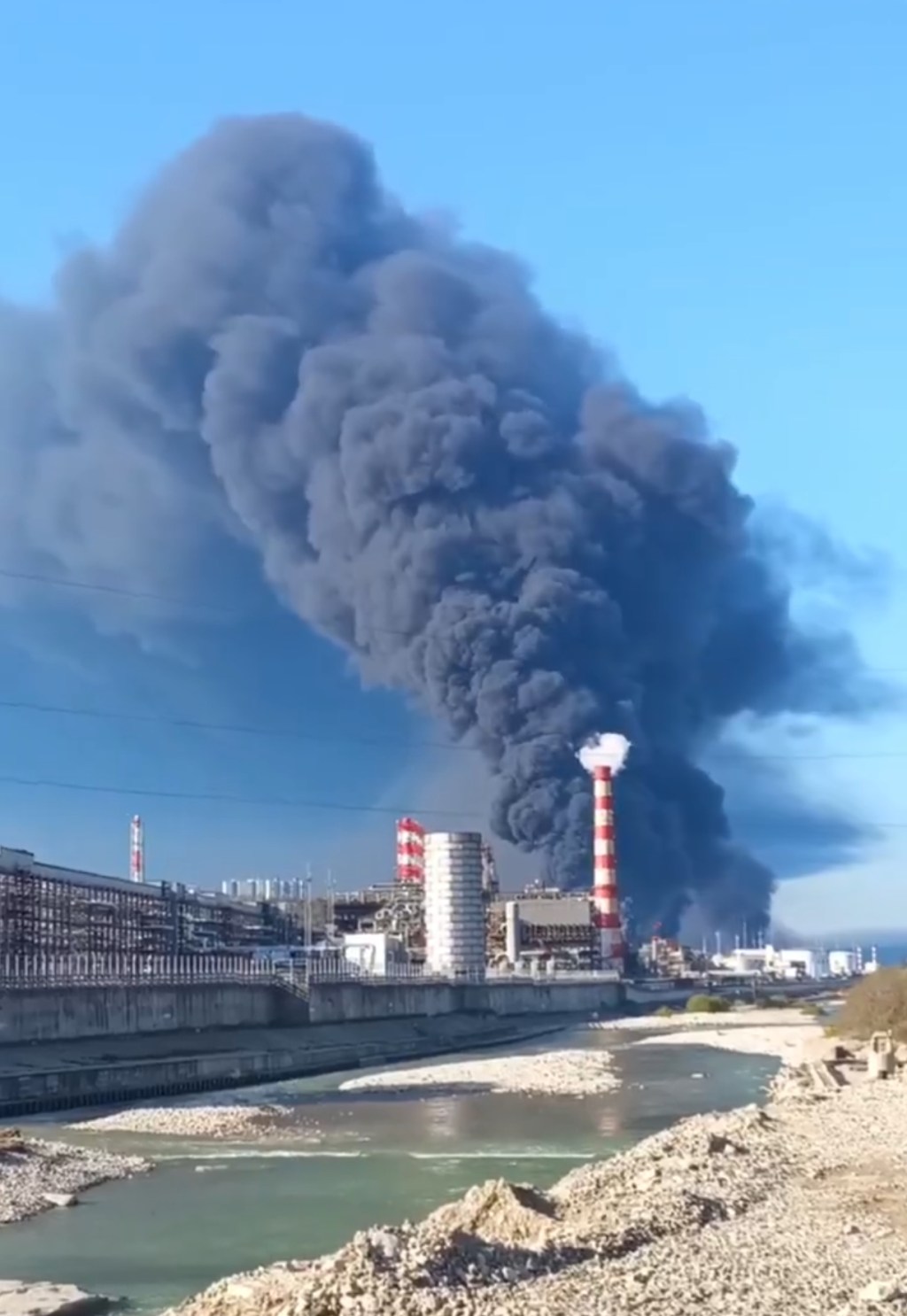
Energy Systems as Strategic Targets in the Transition from Unipolar Control to Multipolar Contestation The core claim of this article is that the current ruling transnational oligarchy and supranational interests seek to maintain their grip over primacy and hegemony, preventing the fragmentation of the unipolar rules-based order into multipolarity led by emerging blocs. Control of… Continue reading
AI and Digital Control, America, China, economics, Energy, EUROPE, Financial markets, Foreign Policy, Geopolitics, iran, israel, middle east, Mineral Resources, NATO, politics, reserve currency, Russia, satellites, warcritical infrastructure, Drone Warfare, economic warfare., energy attrition, energy security, financial systems, Geopolitics, global primacy, global trade, industrial warfare, Iran energy infrastructure, maritime chokepoints, Middle East conflict, multipolarity, oil infrastructure warfare, petrodollar, refineries, Russia Ukraine War, sanctions, Strategic Competition, supply chains, unipolar order -
Satellite-Enabled Strikes Are Redefining Sovereignty and Global Power
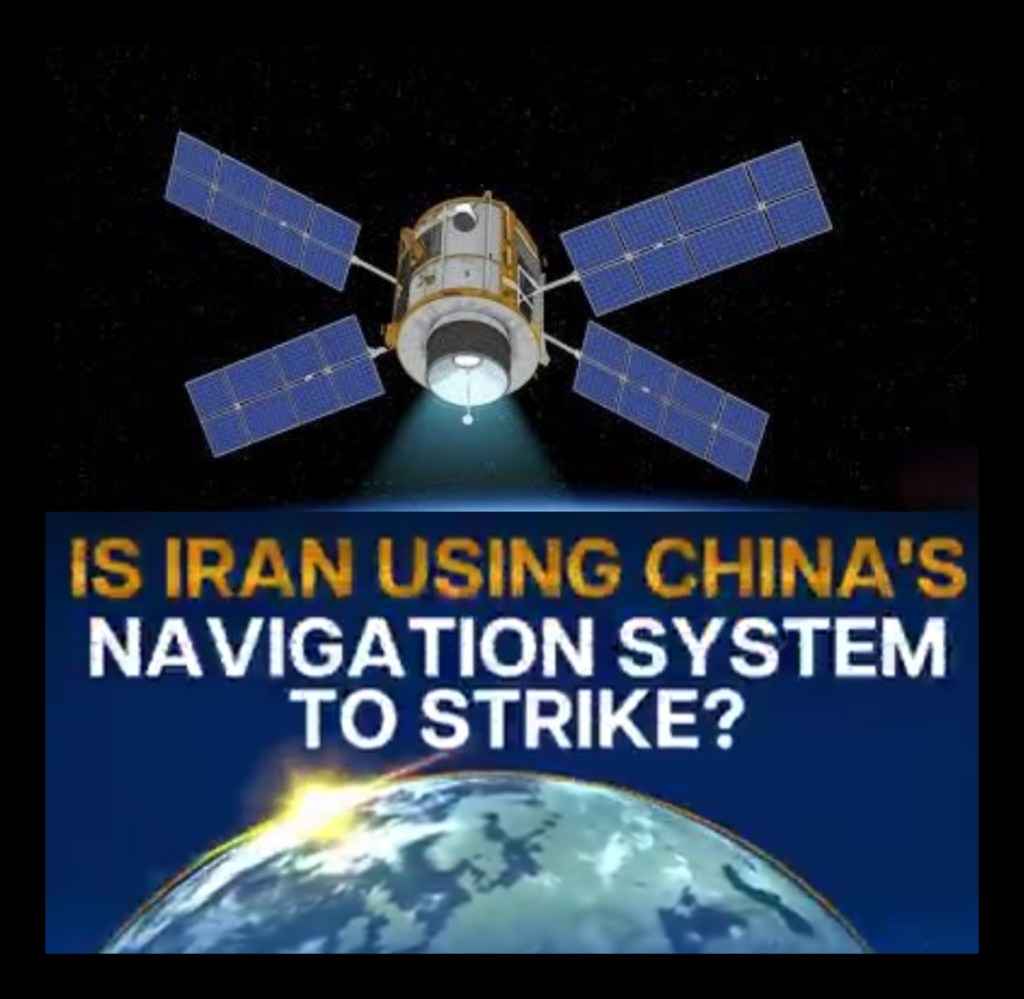
Iran, China, and Russia Turn Satellites Into Strategic Weapons of Retaliation Redrawing the Rules of Global Power In the skies above the Middle East, the rules of war are changing, not through missiles or tanks, but through advanced observational systems orbiting the Earth. For decades, American military dominance relied on unrivaled intelligence and orbital surveillance,… Continue reading
AI and Digital Control, America, China, economics, Energy, EUROPE, Financial markets, Foreign Policy, Geopolitics, Global Finance, Health, iran, israel, NATO, politics, Russia, satellites, warasymmetric warfare, C4ISR, China defense, commercial satellites, geopolitical transformation, global power shift, information warfare, Iran military, Iran-China-Russia axis, Middle East conflict, military technology, multipolarity, orbital intelligence, precision strikes, Russia strategy, satellite warfare, space militarization, strategic deterrence, technological sovereignty, US military dominance
