
South East Asia
-
The Fractured Crescent
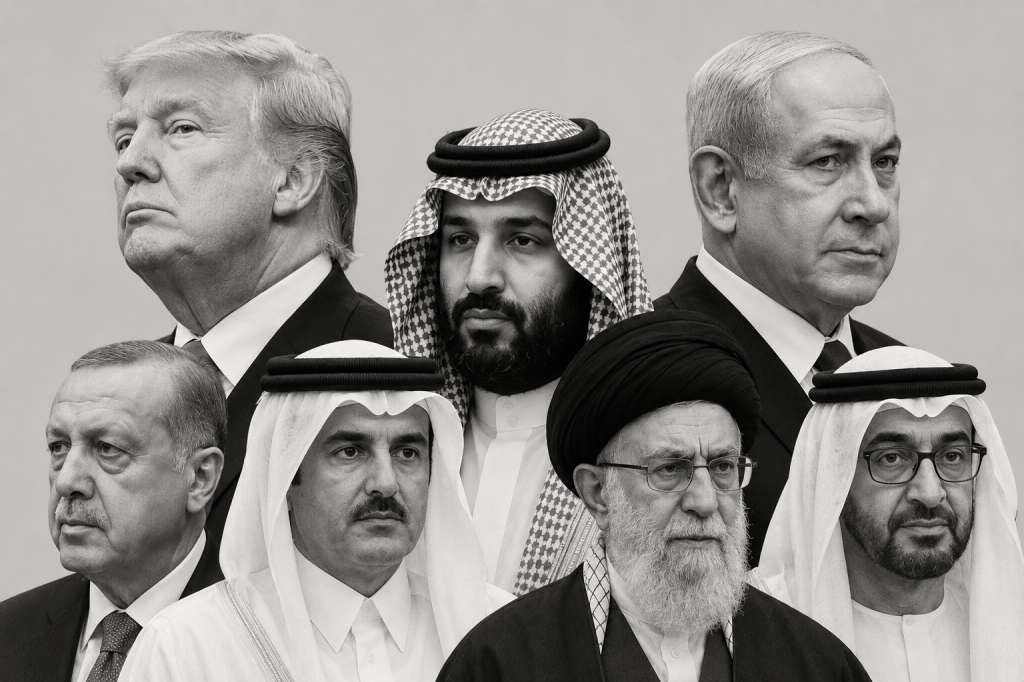
Power, Rivalry and Realignment in the Emerging Middle Eastern Order The Middle East enters another period of strategic transition as assumptions underpinning the regional order during the post-Cold War era face growing pressure from shifting power balances, changing economic realities, military confrontation, and the gradual erosion of uncontested American dominance. Public discussion frequently presents the… Continue reading
AI and Digital Control, America, China, economics, Energy, EUROPE, Financial markets, Foreign Policy, Geopolitics, Global Finance, iran, israel, Latin America, middle east, Mineral Resources, NATO, politics, reserve currency, Russia, South East Asia, warAbraham Accords, energy politics, Eurasia, Gaza War, Geopolitics, Geostrategy, great power competition, Gulf Cooperation Council, Gulf States, iran, israel, middle east, Mohammed bin Salman, Mohammed bin Zayed, multipolarity, Netanyahu, Political Rivalry, power transition, Qatar, Red Sea, regional power shift, Regional Realignment, Saudi Arabia, security architecture, Strait of Hormuz, Strategic Competition, Sudan conflict, Trump, Turkey, US foreign policy, West Asia, Yemen war -
From the Grand Chessboard to the Golden Node: The Biggest Geopolitical Deal Filipinos Barely Heard About
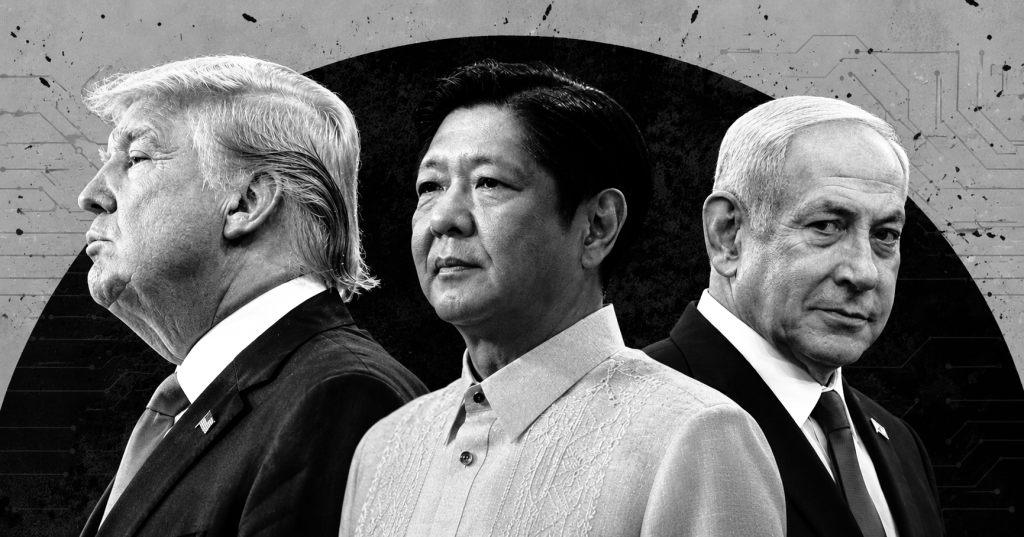
Pax Silica, Jacob Helberg’s AI Hub, and the Architecture of American China Containment in the Philippines Editorial Analysis | 30 May 2026 At 12:20 a.m. on 5 May 2026, a United States Army Typhon Mid-Range Capability launcher fired a Tomahawk cruise missile from Tacloban City Airport on Leyte Island in the central Philippines, striking its… Continue reading
AI and Digital Control, America, China, economics, EUROPE, Financial markets, Foreign Policy, Geopolitics, Global Finance, iran, israel, middle east, Mineral Resources, NATO, politics, reserve currency, Russia, South East Asia, SpaceAlex Karp, Bases Conversion and Development Authority, BCDA, BCDA Law, Cagayan bases, CREATE MORE Act, digital kill chain, diplomatic immunity rejected, Economic Security Zone, EDCA, Enhanced Defense Cooperation Agreement, Ferdinand Marcos Jr, Fort Magsaysay, Golden Node, Hill and Valley Forum, Investors Lease Act, Jacob Helberg, Joshua Bingcang, Lal-lo Airport, Luzon Economic Corridor, New Clark City, nine EDCA sites, Palantir Technologies, Pax Silica, Philippine sovereignty, Philippines AI hub, RA 12252, RA 7227, RA 7652, Supplemental Agreement, Tarlac, Under Secretary of State for Economic Affairs, US common law rejected, US-China Economic and Security Review Commission, Wires of War -
Do Not Underestimate the United States (Editorial Version)
An analytical examination of the US blockade on Iran, the systematic disruption of energy flows to Asia, and the long-term campaign to isolate China The United States Navy’s deployment of FA-18 Super Hornets to conduct strafing attacks against Iranian commercial tankers in the Gulf of Oman on 6 and 8 May 2026, three vessels targeted,… Continue reading
AI and Digital Control, America, China, economics, Energy, EUROPE, Financial markets, Foreign Policy, Geopolitics, Global Finance, iran, israel, middle east, Mineral Resources, NATO, politics, reserve currency, Russia, South East Asia, waralliance systems, Brian Berletic, Brookings Institution, China, deindustrialisation, economic warfare., energy security, Energy Warfare, Eurasia, Eurasian integration, Geopolitics, global energy markets, global trade routes, great power competition, Indo-Pacific, industrial policy, international relations, iran, LNG, maritime chokepoints, Maritime Strategy, NATO, Nord Stream, proxy warfare, RAND Corporation, Russia, sanctions, sanctions policy, Strait of Hormuz, Strait of Malacca, Strategic Competition, Ukraine war, United States foreign policy, US Navy -
Trump’s Beijing Delegation Exposed the Real Structure of American Power [Extended Version]
![Trump’s Beijing Delegation Exposed the Real Structure of American Power [Extended Version]](https://globalgeopolitics.co.uk/wp-content/uploads/2026/05/img_20260513_235056.jpg?w=1024)
The Beijing visit exposed how transnational corporations, financial institutions, and technology monopolies now operate openly as the permanent power structure beneath American electoral politics. Donald Trump arrived in Beijing flanked by the commanding layer of American corporate and financial power because the visit exposed something Washington normally prefers hidden behind electoral theatre: transnational capital, technology… Continue reading
AI and Digital Control, America, China, economics, Energy, EUROPE, Financial markets, Foreign Policy, Geopolitics, Global Finance, iran, israel, middle east, Mineral Resources, NATO, politics, reserve currency, Russia, South East Asia, warAmerican decline, American empire, Apple, Belt and Road Initiative, blackrock, Boeing, China, Chinese Strategy, Corporate Globalism, corporate power, dollar hegemony, donald trump, economic warfare., elite power structures, energy security, Eurasia, Financial Capital, Financialisation, Foreign Policy, Game Theory, Geoeconomics, Geopolitics, global hegemony, global order, Goldman Sachs, great power competition, Indo-Pacific, Industrial Capacity, industrial policy, international relations, iran, manufacturing, Maritime Strategy, multipolarity, Nvidia, oligarchy, political economy, realism, Semiconductor War, Silicon Valley, Strategic Competition, strategic studies, supply chains, taiwan, technological sovereignty, Tesla, transnational capital, United States, US-China relations, wall street, Xi Jinping -
The Unipolar Machine: A Geopolitical Analysis of the United States Senate Hearing on Indo-Pacific Command, April 2026

How a United States Senate hearing revealed the machinery of permanent war, energy blackmail, the consumption of proxies and the making of a new Asian front For most people who follow international affairs, the daily news cycle provides a sense of orientation. Headlines announce wars, peace talks, diplomatic summits, and military mobilisations. Politicians stand behind… Continue reading
AI and Digital Control, America, China, economics, Energy, EUROPE, Financial markets, Foreign Policy, Geopolitics, Global Finance, iran, israel, middle east, Mineral Resources, NATO, politics, reserve currency, Russia, South East Asia, warAdmiral Samuel Paparo, American exceptionalism, April 2026, B-21 bomber, bipartisan continuity, China containment, Columbia class submarine, defence contracting, elite capture, energy as weapon, General Dynamics, General Xavier Brunson, imperial bureaucracy, Indo-Pacific Command, LNG decoupling, military industrial complex, National Endowment for Democracy, Nord Stream sabotage, Northrop Grumman, Orwellian language, proxy relationships, RAND Corporation Extending Russia, Senate Armed Services Committee, South Korea military alliance, Strait of Hormuz, Strait of Malacca, unipolarity, United States foreign policy, wartime operational control -
The New Geography of Power: Europe Pays, America Pivots (Extended Version)
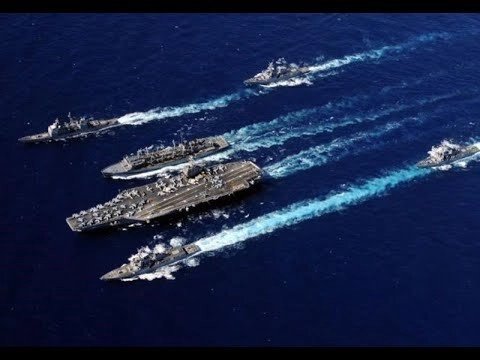
How Washington weaponised energy chokepoints, controlled instability, and alliance dependency against China, Iran, and Europe. The post-Cold War order is ending not because American power suddenly collapsed beneath external pressure, but because Washington abandoned the economic logic that previously sustained its own imperial system across multiple continents simultaneously. The United States no longer governs primarily… Continue reading
AI and Digital Control, America, China, economics, Energy, EUROPE, Financial markets, Foreign Policy, Geopolitics, Global Finance, iran, israel, middle east, Mineral Resources, NATO, politics, reserve currency, Russia, South East Asia, warAmerican Hegemony, China containment, energy security, Energy Warfare, Eurasia, European Union Crisis, Game Theory, Geopolitics, globalisation, Indo-Pacific, Industrial Dependency, Iran Sanctions, maritime chokepoints, Maritime Strategy, NATO Fragmentation, political economy, realism, Strait of Hormuz, Strait of Malacca, Strategic Competition -
How Russia Wins the New World War
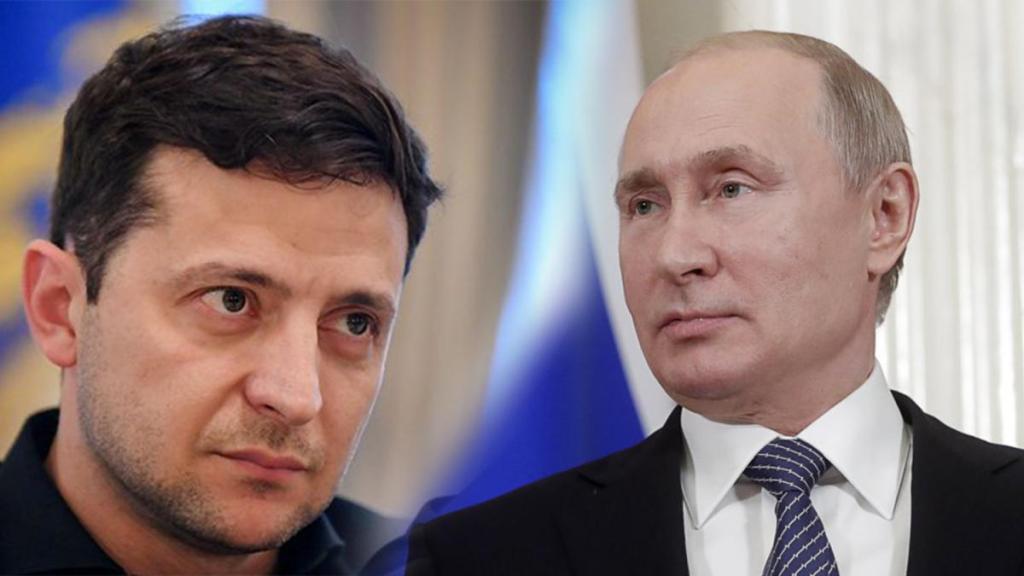
Sharpening nuclear deterrence and revising doctrine as necessary conditions to defeat Kiev and constrain the West The post-Cold War order has failed, and Russia’s survival now depends on forcing a strategic reversal of Western escalation through nuclear-backed coercive deterrence rather than conventional victory. The collapse of the Soviet Union removed geopolitical constraints without eliminating nuclear… Continue reading
AI and Digital Control, America, economics, Energy, EUROPE, Financial markets, Foreign Policy, Geopolitics, iran, israel, middle east, Mineral Resources, NATO, politics, reserve currency, Russia, satellites, South East Asia, warairport strike, conflict attribution, Drone Warfare, Escalation dynamics, Ethiopia involvement claims, evidence vs claims, foreign interference, Horn of Africa security, information warfare, international response, Khartoum allegations, military accusations, propaganda framing, proxy conflict risks, Red Sea security, regional geopolitics, strategic messaging, Sudan conflict, UAE involvement claims, war narrative -
The China Perspective: War Without Declaration
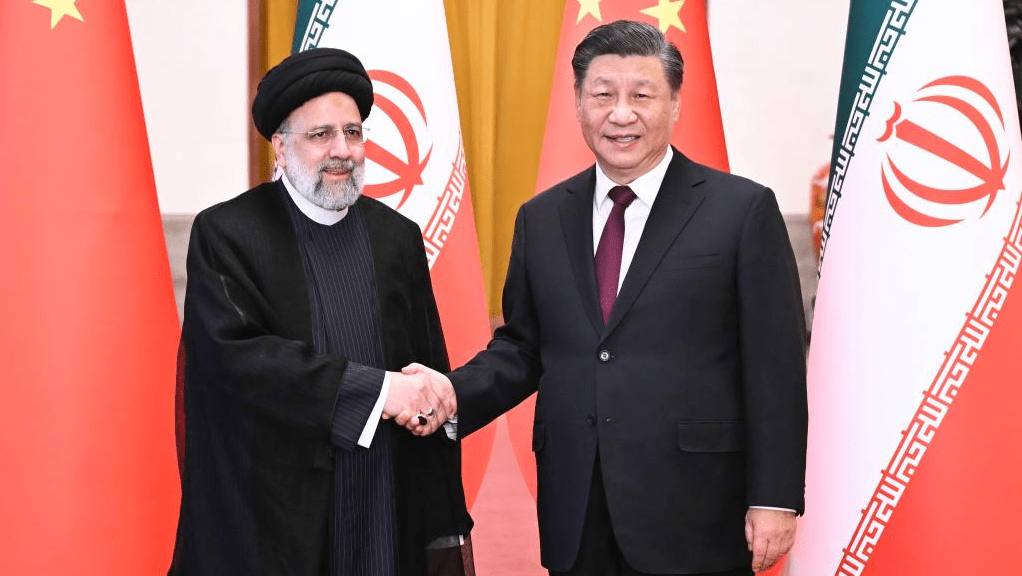
A Consideration of War in Iran and the Greater Reordering of the World In Which China Endures the Tumult of War Whilst the Old Order Strains to Maintain Its Hold China views the Iran war not as a distant regional conflict but as part of a broader strategic environment in which it is the primary… Continue reading
AI and Digital Control, America, China, economics, Energy, EUROPE, Financial markets, Foreign Policy, Geopolitics, Global Finance, iran, israel, middle east, Mineral Resources, NATO, politics, reserve currency, Russia, South East Asia, warBelt and Road Initiative, China, containment strategy, economic warfare., energy security, Eurasian integration, financial systems, Geopolitics, global power shift, global supply chains, global trade, globalisation, international relations, Iran War, maritime chokepoints, Middle East conflict, multipolar world order, realism theory, sanctions, sanctions policy, Strait of Hormuz, Strategic Competition, strategic restraint, United States, US-China relations -
The UAE’s OPEC+ Exit – A Structural Gamble
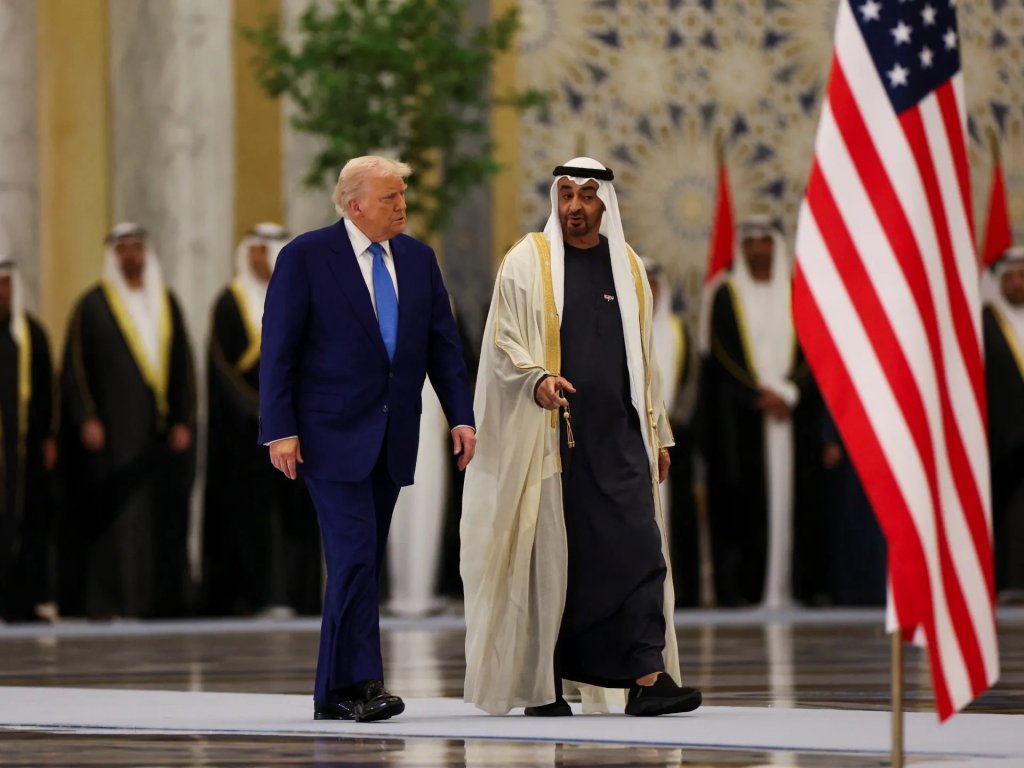
An irreversible strategic shift in energy, security, and regional order The United Arab Emirates’ decision to quit OPEC+ represents a structural rupture in Gulf geopolitics, reshaping energy flows, fracturing regional alliances, and exposing the fragility of U.S. strategic guarantees. This manoeuvre is irreversible. By monetising its newly expanded oil capacity of five million barrels per… Continue reading
AI and Digital Control, America, China, economics, Energy, EUROPE, Financial markets, Foreign Policy, Geopolitics, Global Finance, iran, israel, middle east, Mineral Resources, NATO, politics, reserve currency, Russia, South East Asia, warAbu Dhabi, asymmetric warfare, capital flight, energy strategy, Fujairah pipeline, Game Theory, GCC, global energy markets, Gulf geopolitics, international political economy, iran, Middle East energy, OPEC fragmentation, OPEC+, Persian Gulf, regional alliances, regional power shift, Saudi Arabia, strategic autonomy, U.S. security guarantees, UAE -
Next Stop: Strait of Malacca
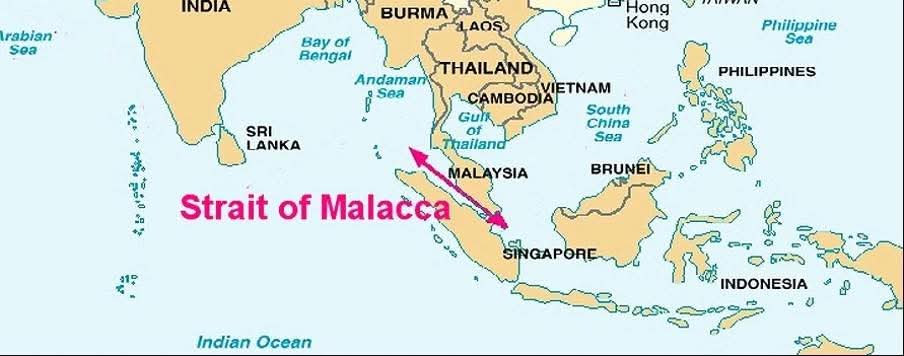
From Hormuz blockade logic and the extension of maritime leverage into East Asian energy supply chains American naval forces have expanded interdiction operations beyond the Persian Gulf into the wider Indian Ocean along established commercial shipping routes. Recent seizures of tankers including the Tifani and Majestic X occurred in waters between Sri Lanka and Indonesia… Continue reading
