
oil markets
-
A System That Charges Gulf States for Protection
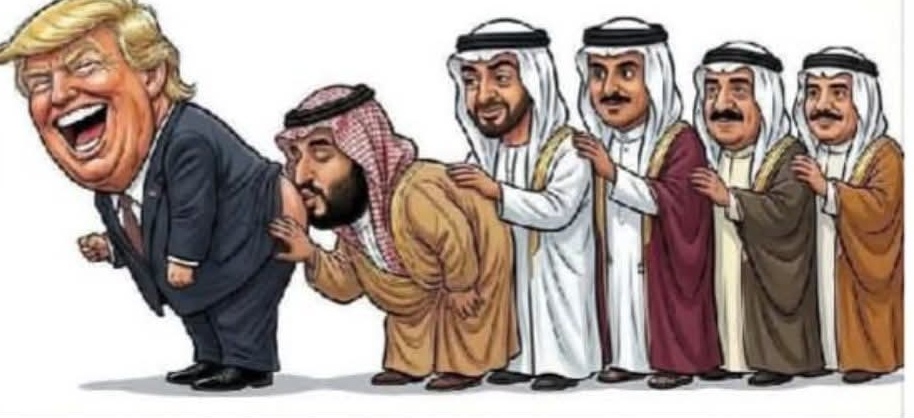
How Gulf states bankroll U.S. military presence while buying weapons and defending the petrodollar (Disclaimer: I did not create the headline cartoon image) The Gulf states are charged for the “myth” of protection. They didn’t start the Iranian war nor were they even consulted. They just woke up to the news of the double tap… Continue reading
AI and Digital Control, China, economics, Energy, EUROPE, Financial markets, Foreign Policy, Geopolitics, Global Finance, iran, israel, middle east, NATO, politics, reserve currency, wararms sales, defense spending, economic dependence, financial systems, Gulf States, imperialism, Iran conflict, Middle East geopolitics, military dependence, Mohammed bin Salman, oil markets, petrodollar, Saudi Arabia, sovereign wealth funds, Trump administration, U.S. bases, U.S. foreign policy, U.S. superpower, Washington influence -
Gate of Tears, Strait of No Return

How simultaneous chokepoint warfare has trapped global trade between two narrowing exits, a strategic game the West cannot easily exit The Houthi declaration of entry into the war alters the structure of the conflict in a measurable way that can be tested against known data on maritime flows, energy dependency, escalation theory, and capital market… Continue reading
AI and Digital Control, America, economics, Energy, EUROPE, Financial markets, Foreign Policy, Geopolitics, iran, israel, middle east, NATO, politics, Russia, warasymmetric warfare, bab el mandeb, chokepoint warfare, economic warfare., energy crisis, energy infrastructure attacks, Escalation dynamics, Financial markets, Game Theory, Geopolitics, global inflation, global trade disruption, houthis, Iran strategy, maritime security, Middle East conflict, multipolar world order, oil markets, oil price volatility, petrodollar system, proxy warfare, red sea crisis, regime resilience, shipping routes, sovereign debt risk, Strait of Hormuz, strategic endurance, supply chains, Ukraine-Russia war, Yemen war -
How Donald Trump’s Pre-Market Statements Shape Oil Prices To Buy Time During the Unprovoked Iran Conflict
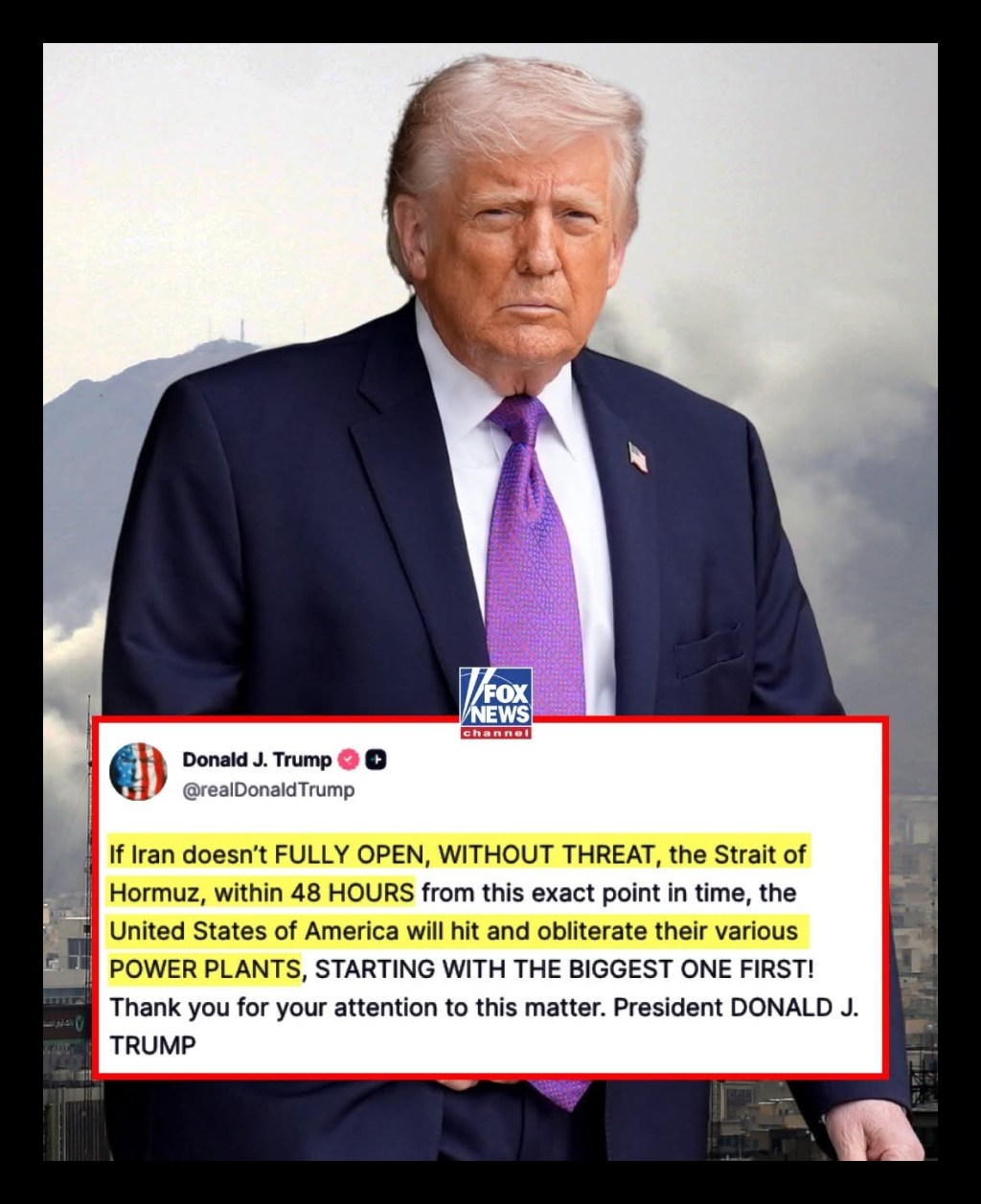
Repeated cycles of reassurance followed by unchanged conflict conditions show messaging functioning as a temporary volatility management tool rather than a reflection of reality Statements issued by Donald Trump over the past three weeks show a repeatable interaction between political messaging and immediate market response, with timing, content, and outcome forming a consistent sequence rather… Continue reading
AI and Digital Control, America, economics, Energy, EUROPE, Financial markets, Foreign Policy, Geopolitics, Global Finance, iran, israel, middle east, Mineral Resources, NATO, politics, warbond markets, crude oil pricing, donald trump, energy prices, equity market reaction, Financial markets, geopolitical risk, investor behaviour, Iran conflict, Iranian foreign policy, market signalling, market volatility, oil markets, risk perception, sanctions, Strait of Hormuz, strategic communication, supply disruption, United States policy, war messaging -
The Security Council’s Selective Condemnation of Iran
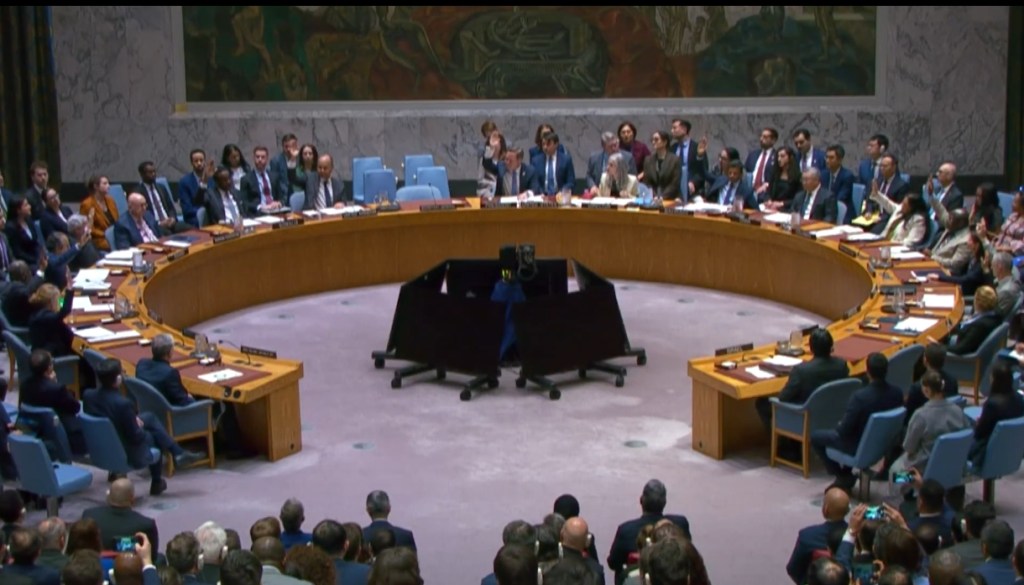
How the UN Resolution on Iran Omitted the Origins of the Conflict and Reflected the Politics of Power The resolution adopted by the United Nations Security Council condemning Iran’s military actions across the Gulf has been presented as a clear statement in defence of regional stability. Yet the circumstances surrounding the vote raise serious questions… Continue reading
AI and Digital Control, America, Carribean, East Africa, economics, Energy, EUROPE, Financial markets, Foreign Policy, Geopolitics, iran, israel, middle east, NATO, politics, Russia, warasymmetric warfare, Condemnation, Drone Warfare, economic disruption, economic warfare., energy security, geopolitical economy, geopolitical strategy, global energy markets, Gulf security, international diplomacy, iran, israel, Middle East geopolitics, military strategy, missile warfare, oil markets, sanctions, Strait of Hormuz, strategic deterrence, UN Resolution, UN Security Council, United Nations, United States, war of attrition, war termination -
The Hormuz Pressure Point Forces a Diplomatic Search for a Face-Saving Settlement
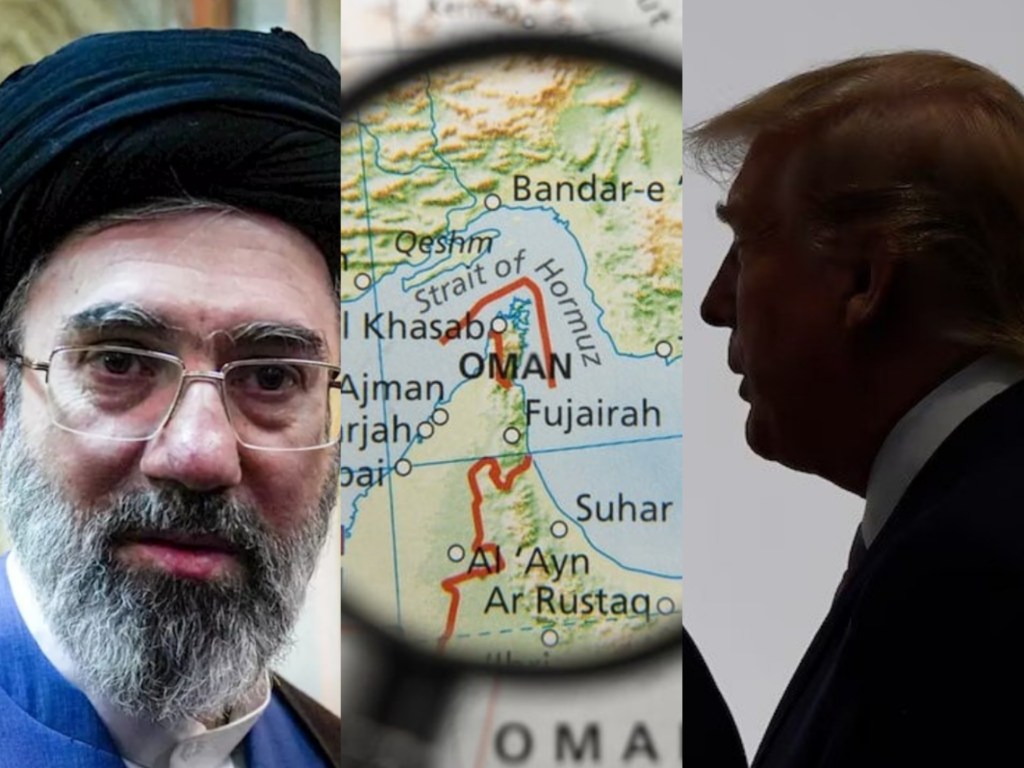
Oil market destabilisation reshapes battlefield calculations imposing a strategic dilemma of war termination under conditions of asymmetric pressure Strategic conflict between the Islamic Republic of Iran and the United States–Israel alliance developed across nearly half a century of sanctions, covert operations, proxy warfare, assassinations of Iranian officials and nuclear scientists, and repeated military confrontations across… Continue reading
AI and Digital Control, America, economics, Energy, Financial markets, Foreign Policy, Geopolitics, Global Finance, iran, israel, middle east, Mineral Resources, NATO, politics, reserve currency, Russia, warasymmetric warfare, Drone Warfare, economic disruption, economic warfare., energy security, geopolitical economy, geopolitical strategy, global energy markets, Gulf security, international diplomacy, iran, israel, Middle East geopolitics, military strategy, missile warfare, oil markets, sanctions, Strait of Hormuz, strategic deterrence, United States, war of attrition, war termination -
The Kharg Island Question After Leadership Decapitation Failed
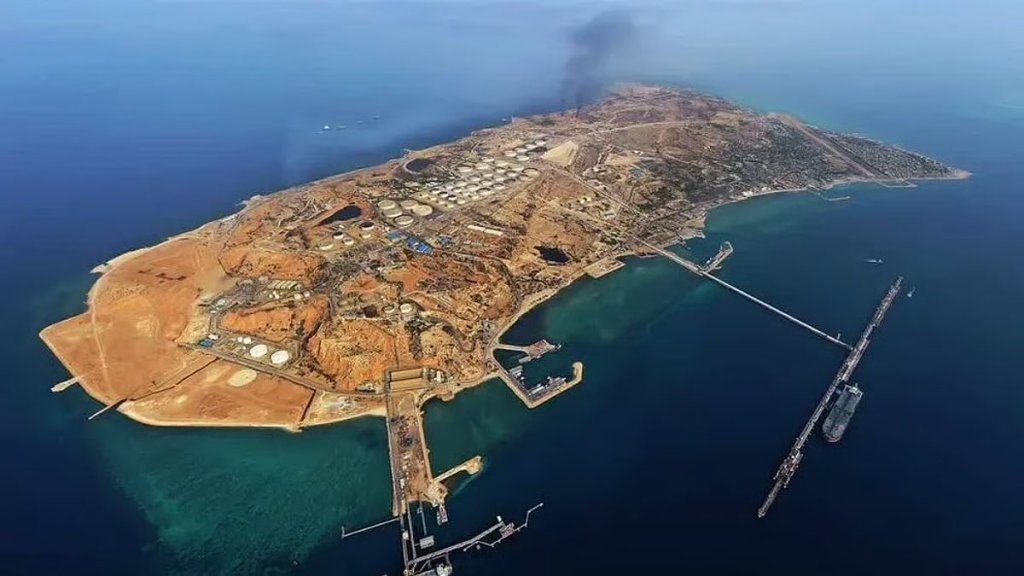
Why Kharg Island Is Emerging as the Next Coercive Economic Decapitation Option Designed to Break Iran’s War Economy Accepting defeat is not an option; the Epstein coalition has chosen a scorched-earth escalation policy instead. Only yesterday the coalition went after civilian infrastructure, another transgression against the rules of war. They struck a water desalination plant… Continue reading
-
Iran War Blunder Seen Through the Law of Unintended Consequences
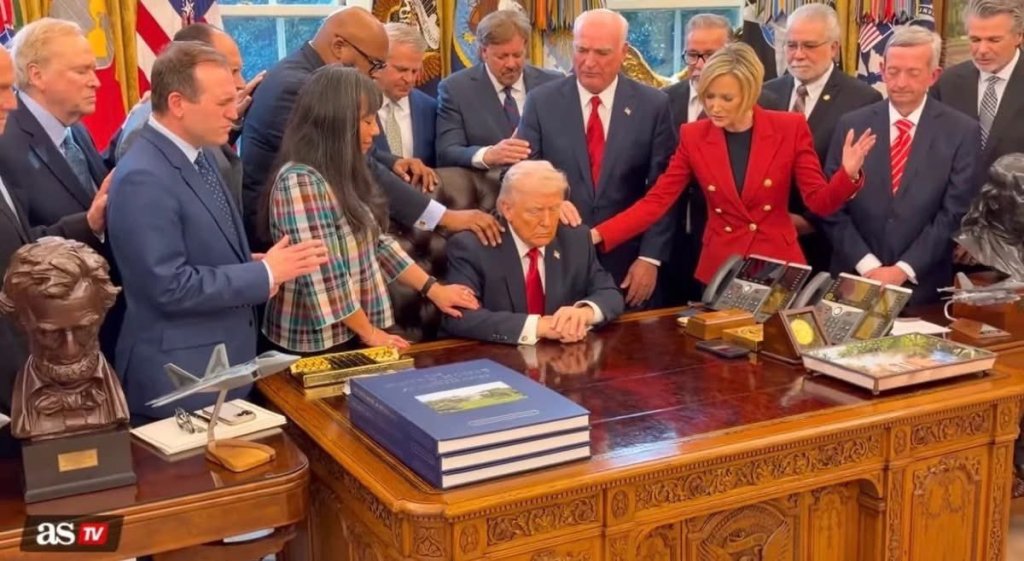
Strait of Hormuz disruption, sanctions blowback, and energy market chaos exposing the fragility of globalisation and accelerating geopolitical realignment Economic history repeatedly demonstrates the law of unintended consequences operating with particular force during military escalation and coercive sanctions regimes. The confrontation surrounding Iran now produces cascading disruptions across energy markets, alliances, shipping networks, and domestic… Continue reading
AI and Digital Control, America, China, economics, Energy, EUROPE, Financial markets, Foreign Policy, Geopolitics, Global Finance, iran, israel, middle east, Mineral Resources, NATO, politics, Russia, technology, warenergy chokepoints, energy geopolitics, energy security, Geopolitics, global energy markets, globalisation critique, international political economy, international trade routes, LNG markets, oil markets, Russia energy trade, sanctions blowback, sanctions policy, Strait of Hormuz, strategic miscalculation, supply chain disruption, unintended consequences, West Asia conflict -
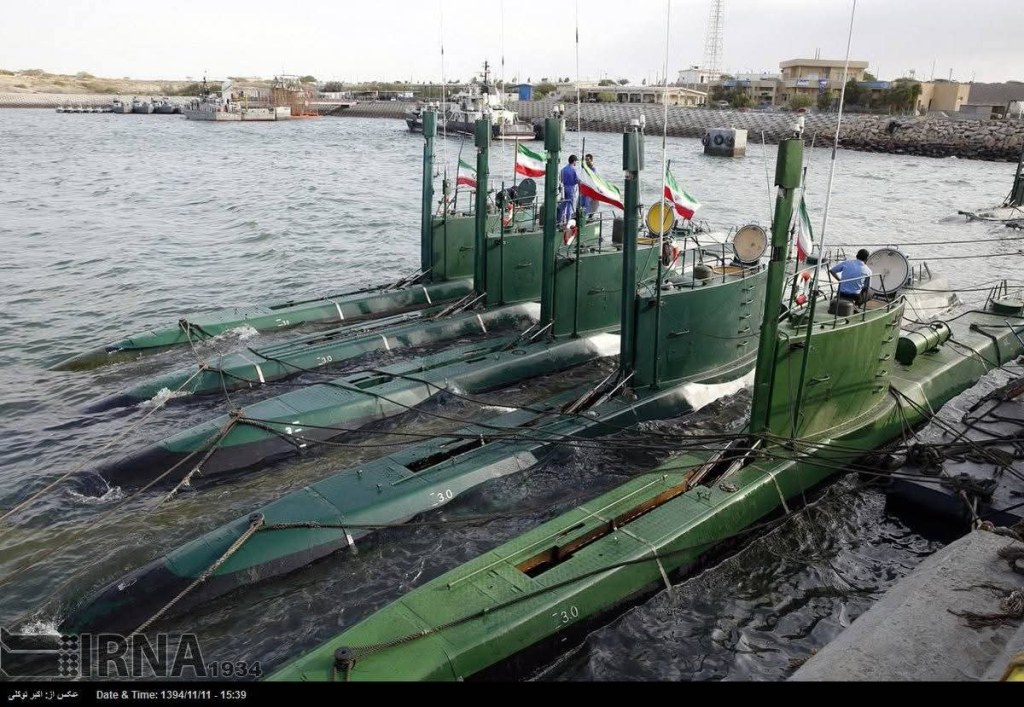
Iran’s Midget Submarines Form Quiet Backbone of Coastal Defence Small but numerous Ghadir-class submarine fleet highlights Tehran’s focus on asymmetric warfare in the Persian Gulf Iran’s navy has developed a range of unconventional tools over the years, but one of the least noticed is its fleet of small submarines known as the Ghadir-class submarine. These… Continue reading
AI and Digital Control, America, economics, Energy, Financial markets, Foreign Policy, Geopolitics, Global Finance, israel, middle east, Russia, warAbbas Araghchi, ballistic missiles, ceasefire, diplomacy, drone strikes, Geneva talks, iran, Iran nuclear program, Iranian Revolutionary Guard, israel, Middle East tensions, military conflict, Netanyahu, non-proliferation, nuclear negotiations, oil markets, proxy warfare, Red Sea, regime change, regional security, sanctions, Strait of Hormuz, Trump administration, U.S. military buildup, United States, USS Gerald R Ford, war escalation -
On the Verge of Iran War
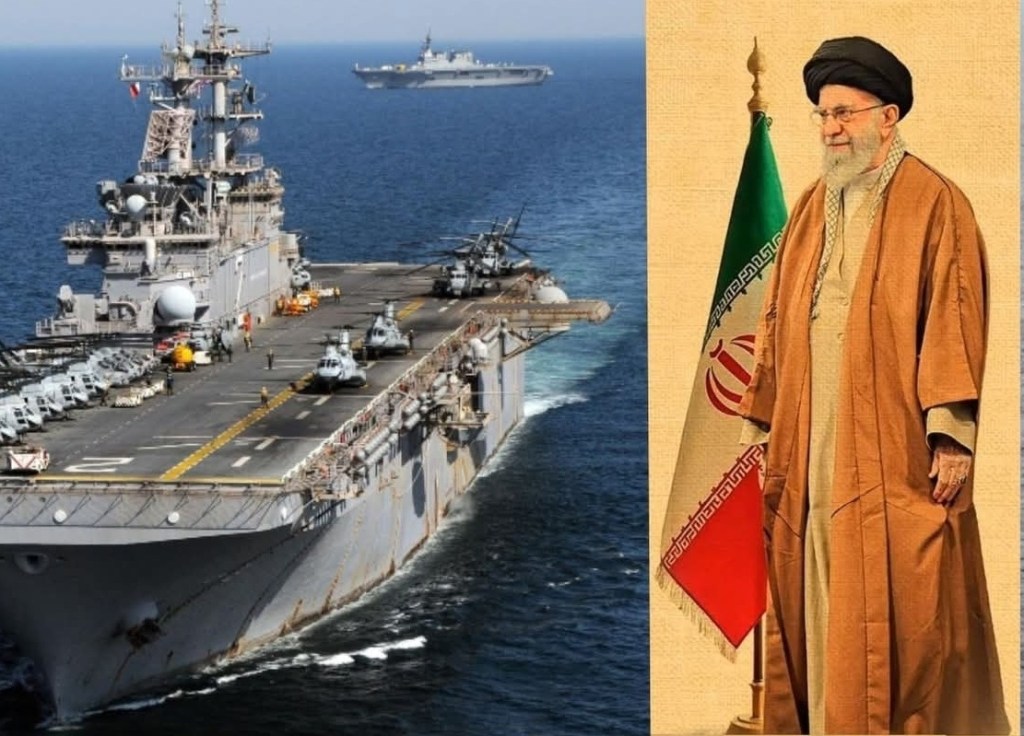
The region braces for war as U.S.-Israel-Iran conflict could start at any moment, affecting both regional security and global markets. The confrontation involving Iran, the United States, and Israel has reached a stage where military forces are positioned for rapid action, diplomatic efforts are secondary to military readiness, and the risk of escalation depends largely… Continue reading
-
Maduro Removal In Defence of the Petrodollar System and Energy Dominance
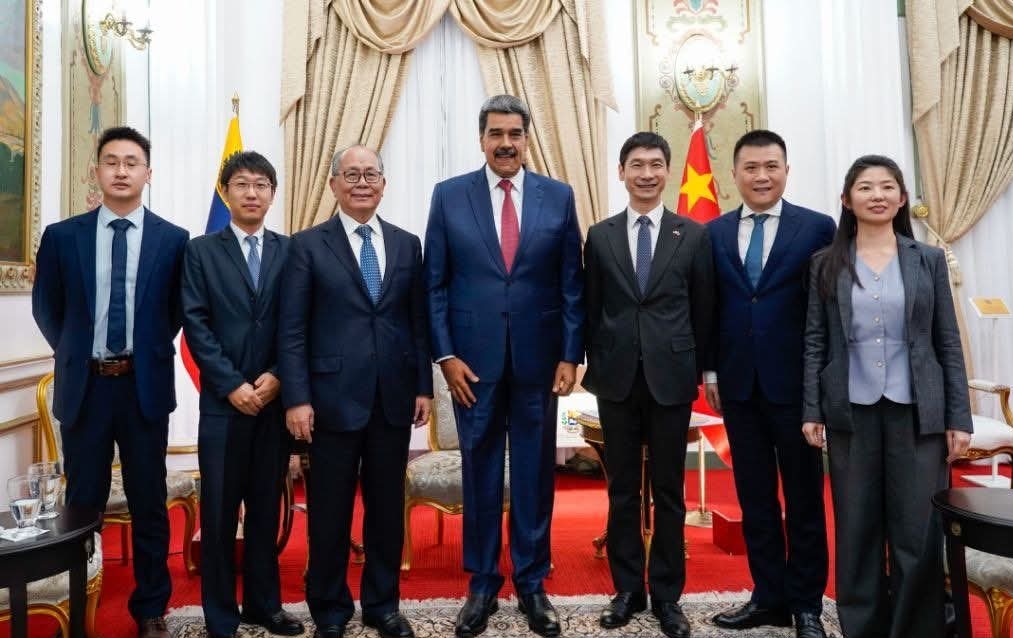
How energy control sustains petrodollar power against multipolar challengers, China, Russia, BRICS expansion, and alternative payment systems The removal of Venezuela’s head of state formed part of a broader contest over the architecture of global payments, energy settlement, and monetary hierarchy. The operation did not arise from humanitarian urgency, democratic reform, or governance failure. Strategic… Continue reading
