
sanctions
-
BRICS needs strategic maritime cooperation – Putin aide
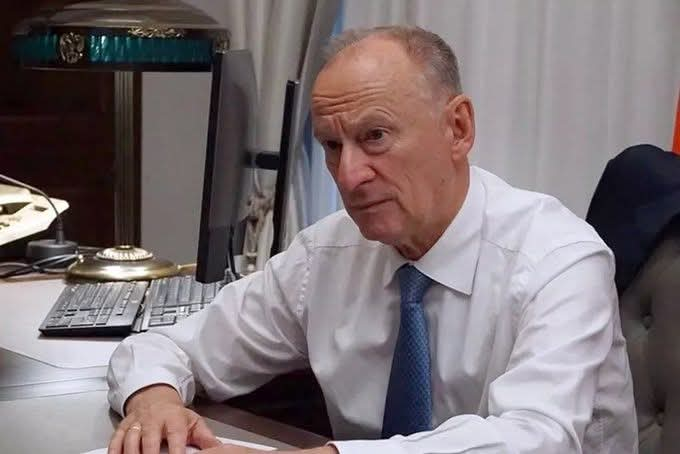
Why BRICS is moving toward maritime cooperation and why it has not become a military alliance Cooperation between the navies of member countries would help protect sea lanes, Nikolay Patrushev has said,speaking to Argumenty i Fakty (meaning “arguements and facts” ), a Russian weekly newspaper. ‘Our key task is building a multipolar order at sea.… Continue reading
-
The West v. East GeoEconomic Warfare For Financial Primacy
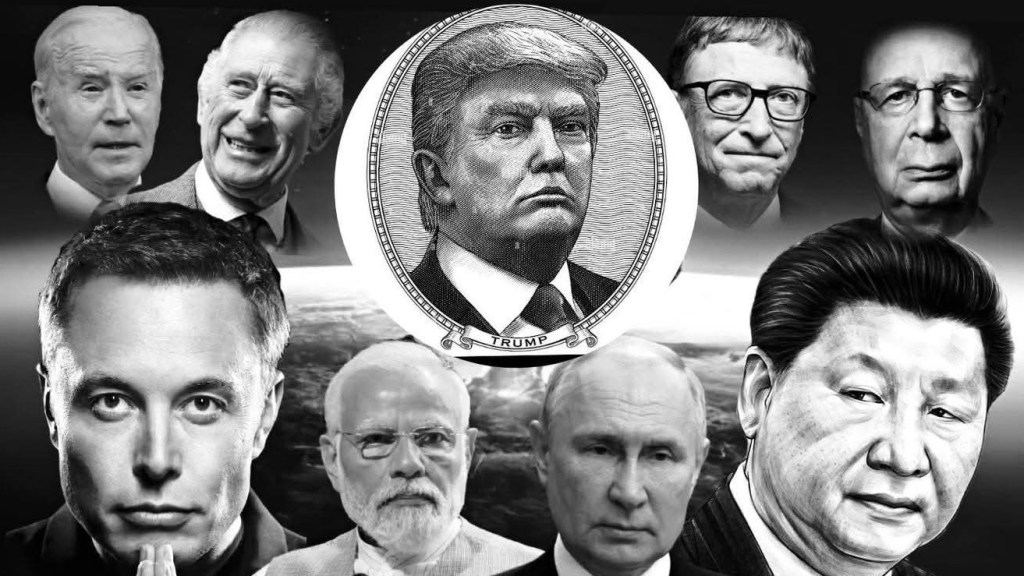
Monetary Systems, Power, and the Struggle to Shape and Control the Global Order for the Coming Generations West versus East; it is a war, for now, a smart kind of war, but one that results in a “permanent fragmentation” of the global financial architecture. This architecture that evolved after the Second World War rested upon… Continue reading
AI and Digital Control, America, China, economics, EUROPE, Financial markets, Foreign Policy, Geopolitics, Global Finance, israel, middle east, Mineral Resources, NATO, politics, reserve currency, Russia, South East Asia, warCBERS, chaos theory, Eastern Financial Systems, Economic Security, financial warfare, Game Theory, Geoeconomics, Global Finance, Gold Markets, Industrial Capacity, Minsky, Monetary sovereignty, Physical vs Paper Assets, reserve currency, sanctions, Silver Markets, Strategic Competition, Sun Tzu, SWIFT, US Dollar Dominance, West vs East -
The Cost of Iran’s Repeated Failures in Security and Economy
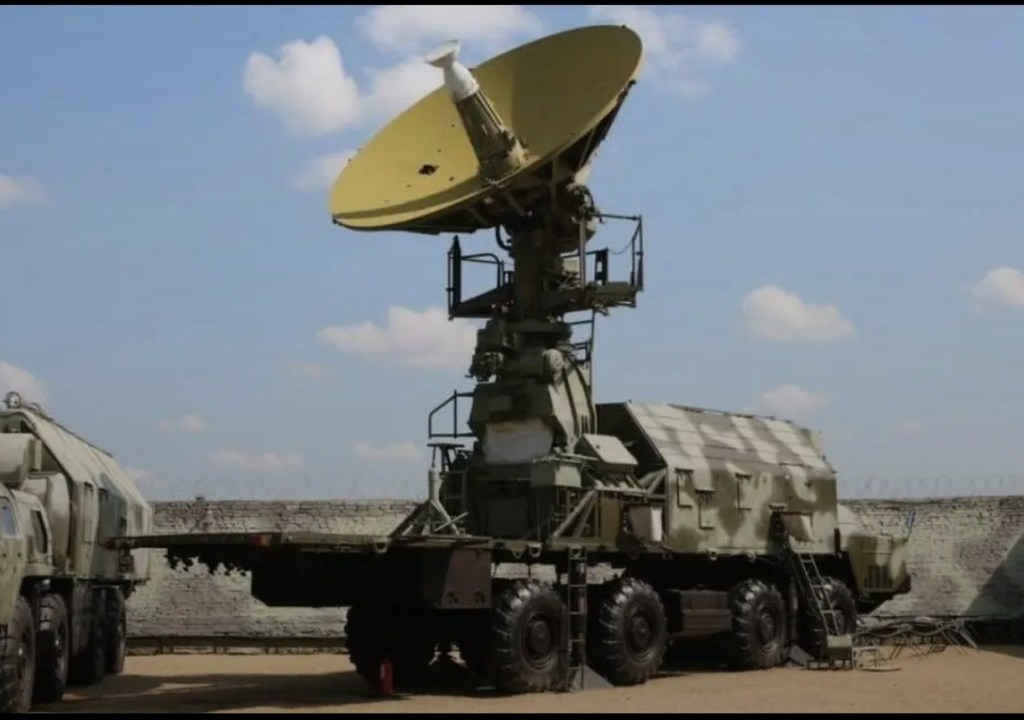
Understanding the Consequences of Ignoring Institutional Lessons and How Strategic Blind Spots Undermine National Stability Iran’s recent crisis reflects a repeated failure to learn established lessons about survival under sustained external pressure. These lessons concern preparation for regime change operations, economic stabilisation as a security function, internal security consolidation, and deterrence credibility against external coercion.… Continue reading
-
The Hypocrisy of Intervention
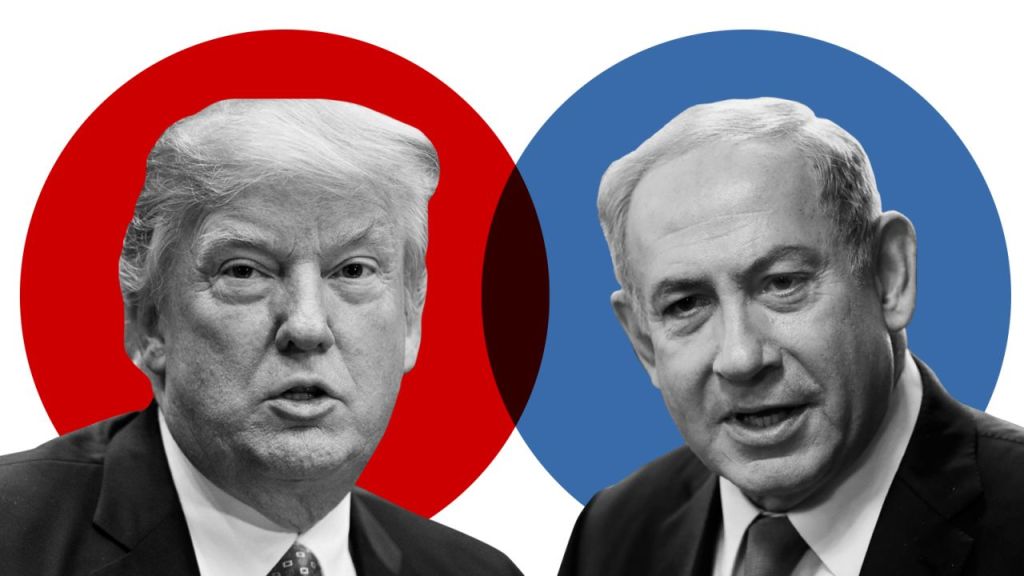
How U.S. Policy Manipulates Crisis for Geopolitical Gain The recent developments surrounding Iran, the protests, and the potential for military intervention raise difficult questions about U.S. policy and priorities. Former President Trump’s sudden concern for the lives of Iranian demonstrators contrasts sharply with his history of backing Israel’s military actions in Gaza, actions that killed… Continue reading
-
Tensions Surge in the Middle East: US-Iran Conflict Looms
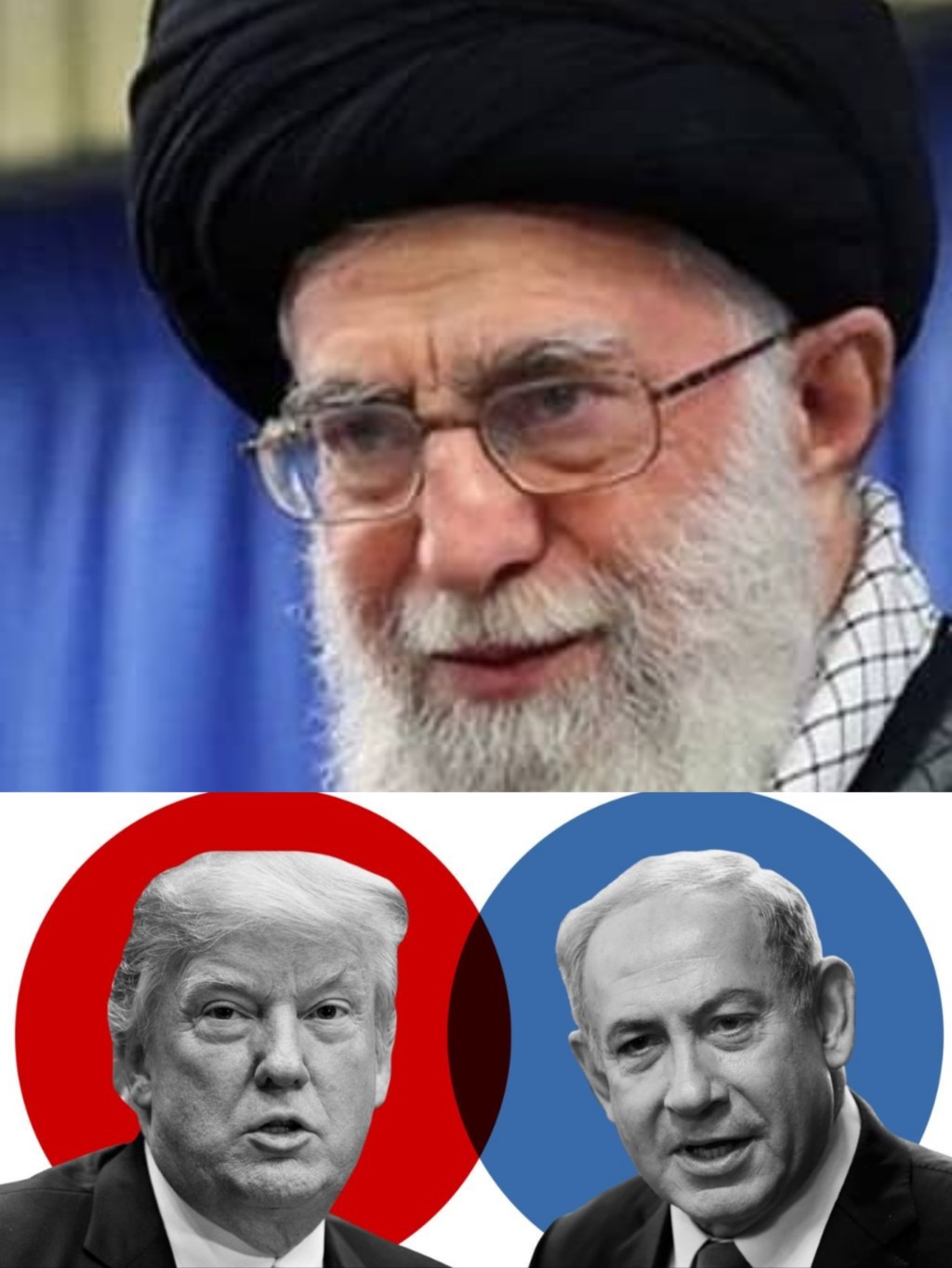
As Military Forces Mobilize and Diplomatic Channels Fray, Experts Warn a Major Confrontation May Be Imminent. In recent reports, the situation in the Middle East has escalated to a point where military conflict between the United States and Iran appears increasingly imminent. Various outlets, including Reuters and CBS, have reported that the U.S. may be… Continue reading
-
Iran Holds: What Follows the Collapse of the Street Strategy
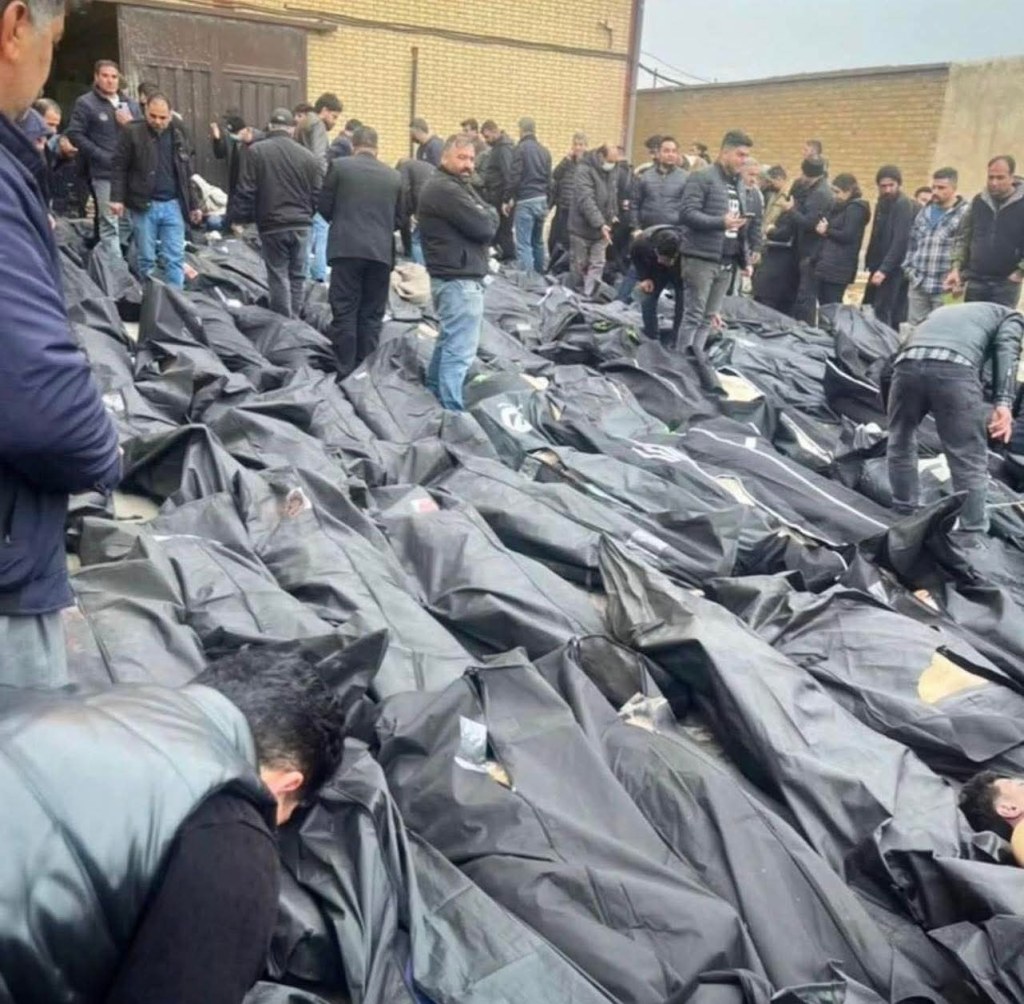
How economic warfare, intelligence operations, and deterrence shift after regime survival As the violence subsided and funerals replaced street clashes, casualty data began to undermine the dominant external narrative surrounding the unrest. Official death tallies released by Iranian authorities showed that a clear majority of those killed were neither demonstrators nor participants in protest activity.… Continue reading
-
The Limits of Regime Change in a Hardened State
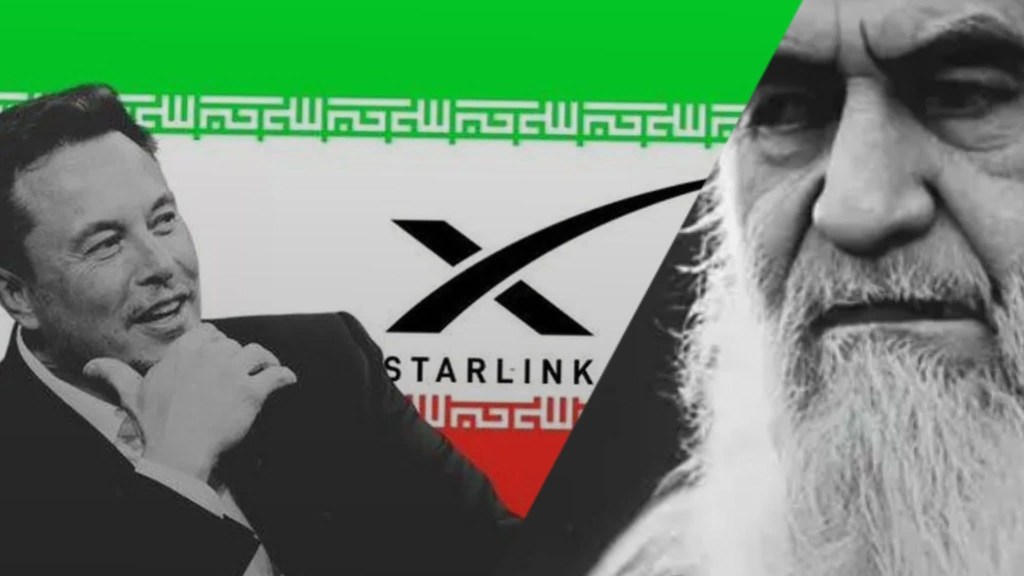
Manufactured internal dissent, external pressure, and the endurance of a layered Iranian political order The demand for regime change in Iran has become a litmus test for political coherence in the present international order. Advocacy for the overthrow of the Iranian state, when detached from the material balance of power that governs outcomes, functions as… Continue reading
-
Power Without Restraint in Defence of Dollar Primacy
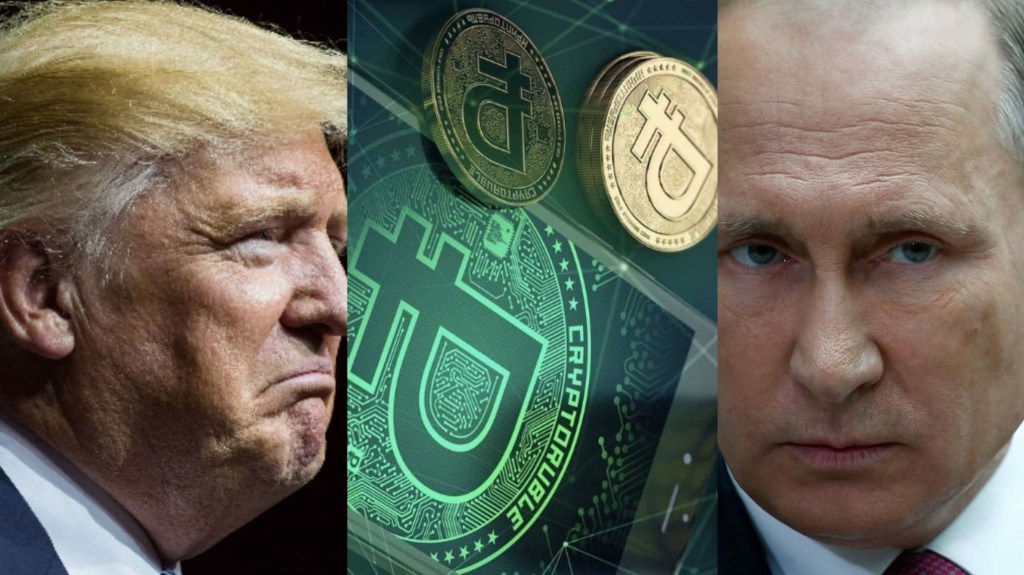
Resource control, dollar primacy, and the costs of discarding realism The recent pattern of United States behaviour towards Venezuela, Cuba, Colombia, Iran, and even Greenland reflects a continuity in coercive statecraft rooted in resource control, financial dominance, and regime pressure rather than isolated rhetorical excess. The kidnapping of Venezuelan President Nicolás Maduro, described in United… Continue reading
-
Brazil’s Venezuela Veto: A Strategic Miscalculation in face of the U.S. Security Pivot
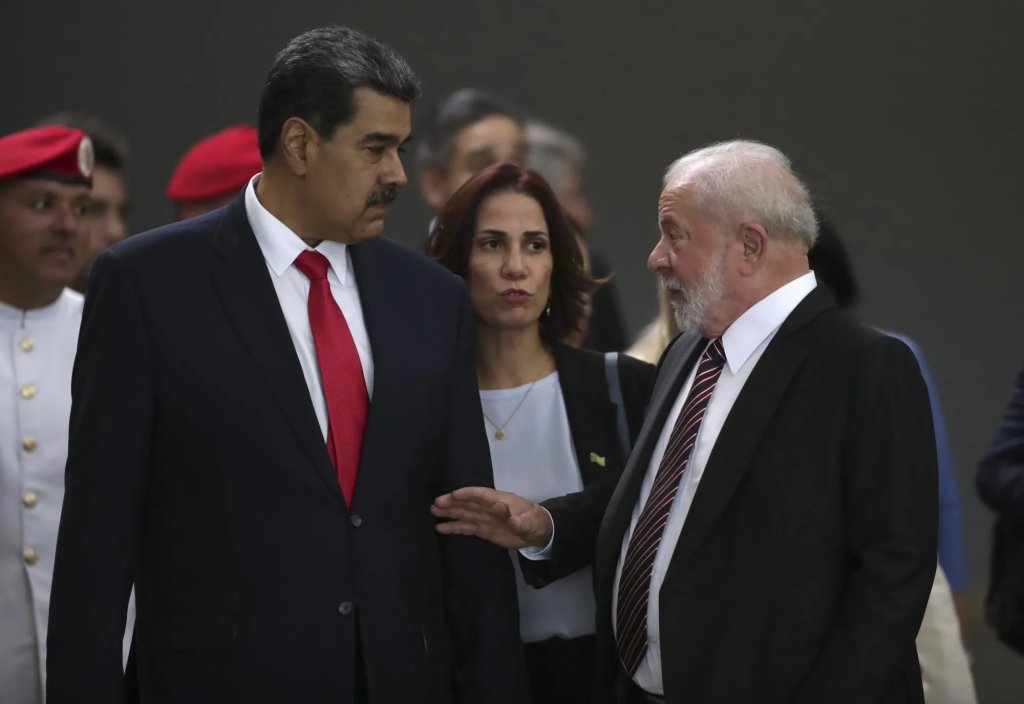
How blocking Venezuela reshaped BRICS cohesion and weakened Brazil’s strategic position amid renewed U.S. regional dominance The decision by Luiz Inácio Lula da Silva to veto Venezuela’s accession to BRICS occurred during a period when United States strategic doctrine had already shifted back toward hemispheric control. Senior figures within United States defence planning circles had… Continue reading
-
Jeffrey Sachs and the Venezuela Question Before the Security Council
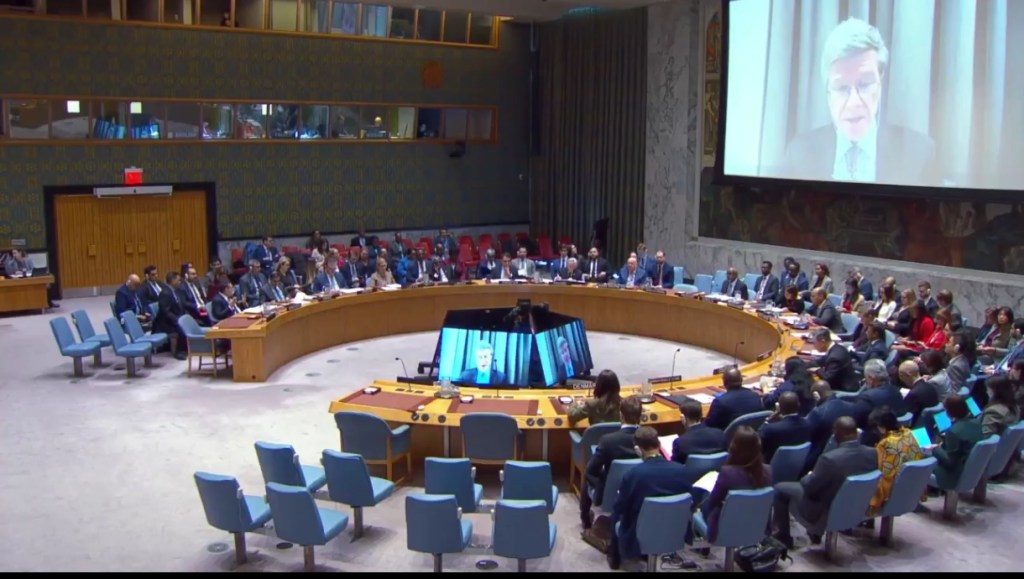
Venezuela as a test case for the post-1945 international framework and institutional decay The address delivered by Jeffrey D. Sachs to the United Nations Security Council on 5 January 2026 placed before the council a narrow legal and institutional question rather than a moral judgement on Venezuela’s domestic politics. The matter concerned whether a single… Continue reading
