
Russia
-
The Ideological Architecture of the Free Market Myth and the Material Realities of State-Enforced Capital Accumulation

Class Power, Institutional Coercion, and the Dialectical Deconstruction of Market Neutrality in International Political Economy General Article | August 2026 The conventional framing of the global economic order around principles of unencumbered market exchange systematically disguises the coercive mechanisms that sustain contemporary capital accumulation. Liberal economic theory relies upon an abstract idealisation of market dynamics… Continue reading
-
The Backfire as Putin Loses Patience
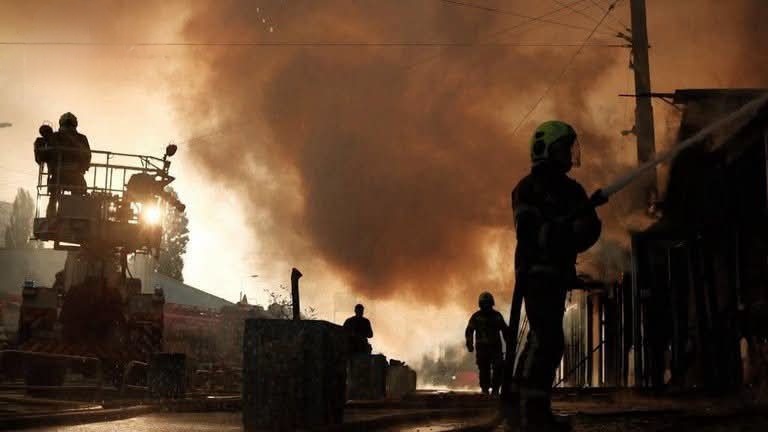
How Ukraine’s Drone Offensive Accelerated Its Own Strategic Collapse The forty-day drone offensive launched by Ukraine against Russian territory represents one of the most significant tactical gambits of the entire conflict, and its consequences will likely reshape the trajectory of the war in ways that Kyiv’s planners almost certainly did not anticipate. President Volodymyr Zelensky… Continue reading
-
The Imported Genius

How America’s AI Revolution Relies on Chinese Talent and Why That Dependency May Prove Unsustainable The United States’ artificial intelligence boom, celebrated as a triumph of American innovation and entrepreneurial spirit, rests on a foundation that is far less homegrown than official narratives suggest. A comprehensive analysis by the Paulson Institute’s MacroPolo think tank reveals… Continue reading
-
The Illusion of the Free Market

How Liberal Ideology Conceals the Dictatorship of Capital and the Class War That Defines Our World Editorial Analysis | August 2026 The concept of a free market occupies a central place in Western political and economic discourse, presented as a system of voluntary exchange among equals that maximises welfare and liberty. Historical and institutional examination… Continue reading
-
Nowhere To Run
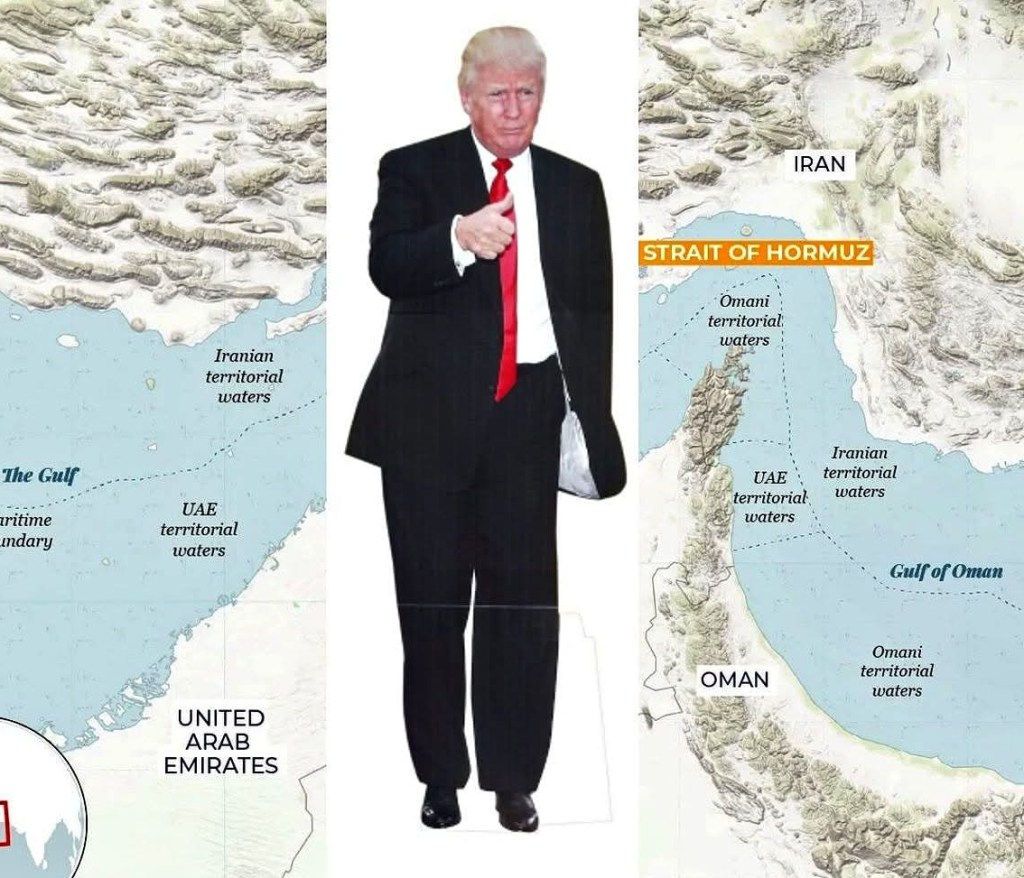
How America’s War on Iran Has Exposed the Limits of Military Power, the Fragility of Financial Hegemony, and the Terminal Decline of Western Imperialism Editorial Analysis | August 2026 The war on Iran, which American planners confidently predicted would conclude within four to six weeks, has instead become a grinding conflict that is consuming the… Continue reading
-
The Yen Crisis is a Tsunami Like No Other on the Dollar Hegemony
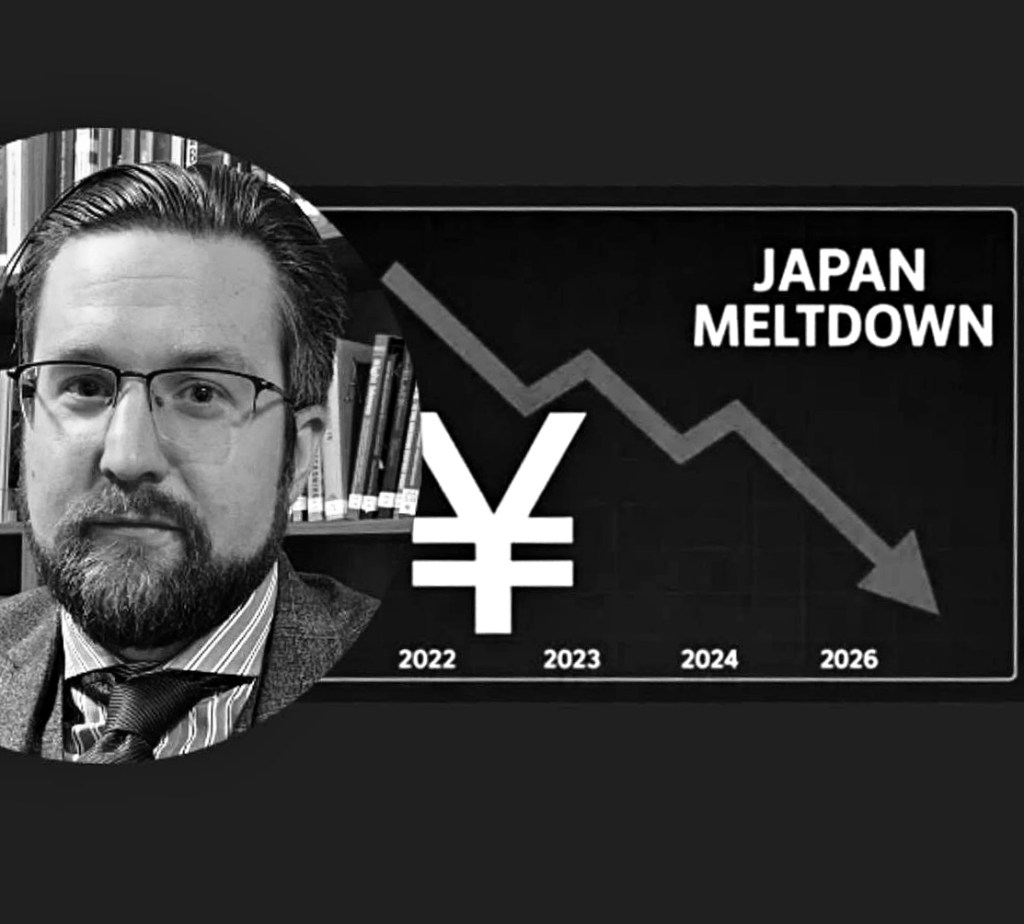
How Japan’s Financial Collapse Threatens to Trigger a Systemic Breakdown of the Global Dollar System Philip Pilkington’s analysis reveals that Japan’s financial instability represents the most immediate threat to the entire dollar-based international monetary system, with the yen functioning as the “canary in the coal mine” that signals an impending systemic collapse. The yen carry… Continue reading
-
A Marxist critique of the European push for war with Russia
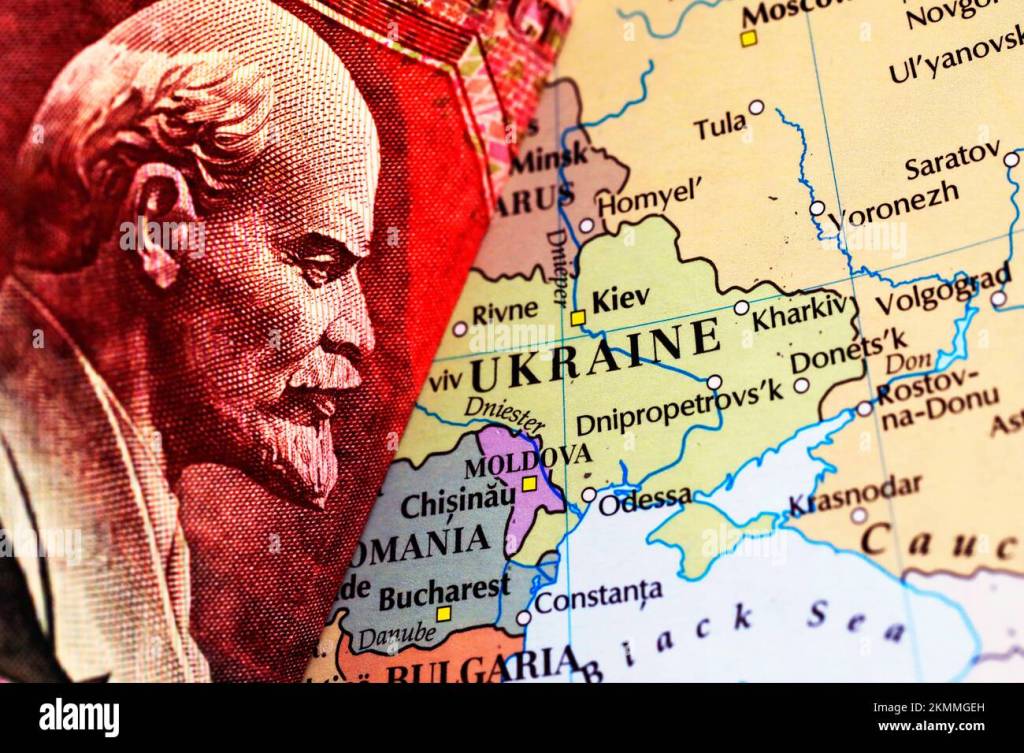
European elites are accelerating the push toward direct military confrontation with Russia not to defend democratic values or territorial integrity, but to preserve their own class power and wealth The central argument is that European elites are accelerating the push toward direct military confrontation not to defend democratic values or territorial integrity, but to preserve… Continue reading
AI and Digital Control, America, China, economics, Energy, EUROPE, Financial markets, Foreign Policy, Geopolitics, Global Finance, imperialism, iran, israel, Mineral Resources, NATO, neocolonialism, politics, reserve currency, Russia, waranti-war movement, austerity, BRICS, class struggle, colonialism, EUROPE, Global South exploitation, imperialism, imperialist war, Marxism-Leninism, multipolarity, NATO expansion, neoliberalism, primitive accumulation, Professor Richard Wolff, proletariat, Recolonisation, ruling class, Russia, Ukraine war -
Europe’s Recolonisation Project

How the Push for War With Russia Serves the Bourgeoisie’s Desperate Need to Revive a Dying System Editorial Analysis | August 2026 The war in Ukraine, which has now entered its fourth year, is not fundamentally a conflict about territorial integrity, national self-determination, or the defence of de mocratic values. These are the narratives presented… Continue reading
AI and Digital Control, America, economics, Energy, EUROPE, Financial markets, Foreign Policy, Geopolitics, Global Finance, imperialism, iran, israel, Mineral Resources, NATO, neocolonialism, reserve currency, Russia, waranti-war movement, austerity, BRICS, class struggle, colonialism, EUROPE, Global South exploitation, imperialism, imperialist war, Marxism-Leninism, multipolarity, NATO expansion, neoliberalism, primitive accumulation, Professor Richard Wolff, proletariat, Recolonisation, ruling class, Russia, Ukraine war -
The Petro-less Dollar
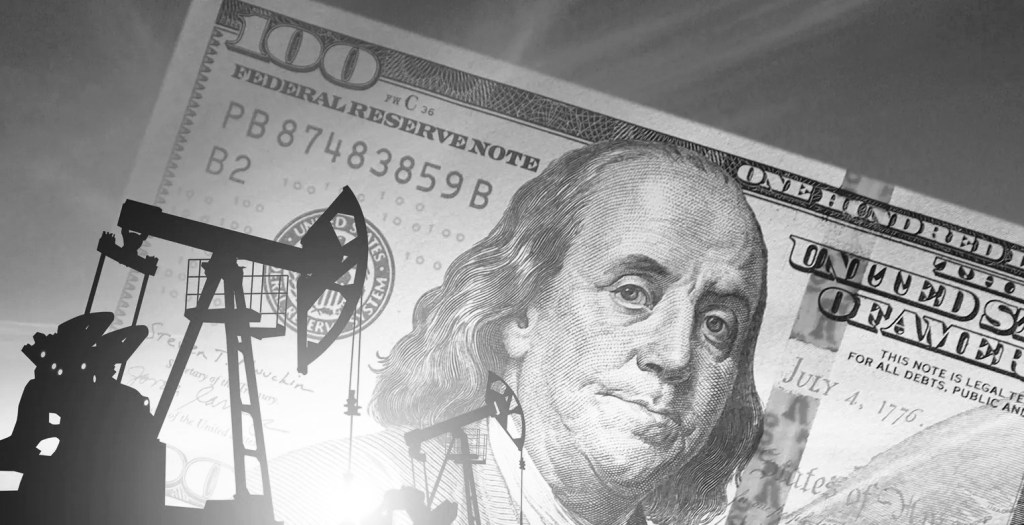
How Washington’s War on Iran Has Undermined the Financial Foundation of American Power The interruption of crude oil trade through the Strait of Hormuz and the Red Sea has produced an outcome that Washington’s strategic planners almost certainly did not anticipate when they launched military operations against Iran in February 2026 (1). Throughout the entire… Continue reading
-
Russia Threatens Reciprocal Ship Seizures as Warship Maintains Permanent Channel Presence

Permanent Russian naval presence in the Channel and explicit threats of reciprocal merchant-ship seizures mark a doctrinal shift from protective escort to contested enforcement of maritime trade routes Russian President Vladimir Putin has warned that Moscow will respond “in kind” to European seizures of vessels linked to its oil trade, stating that any such actions… Continue reading
