
sanctions
-
The Collapse of “Plan A” and the Emergence of a War Without Control
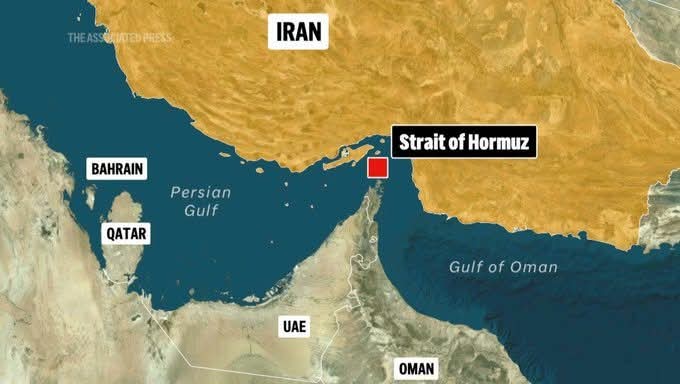
Israeli Escalation, Iranian Leverage, and the Breakdown of United States Control Amid Infrastructure Warfare, Energy Market and Global Economic Shock Military escalation between the United States, Israel and Iran over the past twenty-four hours has altered both the operational direction and the political control of the conflict, with immediate consequences for energy markets, alliance management… Continue reading
-
The Security Council’s Selective Condemnation of Iran
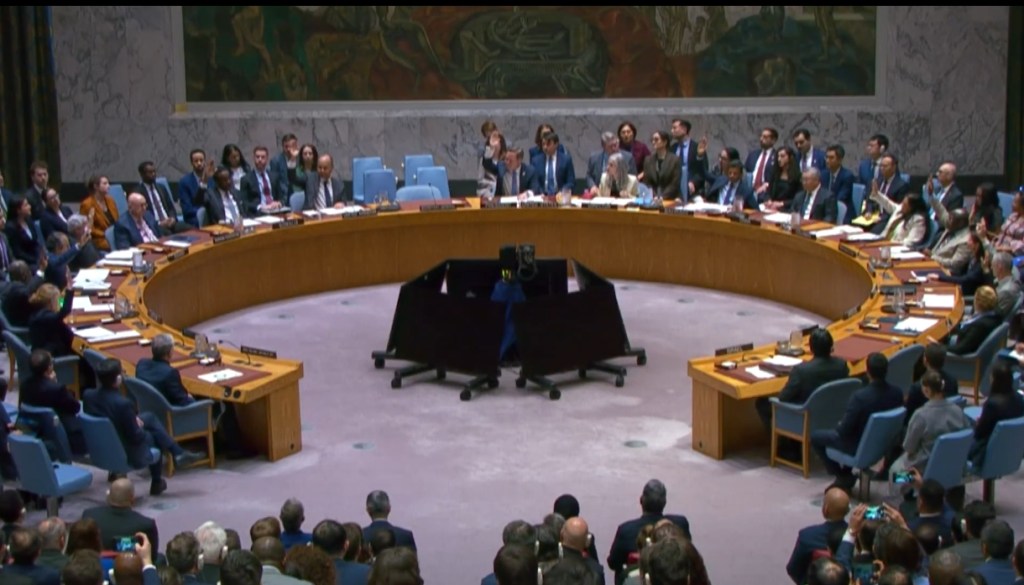
How the UN Resolution on Iran Omitted the Origins of the Conflict and Reflected the Politics of Power The resolution adopted by the United Nations Security Council condemning Iran’s military actions across the Gulf has been presented as a clear statement in defence of regional stability. Yet the circumstances surrounding the vote raise serious questions… Continue reading
AI and Digital Control, America, Carribean, East Africa, economics, Energy, EUROPE, Financial markets, Foreign Policy, Geopolitics, iran, israel, middle east, NATO, politics, Russia, warasymmetric warfare, Condemnation, Drone Warfare, economic disruption, economic warfare., energy security, geopolitical economy, geopolitical strategy, global energy markets, Gulf security, international diplomacy, iran, israel, Middle East geopolitics, military strategy, missile warfare, oil markets, sanctions, Strait of Hormuz, strategic deterrence, UN Resolution, UN Security Council, United Nations, United States, war of attrition, war termination -
The Hormuz Pressure Point Forces a Diplomatic Search for a Face-Saving Settlement
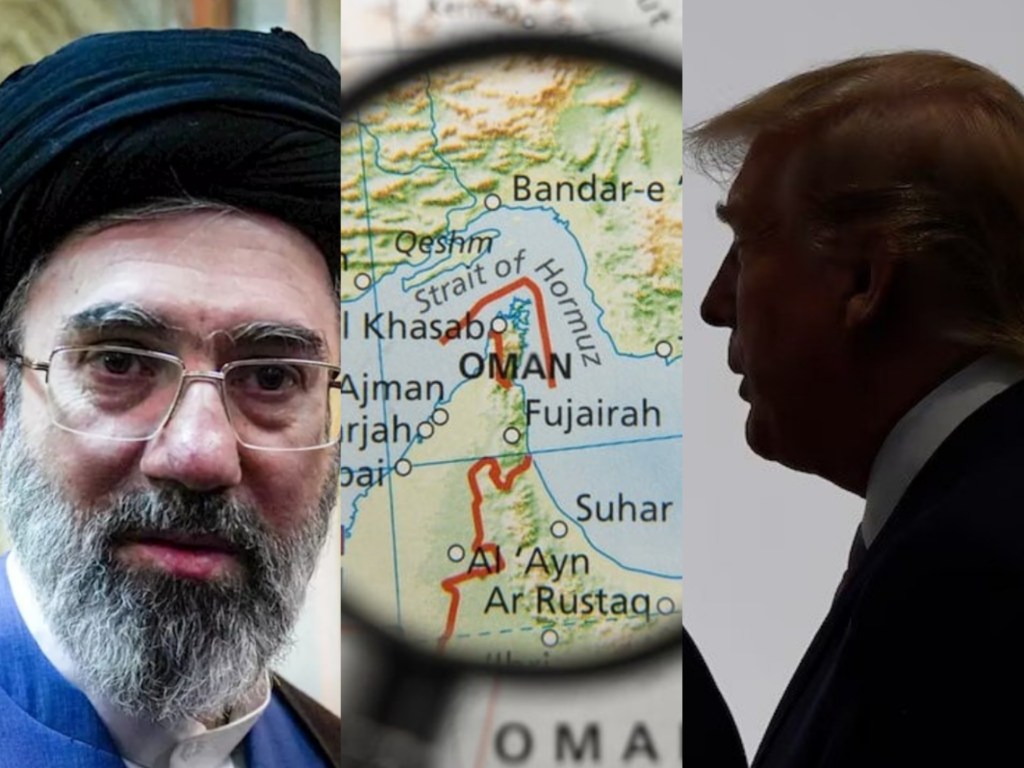
Oil market destabilisation reshapes battlefield calculations imposing a strategic dilemma of war termination under conditions of asymmetric pressure Strategic conflict between the Islamic Republic of Iran and the United States–Israel alliance developed across nearly half a century of sanctions, covert operations, proxy warfare, assassinations of Iranian officials and nuclear scientists, and repeated military confrontations across… Continue reading
AI and Digital Control, America, economics, Energy, Financial markets, Foreign Policy, Geopolitics, Global Finance, iran, israel, middle east, Mineral Resources, NATO, politics, reserve currency, Russia, warasymmetric warfare, Drone Warfare, economic disruption, economic warfare., energy security, geopolitical economy, geopolitical strategy, global energy markets, Gulf security, international diplomacy, iran, israel, Middle East geopolitics, military strategy, missile warfare, oil markets, sanctions, Strait of Hormuz, strategic deterrence, United States, war of attrition, war termination -
Iran is Resisting the “Epstein”Digital Monetary Order

Iran’s monetary independence’s refusal to submit to digital monetary surveillance and centralised financial control tyranny as the underlying driver of the war The sustained pressure applied against Iran over recent decades reflects a structural conflict over monetary sovereignty rather than episodic disputes over security or ideology. Examination of intervention patterns since the late twentieth century… Continue reading
-
The Strategic Centrality of the United States Fifth Fleet in Gulf Power Politics
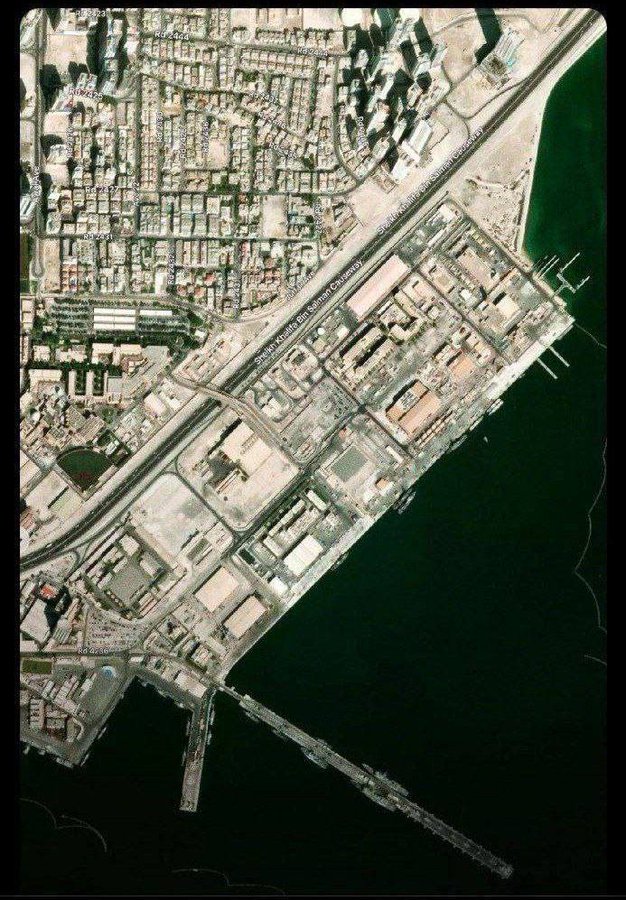
Why Iran Regards the Naval Command in Bahrain as the Core Instrument of American Maritime Dominance in the Middle East Iran’s sustained focus on the United States Fifth Fleet, headquartered in Manama, Bahrain, must be understood within the broader geopolitical contest that has shaped the Persian Gulf since the end of the Cold War. The… Continue reading
-
Washington Drops the Mask and Calls for Informants Inside Iran
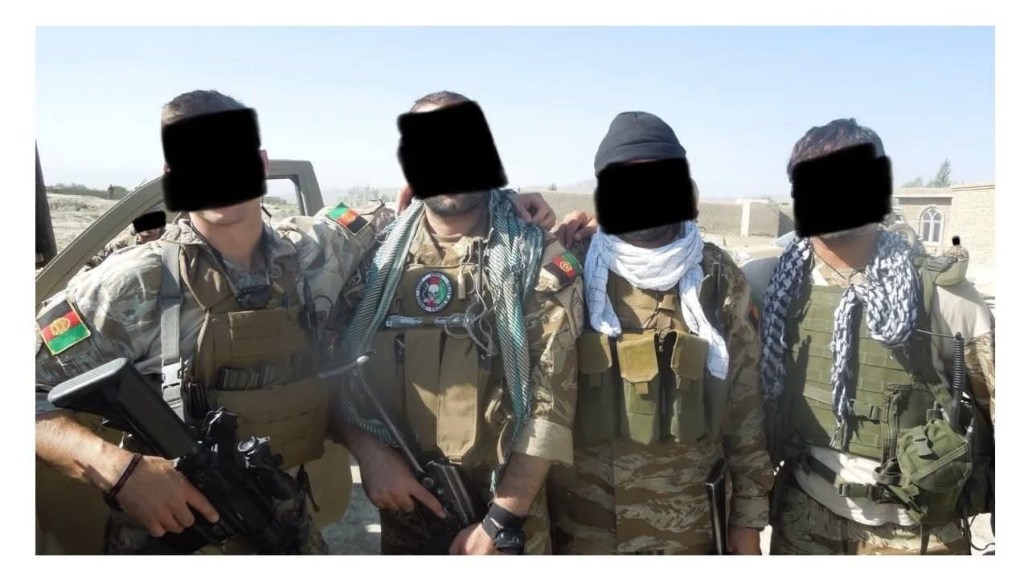
Iranian Leadership Casts CIA Recruitment Appeal as Proof of Regime Destabilization Efforts In a move that dispenses with even the pretense of neutrality, the CIA’s verified X account publicly issued a Persian-language appeal urging Iranians to contact the agency through secure channels, promising it can “hear your voice.” The message included instructions on using Tor… Continue reading
-
Convergence in the Persian Gulf
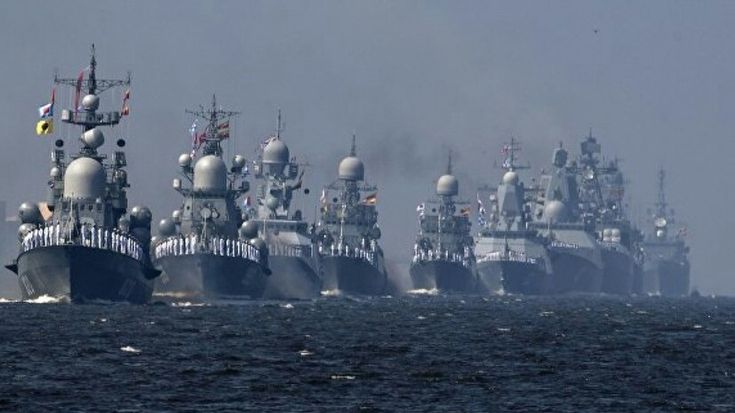
Convergence among Iran, China, and Russia in the Strait of Hormuz alters American risk calculations, though it does not remove the structural capacity of the United States to initiate military action. American primacy in the Strait of Hormuz rests upon a maritime doctrine shaped by Alfred Thayer Mahan’s classic argument that control of sea lanes… Continue reading
AI and Digital Control, China, economics, Energy, EUROPE, Financial markets, Foreign Policy, Geopolitics, Global Finance, israel, middle east, Mineral Resources, NATO, politics, Russia, warasymmetric warfare, BRICS, China, deterrence theory, energy security, Eurasian integration, Fifth Fleet, financial warfare, great power competition, Gulf geopolitics, iran, Maritime Security Belt, multipolarity, naval strategy, Persian Gulf, Russia, sanctions, sea power, Strait of Hormuz, United States Navy -
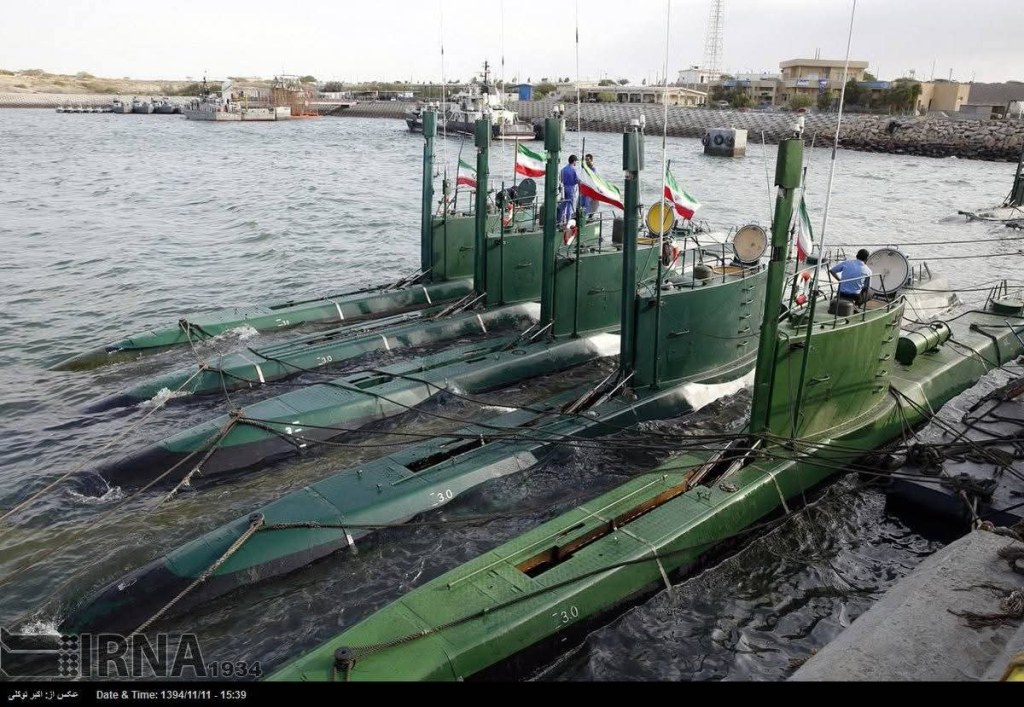
Iran’s Midget Submarines Form Quiet Backbone of Coastal Defence Small but numerous Ghadir-class submarine fleet highlights Tehran’s focus on asymmetric warfare in the Persian Gulf Iran’s navy has developed a range of unconventional tools over the years, but one of the least noticed is its fleet of small submarines known as the Ghadir-class submarine. These… Continue reading
AI and Digital Control, America, economics, Energy, Financial markets, Foreign Policy, Geopolitics, Global Finance, israel, middle east, Russia, warAbbas Araghchi, ballistic missiles, ceasefire, diplomacy, drone strikes, Geneva talks, iran, Iran nuclear program, Iranian Revolutionary Guard, israel, Middle East tensions, military conflict, Netanyahu, non-proliferation, nuclear negotiations, oil markets, proxy warfare, Red Sea, regime change, regional security, sanctions, Strait of Hormuz, Trump administration, U.S. military buildup, United States, USS Gerald R Ford, war escalation -
BRICS needs strategic maritime cooperation – Putin aide

Why BRICS is moving toward maritime cooperation and why it has not become a military alliance Cooperation between the navies of member countries would help protect sea lanes, Nikolay Patrushev has said,speaking to Argumenty i Fakty (meaning “arguements and facts” ), a Russian weekly newspaper. ‘Our key task is building a multipolar order at sea.… Continue reading
-
The West v. East GeoEconomic Warfare For Financial Primacy
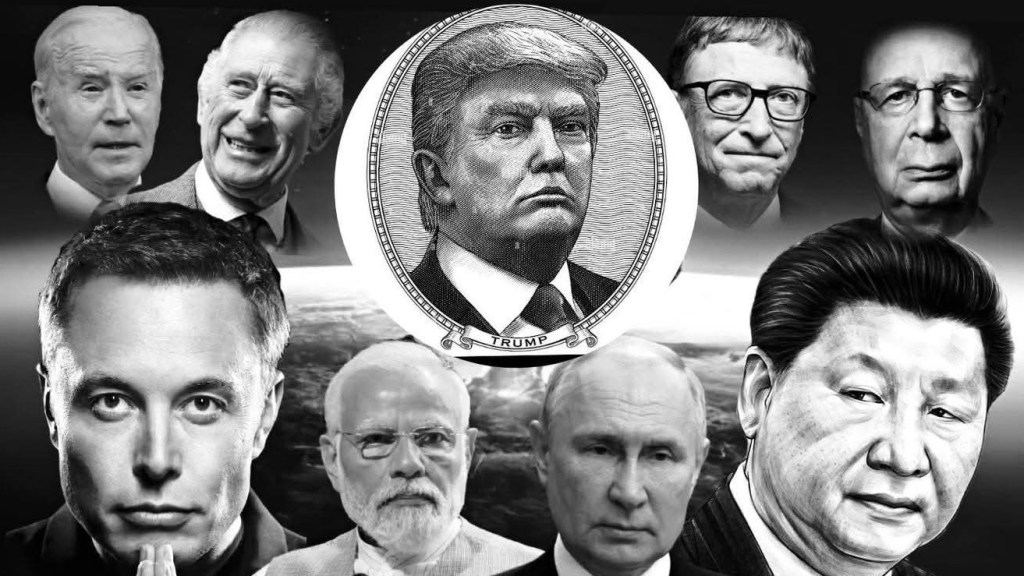
Monetary Systems, Power, and the Struggle to Shape and Control the Global Order for the Coming Generations West versus East; it is a war, for now, a smart kind of war, but one that results in a “permanent fragmentation” of the global financial architecture. This architecture that evolved after the Second World War rested upon… Continue reading
AI and Digital Control, America, China, economics, EUROPE, Financial markets, Foreign Policy, Geopolitics, Global Finance, israel, middle east, Mineral Resources, NATO, politics, reserve currency, Russia, South East Asia, warCBERS, chaos theory, Eastern Financial Systems, Economic Security, financial warfare, Game Theory, Geoeconomics, Global Finance, Gold Markets, Industrial Capacity, Minsky, Monetary sovereignty, Physical vs Paper Assets, reserve currency, sanctions, Silver Markets, Strategic Competition, Sun Tzu, SWIFT, US Dollar Dominance, West vs East
