
regime change
-
Is South Africa Witnessing a Colour Revolution?

Analysing South Africa’s March and March movement through the lens of regime change doctrine South Africa occupies a unique position in the global order. It is the only country in the BRICS+ world where the colonial management class never actually left. Political power was transferred in 1994, but the land, the mines, the banks, the… Continue reading
africa, AI and Digital Control, America, economics, Foreign Policy, Geopolitics, imperialism, israel, neocolonialism, politics, war, zimbabweAfrican geopolitics, AfriForum, anti-immigration, BRICS, colour revolution, Democratic Alliance, foreign interference, Government of National Unity, June 30 protests, March and March, migration policy, multipolar transition, National Endowment for Democracy, Operation Dudula, regime change, soft coup, south africa, South African politics, xenophobia -
Indonesia Unrest: From Hormuz to Malacca, the Next Front?

How Washington’s pursuit of maritime dominance, from the Persian Gulf to Southeast Asia, is reshaping the geopolitical fate of the world’s fourth most populous nation and why Jakarta’s modest gestures of independence have already attracted familiar consequences Editorial Analysis | 16 June 2026 The American and Israeli strikes on Iran, launched on 28 February 2026,… Continue reading
-
The Proxy Doctrine: How Washington Wages War Through Tel Aviv While Feigning Ignorance
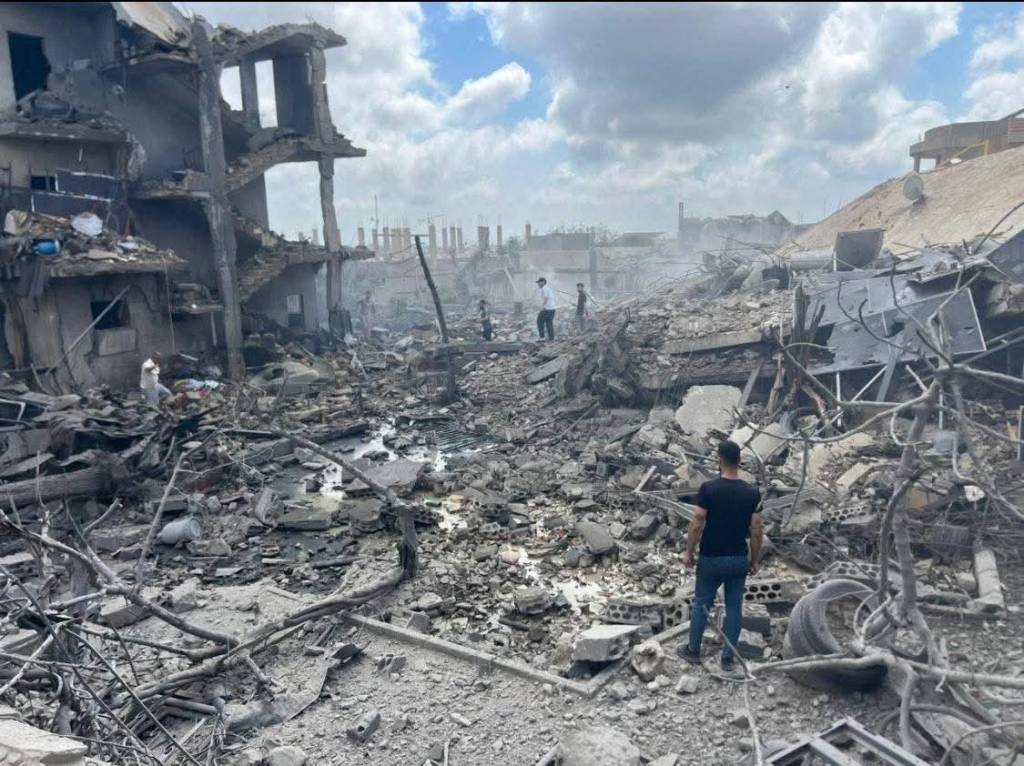
Washington’s long-prepared campaign Tehran operates through Israeli military assets, diplomatic theatre, and a calculated energy strategy designed to reshape Asia’s supply dependencies On 8 June 2026, Israeli aircraft struck Iranian military targets hours after Iran launched missiles toward Israel, and American officials promptly announced that United States forces had played no part in the operation.… Continue reading
-
Tulsi Gabbard’s Exit Reveals Washington’s Old Foreign Policy Machinery
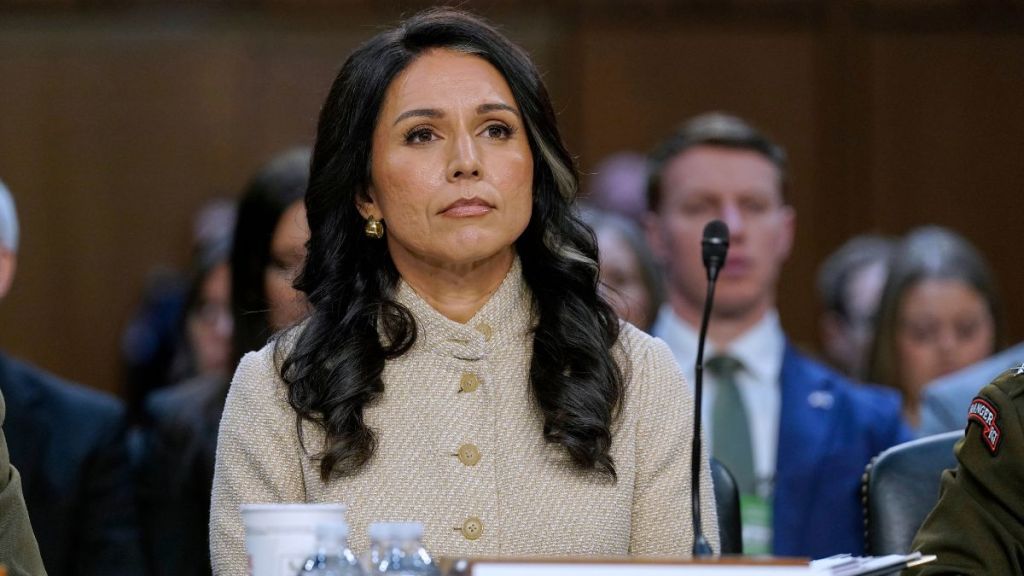
An administration elected partly upon anti-war sentiment increasingly resembles the interventionist security structures it once condemned, while mounting tensions surrounding Iran, intelligence authority, and scrutiny of American-funded biological research programmes cast a longer political shadow over Tulsi Gabbard’s carefully managed departure from the White House Tulsi Gabbard’s resignation from the position of Director of National… Continue reading
-
1953 Coup: The Original Sin of US-Iran Relations

The 1953 Anglo-American overthrow of Mohammad Mosaddegh destroyed a democratic nationalist government, and laid the foundations for the anti-Western resistance doctrine drives Tehran’s politics today The modern confrontation between Iran and the United States did not begin with the 1979 Islamic Revolution, the embassy hostage crisis, or the rise of the Islamic Republic under Ayatollah… Continue reading
AI and Digital Control, America, Financial markets, Foreign Policy, Geopolitics, iran, israel, middle east, Mineral Resources, NATO, politics1953 Iranian Coup, Anglo-Iranian Oil Company, anti-imperialism, ayatollah khomeini, BP, BRICS, British Empire, British foreign policy, CIA, CIA Coups, Cold War, Declassified Documents, economic warfare., energy geopolitics, Eurasia, foreign intervention, Geopolitics, Global South, intelligence operations, iran, Iranian Nationalism, Iranian Revolution, Iranian Sovereignty, MI6, middle east, Mohammad Mosaddegh, multipolarity, nationalisation, Oil Politics, Operation Ajax, Petroleum Politics, political Islam, regime change, sanctions, SAVAK, Shah Mohammad Reza Pahlavi, United Kingdom, United States, US foreign policy, US–Iran relations, Western Intervention -
The Empire’s Mask Is Slipping

More people are starting to question the gap between what the West says it stands for and the destruction left behind by its wars, sanctions, and interventions. The Vietnamese leader, Ho Chi Minh said: “There is no destroyed house, scattered stone, severed hand, bereaved mother, or disfigured nation in which you will not find a… Continue reading
AI and Digital Control, America, China, economics, Energy, EUROPE, Financial markets, Foreign Policy, Geopolitics, Global Finance, iran, israel, middle east, Mineral Resources, NATO, politics, reserve currency, warAmerican empire, Anti War, empire, Endless War, Foreign Policy, Geopolitics, global power, Ho Chi Minh, imperialism, international relations, Iraq War, media propaganda, military industrial complex, narrative control, Palestine, Political Analysis, regime change, sanctions, Vietnam, Western Hegemony -
The Strategic Mis-use of Memory in U.S.-Iran Relations
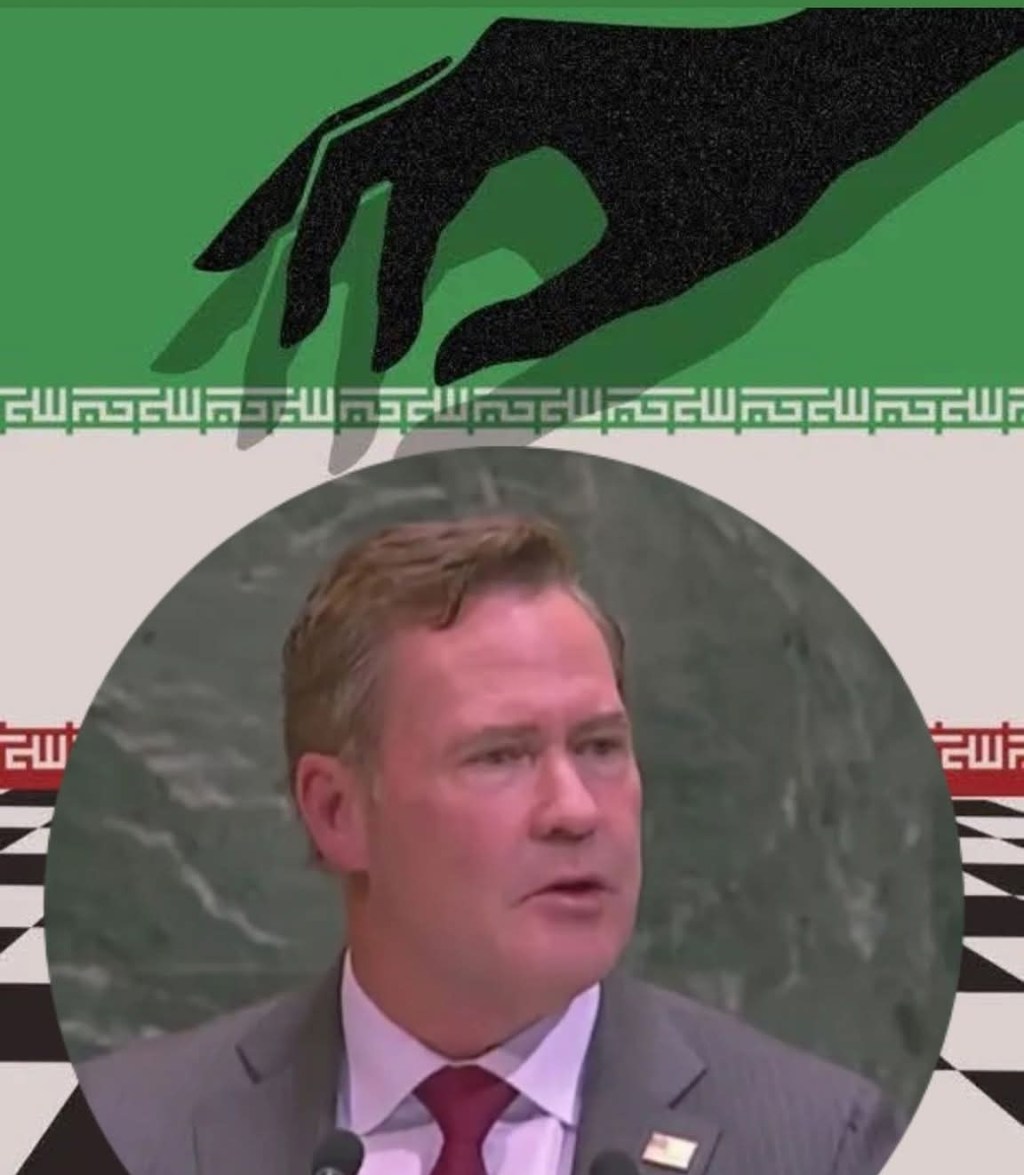
Why the persistent invocation of 1979 continues to justify sanctions, strikes, and systemic escalation The enduring American narrative surrounding the 1979 embassy seizure functions not as historical record but as strategic instrument, and its continued deployment marks a structural refusal to acknowledge the limits of American power in the post-imperial Middle East. That refusal has… Continue reading
AI and Digital Control, America, economics, EUROPE, Financial markets, Foreign Policy, Geopolitics, Global Finance, iran, israel, middle east, Mineral Resources, NATO, politics, reserve currency, Russia, war1953 Iranian coup d’état, Algiers Accords, energy security, Foreign Policy, Geopolitics, international law, iran, Iran Air Flight 655, Iran hostage crisis, Iran–Iraq War, Iranian Revolution, Joint Comprehensive Plan of Action, Middle East conflict, multipolar world, regime change, sanctions, Strait of Hormuz, United States, US–Iran relations -
A War Iran Does Not Need to Win Decisively
Why the Trump-Israel coalition’s wider objectives are easier to frustrate than Iran’s narrower aim of survival and retaliation revealing the asymmetry between preserving a state and trying to break one Iran holds the cards because it is fighting defensively on its own terrain, with time, geography and economic leverage on its side; Trump blundered by… Continue reading
-
Shock Doctrine Decapitation or Deterrence
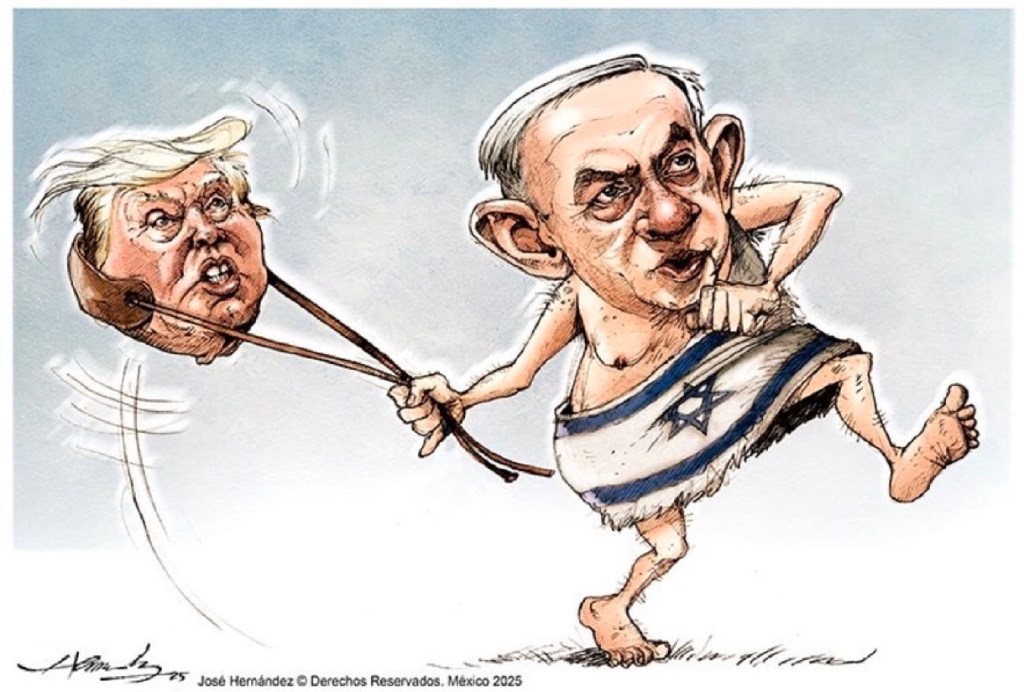
Washington’s pursuit of rapid decapitation confronts Tehran’s doctrine of attritional survival March 1, 2026 marked the second day of renewed United States military operations against the Islamic Republic of Iran, described by observers as either a new war of aggression or the continuation of hostilities initiated during the previous year. Early operational reporting indicated that… Continue reading
AI and Digital Control, Financial markets, Foreign Policy, Geopolitics, Global Finance, Health, israel, Latin America, middle east, NATO, politics, Russia, warairpower strategy, asymmetric warfare, attrition warfare, ballistic missiles, Clausewitz, decapitation strategy, Drone Warfare, Escalation dynamics, iran, Islamic Revolutionary Guard Corps, Middle East security, military doctrine, mosaic defence doctrine, political economy of war, regime change, sanctions resilience, strategic endurance, Sun Tzu, United States, war of aggression -
Expansion and Domination, Not Democratisation
Military Primacy, Strategic Fragmentation, and U.S.-Israeli Security Doctrine in the Middle East in the Name of The Greater Israel Plan The claim that American policy in the Middle East is principally driven by the promotion of democracy sits uneasily alongside the historical record of strategic planning and material interests that have shaped it. Since the… Continue reading
AI and Digital Control, EUROPE, Financial markets, Foreign Policy, Geopolitics, Global Finance, NATO, politics, reserve currency, Space, warCIA Coup 1953, Defense Contractors, energy security, Geopolitical Dominance, greater israel plan, Iran War, Iraq War 2003, Middle East geopolitics, Military Primacy, Mohammad Mosaddegh, National Security Strategy 2002, Oded Yinon, Project for the New American Century, regime change, Regional Destabilization, Sanctions on Iran, Strategic Fragmentation, U.S. foreign policy, U.S.–Israel Alliance, Wesley Clark
