
United States
-
The Unlawful War Now Threatens The World
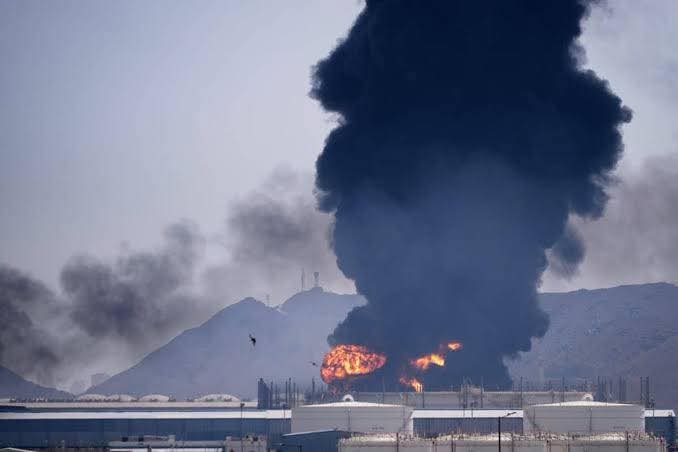
Energy on the Brink as the Middle East Escalation Triggers Global Fallout Global energy markets have entered a state of heightened volatility following Israeli strikes on Iran’s South Pars gas field, prompting retaliatory action that has sent ripple effects across the region and the world. South Pars, shared with Qatar where it is known as… Continue reading
-
Iran as an Underdog has Proven Effective and now Holds Significant Leverage
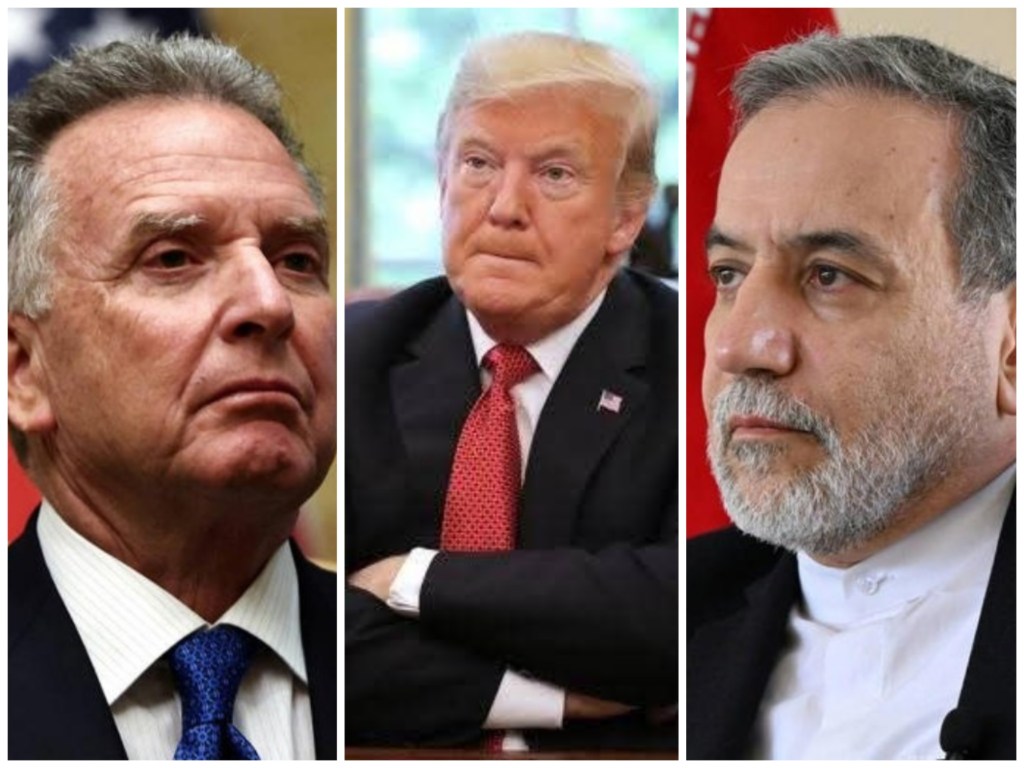
The consequences of underestimation and misreading capability by the United States and Israel has resulted in measurable strategic cost The available evidence indicates that the scale and resilience of Iranian state capacity under sustained attack have been materially underestimated in much Western policy analysis, despite repeated cautions issued over several years by academic specialists in… Continue reading
AI and Digital Control, America, China, economics, Energy, EUROPE, Financial markets, Foreign Policy, Geopolitics, Global Finance, iran, israel, NATO, politics, warasymmetric warfare, conflict analysis, cost imposition strategy, decentralised defence, deterrence, Drone Warfare, Escalation dynamics, geopolitical leverage, Gulf security, hybrid warfare, iran, israel, Middle East geopolitics, military doctrine, military miscalculation, missile warfare, regional power balance, state resilience, Strait of Hormuz, strategic resilience, strategic studies, underdog, United States, war of attrition -
The Security Council’s Selective Condemnation of Iran
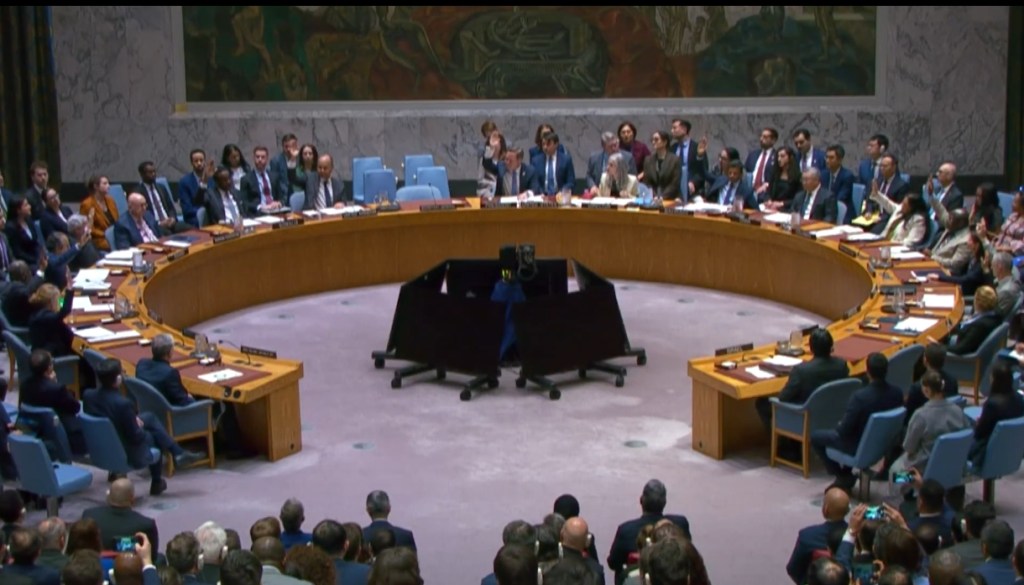
How the UN Resolution on Iran Omitted the Origins of the Conflict and Reflected the Politics of Power The resolution adopted by the United Nations Security Council condemning Iran’s military actions across the Gulf has been presented as a clear statement in defence of regional stability. Yet the circumstances surrounding the vote raise serious questions… Continue reading
AI and Digital Control, America, Carribean, East Africa, economics, Energy, EUROPE, Financial markets, Foreign Policy, Geopolitics, iran, israel, middle east, NATO, politics, Russia, warasymmetric warfare, Condemnation, Drone Warfare, economic disruption, economic warfare., energy security, geopolitical economy, geopolitical strategy, global energy markets, Gulf security, international diplomacy, iran, israel, Middle East geopolitics, military strategy, missile warfare, oil markets, sanctions, Strait of Hormuz, strategic deterrence, UN Resolution, UN Security Council, United Nations, United States, war of attrition, war termination -
The Hormuz Pressure Point Forces a Diplomatic Search for a Face-Saving Settlement
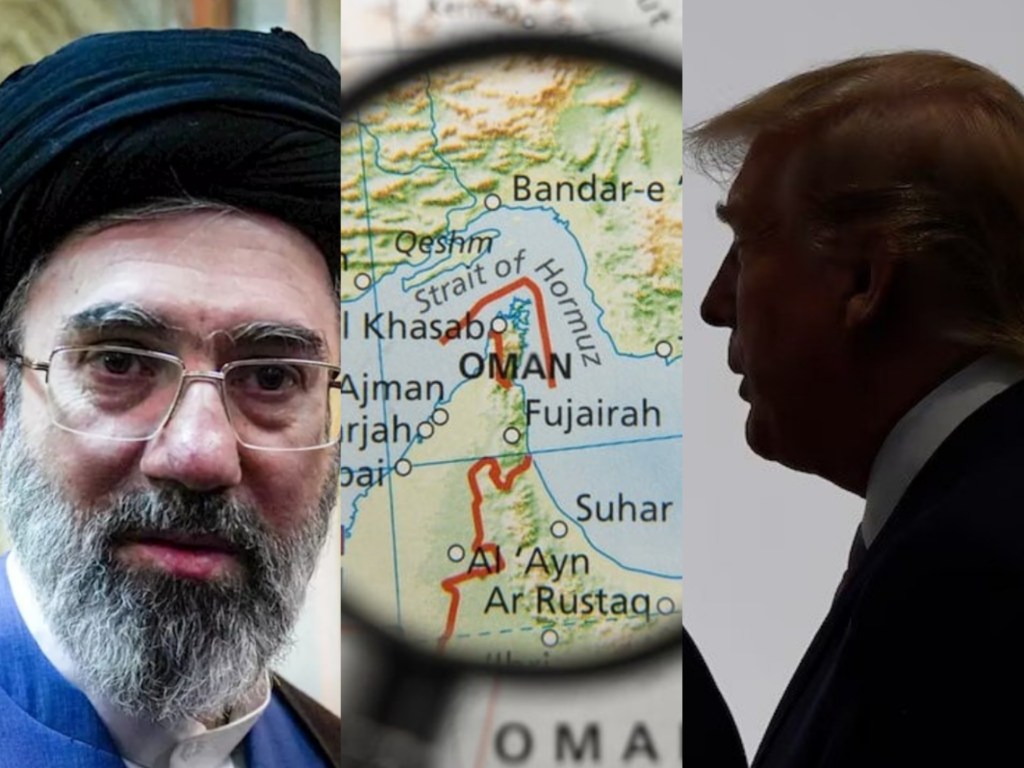
Oil market destabilisation reshapes battlefield calculations imposing a strategic dilemma of war termination under conditions of asymmetric pressure Strategic conflict between the Islamic Republic of Iran and the United States–Israel alliance developed across nearly half a century of sanctions, covert operations, proxy warfare, assassinations of Iranian officials and nuclear scientists, and repeated military confrontations across… Continue reading
AI and Digital Control, America, economics, Energy, Financial markets, Foreign Policy, Geopolitics, Global Finance, iran, israel, middle east, Mineral Resources, NATO, politics, reserve currency, Russia, warasymmetric warfare, Drone Warfare, economic disruption, economic warfare., energy security, geopolitical economy, geopolitical strategy, global energy markets, Gulf security, international diplomacy, iran, israel, Middle East geopolitics, military strategy, missile warfare, oil markets, sanctions, Strait of Hormuz, strategic deterrence, United States, war of attrition, war termination -
Iran’s “Famous Bride” Jibe as Ghalibaf Mocks U.S. Carrier Departure as Strategic Retreat
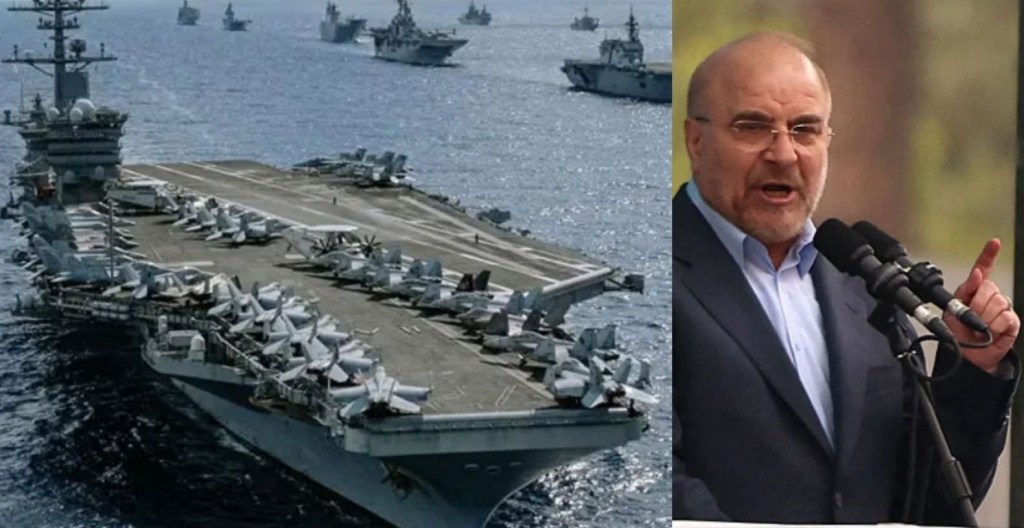
Beyond insult, the remark reflects Iran’s strategy of promoting missile and drone capabilities as tools to deter American power. Iranian Parliament Speaker Mohammad Bagher Ghalibaf used unusually cutting rhetoric to mock the United States over the departure of the aircraft carrier USS Abraham Lincoln (CVN-72), framing the move as proof that American military pressure against… Continue reading
-
Shock Doctrine Decapitation or Deterrence

Washington’s pursuit of rapid decapitation confronts Tehran’s doctrine of attritional survival March 1, 2026 marked the second day of renewed United States military operations against the Islamic Republic of Iran, described by observers as either a new war of aggression or the continuation of hostilities initiated during the previous year. Early operational reporting indicated that… Continue reading
AI and Digital Control, Financial markets, Foreign Policy, Geopolitics, Global Finance, Health, israel, Latin America, middle east, NATO, politics, Russia, warairpower strategy, asymmetric warfare, attrition warfare, ballistic missiles, Clausewitz, decapitation strategy, Drone Warfare, Escalation dynamics, iran, Islamic Revolutionary Guard Corps, Middle East security, military doctrine, mosaic defence doctrine, political economy of war, regime change, sanctions resilience, strategic endurance, Sun Tzu, United States, war of aggression -
Washington Drops the Mask and Calls for Informants Inside Iran
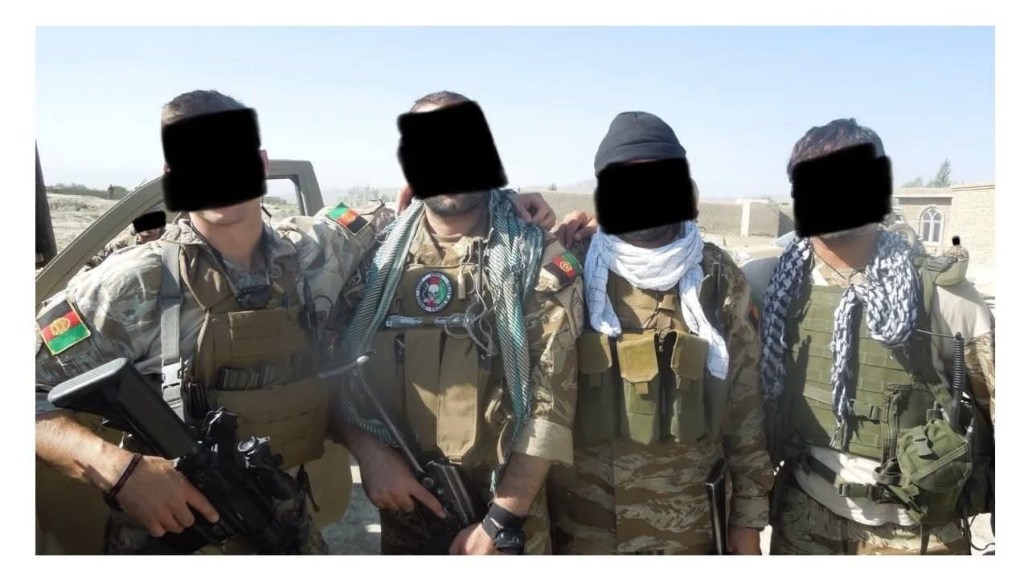
Iranian Leadership Casts CIA Recruitment Appeal as Proof of Regime Destabilization Efforts In a move that dispenses with even the pretense of neutrality, the CIA’s verified X account publicly issued a Persian-language appeal urging Iranians to contact the agency through secure channels, promising it can “hear your voice.” The message included instructions on using Tor… Continue reading
-
Cuba in the Face of Economic Blockade

Economic coercion, financial dominance, regime change policy, and Cuban state resilience within a prolonged asymmetric conflict For more than six decades the United States has maintained a comprehensive system of economic coercion against Cuba that began under Dwight D. Eisenhower and was consolidated under John F. Kennedy following the failed invasion at the Bay of… Continue reading
AI and Digital Control, China, economics, Energy, Financial markets, Foreign Policy, Geopolitics, NATO, politics, Russia, warCaribbean geopolitics, Center for a Free Cuba, chaos theory, Cuba, Cuban health system, Cuban Revolution, dollar hegemony, economic blockade, economic sanctions, extraterritorial sanctions, financial warfare, Game Theory, humanitarian impact of sanctions, lobbying influence, madman theory, maritime interdiction, National Endowment for Democracy, neoliberalism, Non-Aligned Movement, Office of Foreign Assets Control, Oil Tanker Seizures, regime change policy, secondary sanctions, Sovereignty, United Nations General Assembly votes on Cuba, United States, US-Cuba Democracy PAC, US–Cuba relations, weaponised interdependence -
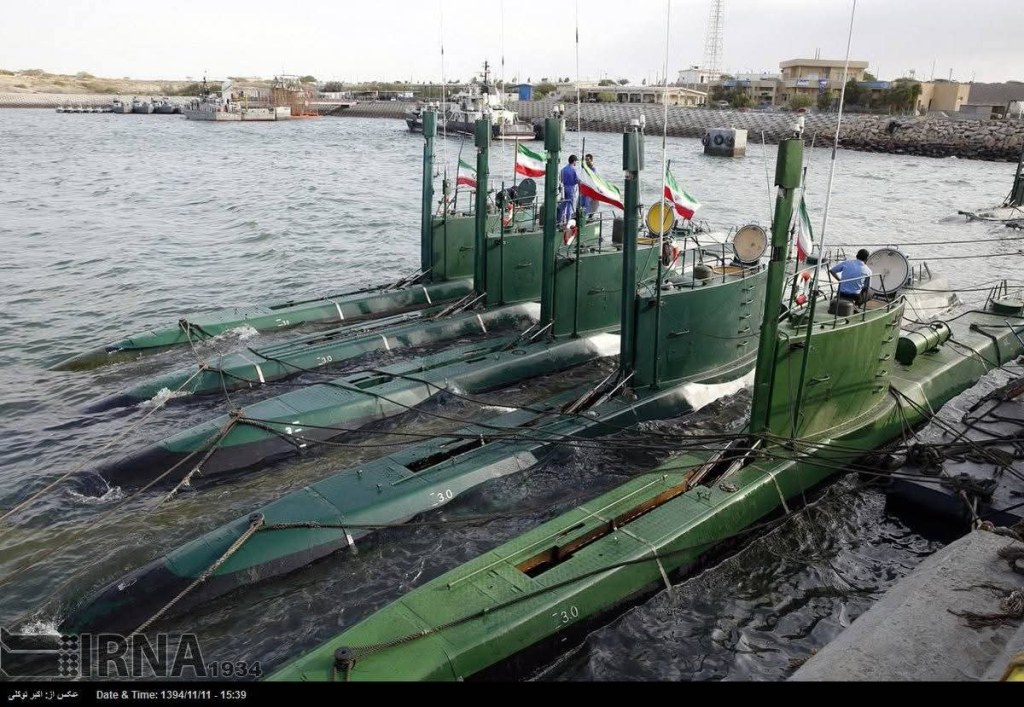
Iran’s Midget Submarines Form Quiet Backbone of Coastal Defence Small but numerous Ghadir-class submarine fleet highlights Tehran’s focus on asymmetric warfare in the Persian Gulf Iran’s navy has developed a range of unconventional tools over the years, but one of the least noticed is its fleet of small submarines known as the Ghadir-class submarine. These… Continue reading
AI and Digital Control, America, economics, Energy, Financial markets, Foreign Policy, Geopolitics, Global Finance, israel, middle east, Russia, warAbbas Araghchi, ballistic missiles, ceasefire, diplomacy, drone strikes, Geneva talks, iran, Iran nuclear program, Iranian Revolutionary Guard, israel, Middle East tensions, military conflict, Netanyahu, non-proliferation, nuclear negotiations, oil markets, proxy warfare, Red Sea, regime change, regional security, sanctions, Strait of Hormuz, Trump administration, U.S. military buildup, United States, USS Gerald R Ford, war escalation -
On the Verge of Iran War
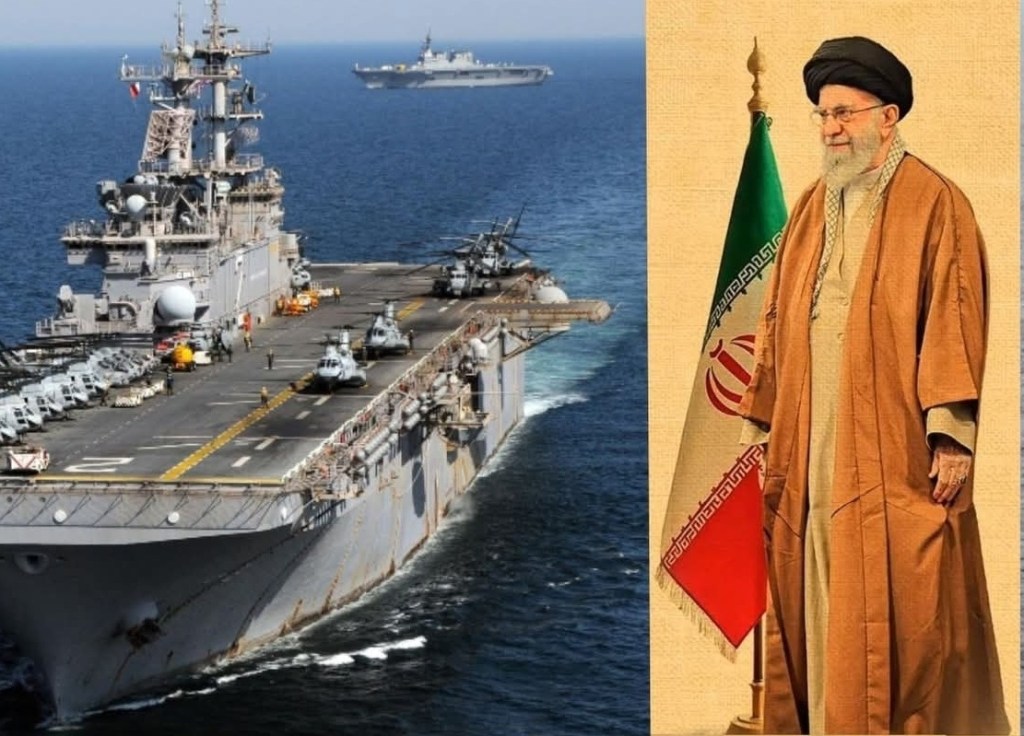
The region braces for war as U.S.-Israel-Iran conflict could start at any moment, affecting both regional security and global markets. The confrontation involving Iran, the United States, and Israel has reached a stage where military forces are positioned for rapid action, diplomatic efforts are secondary to military readiness, and the risk of escalation depends largely… Continue reading
