
United States
-
The Strategic Mis-use of Memory in U.S.-Iran Relations
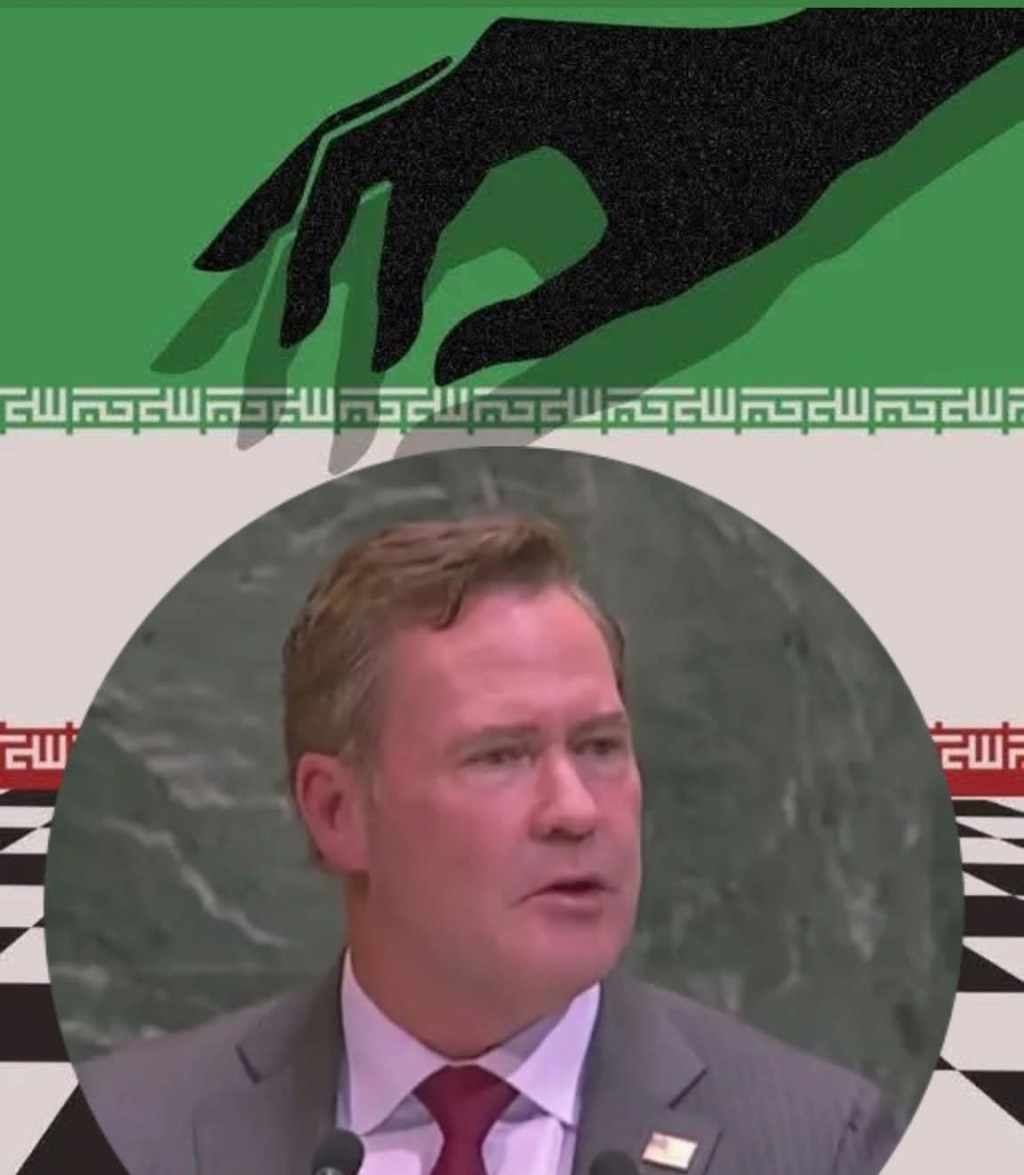
Why the persistent invocation of 1979 continues to justify sanctions, strikes, and systemic escalation The enduring American narrative surrounding the 1979 embassy seizure functions not as historical record but as strategic instrument, and its continued deployment marks a structural refusal to acknowledge the limits of American power in the post-imperial Middle East. That refusal has… Continue reading
AI and Digital Control, America, economics, EUROPE, Financial markets, Foreign Policy, Geopolitics, Global Finance, iran, israel, middle east, Mineral Resources, NATO, politics, reserve currency, Russia, war1953 Iranian coup d’état, Algiers Accords, energy security, Foreign Policy, Geopolitics, international law, iran, Iran Air Flight 655, Iran hostage crisis, Iran–Iraq War, Iranian Revolution, Joint Comprehensive Plan of Action, Middle East conflict, multipolar world, regime change, sanctions, Strait of Hormuz, United States, US–Iran relations -
On the Preservation of Power in Troubled Times

Revealing the Means by Which Energy, Finance, and Force Uphold the Global Dominance of Nations What many take to be a scattering of troubles across the globe, wars here, trade unsettled there, and a lingering unease in distant regions, cannot be rightly understood as separate misfortunes. They are threads, though tangled to the casual eye,… Continue reading
AI and Digital Control, America, China, economics, Energy, EUROPE, Financial markets, Foreign Policy, Geopolitics, Global Finance, iran, israel, middle east, Mineral Resources, NATO, politics, reserve currency, Russia, South East Asia, warBRICS, capital accumulation, China, class relations, economic hegemony, energy geopolitics, energy markets, energy security, financial systems, geopolitical strategy, global governance, global political economy, global trade, industrial economics, infrastructure disruption, maritime power, Marxist analysis, multipolarity, petro-dollar system, resource control, Russia, sanctions regimes, trade routes, transnational class, United States -
How Russia Is Shaping the War’s Endgame in Ukraine
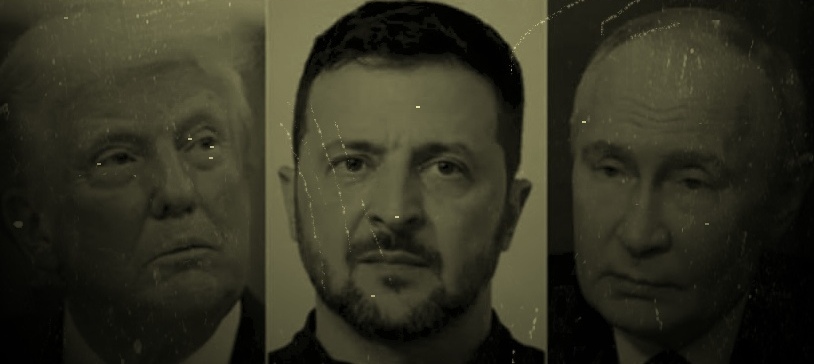
The conflict now tests whether Western power can still limit Russian outcomes as Moscow shifts from containment to full restructuring of Ukraine The conflict is no longer defined by whether Russia can impose its terms, but by which version of those terms ultimately emerges. The war in Ukraine is increasingly defined by a contradiction within… Continue reading
-
Diplomacy on Paper, War in Practice
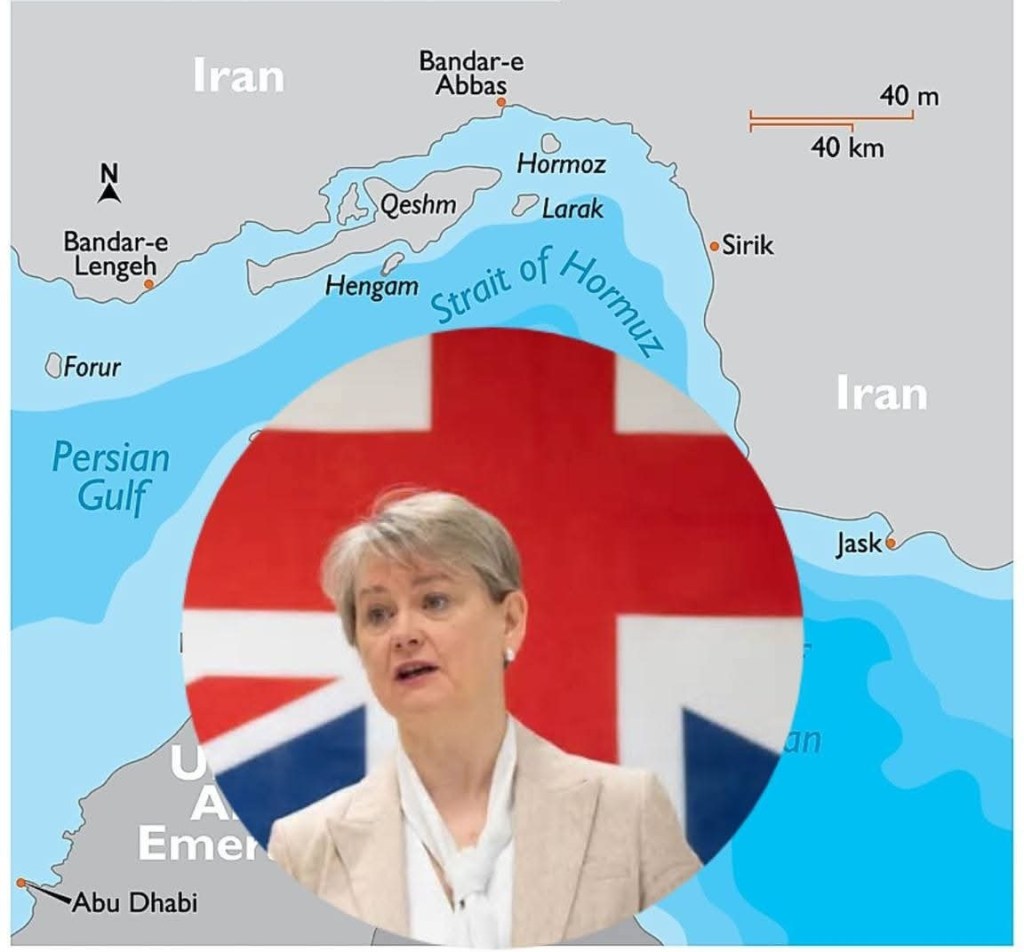
London hosts talks on Hormuz while enabling the very conflict it claims to stand apart from The decision by the United Kingdom to convene a gathering of 35 countries to “explore” reopening the Strait of Hormuz carries the appearance of urgency and coordination, yet it is difficult to avoid the conclusion that it is largely… Continue reading
-
Ban on Chinese Scientists Scrapped at NeurIPS After Backlash

Sanctions frameworks and conference gatekeeping operate as political tools in shaping scientific access, funding, and global AI competition Reversal of a ban on Chinese researchers by United States-based organizers of NeurIPS has exposed the degree to which geopolitical competition now shapes access to core scientific infrastructure in artificial intelligence, a field central to economic and… Continue reading
AI and Digital Control, America, China, economics, Energy, EUROPE, Financial markets, Foreign Policy, Geopolitics, Global Finance, iran, israel, NATO, politics, reserve currency, Russia, waracademic freedom, AI, AI competition, AI supremacy, artificial intelligence, China, Chinese scientists, compliance, conference governance, COVID-19, Geopolitics, global research, Huawei, ICLR, ICML, innovation, institutional control, knowledge economy, legal frameworks, machine learning, NeurIPS, peer review, research bans, research funding, sanctions, science policy, scientific publishing, technology policy, United States, US-China relations -
China as the Central Obstacle Within the Structural Logic of Confrontation
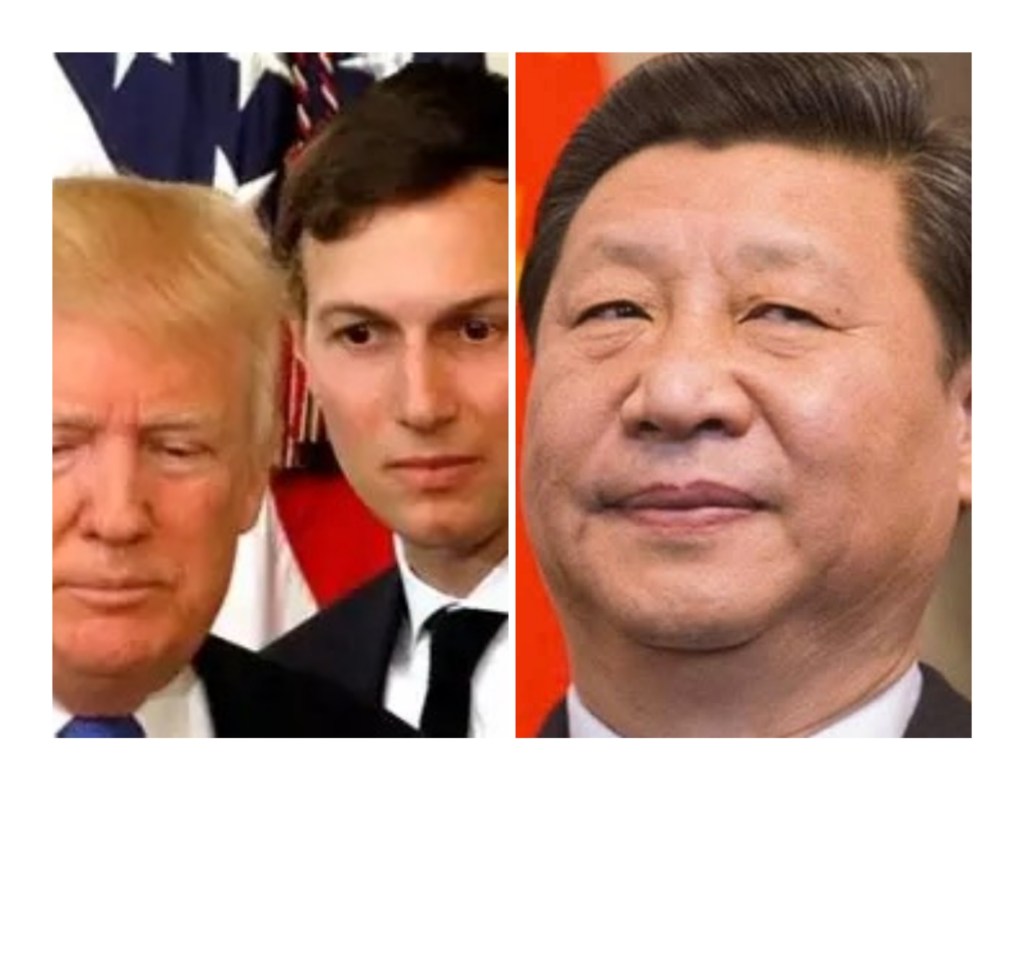
How transnational capital directs United States power to dismantle sovereign development models and preserve global economic control United States policy functions as an extension of transnational capital interests operating through state machinery. A coherent reading of recent geopolitical developments requires attention to structural power rather than electoral cycles or stated doctrine. Analysis grounded in policy… Continue reading
AI and Digital Control, America, China, economics, Energy, EUROPE, Financial markets, Foreign Policy, Geopolitics, Global Finance, iran, israel, middle east, Mineral Resources, NATO, politics, reserve currency, Russia, South East Asia, warBelt and Road Initiative, China, Digital Control, economic warfare., energy security, Eurasia, financial systems, Geoeconomics, Geopolitics, global governance, industrial sovereignty, iran, military strategy, multipolarity, policy continuity, Russia, sanctions, supply chains, transnational capital, United States -
The Cost of Containing China to Maintain Primacy

After failed tariff policy and strategic miscalculation in Iran, Western strategy has shifted toward energy control and expanded conflict, seeking to defend the dollar system through measures that risk sustained global economic disruption in efforts to contain China Western strategy toward China has entered a compressed time horizon shaped by the perception among policy planners… Continue reading
AI and Digital Control, America, China, economics, Energy, EUROPE, Financial markets, Foreign Policy, Geopolitics, Global Finance, iran, israel, middle east, Mineral Resources, NATO, politics, reserve currency, Russia, warautomation, BRICS, China, de-dollarisation, dollar hegemony, economic warfare., energy markets, energy security, Geopolitics, global trade, globalisation, industrial decline, industrial policy, Infrastructure, iran, manufacturing, Middle East conflict, reserve currency, Strait of Hormuz, supply chains, tariffs, United States, yuan settlement -
From Hormuz to Diego Garcia? Iranian Escalatory Strike Capacity Unravels Western Military Assumptions
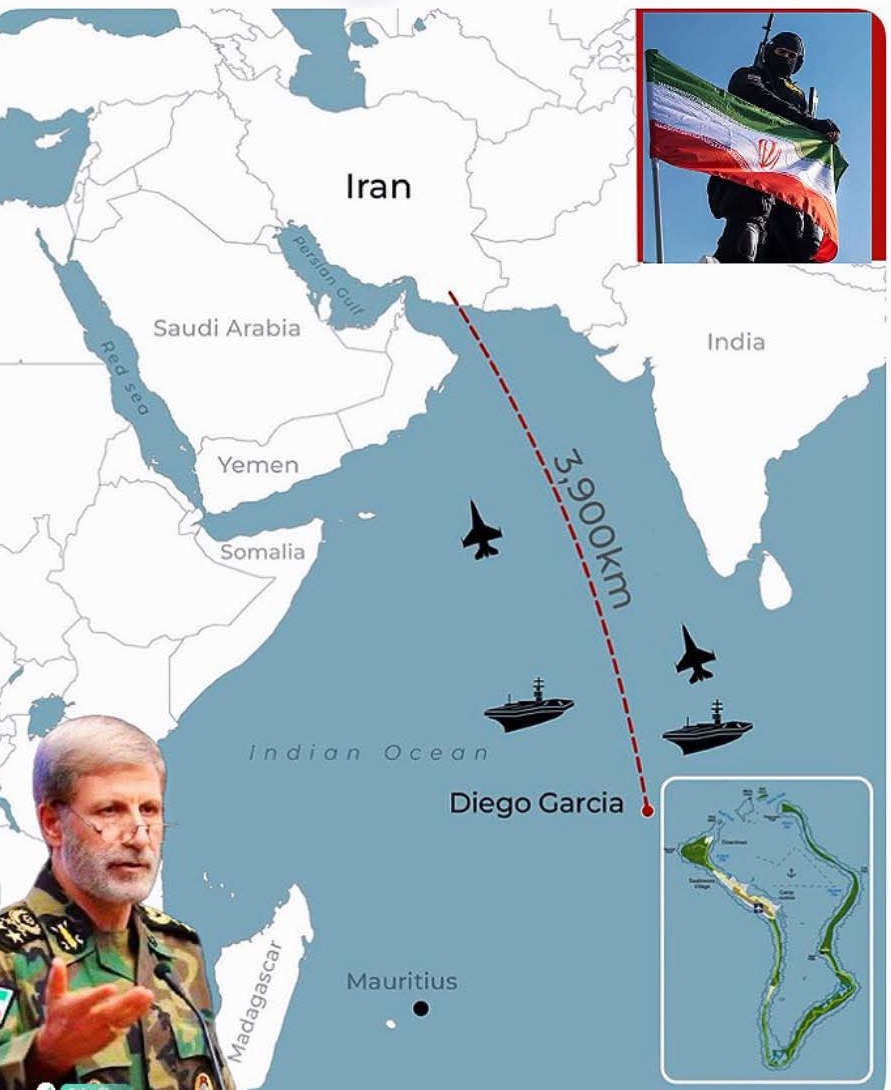
Iranian long-range strike capability, chokepoint control, and infrastructure targeting reshape military balance and global energy systems The conduct of the war has followed a discernible pattern in which Iranian actions have progressively expanded both in scale and technical demonstration, producing cumulative strategic effects that were not anticipated within prevailing Western assessments. Early assumptions regarding the… Continue reading
-
Trump’s Hormuz Coalition
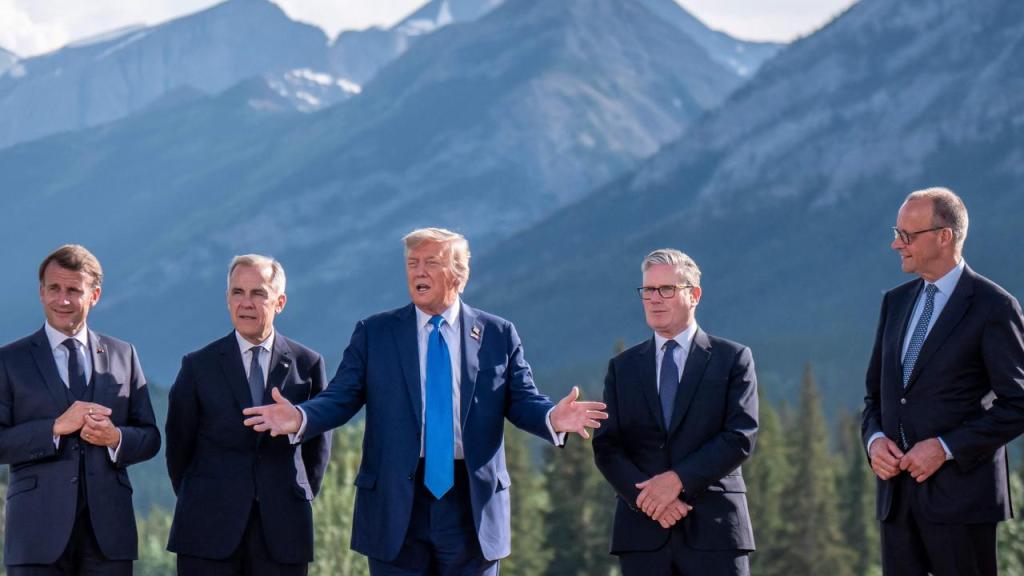
European and allied leaders join Washington’s Hormuz coalition while public opposition and legal questions remain unaddressed Recent decisions by Keir Starmer, Emmanuel Macron, Friedrich Merz, Giorgia Meloni, Rob Jetten, Sanae Takaichi, and Mark Carney mark a coordinated shift in policy towards direct support for United States operations in the Strait of Hormuz. Public statements issued… Continue reading
-
The Collapse of “Plan A” and the Emergence of a War Without Control
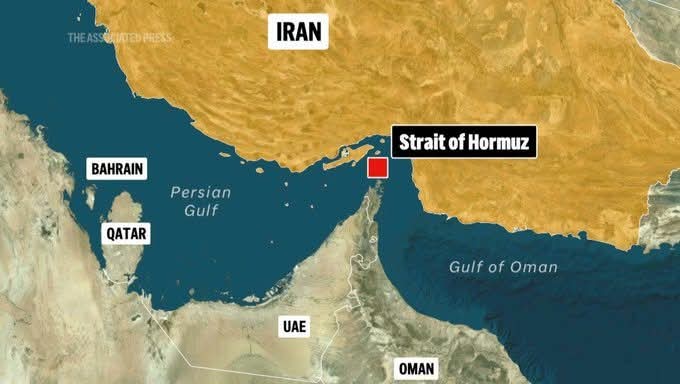
Israeli Escalation, Iranian Leverage, and the Breakdown of United States Control Amid Infrastructure Warfare, Energy Market and Global Economic Shock Military escalation between the United States, Israel and Iran over the past twenty-four hours has altered both the operational direction and the political control of the conflict, with immediate consequences for energy markets, alliance management… Continue reading
