
energy security
-
Diplomacy on Paper, War in Practice
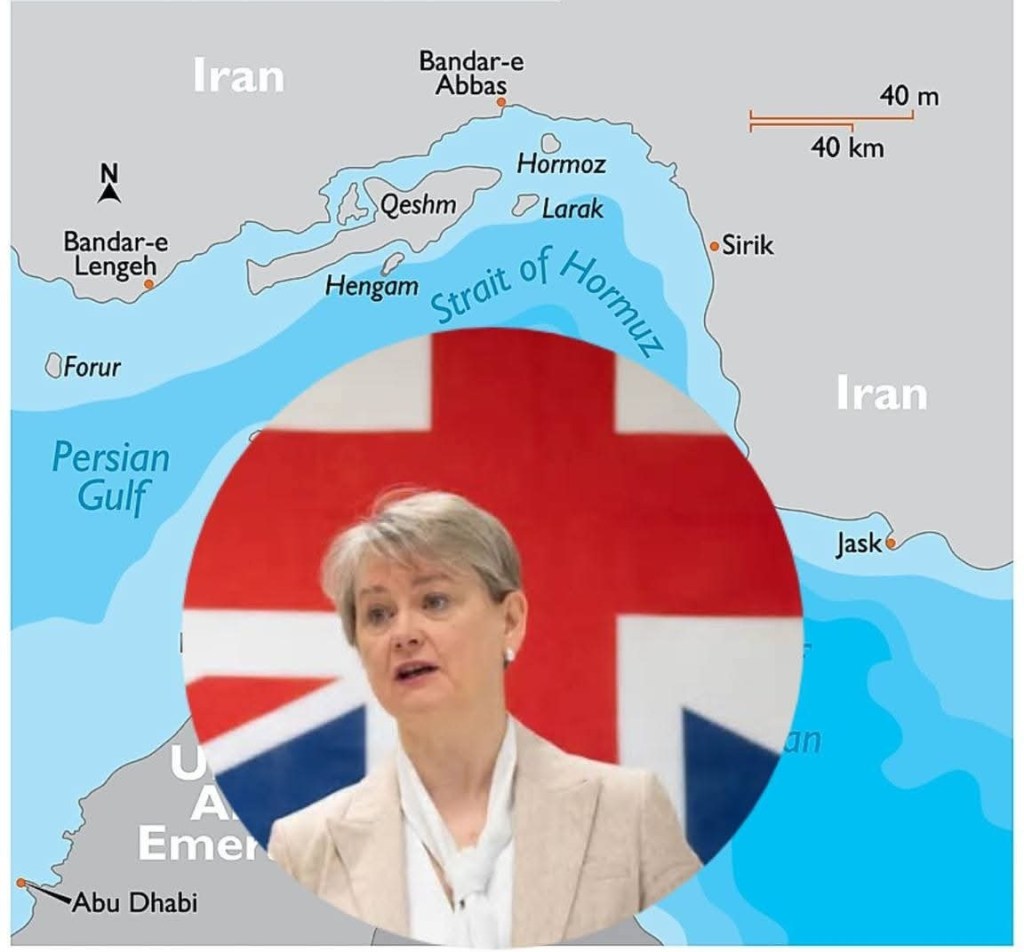
London hosts talks on Hormuz while enabling the very conflict it claims to stand apart from The decision by the United Kingdom to convene a gathering of 35 countries to “explore” reopening the Strait of Hormuz carries the appearance of urgency and coordination, yet it is difficult to avoid the conclusion that it is largely… Continue reading
-
America’s Suez Moment at Hormuz
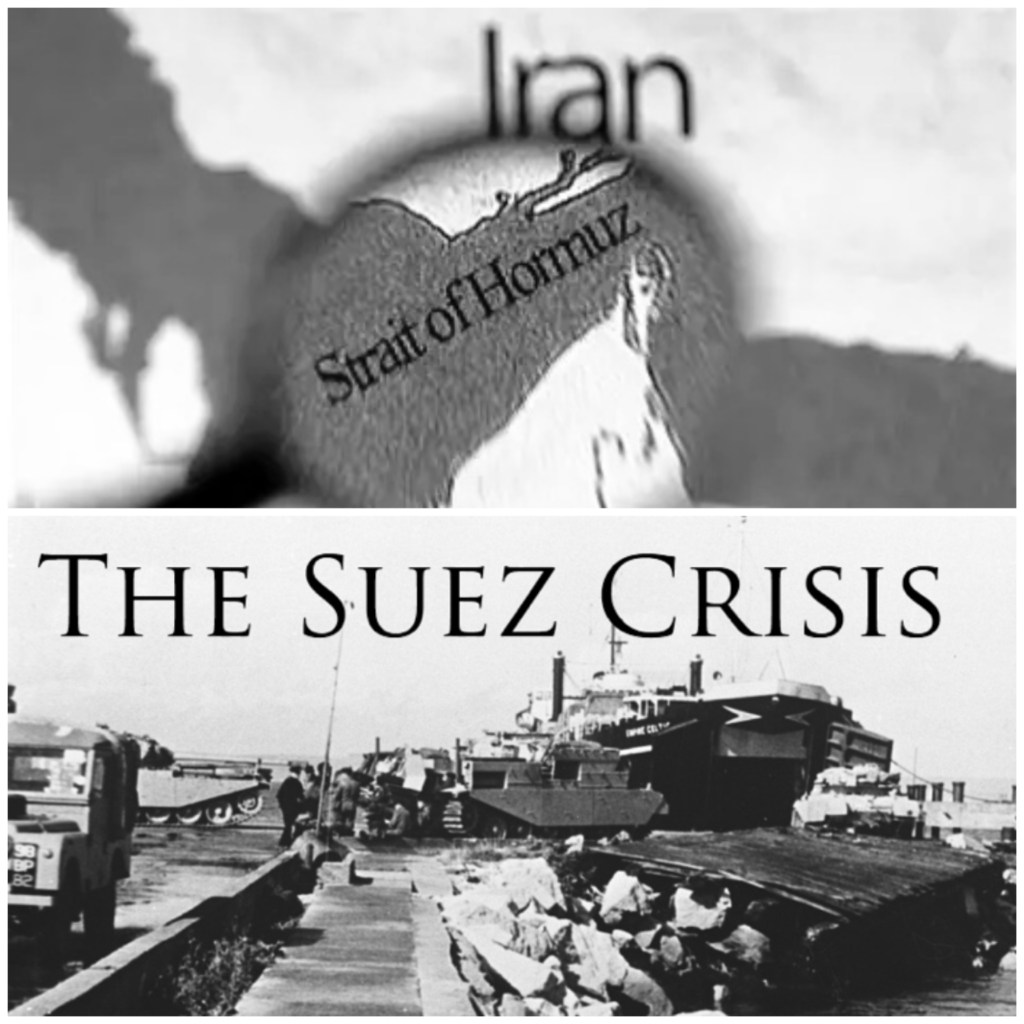
How loss of a single trade route reshapes power, finance, and global order Loss of control over the Strait of Hormuz will mark the end of American global dominance in the same manner that the Suez Canal marked the end of British imperial power, with the mechanism of decline rooted not in immediate military defeat… Continue reading
AI and Digital Control, America, China, economics, Energy, EUROPE, Financial markets, Geopolitics, Global Finance, iran, israel, middle east, NATO, politics, reserve currency, waralliance systems, American empire, asymmetrical warfare, British empire decline, capital flows, debt crisis, energy security, geopolitical analysis, global trade routes, historical precedent, imperial decline, Iran strategy, maritime chokepoints, oil transit, Ray Dalio, reserve currency status, Strait of Hormuz, Suez Crisis 1956, US dollar, US foreign policy -
China as the Central Obstacle Within the Structural Logic of Confrontation
How transnational capital directs United States power to dismantle sovereign development models and preserve global economic control United States policy functions as an extension of transnational capital interests operating through state machinery. A coherent reading of recent geopolitical developments requires attention to structural power rather than electoral cycles or stated doctrine. Analysis grounded in policy… Continue reading
AI and Digital Control, America, China, economics, Energy, EUROPE, Financial markets, Foreign Policy, Geopolitics, Global Finance, iran, israel, middle east, Mineral Resources, NATO, politics, reserve currency, Russia, South East Asia, warBelt and Road Initiative, China, Digital Control, economic warfare., energy security, Eurasia, financial systems, Geoeconomics, Geopolitics, global governance, industrial sovereignty, iran, military strategy, multipolarity, policy continuity, Russia, sanctions, supply chains, transnational capital, United States -
The Cost of Containing China to Maintain Primacy

After failed tariff policy and strategic miscalculation in Iran, Western strategy has shifted toward energy control and expanded conflict, seeking to defend the dollar system through measures that risk sustained global economic disruption in efforts to contain China Western strategy toward China has entered a compressed time horizon shaped by the perception among policy planners… Continue reading
AI and Digital Control, America, China, economics, Energy, EUROPE, Financial markets, Foreign Policy, Geopolitics, Global Finance, iran, israel, middle east, Mineral Resources, NATO, politics, reserve currency, Russia, warautomation, BRICS, China, de-dollarisation, dollar hegemony, economic warfare., energy markets, energy security, Geopolitics, global trade, globalisation, industrial decline, industrial policy, Infrastructure, iran, manufacturing, Middle East conflict, reserve currency, Strait of Hormuz, supply chains, tariffs, United States, yuan settlement -
From Hormuz to Diego Garcia? Iranian Escalatory Strike Capacity Unravels Western Military Assumptions
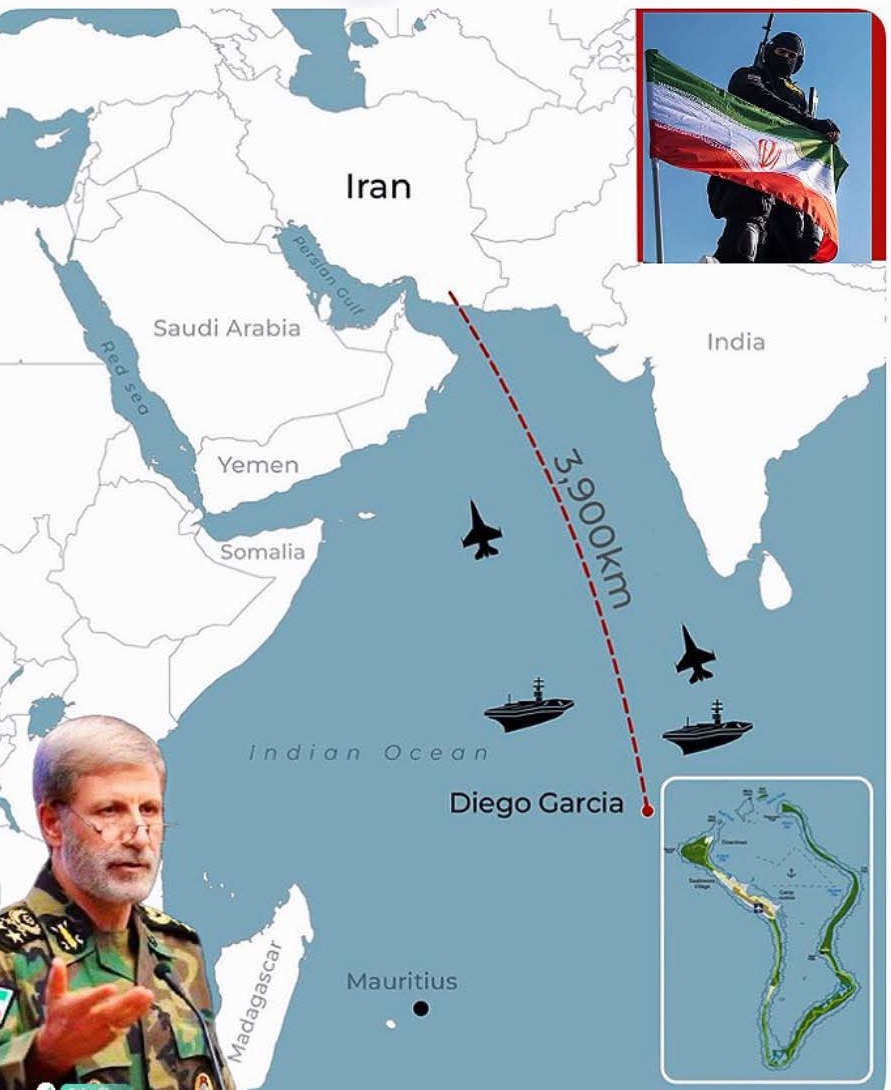
Iranian long-range strike capability, chokepoint control, and infrastructure targeting reshape military balance and global energy systems The conduct of the war has followed a discernible pattern in which Iranian actions have progressively expanded both in scale and technical demonstration, producing cumulative strategic effects that were not anticipated within prevailing Western assessments. Early assumptions regarding the… Continue reading
-
A Gulf Billionaire Rebuked a U.S. Senator

Khalaf Ahmad Al Habtoor’s blunt response to Lindsey Graham’s call for war exposed tensions in the Gulf–U.S. alliance and raised uncomfortable questions about power, interests, and who pays the price for conflict. The exchange between U.S. Senator Lindsey Graham and Emirati businessman Khalaf Ahmad Al Habtoor unfolded like a small but revealing moment in the… Continue reading
-
A War Iran Does Not Need to Win Decisively
Why the Trump-Israel coalition’s wider objectives are easier to frustrate than Iran’s narrower aim of survival and retaliation revealing the asymmetry between preserving a state and trying to break one Iran holds the cards because it is fighting defensively on its own terrain, with time, geography and economic leverage on its side; Trump blundered by… Continue reading
-
Gulf States Caught in the Crossfire
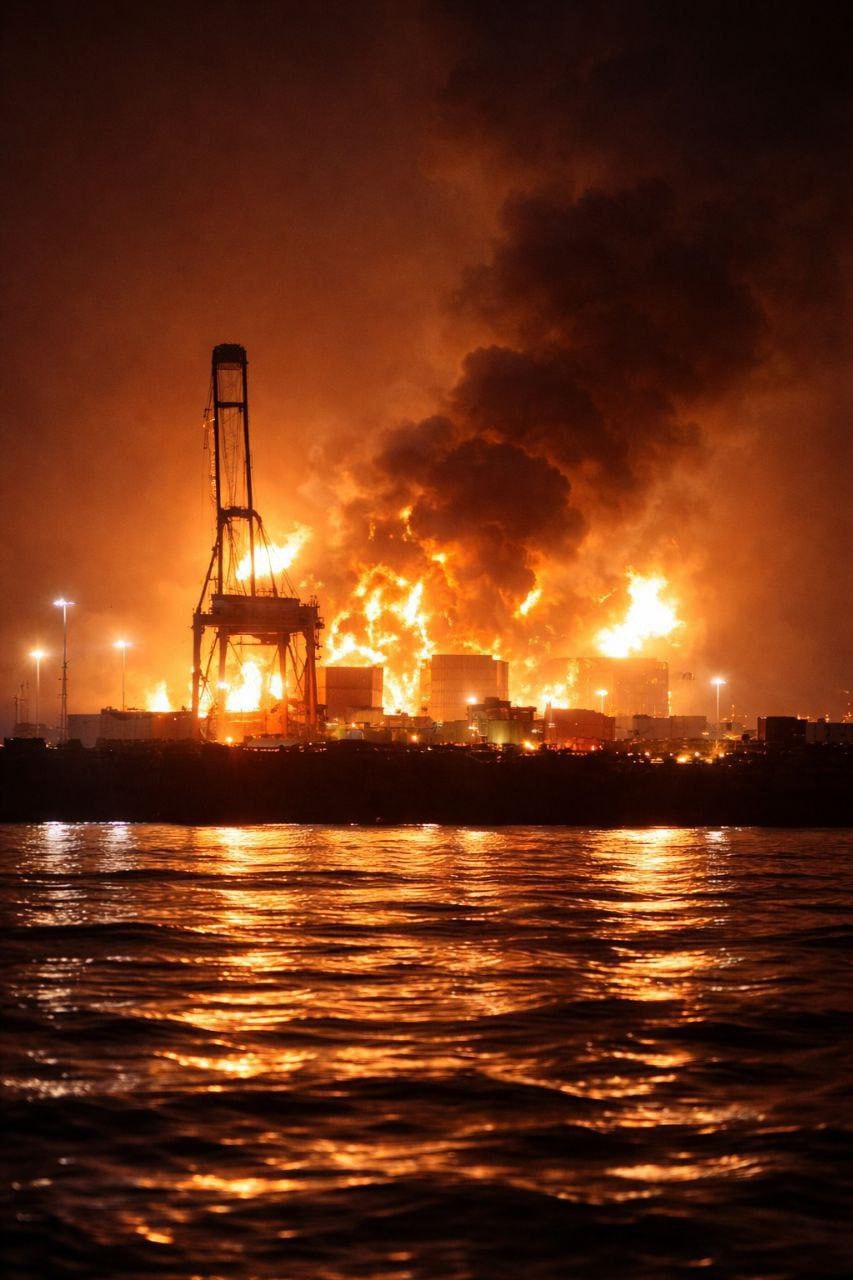
How decades of reliance on Washington expose the Gulf to economic and military vulnerabilities Resentment is quietly mounting across the capitals of the Gulf Cooperation Council, as a convergence of strategic, economic, and political pressures forces a reassessment of long-standing alliances with Washington. Reports emerging from Riyadh, Abu Dhabi, and Doha suggest that these states… Continue reading
-
The Security Council’s Selective Condemnation of Iran
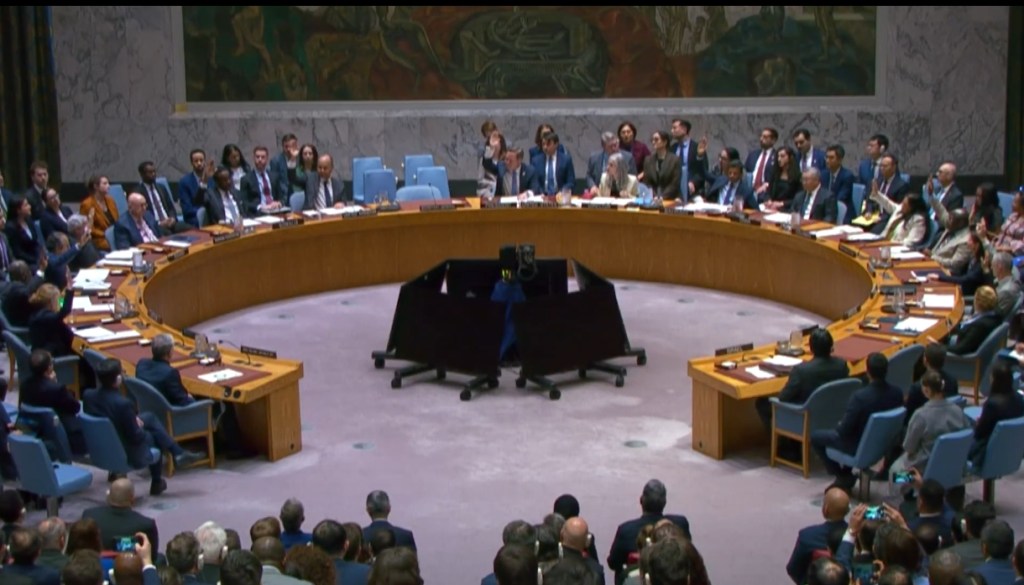
How the UN Resolution on Iran Omitted the Origins of the Conflict and Reflected the Politics of Power The resolution adopted by the United Nations Security Council condemning Iran’s military actions across the Gulf has been presented as a clear statement in defence of regional stability. Yet the circumstances surrounding the vote raise serious questions… Continue reading
AI and Digital Control, America, Carribean, East Africa, economics, Energy, EUROPE, Financial markets, Foreign Policy, Geopolitics, iran, israel, middle east, NATO, politics, Russia, warasymmetric warfare, Condemnation, Drone Warfare, economic disruption, economic warfare., energy security, geopolitical economy, geopolitical strategy, global energy markets, Gulf security, international diplomacy, iran, israel, Middle East geopolitics, military strategy, missile warfare, oil markets, sanctions, Strait of Hormuz, strategic deterrence, UN Resolution, UN Security Council, United Nations, United States, war of attrition, war termination -
The Hormuz Pressure Point Forces a Diplomatic Search for a Face-Saving Settlement
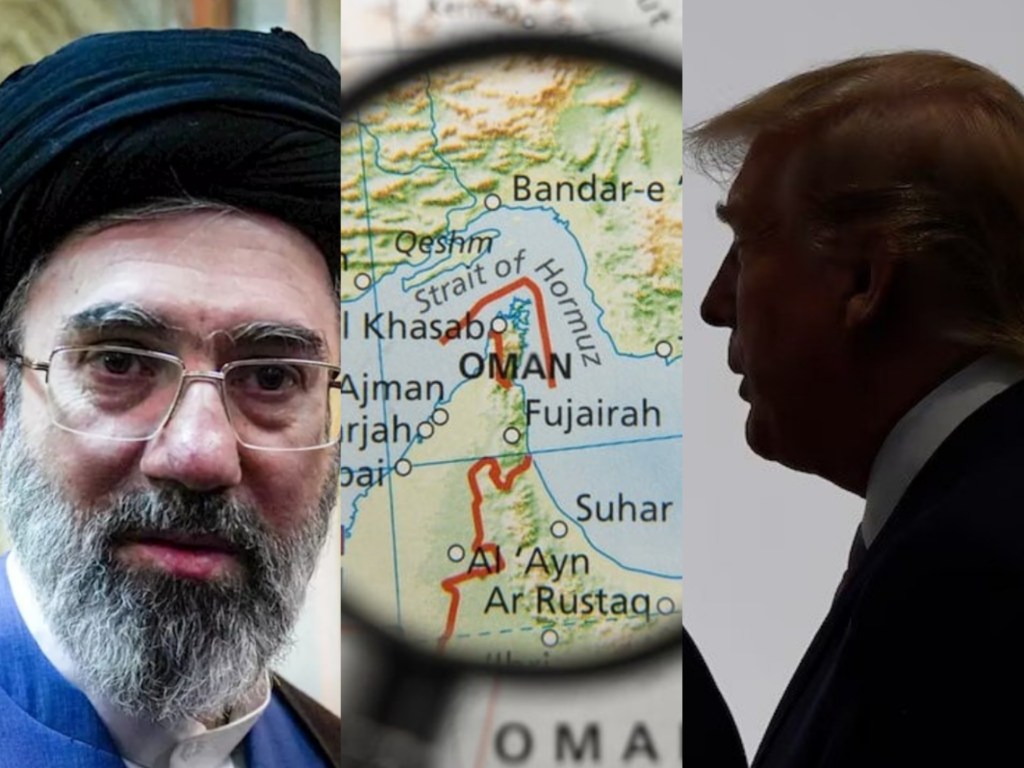
Oil market destabilisation reshapes battlefield calculations imposing a strategic dilemma of war termination under conditions of asymmetric pressure Strategic conflict between the Islamic Republic of Iran and the United States–Israel alliance developed across nearly half a century of sanctions, covert operations, proxy warfare, assassinations of Iranian officials and nuclear scientists, and repeated military confrontations across… Continue reading
AI and Digital Control, America, economics, Energy, Financial markets, Foreign Policy, Geopolitics, Global Finance, iran, israel, middle east, Mineral Resources, NATO, politics, reserve currency, Russia, warasymmetric warfare, Drone Warfare, economic disruption, economic warfare., energy security, geopolitical economy, geopolitical strategy, global energy markets, Gulf security, international diplomacy, iran, israel, Middle East geopolitics, military strategy, missile warfare, oil markets, sanctions, Strait of Hormuz, strategic deterrence, United States, war of attrition, war termination
