
United States
-
Diplomacy on Paper, War in Practice
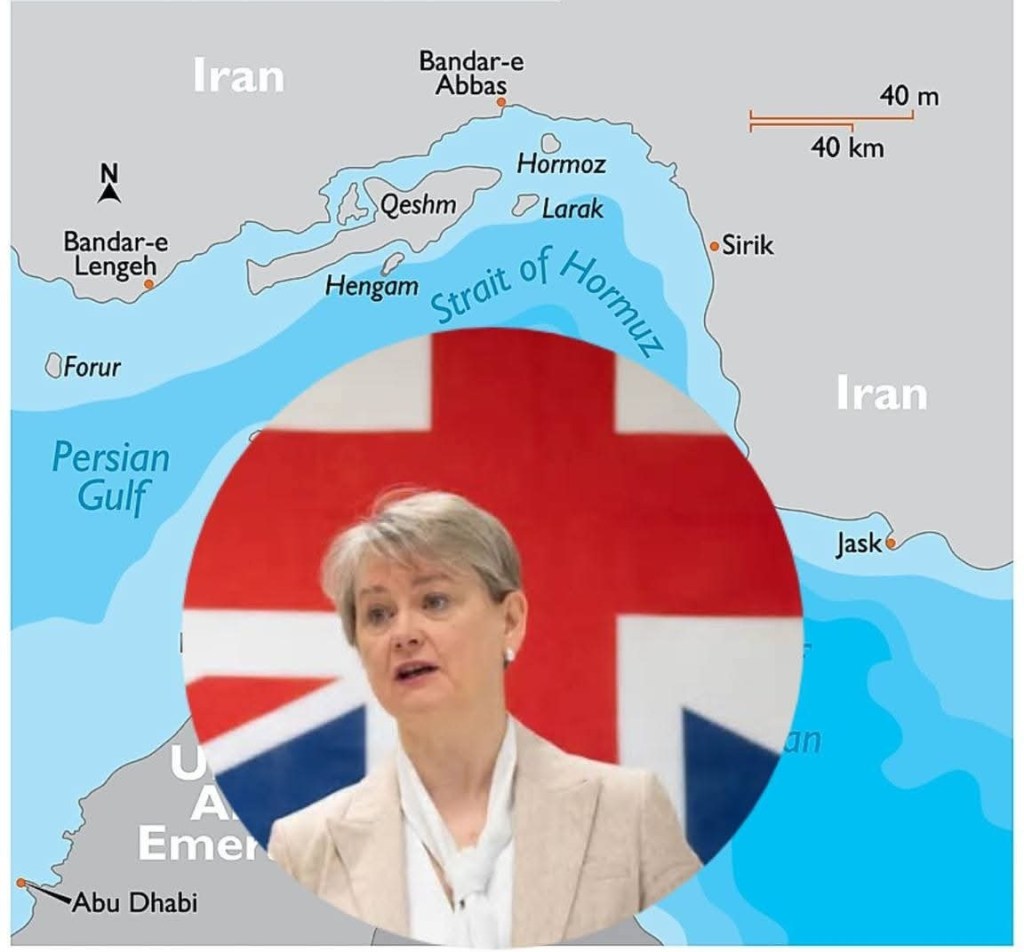
London hosts talks on Hormuz while enabling the very conflict it claims to stand apart from The decision by the United Kingdom to convene a gathering of 35 countries to “explore” reopening the Strait of Hormuz carries the appearance of urgency and coordination, yet it is difficult to avoid the conclusion that it is largely… Continue reading
-
Ban on Chinese Scientists Scrapped at NeurIPS After Backlash

Sanctions frameworks and conference gatekeeping operate as political tools in shaping scientific access, funding, and global AI competition Reversal of a ban on Chinese researchers by United States-based organizers of NeurIPS has exposed the degree to which geopolitical competition now shapes access to core scientific infrastructure in artificial intelligence, a field central to economic and… Continue reading
AI and Digital Control, America, China, economics, Energy, EUROPE, Financial markets, Foreign Policy, Geopolitics, Global Finance, iran, israel, NATO, politics, reserve currency, Russia, waracademic freedom, AI, AI competition, AI supremacy, artificial intelligence, China, Chinese scientists, compliance, conference governance, COVID-19, Geopolitics, global research, Huawei, ICLR, ICML, innovation, institutional control, knowledge economy, legal frameworks, machine learning, NeurIPS, peer review, research bans, research funding, sanctions, science policy, scientific publishing, technology policy, United States, US-China relations -
China as the Central Obstacle Within the Structural Logic of Confrontation
How transnational capital directs United States power to dismantle sovereign development models and preserve global economic control United States policy functions as an extension of transnational capital interests operating through state machinery. A coherent reading of recent geopolitical developments requires attention to structural power rather than electoral cycles or stated doctrine. Analysis grounded in policy… Continue reading
AI and Digital Control, America, China, economics, Energy, EUROPE, Financial markets, Foreign Policy, Geopolitics, Global Finance, iran, israel, middle east, Mineral Resources, NATO, politics, reserve currency, Russia, South East Asia, warBelt and Road Initiative, China, Digital Control, economic warfare., energy security, Eurasia, financial systems, Geoeconomics, Geopolitics, global governance, industrial sovereignty, iran, military strategy, multipolarity, policy continuity, Russia, sanctions, supply chains, transnational capital, United States -
The Cost of Containing China to Maintain Primacy

After failed tariff policy and strategic miscalculation in Iran, Western strategy has shifted toward energy control and expanded conflict, seeking to defend the dollar system through measures that risk sustained global economic disruption in efforts to contain China Western strategy toward China has entered a compressed time horizon shaped by the perception among policy planners… Continue reading
AI and Digital Control, America, China, economics, Energy, EUROPE, Financial markets, Foreign Policy, Geopolitics, Global Finance, iran, israel, middle east, Mineral Resources, NATO, politics, reserve currency, Russia, warautomation, BRICS, China, de-dollarisation, dollar hegemony, economic warfare., energy markets, energy security, Geopolitics, global trade, globalisation, industrial decline, industrial policy, Infrastructure, iran, manufacturing, Middle East conflict, reserve currency, Strait of Hormuz, supply chains, tariffs, United States, yuan settlement -
From Hormuz to Diego Garcia? Iranian Escalatory Strike Capacity Unravels Western Military Assumptions
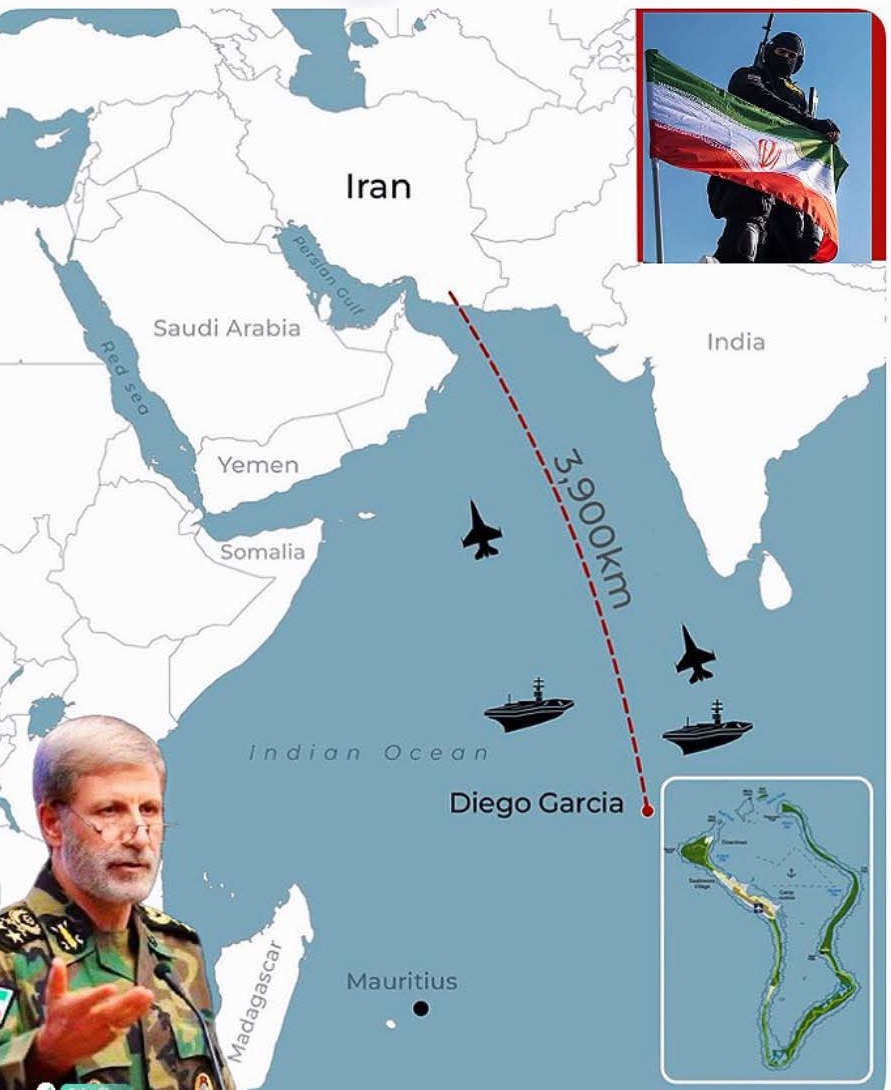
Iranian long-range strike capability, chokepoint control, and infrastructure targeting reshape military balance and global energy systems The conduct of the war has followed a discernible pattern in which Iranian actions have progressively expanded both in scale and technical demonstration, producing cumulative strategic effects that were not anticipated within prevailing Western assessments. Early assumptions regarding the… Continue reading
-
Trump’s Hormuz Coalition

European and allied leaders join Washington’s Hormuz coalition while public opposition and legal questions remain unaddressed Recent decisions by Keir Starmer, Emmanuel Macron, Friedrich Merz, Giorgia Meloni, Rob Jetten, Sanae Takaichi, and Mark Carney mark a coordinated shift in policy towards direct support for United States operations in the Strait of Hormuz. Public statements issued… Continue reading
-
The Collapse of “Plan A” and the Emergence of a War Without Control
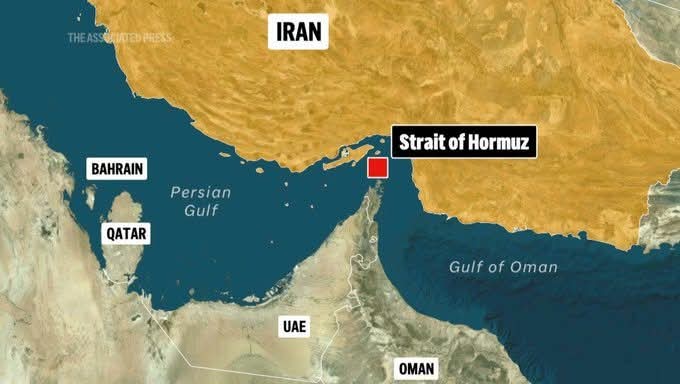
Israeli Escalation, Iranian Leverage, and the Breakdown of United States Control Amid Infrastructure Warfare, Energy Market and Global Economic Shock Military escalation between the United States, Israel and Iran over the past twenty-four hours has altered both the operational direction and the political control of the conflict, with immediate consequences for energy markets, alliance management… Continue reading
-
The Unlawful War Now Threatens The World
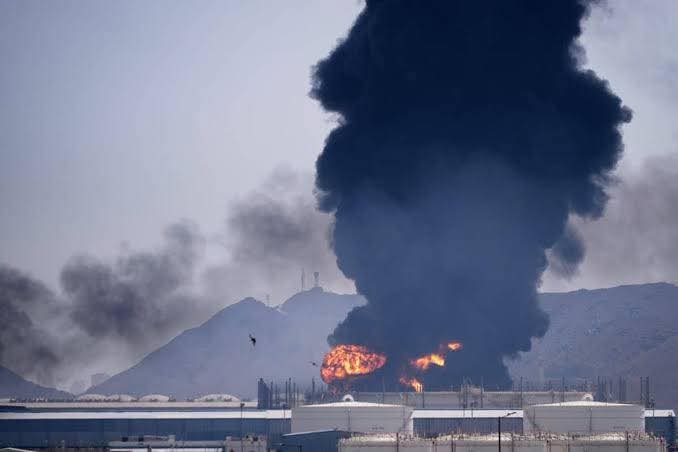
Energy on the Brink as the Middle East Escalation Triggers Global Fallout Global energy markets have entered a state of heightened volatility following Israeli strikes on Iran’s South Pars gas field, prompting retaliatory action that has sent ripple effects across the region and the world. South Pars, shared with Qatar where it is known as… Continue reading
-
Iran as an Underdog has Proven Effective and now Holds Significant Leverage
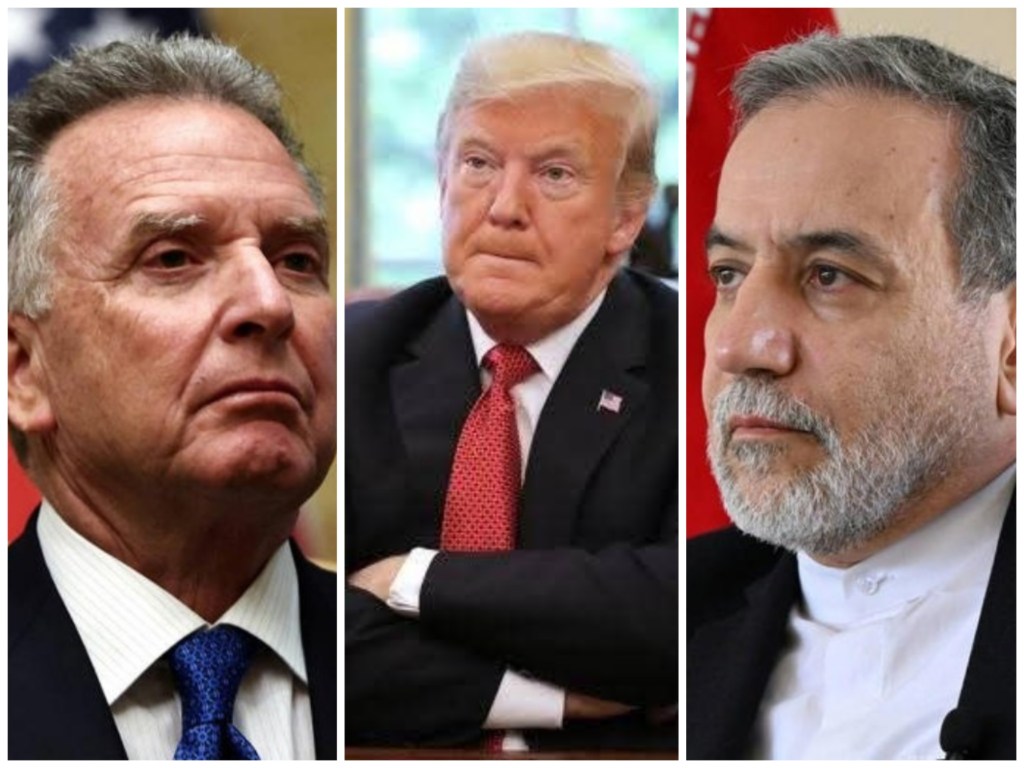
The consequences of underestimation and misreading capability by the United States and Israel has resulted in measurable strategic cost The available evidence indicates that the scale and resilience of Iranian state capacity under sustained attack have been materially underestimated in much Western policy analysis, despite repeated cautions issued over several years by academic specialists in… Continue reading
AI and Digital Control, America, China, economics, Energy, EUROPE, Financial markets, Foreign Policy, Geopolitics, Global Finance, iran, israel, NATO, politics, warasymmetric warfare, conflict analysis, cost imposition strategy, decentralised defence, deterrence, Drone Warfare, Escalation dynamics, geopolitical leverage, Gulf security, hybrid warfare, iran, israel, Middle East geopolitics, military doctrine, military miscalculation, missile warfare, regional power balance, state resilience, Strait of Hormuz, strategic resilience, strategic studies, underdog, United States, war of attrition -
The Security Council’s Selective Condemnation of Iran
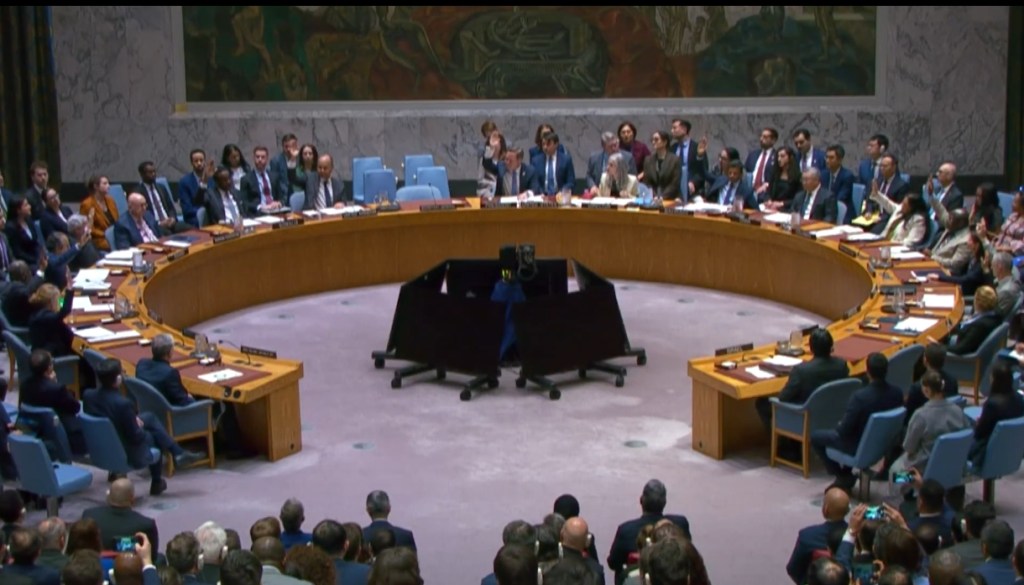
How the UN Resolution on Iran Omitted the Origins of the Conflict and Reflected the Politics of Power The resolution adopted by the United Nations Security Council condemning Iran’s military actions across the Gulf has been presented as a clear statement in defence of regional stability. Yet the circumstances surrounding the vote raise serious questions… Continue reading
AI and Digital Control, America, Carribean, East Africa, economics, Energy, EUROPE, Financial markets, Foreign Policy, Geopolitics, iran, israel, middle east, NATO, politics, Russia, warasymmetric warfare, Condemnation, Drone Warfare, economic disruption, economic warfare., energy security, geopolitical economy, geopolitical strategy, global energy markets, Gulf security, international diplomacy, iran, israel, Middle East geopolitics, military strategy, missile warfare, oil markets, sanctions, Strait of Hormuz, strategic deterrence, UN Resolution, UN Security Council, United Nations, United States, war of attrition, war termination
