
Geopolitics
-
How Lavrov’s 2025 Warning About a “Breakdown” in the World Order Is Playing Out Today
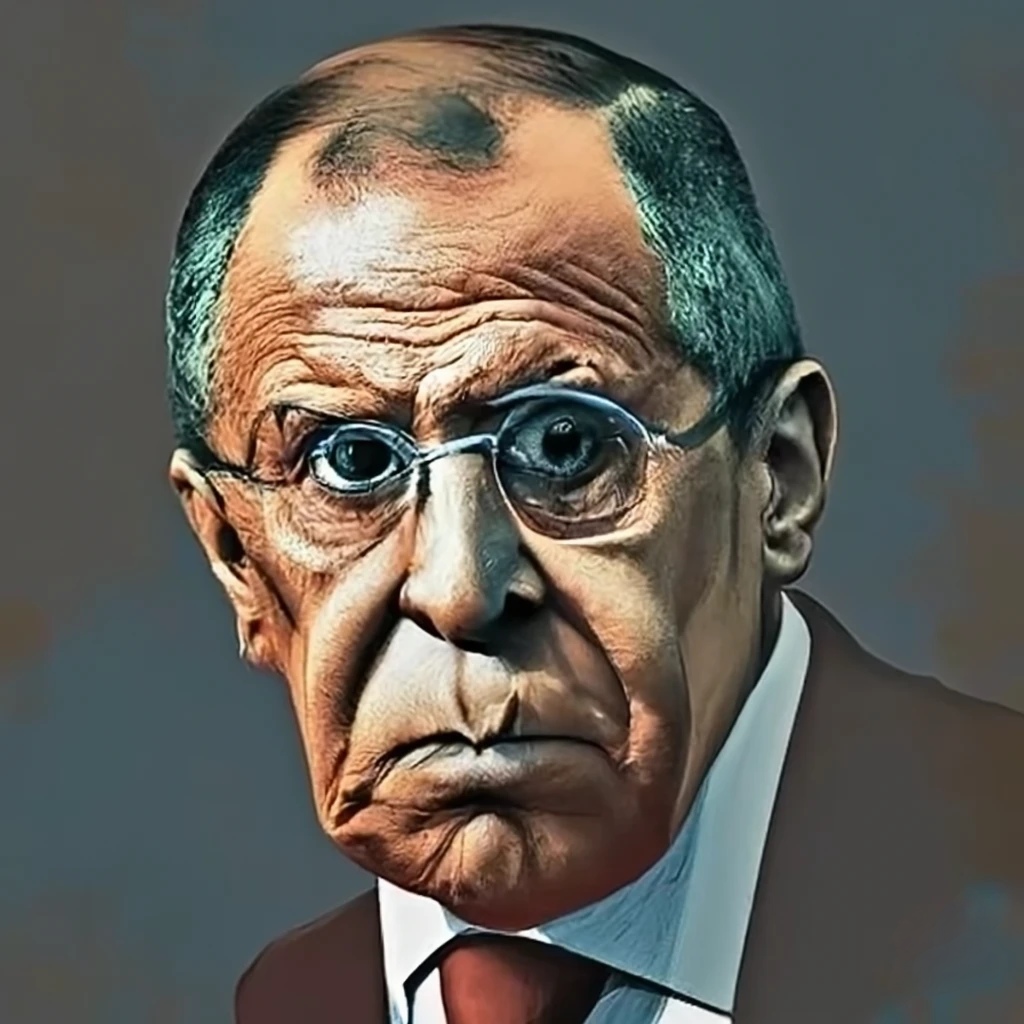
What the Russian foreign minister said at the Russian International Affairs Council in January 2025 and how recent global developments reflect his argument about rising competition, instability, and shifting power dynamics When Sergei Lavrov spoke at the Russian International Affairs Council on January 30, 2025, he laid out a stark view of global politics. He… Continue reading
-
Diplomacy on Paper, War in Practice
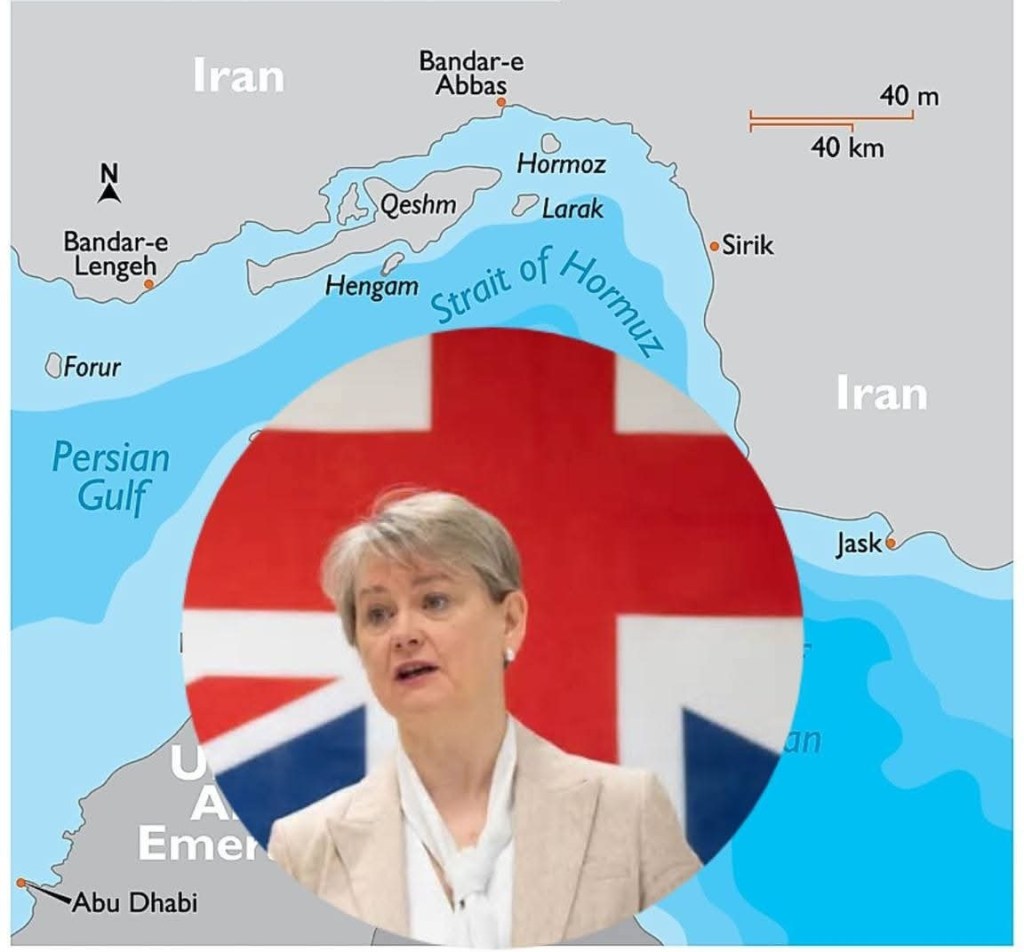
London hosts talks on Hormuz while enabling the very conflict it claims to stand apart from The decision by the United Kingdom to convene a gathering of 35 countries to “explore” reopening the Strait of Hormuz carries the appearance of urgency and coordination, yet it is difficult to avoid the conclusion that it is largely… Continue reading
-
Israel Operates As a Law Unto Itself
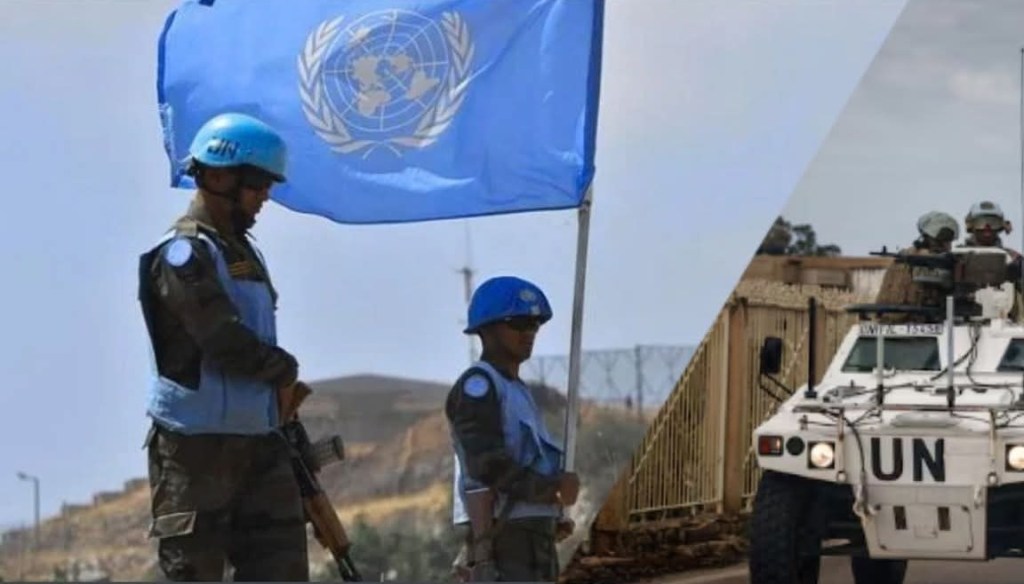
Repeated incidents involving UN personnel highlight a persistent tension between operational conduct, strategic imperatives, and the uneven application of international law. The argument that Israel operates as a law unto itself in its dealings with the United Nations and its personnel rests on a pattern of conduct that critics contend is neither incidental nor episodic,… Continue reading
-
Ban on Chinese Scientists Scrapped at NeurIPS After Backlash
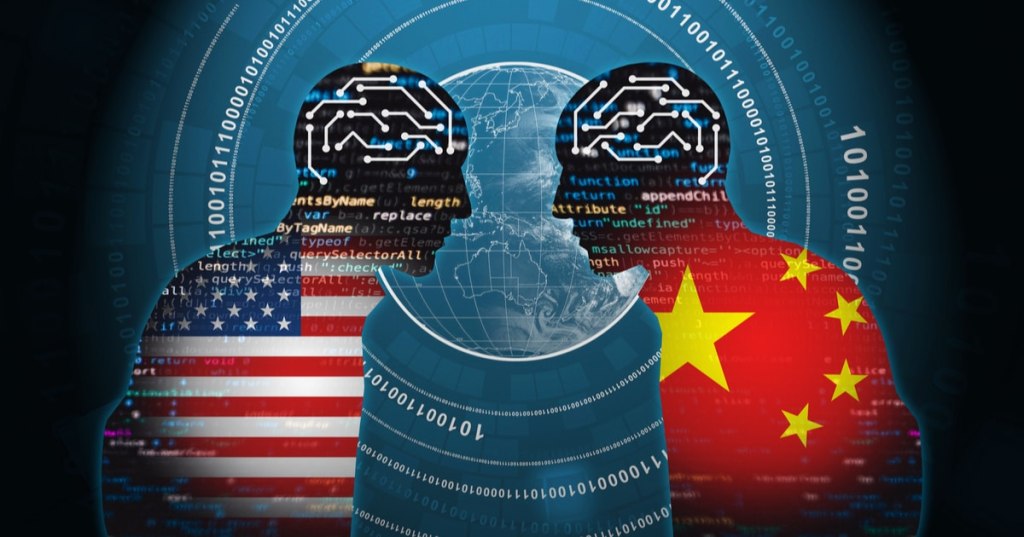
Sanctions frameworks and conference gatekeeping operate as political tools in shaping scientific access, funding, and global AI competition Reversal of a ban on Chinese researchers by United States-based organizers of NeurIPS has exposed the degree to which geopolitical competition now shapes access to core scientific infrastructure in artificial intelligence, a field central to economic and… Continue reading
AI and Digital Control, America, China, economics, Energy, EUROPE, Financial markets, Foreign Policy, Geopolitics, Global Finance, iran, israel, NATO, politics, reserve currency, Russia, waracademic freedom, AI, AI competition, AI supremacy, artificial intelligence, China, Chinese scientists, compliance, conference governance, COVID-19, Geopolitics, global research, Huawei, ICLR, ICML, innovation, institutional control, knowledge economy, legal frameworks, machine learning, NeurIPS, peer review, research bans, research funding, sanctions, science policy, scientific publishing, technology policy, United States, US-China relations -
Gate of Tears, Strait of No Return
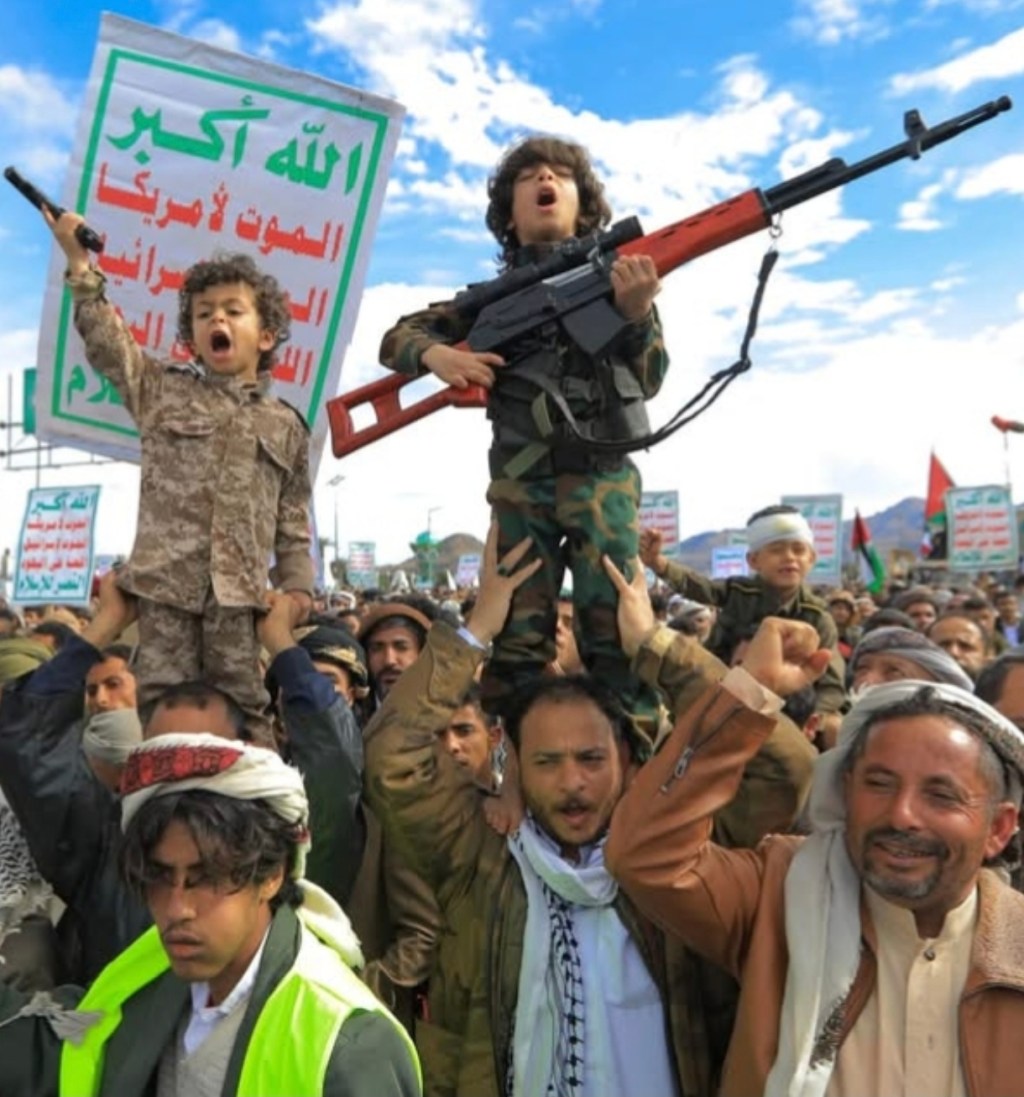
How simultaneous chokepoint warfare has trapped global trade between two narrowing exits, a strategic game the West cannot easily exit The Houthi declaration of entry into the war alters the structure of the conflict in a measurable way that can be tested against known data on maritime flows, energy dependency, escalation theory, and capital market… Continue reading
AI and Digital Control, America, economics, Energy, EUROPE, Financial markets, Foreign Policy, Geopolitics, iran, israel, middle east, NATO, politics, Russia, warasymmetric warfare, bab el mandeb, chokepoint warfare, economic warfare., energy crisis, energy infrastructure attacks, Escalation dynamics, Financial markets, Game Theory, Geopolitics, global inflation, global trade disruption, houthis, Iran strategy, maritime security, Middle East conflict, multipolar world order, oil markets, oil price volatility, petrodollar system, proxy warfare, red sea crisis, regime resilience, shipping routes, sovereign debt risk, Strait of Hormuz, strategic endurance, supply chains, Ukraine-Russia war, Yemen war -
Gulf States Draw Line on War with Iran
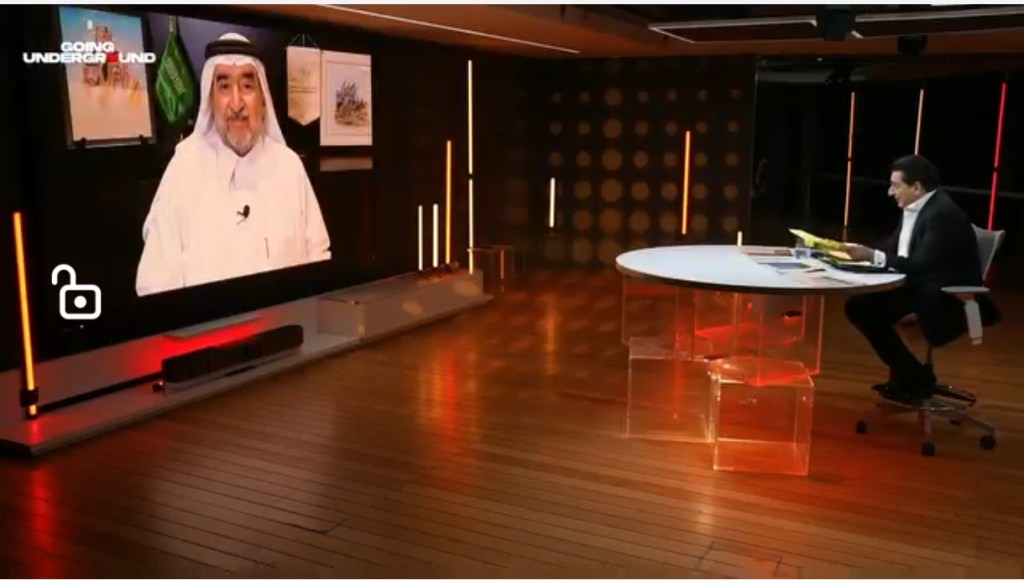
Gulf governments resist integration while exploring alternative security architecture Gulf states are declining participation in any military structure that places them alongside Israel or under a unified command that includes Israeli forces. Abdulaziz Sager, founder of the Gulf Research Center, attributes this position to both political constraints and strategic calculation across the region. Several governments… Continue reading
-
Ukraine’s Gulf Expansion Tested by Reported Strike in UAE
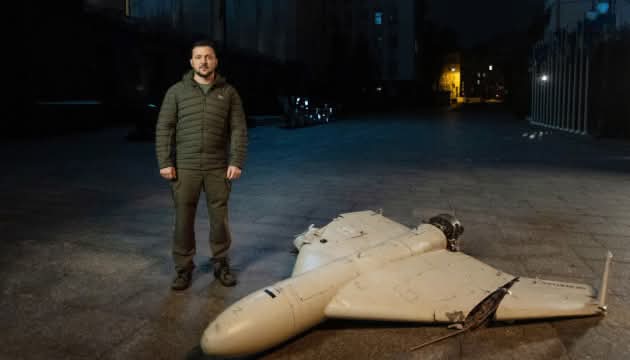
A reported attack on a drone defense site in the Gulf points to a widening, interconnected conflict landscape Recent developments spanning the Middle East and Eastern Europe point to a potentially significant shift in how contemporary conflicts are structured, extending beyond geographically contained wars into interconnected theatres shaped by shared capabilities, strategic signaling, and alliance… Continue reading
AI and Digital Control, America, China, Energy, EUROPE, Financial markets, Foreign Policy, Geopolitics, Global Finance, iran, israel, middle east, Mineral Resources, NATO, politics, reserve currency, Russia, warair defense, counter-drone systems, defense cooperation, deterrence, Drone Warfare, Game Theory, Geopolitics, global conflict, Gulf States, iran, Islamic Revolutionary Guard Corps, Middle East security, military strategy, military technology, proxy conflict, Qatar, Saudi Arabia, UAV, ukraine, United Arab Emirates, Volodymyr Zelenskyy -
The Strait of Hormuz Is Open by Permission
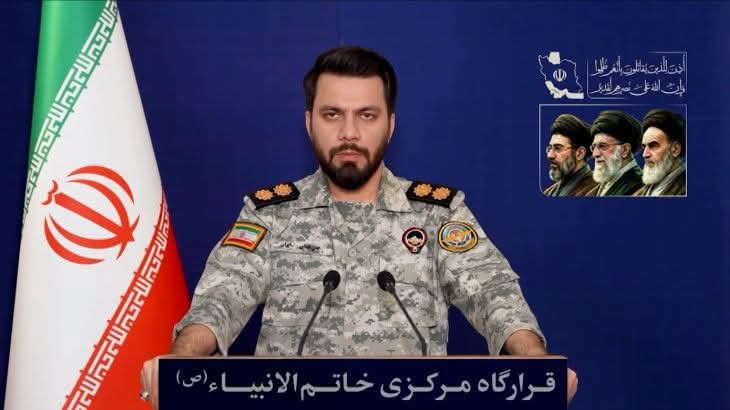
Iran imposes controlled transit after sustained aggression, converting open passage into a regulated system of access, payment, and geopolitical alignment A functioning maritime corridor has been converted into a controlled economic gate without formal closure, altering both the legal character and financial mechanics of the most critical energy chokepoint in the global system. Shipping through… Continue reading
-
The Iran War and the Fragmentation of the Global Energy and Petrodollar Order
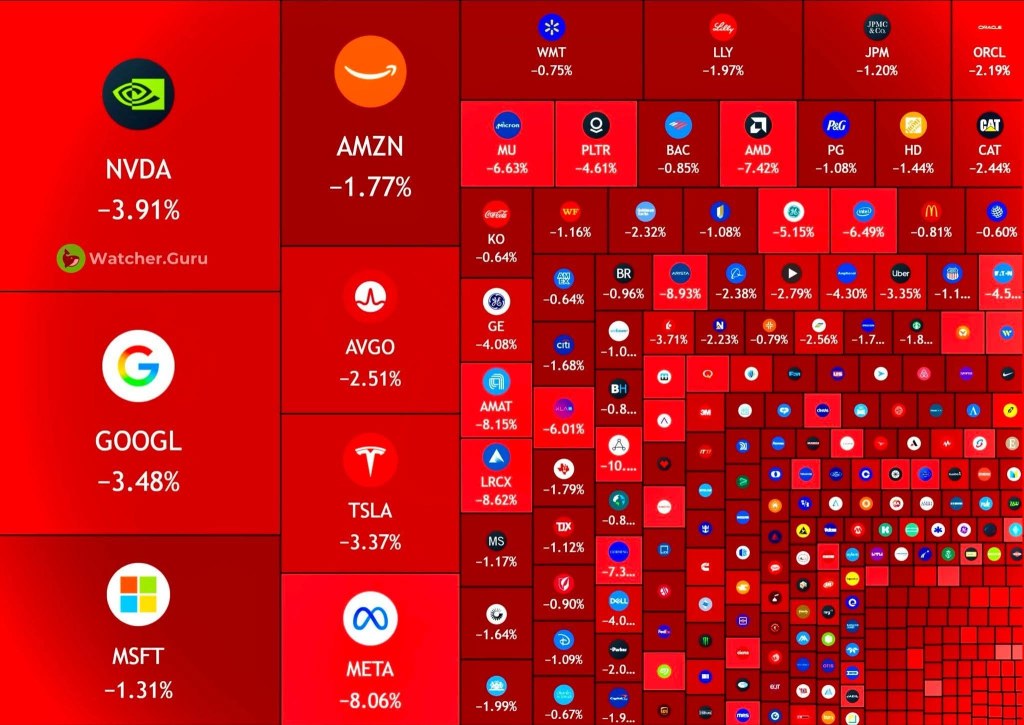
The drive to monopolise global energy, deny rivals access, and reinforce the dominance of the U.S.-led core is accelerating geopolitical realignment reshaping of global power. The war centred on Iran has entered an economic phase that now drives outcomes more decisively than battlefield engagements. The featured image is March 26, 2026, when the stock market… Continue reading
-
China as the Central Obstacle Within the Structural Logic of Confrontation
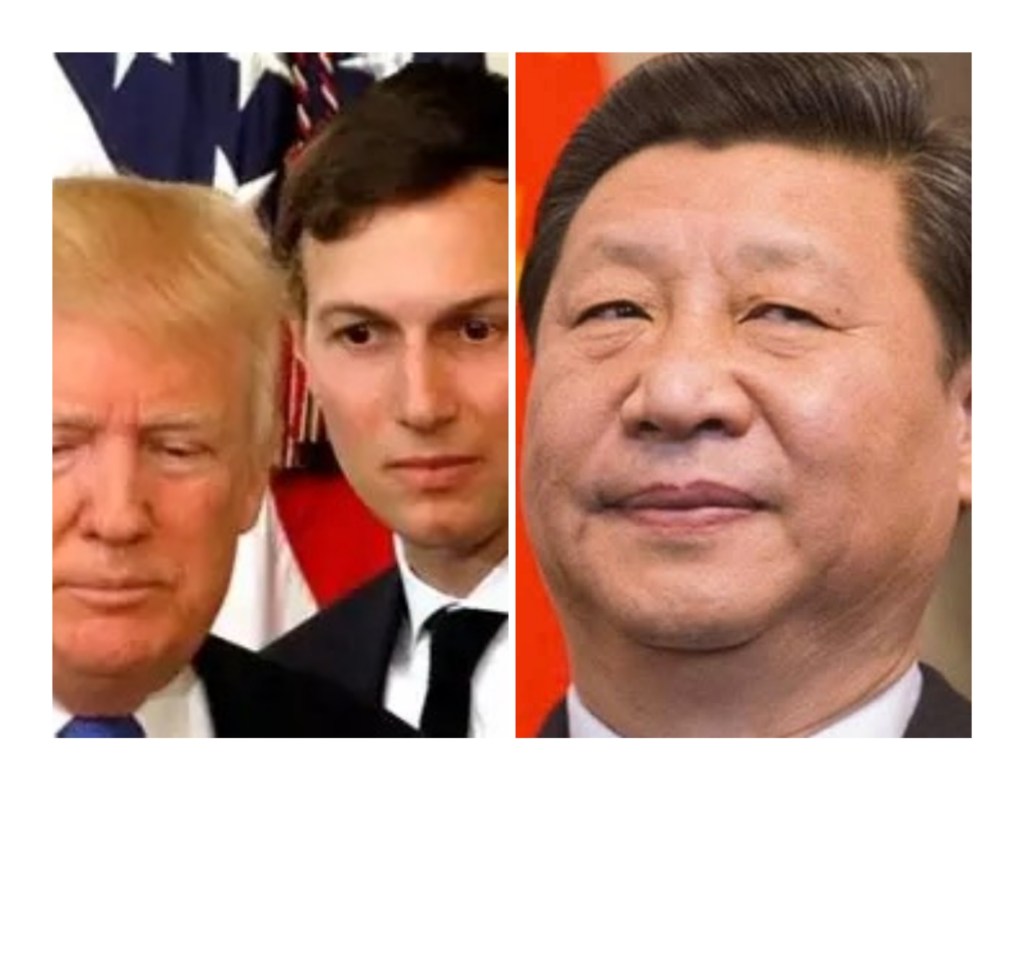
How transnational capital directs United States power to dismantle sovereign development models and preserve global economic control United States policy functions as an extension of transnational capital interests operating through state machinery. A coherent reading of recent geopolitical developments requires attention to structural power rather than electoral cycles or stated doctrine. Analysis grounded in policy… Continue reading
AI and Digital Control, America, China, economics, Energy, EUROPE, Financial markets, Foreign Policy, Geopolitics, Global Finance, iran, israel, middle east, Mineral Resources, NATO, politics, reserve currency, Russia, South East Asia, warBelt and Road Initiative, China, Digital Control, economic warfare., energy security, Eurasia, financial systems, Geoeconomics, Geopolitics, global governance, industrial sovereignty, iran, military strategy, multipolarity, policy continuity, Russia, sanctions, supply chains, transnational capital, United States
