
reserve currency
-
Iran – The Last Window of Empire to Stop Multipolarity
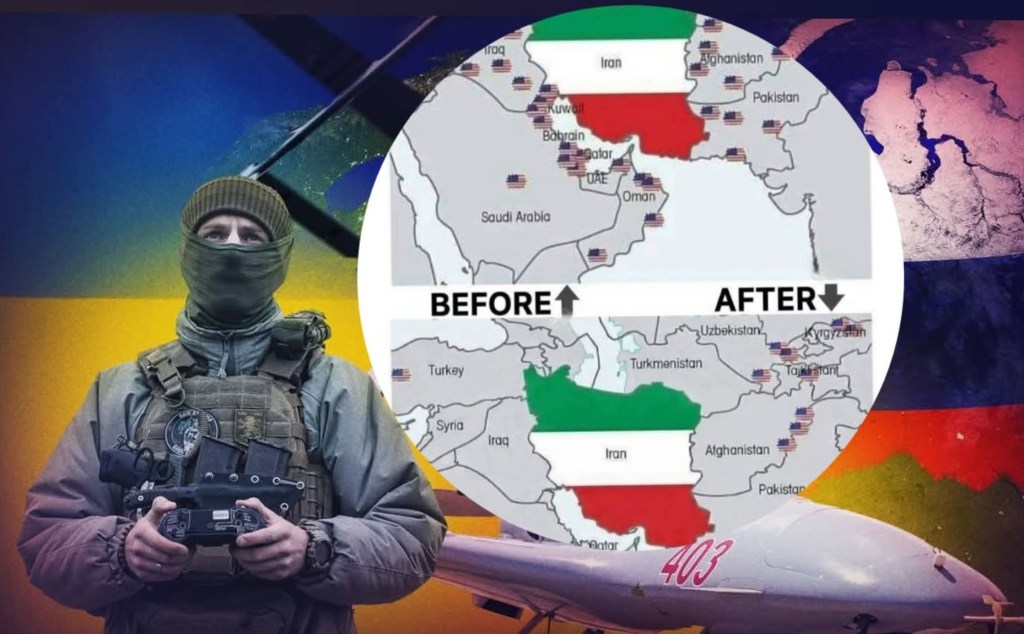
Why the War on Iran Signals a Final Attempt to Halt Multipolarity Before It Becomes Irreversible A structural rupture in the international system is already underway, and its trajectory has become effectively irreversible. The confrontation centred on Iran constitutes not a regional escalation but a terminal phase in the enforcement of a unipolar order that… Continue reading
AI and Digital Control, America, China, economics, Energy, EUROPE, Financial markets, Foreign Policy, Geopolitics, Global Finance, iran, israel, Latin America, middle east, Mineral Resources, NATO, politics, reserve currency, Russia, South East Asia, warChina Strategy, de-dollarisation, economic warfare., energy geopolitics, Game Theory, Geopolitics, global energy markets, global order, grand strategy, great power competition, hegemonic decline, imperial strategy, international relations theory, Iran conflict, Middle East geopolitics, multipolarity, petrodollar system, political economy, proxy warfare, Russia strategy, sanctions, Strategic Competition, systemic risk, unipolarity, US foreign policy -
Iran Emerges as a Global Power

How Tehran Forced a Trans-national Owned Superpower To Retreat and Reshaped the Global Economy The war ended, fingers crossed, at the point where the United States accepted conditions it had rejected for four decades, and that moment marked a structural break rather than a negotiated settlement. Washington agreed to terms that reversed its established position… Continue reading
AI and Digital Control, America, China, economics, Energy, EUROPE, Financial markets, Foreign Policy, Geopolitics, Global Finance, iran, israel, Latin America, middle east, Mineral Resources, NATO, politics, reserve currency, warcurrency diversification, economic warfare., energy markets, escalation doctrine, financial systems, Game Theory, Geopolitics, global economy, global power shift, international relations, iran, maritime control, Middle East conflict, military strategy, multipolar world, petrodollar, sanctions, Strait of Hormuz, strategic doctrine, United States foreign policy -
The Invisible Architecture of Power Behind The Global Conflicts
How Transnational Oligarchs, Class Interests, and Strategic Narratives Guide Military, Financial, and Political Decisions Shaping the Modern World A transnational concentration of economic power, largely centred in the United States, is advancing a strategy aimed at consolidating global dominance by weakening sovereign rivals such as Iran, Russia, and China, while deepening Europe’s structural dependence. The… Continue reading
-
U.S. Financial Losses Signal Market Breakdown and Risk of Economic Contraction

Energy disruption, inflation, rising debt costs, and global repricing of U.S. assets place sustained pressure across the entire economic system A sharp break in United States financial markets during the final week of March 2026 raised the risk of a broader economic contraction extending beyond equities into the core functions of the economy and its… Continue reading
AI and Digital Control, America, China, economics, Energy, EUROPE, Financial markets, Foreign Policy, Geopolitics, Global Finance, iran, israel, middle east, Mineral Resources, NATO, politics, reserve currency, Russia, warbond yields, capital flows, currency movements, economic contraction, energy crisis, federal reserve, Financial markets, geopolitical risk, global economy, inflation, interest rates, Iran conflict, labour market, layoffs, Lebanon conflict, liquidity, market volatility, Oil Prices, stagflation, stock market decline, Strait of Hormuz, systemic risk, Treasury market, US dollar, US economy -
𝗜srael 𝗦cales 𝗕ack 𝗪ar 𝗔ims in Lebanon

The IDF aims have shifted from disarmament and deep territorial control to maintaining a shallow security zone after resistance proved stronger and regional actors continued effective counter-pressure Israeli military planning has shifted from an advance toward the Litani River to a reduced objective focused on a narrow buffer zone along the Lebanese border. Government statements… Continue reading
AI and Digital Control, America, China, EUROPE, Financial markets, Foreign Policy, Geopolitics, Global Finance, iran, israel, middle east, Mineral Resources, NATO, politics, reserve currency, Russia, warattrition dynamics, attrition warfare, buffer zone strategy, hezbollah, Hezbollah resistance, Houthi missile strikes, Houthis escalation, IDF goals shift, Iran conflict 2026, Iran war miscalculation, Iranian missile response, Israel Lebanon war 2026, Israeli military objectives, Lebanon security zone, Middle East conflict, military analysis, miscalculation Hezbollah neutralization, multi‑front conflict, operational constraints, regional escalation, short war expectations, strategic failure analysis., strategic reassessment -
The Purge of the Generals: How Loyalty is Replacing Judgment in the U.S. Military

Senior US military officers are being removed as the political Epstein Class, consolidates power amid America’s most unpopular war of choice. US Secretary of War, Pete Hegseth, a religious fanatic, just fired more military generals, David Hodne and William Green Jr alongside Army Chief Of Staff Randy George. Over a dozen Generals have now been… Continue reading
-
How Lavrov’s 2025 Warning About a “Breakdown” in the World Order Is Playing Out Today

What the Russian foreign minister said at the Russian International Affairs Council in January 2025 and how recent global developments reflect his argument about rising competition, instability, and shifting power dynamics When Sergei Lavrov spoke at the Russian International Affairs Council on January 30, 2025, he laid out a stark view of global politics. He… Continue reading
-
Diplomacy on Paper, War in Practice
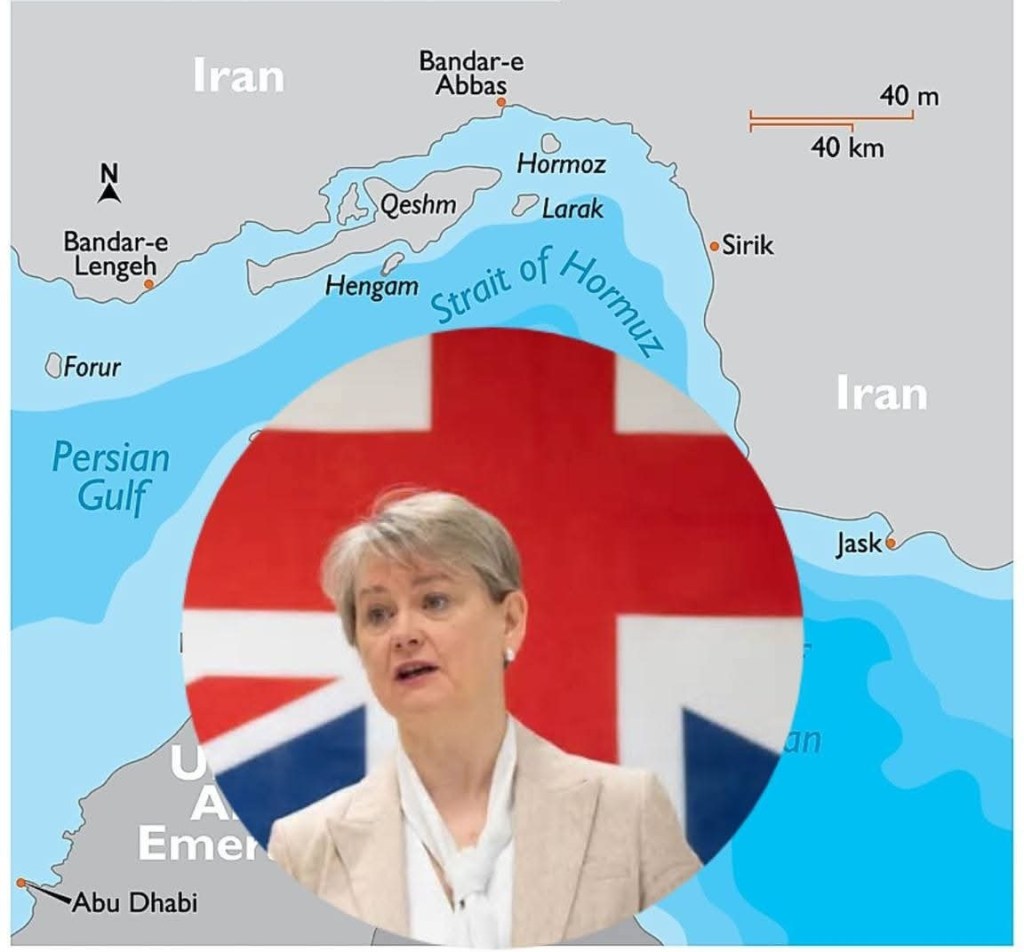
London hosts talks on Hormuz while enabling the very conflict it claims to stand apart from The decision by the United Kingdom to convene a gathering of 35 countries to “explore” reopening the Strait of Hormuz carries the appearance of urgency and coordination, yet it is difficult to avoid the conclusion that it is largely… Continue reading
-
A System That Charges Gulf States for Protection
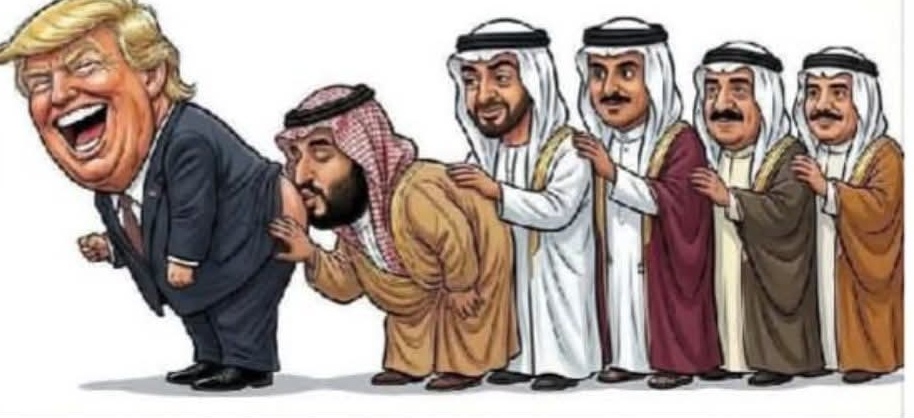
How Gulf states bankroll U.S. military presence while buying weapons and defending the petrodollar (Disclaimer: I did not create the headline cartoon image) The Gulf states are charged for the “myth” of protection. They didn’t start the Iranian war nor were they even consulted. They just woke up to the news of the double tap… Continue reading
AI and Digital Control, China, economics, Energy, EUROPE, Financial markets, Foreign Policy, Geopolitics, Global Finance, iran, israel, middle east, NATO, politics, reserve currency, wararms sales, defense spending, economic dependence, financial systems, Gulf States, imperialism, Iran conflict, Middle East geopolitics, military dependence, Mohammed bin Salman, oil markets, petrodollar, Saudi Arabia, sovereign wealth funds, Trump administration, U.S. bases, U.S. foreign policy, U.S. superpower, Washington influence -
LEGO Wars and Missiles: The Art of Beating Superpowers

An analysis of how strategic preparation, control of critical infrastructure, and narrative influence have given Iran an advantage over superior militaries The war between the United States, Israel, and Iran shows a clear outcome taking shape despite the absence of formal declaration. Iran is winning the war, not through decisive battlefield victory, but through control… Continue reading
AI and Digital Control, America, China, economics, Energy, EUROPE, Financial markets, Foreign Policy, Geopolitics, Global Finance, iran, israel, middle east, Mineral Resources, NATO, politics, reserve currency, Russia, satellites, warAbbas Araghchi, asymmetric warfare, decentralized strategy, defense strategy, diplomatic signaling, energy leverage, Geoeconomics, Gulf geopolitics, hybrid warfare, information warfare, iran, Iran Foreign Minister, military strategy, missile strategy, modern war, narrative control, propaganda, regional security, Strait of Hormuz, strategic endurance, U.S.–Israel conflict
