
Geopolitics
-
The Paper Mirage: Financial Engineering, Energy Markets, and the Coming Reckoning
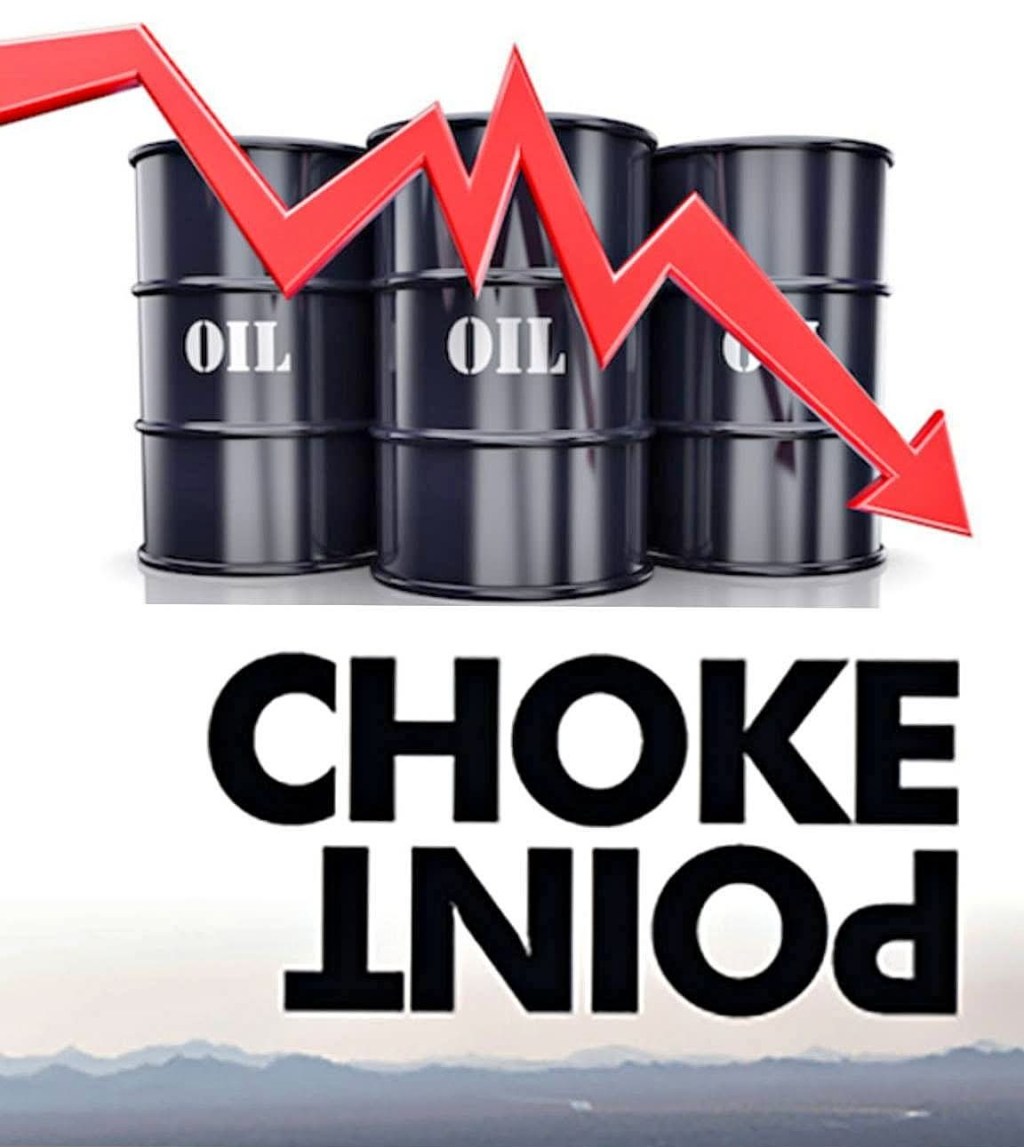
How Wall Street’s Short Positions and Margin Debt Are Masking a Supply Crisis That History Says Will Break Editorial Analysis |July 2026 The Divergence: Paper Price versus Physical Reality The paper price of oil is telling a story that bears little resemblance to conditions in the physical market. Brent crude is currently trading around ninety… Continue reading
-
Russia Tightens the Noose Around Ukraine’s Black Sea Lifeline
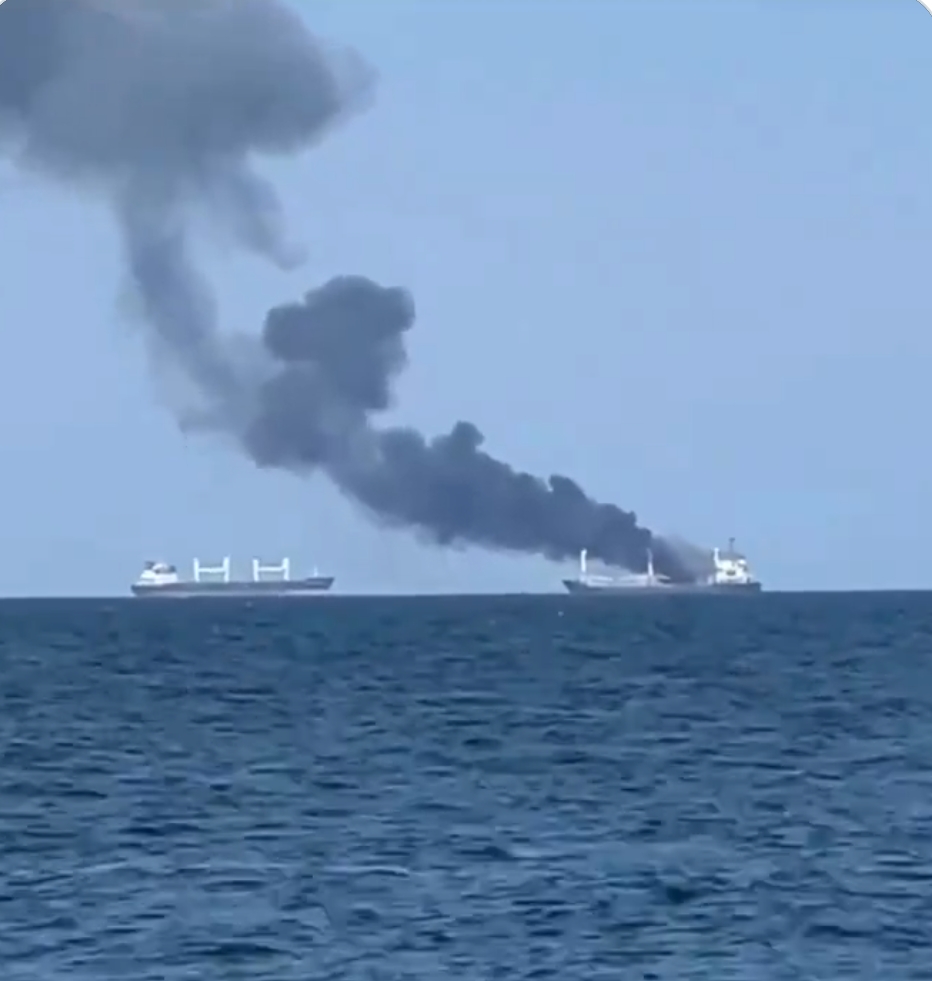
As Moscow escalates strikes on ports and maritime infrastructure, Ukraine faces mounting military, economic, and logistical pressure, prompting an emergency appeal to the UN Security Council. Ukraine has requested an emergency meeting of the UN Security Council after Russia effectively blocked its Black Sea shipping corridor. Foreign Minister Andrii Sybiha said Russian attacks on at… Continue reading
-
The 40-Day War That Wasn’t: Iran’s Strategic Resilience and the West’s Miscalculation
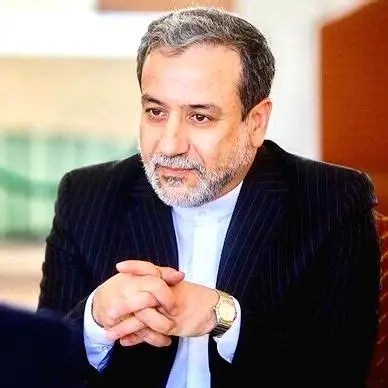
From Code 110 to the Memorandum of Understanding: How Tehran Outlasted Washington’s Hubris Report: The Araghchi Interview On July 20, 2026, Iranian Foreign Minister Abbas Araghchi provided a sweeping account of the 40-day war to filmmaker Javad Mogouei. The interview, published by Drop Site News, offers the most comprehensive Iranian perspective on the conflict to… Continue reading
-
The Middle East on the Brink
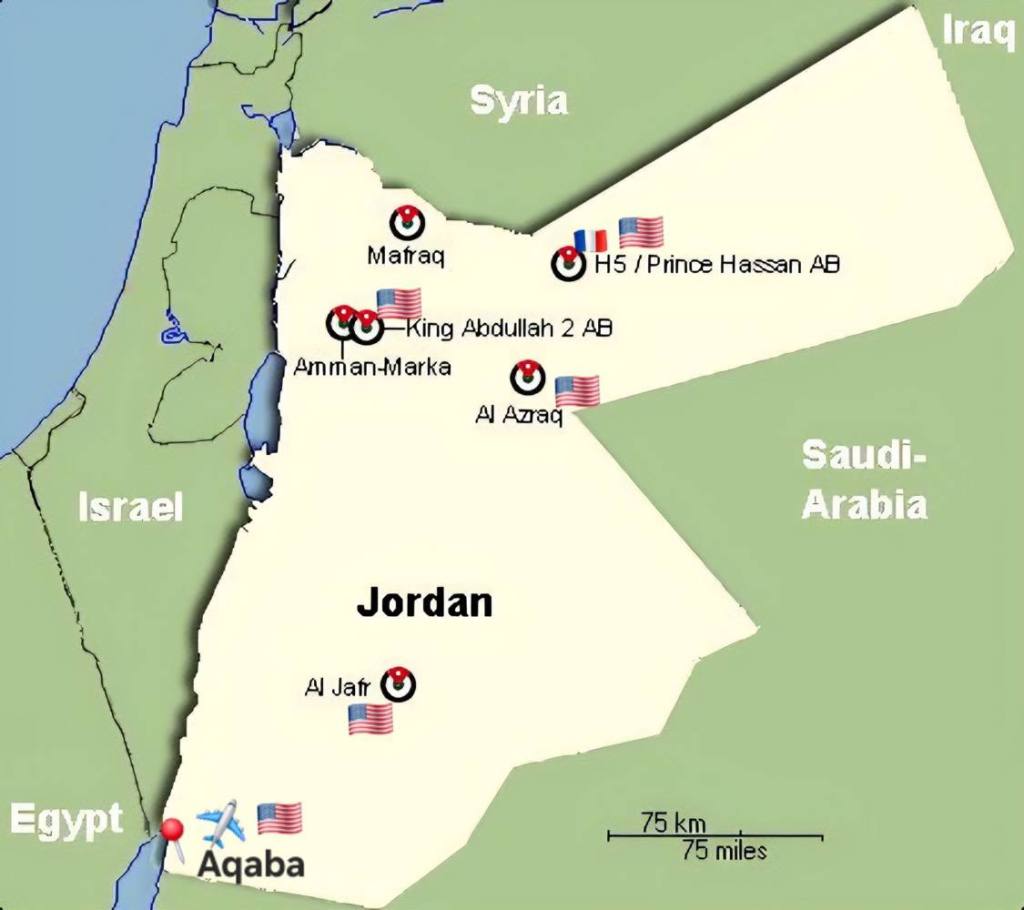
The conflict is no longer confined to a single front, with Jordan, Kuwait, and the Gulf emerging as potential flashpoints in the next stage of the crisis. The latest developments suggest the conflict may be entering a far more dangerous phase. Based on the information I have reviewed, Iran allegedly carried out one of its… Continue reading
America, China, economics, Foreign Policy, Geopolitics, imperialism, iran, israel, middle east, Mineral Resources, NATO, neocolonialism, politics, reserve currency, Russia, technology, warAbu Dhabi, ballistic missiles, breaking news, Defense, donald trump, Dubai, Fujairah, Geopolitics, global security, Gulf Region, Gulf security, HIMARS, international relations, iran, israel, Jebel Ali, Jordan, Kuwait, middle east, Middle East Crisis, military escalation, Muwaffaq Salti Air Base, national security, Regional Conflict, Tehran, U.S. military, UAE, United States, war analysis, White House -
The US has yet to fall on its own sword
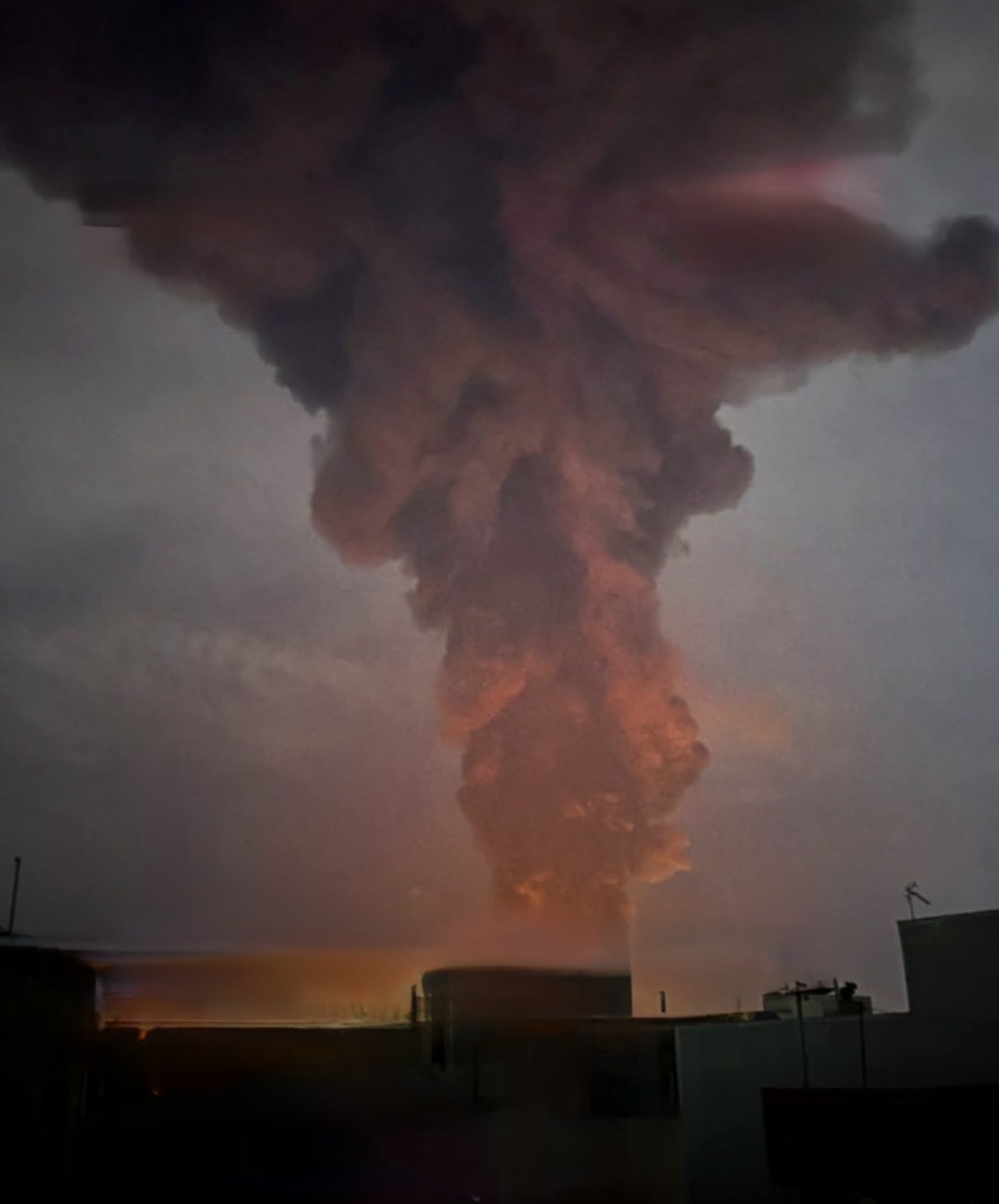
The Unending War for Primacy: US Empire Survival Strategy, Iranian Resistance, and the Struggle for a Multipolar Order Editorial Analysis | July 2026 The confrontation in the Strait of Hormuz that began on July 7, 2026, represents not an isolated incident but the latest chapter in a continuous, decades-long war that the United States has… Continue reading
-
Faltering American Strategy in the Middle East

Escalation in the Strait: Trump, Iran, and the Anatomy of a Strategic Trap The Strait of Hormuz has long been recognised as one of the world’s most consequential maritime chokepoints. Approximately 20 per cent of globally traded oil passes through its narrow waters, making its security a matter of strategic concern for every major economy.… Continue reading
-
The Fracturing of European Solidarity:

Ukrainian Refugees and the Retreat from Humanitarian Commitment The numbers alone tell a story of unprecedented displacement. As of May 2026, Eurostat recorded 4.38 million Ukrainian refugees under temporary protection across European Union member states, with Germany hosting 1.28 million, Poland 967,500, and Spain 267,700 (1). Women constitute the majority of these refugees, reflecting the… Continue reading
-
Decline on the World Stage

Strategic Solvency, Institutional Interventions, and the Structural Attrition of the Transnational System Editorial Analysis |July 2026 The Strategic Insolvency of Asymmetric Conflict The structural stability of a global superpower depends on maintaining strategic solvency, a condition where external military commitments remain balanced by domestic fiscal capacity and industrial endurance. The deployment of significant American military… Continue reading
-
America’s Terrorist Pipeline For War with China
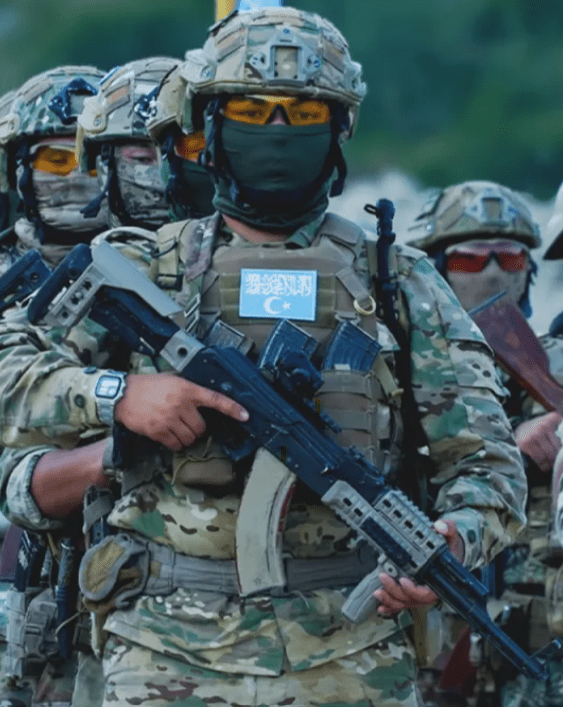
Two recent decisions to remove designated terrorist organisations from US lists sit inside a longer pattern of tactical realignment against China and Russia National Public Radio published a lengthy feature on 17 May 2026 profiling Uyghur fighters who helped topple the Assad government in Syria, describing them through interviews conducted in Idlib and Jisr al-Shughur… Continue reading
AI and Digital Control, America, China, economics, Energy, Financial markets, Foreign Policy, Geopolitics, Global Finance, imperialism, iran, israel, middle east, Mineral Resources, NATO, neocolonialism, politics, reserve currency, Russia, warAhmed al-Sharaa, Balochistan Liberation Army, China containment, China Pakistan Economic Corridor, East Turkestan Islamic Movement, Foreign Policy, Geopolitics, Hay’at Tahrir al-Sham, Information Operations, National Endowment for Democracy, proxy warfare, terrorist designation, Turkestan Islamic Party, United States foreign policy, Uyghur fighters Syria, Xinjiang -
China Defends Export Controls as Japan Criticizes Rare Earth Restrictions
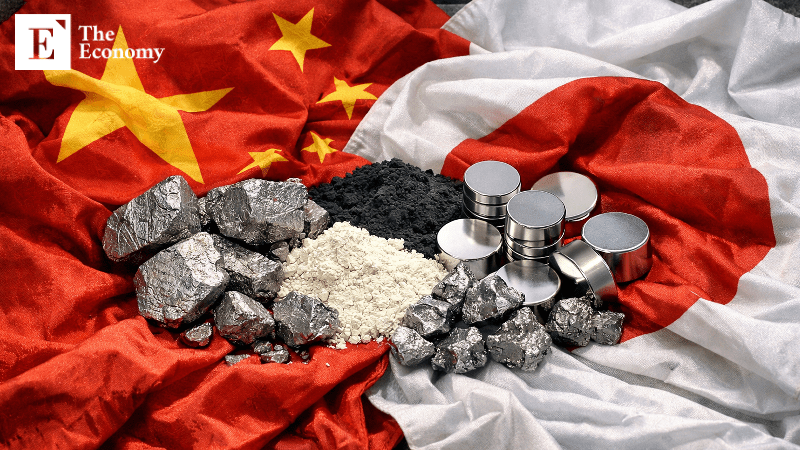
Beijing argues its measures are a restrained response to Japan’s growing military role and its position on Taiwan, while Tokyo says the restrictions are harming its economy. China has banned the export of all dual-use items to Japanese military users and for Japan’s military use. According to China’s Ministry of Foreign Affairs, the goal is… Continue reading
