
Strait of Hormuz
-
The U.S. Vows to Impose the Toughest Sanctions in History on Iran
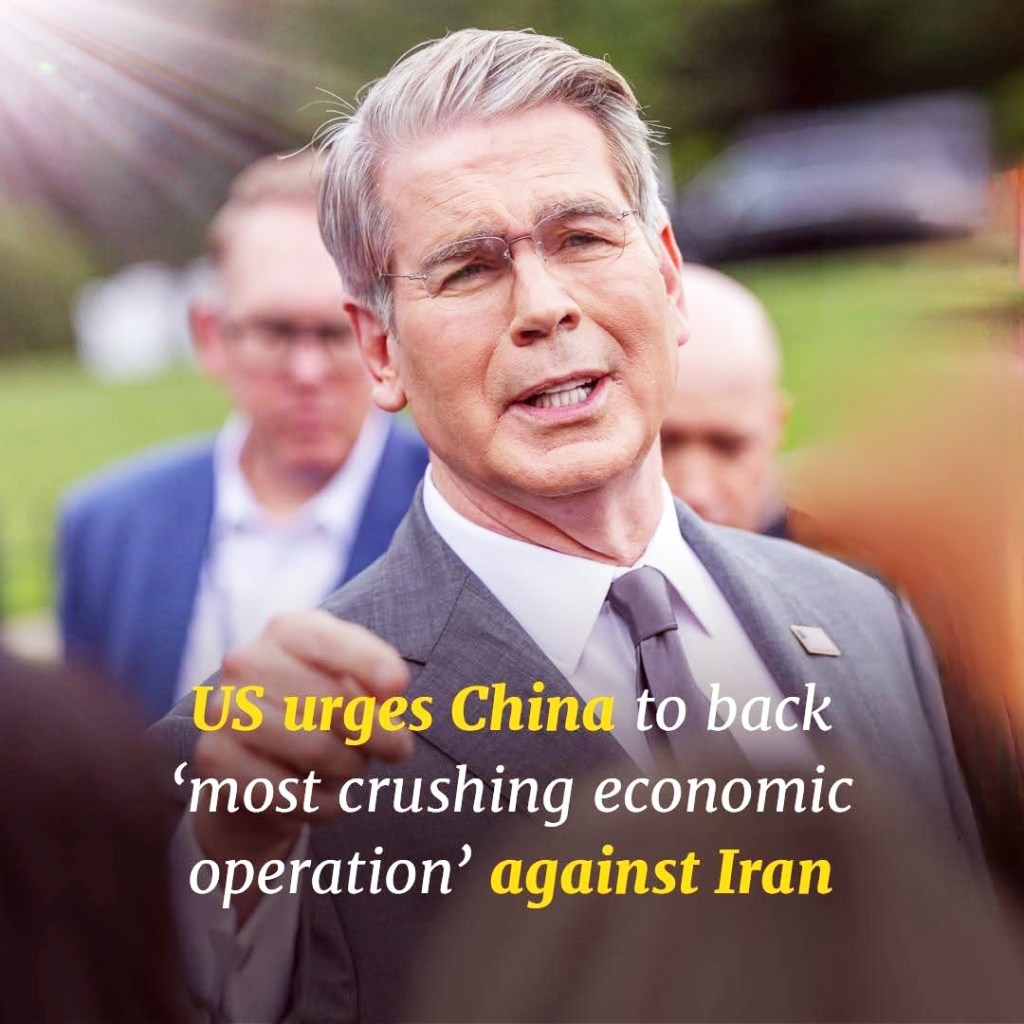
President Trump Declares ‘Economic D-Day,’ Threatening Crippling Sanctions for Dealing with Iran General Article | August 2026 Washington has launched what it describes as an economic D-Day against Iran, with United States Treasury Secretary Scott Bessent vowing to impose the toughest sanctions in history in a concerted effort to collapse the Iranian government. Speaking to… Continue reading
-
What’s Happening with US Bonds, Debt, and Oil
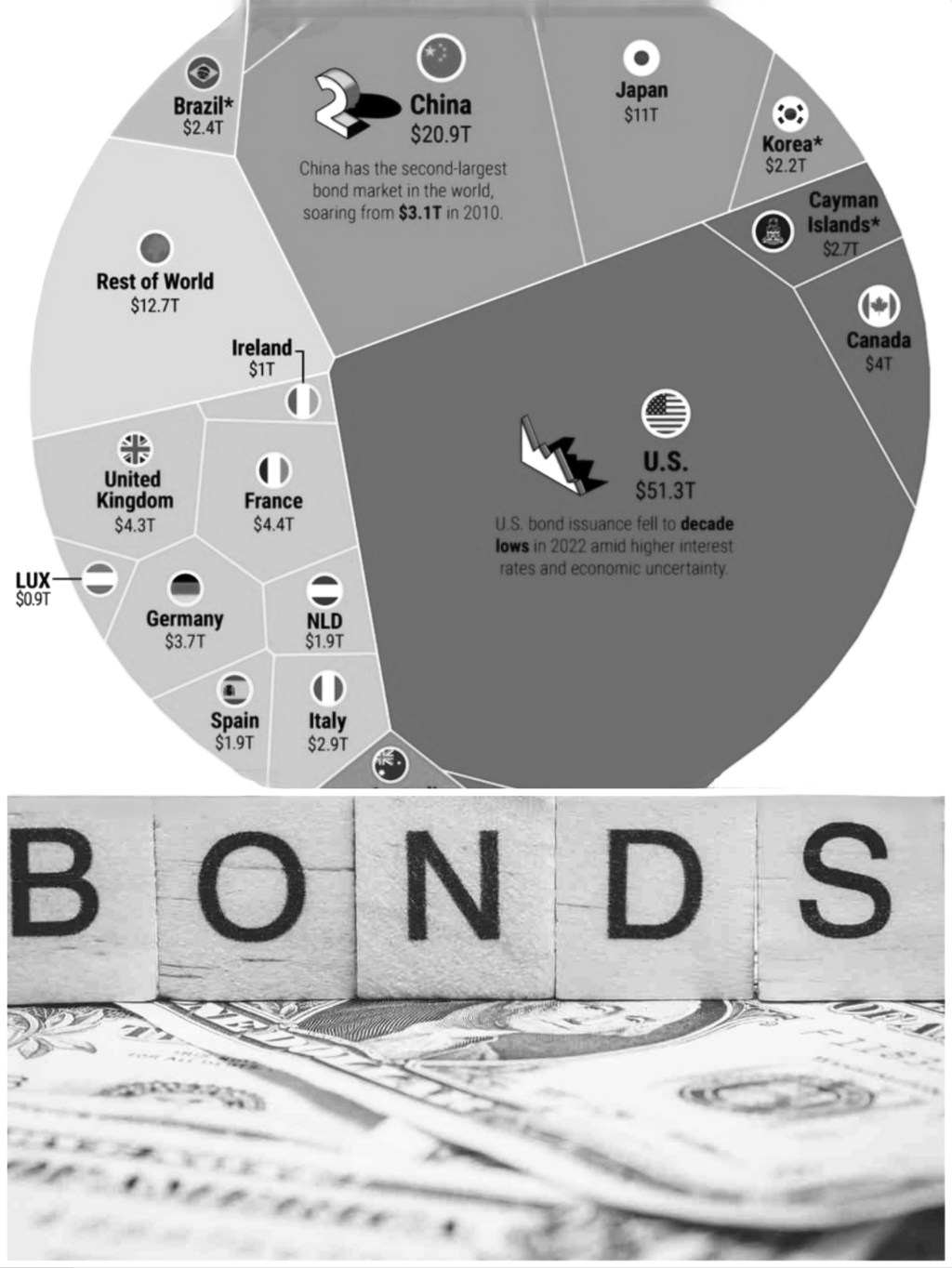
Bond Market Reversal, $40 Trillion Debt Milestone, and Geopolitical Oil Premium: A Snapshot of US Fiscal and Market Pressures On August 19-20, 2026, US long-term Treasury yields largely erased the temporary relief from a surprise Treasury Department intervention, underscoring persistent fiscal and market tensions. Treasury Secretary Scott Bessent announced that the department would at least… Continue reading
-
Nowhere To Run
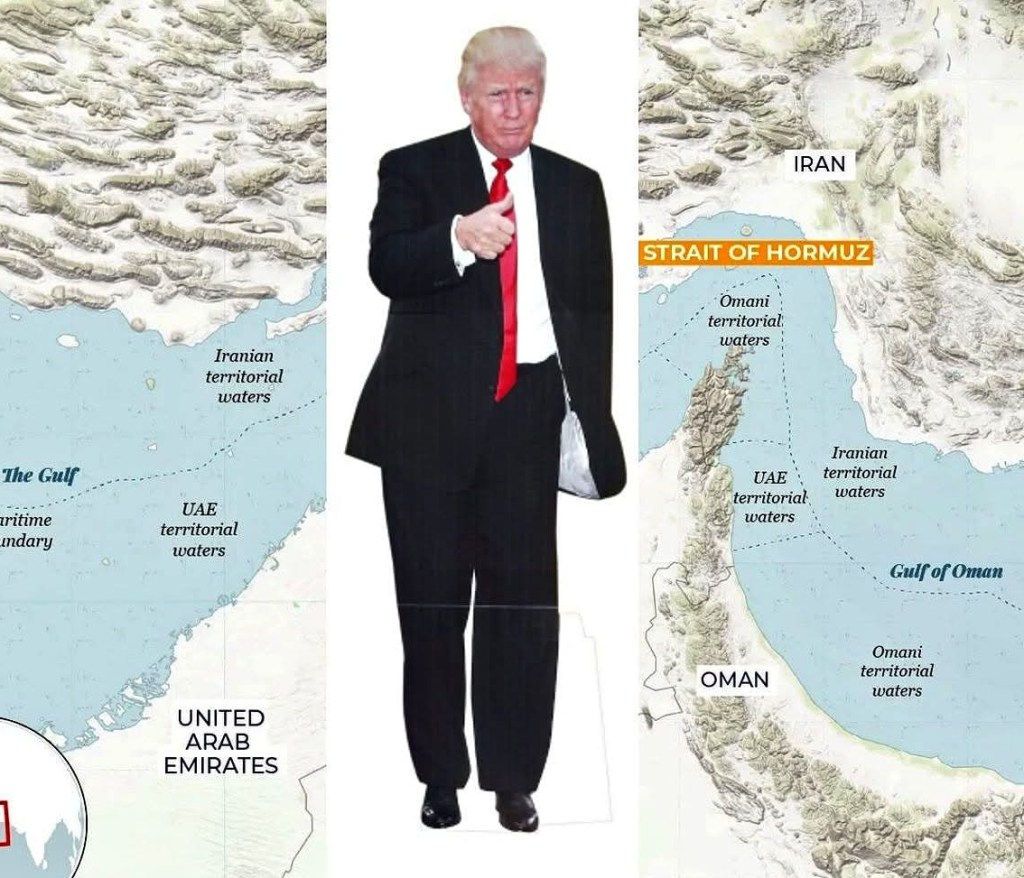
How America’s War on Iran Has Exposed the Limits of Military Power, the Fragility of Financial Hegemony, and the Terminal Decline of Western Imperialism Editorial Analysis | August 2026 The war on Iran, which American planners confidently predicted would conclude within four to six weeks, has instead become a grinding conflict that is consuming the… Continue reading
-
The Petro-less Dollar

How Washington’s War on Iran Has Undermined the Financial Foundation of American Power The interruption of crude oil trade through the Strait of Hormuz and the Red Sea has produced an outcome that Washington’s strategic planners almost certainly did not anticipate when they launched military operations against Iran in February 2026 (1). Throughout the entire… Continue reading
-
U.S. GRAND STRATEGY: Peripheral Pressure and Attrition in the Contest with Iran and Russia

How multi-vector proxy strategies, constrained munitions stocks and energy disruption shape contemporary American attempts to manage relative decline Editorial Analysis | August 2026 American military and intelligence activity directed at Iran has unfolded across several simultaneous vectors rather than through a single decisive campaign. Conventional strikes have been accompanied by continued material and political support… Continue reading
-
The Logic of Controlled Demolition
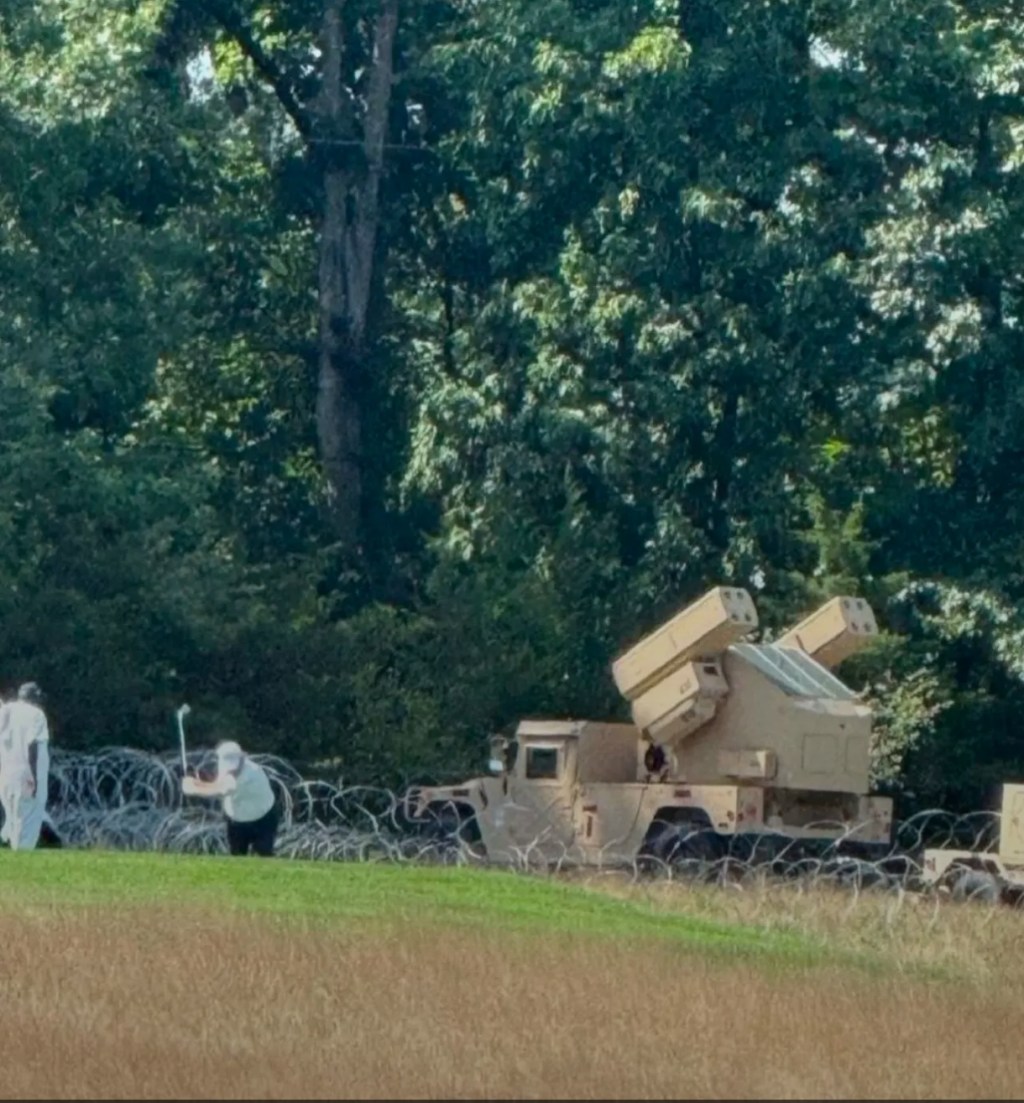
How America’s Parallel Wars in Ukraine and West Asia Reveal a Strategy of Managed Decline The public mood inside Russia has undergone a profound and measurable transformation over recent months, driven by Ukrainian drone strikes that have penetrated the country’s interior with increasing frequency and lethality. The attack on a beach in Gelendzhik on the… Continue reading
-
The Yen Crisis and the Unravelling of Dollar Hegemony
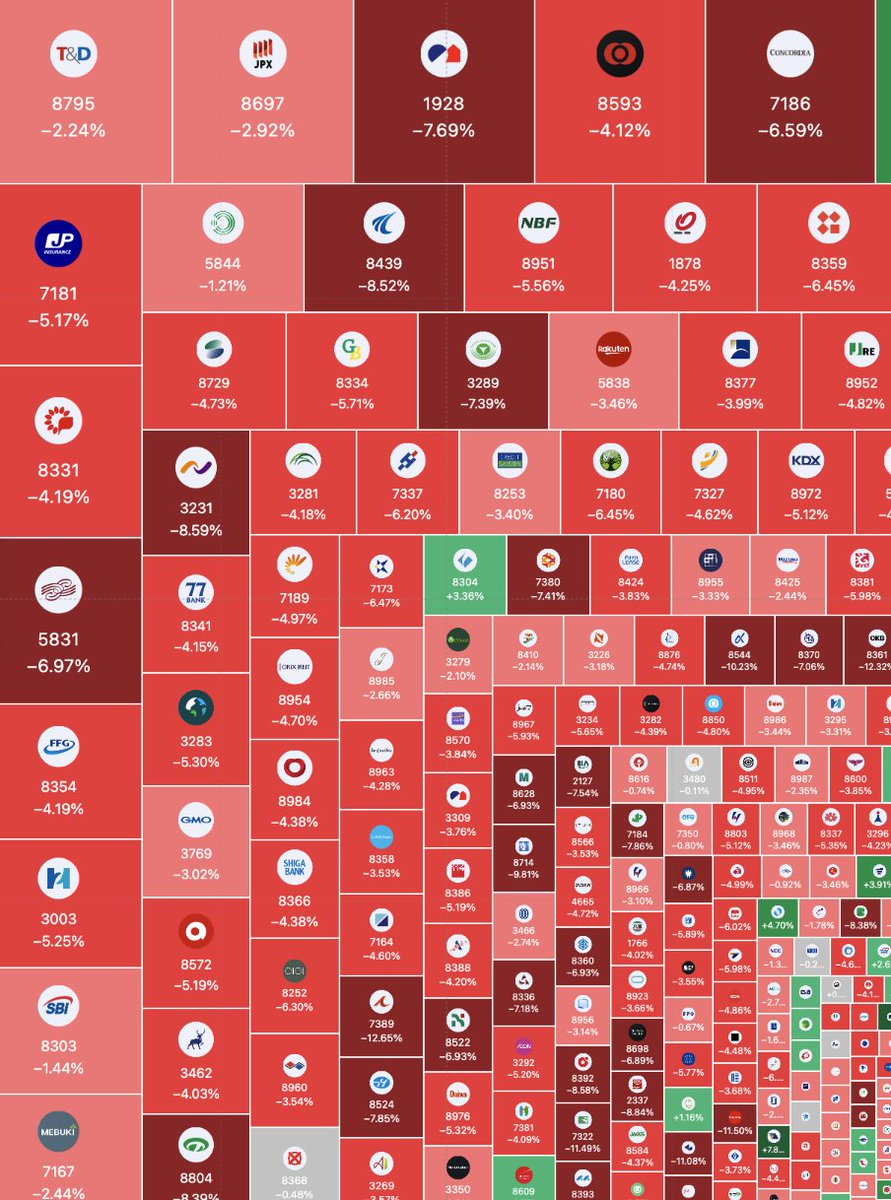
The Yen Crisis and the Unravelling of Dollar Hegemony: How America’s Energy War Is Breaking Its Own Financial System Editorial Analysis | August 2026 Japan’s currency has experienced its most dramatic decline in four decades, with the yen plunging to 163.99 per American dollar on 23 July 2026, a level not witnessed since 1986. This… Continue reading
-
Washington’s Never Ending War on Iran
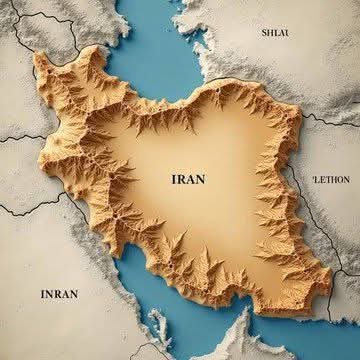
How six years of negotiation, proxy pressure and energy strategy have shaped American policy toward Tehran Every round of negotiation between Washington and Tehran since 2018 has ended the same way, with talks collapsing shortly before or during a major escalation rather than after one. Donald Trump withdrew the United States from the Joint Comprehensive… Continue reading
-
Iran Warns “Entire Region Will Pay the Price” as US Bombs Bridges
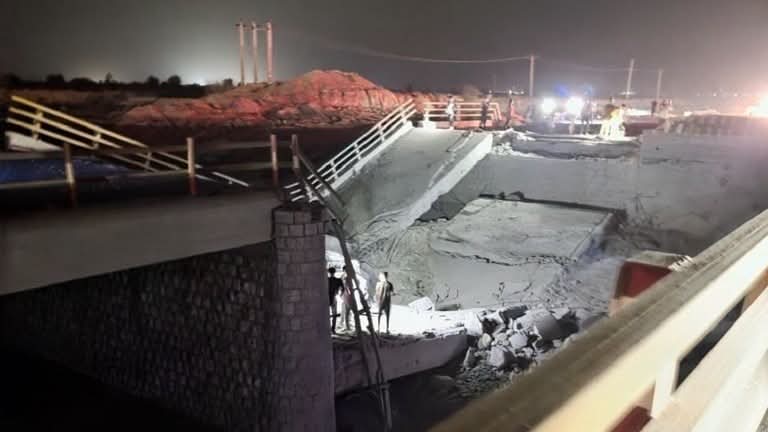
Tehran’s Response Will Leave Americans “Stunned,” Intelligence Source Says The United States carried out its sixth consecutive night of air strikes against Iran on Thursday, with Iranian officials reporting that American aircraft had hit civilian infrastructure, including several bridges, as Tehran warned that any further escalation would carry consequences for the entire region. US Central… Continue reading
Bahrain, Bandar Abbas, Bandar Khamir, Benjamin Netanyahu, civilian casualties, donald trump, Fifth Fleet, iran, Iranshahr Airport, Islamic Revolutionary Guard Corps, Middle East conflict, naval blockade, oil markets, Persian Gulf, regional escalation, RT, Strait of Hormuz, United States, US Central Command, US–Iran war -
Faltering American Strategy in the Middle East

Escalation in the Strait: Trump, Iran, and the Anatomy of a Strategic Trap The Strait of Hormuz has long been recognised as one of the world’s most consequential maritime chokepoints. Approximately 20 per cent of globally traded oil passes through its narrow waters, making its security a matter of strategic concern for every major economy.… Continue reading
