
Strait of Hormuz
-
Washington’s Widening Front Against Multipolarism
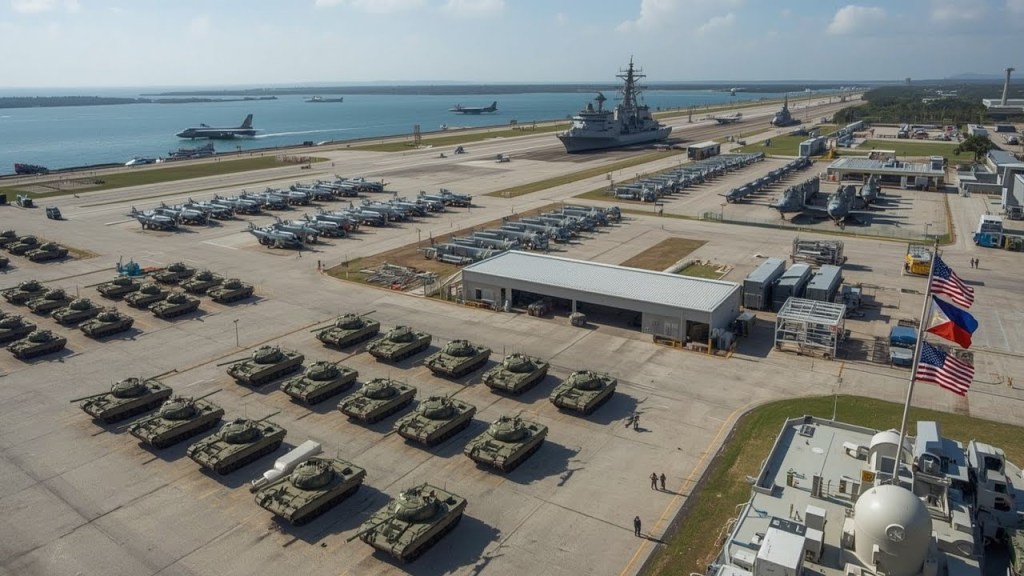
Three theatres – Iran, Ukraine, and now the Philippines – one recurring pattern of escalation dressed as restraint On 21 June 2026, American aircraft struck the Fordow, Natanz and Isfahan nuclear sites in Iran, an operation Donald Trump ordered after months of on-again, off-again negotiation. A ceasefire followed on 24 June, and on 17 June… Continue reading
-
The Memorandum of Convenience
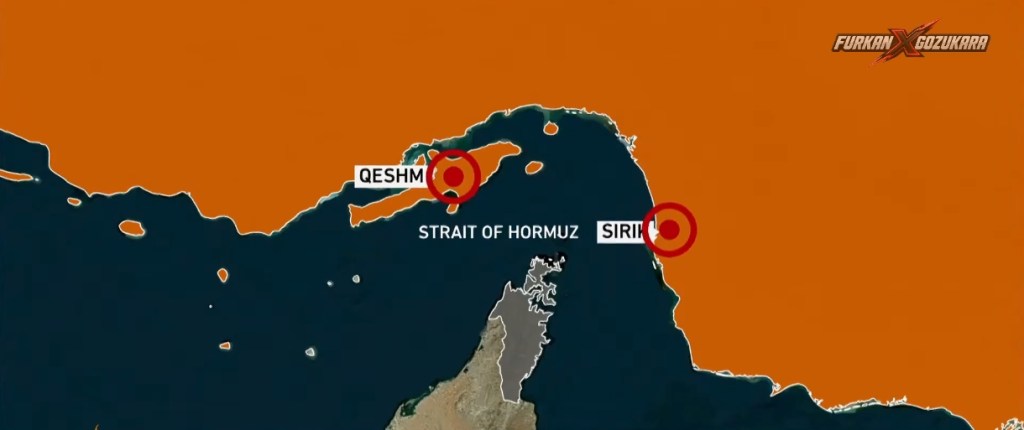
Why the US-Iran MOU Represents Another Chapter in a Longstanding Pattern of Strategic Deception The June 2026 Memorandum of Understanding between the United States and Iran has been presented to the world as a diplomatic breakthrough. According to the 14-point text, the agreement commits both parties to the immediate and permanent termination of military operations… Continue reading
AI and Digital Control, America, China, economics, Energy, EUROPE, Financial markets, Foreign Policy, Geopolitics, iran, israel, warBRICS, Brookings Institution, color revolution, energy security, Extending Russia, Geneva Convention, geopolitical competition, international law, Iran nuclear deal, Iran Sanctions, Iran War, Israel–Iran conflict, JCPOA withdrawal, LNG exports, MOU 2026, multipolarity, munitions depletion, proxy warfare, RAND Corporation, regime change, Strait of Hormuz, treaty violations, Trump administration, unipolarity, US foreign policy, US imperialism, US military inventory, US strategic deception, US–Iran relations, Which Path to Persia -
The Trap of Reconstruction: How the US-Iran Deal Subordinates Tehran to Gulf Capital
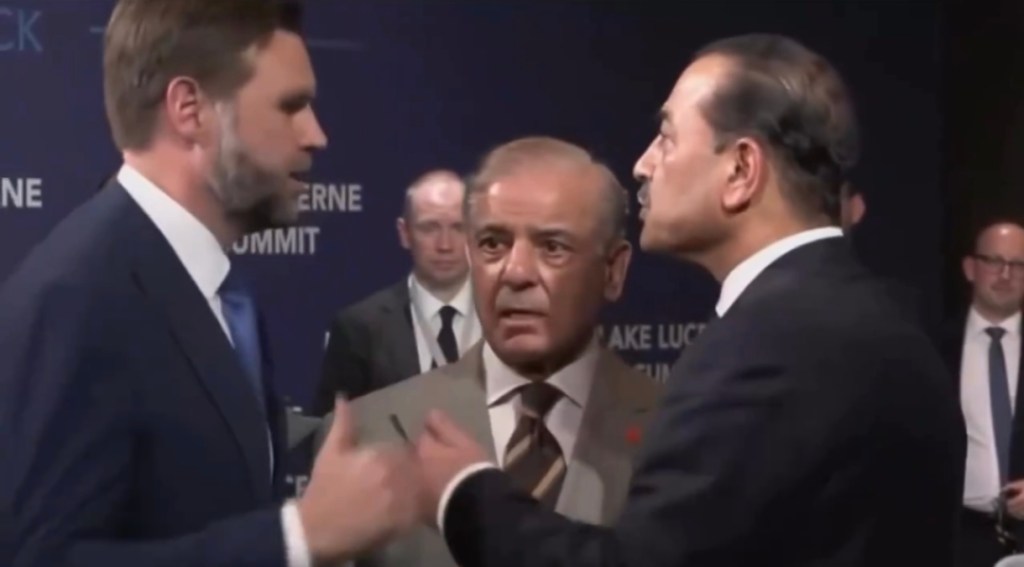
From Proxy Networks to Capital Dependency in the Post-War Middle East The signing of the Islamabad Memorandum of Understanding between the United States and the Islamic Republic of Iran on June 17, 2026, marks a decisive inflection point in the geopolitical trajectory of the Middle East, yet its true significance lies less in the cessation… Continue reading
AI and Digital Control, America, Foreign Policy, Geopolitics, imperialism, iran, israel, NATO, neocolonialism, Russia, waraxis of resistance, Belt and Road Initiative, financial imperialism, Gulf Cooperation Council, IMF structural adjustment, Iranian foreign policy, Islamabad Memorandum, JD Vance, managed multipolarity, maritime sovereignty, Middle East geopolitics, petrodollar system, reconstruction politics, regional security architecture, Strait of Hormuz, US–Iran relations -
The Extension of Empire – Israel as America’s Forward Military Arm
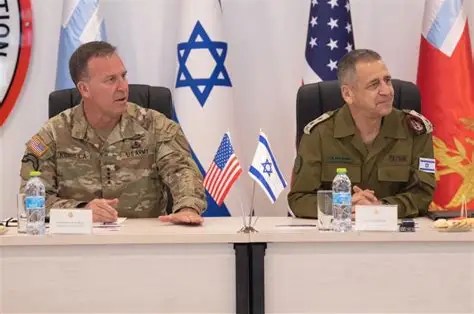
How US logistical support, intelligence sharing, and operational integration make Israeli military action inseparable from American strategic objectives Introduction: The Question of Agency Among the most persistent fictions in contemporary geopolitical commentary is the proposition that Israel acts as an independent military power, capable of initiating and sustaining major military operations without American approval or… Continue reading
AI and Digital Control, America, China, economics, Energy, EUROPE, Financial markets, Foreign Policy, Geopolitics, Global Finance, iran, israel, middle east, Mineral Resources, NATO, neocolonialism, politics, Russia, waraerial refuelling, CENTCOM coordination, energy security, global energy markets, intelligence sharing, Iran conflict, Israel defence, joint military operations, LNG exports, maritime chokepoints, Middle East geopolitics, military dependency, military industrial complex, Operation Roaring Lion, qualitative military edge, Strait of Hormuz, strategic dependence, US foreign policy, US-Israel alliance -
Is the Memorandum Built to Last, or Built to Break?
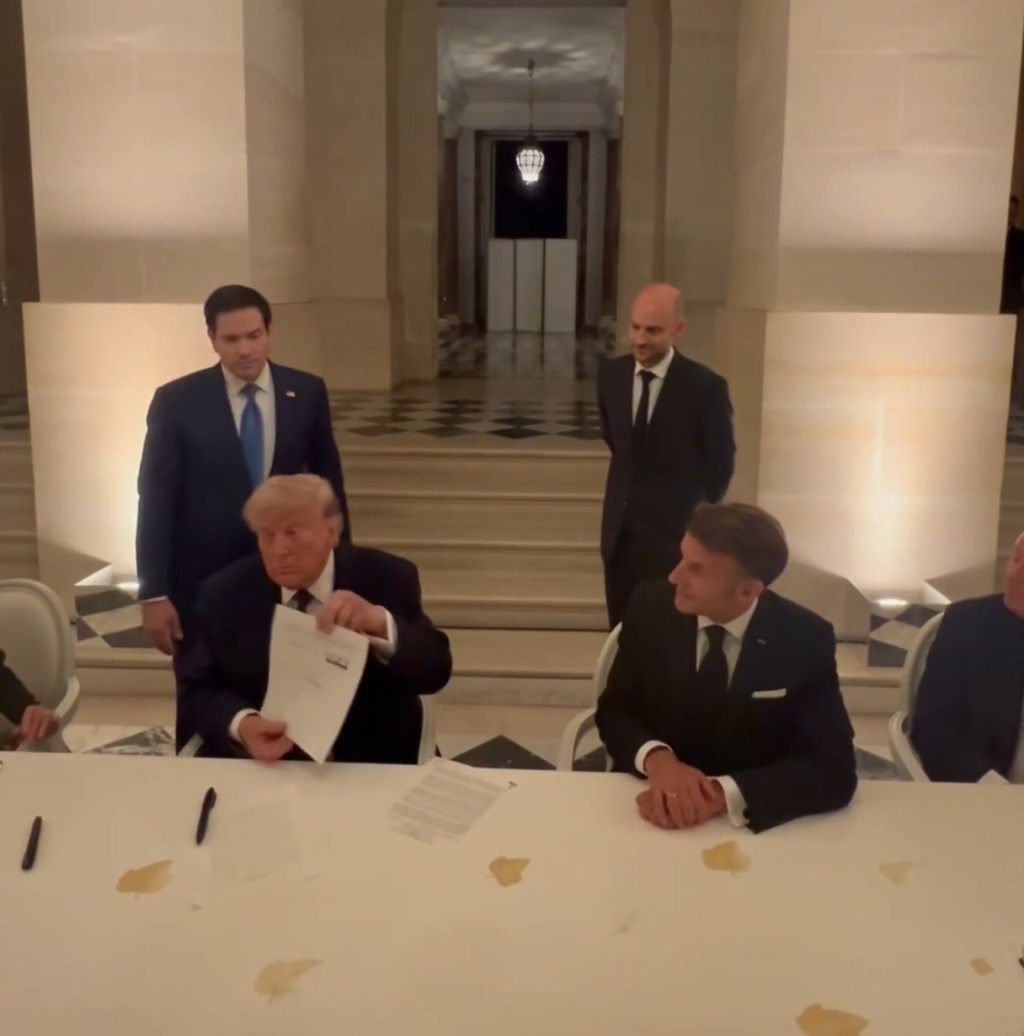
A framework for ceasefire is not a framework for peace, and the distinction has a long American record behind it Editorial Analysis | 18 June 2026 Diplomats concluded a memorandum of understanding with Iran in Geneva, the text finalised after months of Pakistani and Qatari-mediated contact between the two governments, and President Trump put his… Continue reading
-
Indonesia Unrest: From Hormuz to Malacca, the Next Front?

How Washington’s pursuit of maritime dominance, from the Persian Gulf to Southeast Asia, is reshaping the geopolitical fate of the world’s fourth most populous nation and why Jakarta’s modest gestures of independence have already attracted familiar consequences Editorial Analysis | 16 June 2026 The American and Israeli strikes on Iran, launched on 28 February 2026,… Continue reading
-
The War That Remade Iran: Strategic Gains from the 2026 Conflict
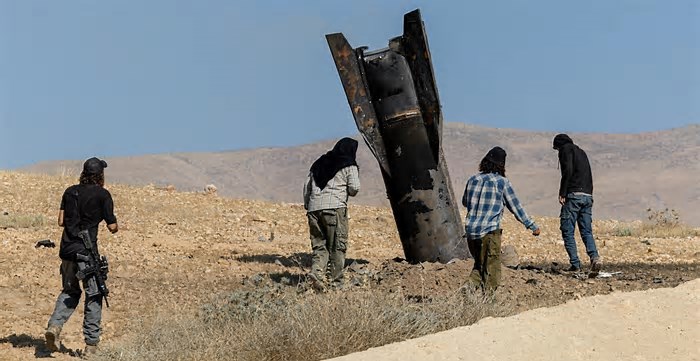
How a Battered Islamic Republic Emerged with New Power, New Leadership, and a Changed Middle East The central premise of the February 2026 American and Israeli military campaign against Iran was straightforward: sustained aerial bombardment combined with targeted killings of the Islamic Republic’s senior leadership would either fracture the state or produce conditions amenable to… Continue reading
-
The Proxy Doctrine: How Washington Wages War Through Tel Aviv While Feigning Ignorance
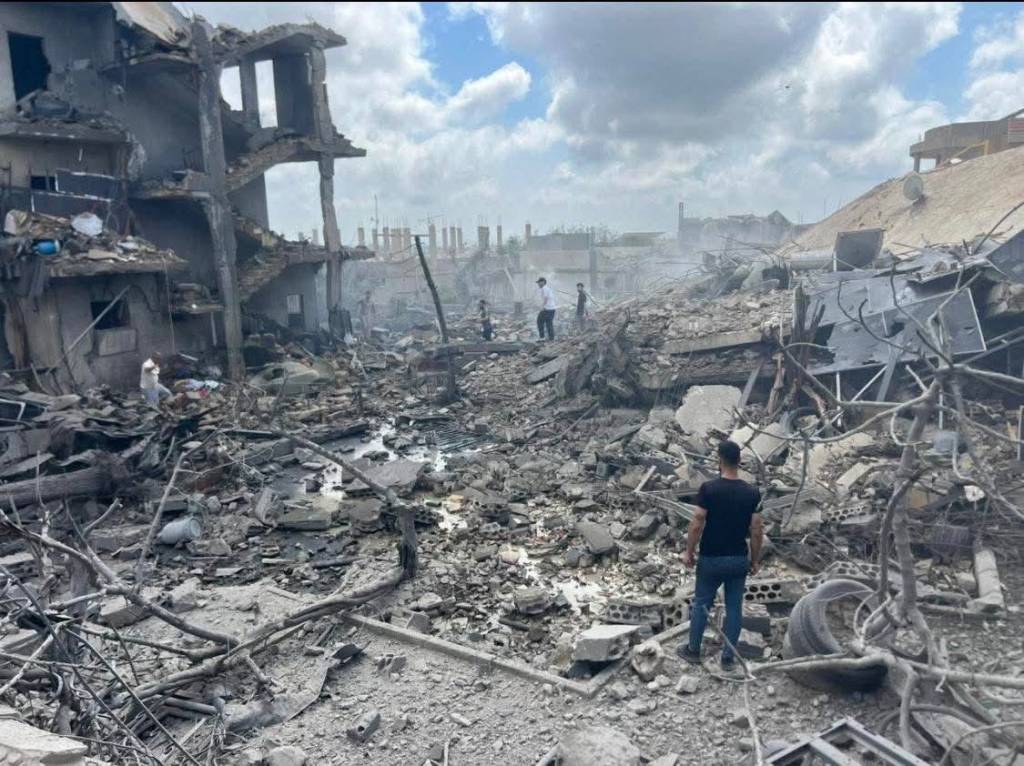
Washington’s long-prepared campaign Tehran operates through Israeli military assets, diplomatic theatre, and a calculated energy strategy designed to reshape Asia’s supply dependencies On 8 June 2026, Israeli aircraft struck Iranian military targets hours after Iran launched missiles toward Israel, and American officials promptly announced that United States forces had played no part in the operation.… Continue reading
-
The Fractured Crescent
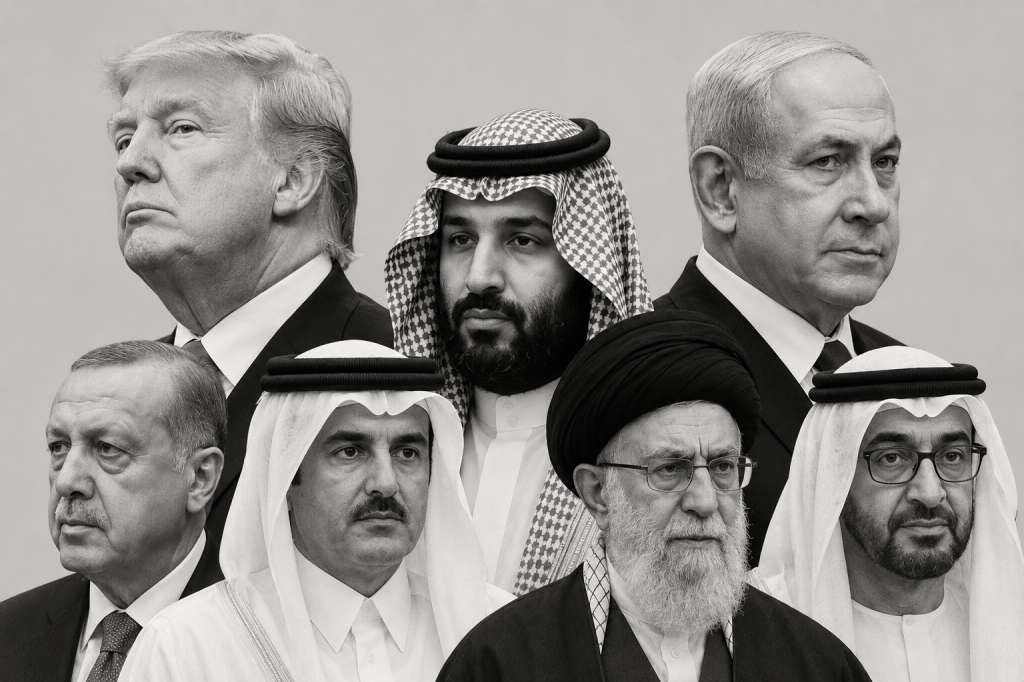
Power, Rivalry and Realignment in the Emerging Middle Eastern Order The Middle East enters another period of strategic transition as assumptions underpinning the regional order during the post-Cold War era face growing pressure from shifting power balances, changing economic realities, military confrontation, and the gradual erosion of uncontested American dominance. Public discussion frequently presents the… Continue reading
AI and Digital Control, America, China, economics, Energy, EUROPE, Financial markets, Foreign Policy, Geopolitics, Global Finance, iran, israel, Latin America, middle east, Mineral Resources, NATO, politics, reserve currency, Russia, South East Asia, warAbraham Accords, energy politics, Eurasia, Gaza War, Geopolitics, Geostrategy, great power competition, Gulf Cooperation Council, Gulf States, iran, israel, middle east, Mohammed bin Salman, Mohammed bin Zayed, multipolarity, Netanyahu, Political Rivalry, power transition, Qatar, Red Sea, regional power shift, Regional Realignment, Saudi Arabia, security architecture, Strait of Hormuz, Strategic Competition, Sudan conflict, Trump, Turkey, US foreign policy, West Asia, Yemen war -
The President Changes. The Strategy Doesn’t

American Primacy, Structural Entrenchment, and the Path to Permanent Conflict On 8 March 1992, the New York Times published a front-page report under the headline “U.S. Strategy Plan Calls for Insuring No Rivals Develop,” based on a leaked draft of the Pentagon’s Defense Planning Guidance for fiscal years 1994 to 1999. The document, drafted under… Continue reading
AI and Digital Control, America, China, economics, EUROPE, Financial markets, Foreign Policy, Geopolitics, Global Finance, iran, israel, middle east, Mineral Resources, NATO, politics, reserve currency, Russia, war$1.5 trillion defence spending, AI competition, American exceptionalism, American population, American primacy, anti-ship missiles, arms procurement, Asian energy dependency, AUKUS, Boeing, Brian Berletic, British Empire, burden sharing, China containment, Chinese education, Chomsky, CIA drone operations, controlled demolition, corporate capture, corporate extraction, defence budget, Defense Planning Guidance 1992, Dick Cheney, domestic austerity, economic nationalism, escalation, Force Design 2030, General David Berger, General Dynamics, geopolitical analysis, Georgetown CSET, Grand Bargain, great power competition, hegemonic decline, Herman, historical precedent, I. Lewis Libby, ideological indoctrination, imperial overextension, Indo-Pacific strategy, Iran war 2026, japan, LNG markets, Lockheed Martin, manufacturing consent, Marine Littoral Regiments, media distraction, Middle East energy disruption, military industrial complex, multipolar world, national debt, National Science Board, National Security Strategy 2025, New Eastern Outlook, NMESIS, no rivals develop, Northrop Grumman, One Big Beautiful Bill, One China policy, Paul Wolfowitz, perpetual conflict, petrodollar, Philippines, political theatre, post-Cold War strategy, proxy warfare, RAND Corporation, Raytheon, reindustrialisation, rent-seeking economy, reserve currency, Russian energy blockade, science and engineering indicators, semiconductors, Senate Armed Services Committee, shareholder primacy, social spending cuts, South Korea, Soviet collapse, STEM graduates, Strait of Hormuz, structural entrenchment, taiwan, tariffs, technological competition, think tank policy, Trump foreign policy, Ukraine proxy war, unipolarity, US dollar hegemony, wall street, Wolfowitz Doctrine, workforce competition, world war risk
