
sanctions
-
The Strain Between What Was and What Is Becoming
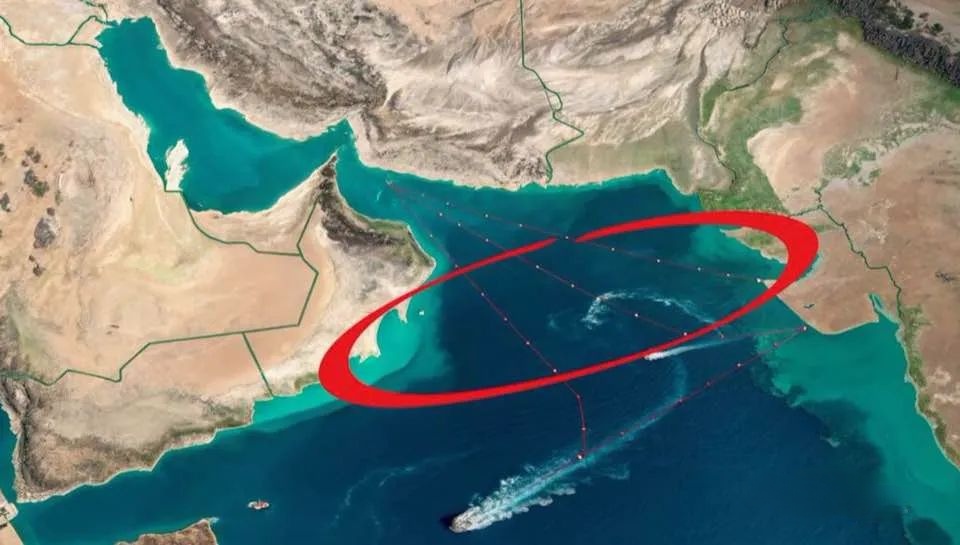
On the Fragmentation of Globalisation into Competing Systems of Power Post-1945 international economic order did not emerge as neutral design but as structured dominance disguised as institutional consensus. The International Monetary Fund, World Bank, and General Agreement on Tariffs and Trade formalised trade liberalisation and capital mobility under United States leadership, yet their deeper function… Continue reading
AI and Digital Control, America, China, economics, Energy, EUROPE, Financial markets, Foreign Policy, Geopolitics, Global Finance, iran, israel, middle east, Mineral Resources, NATO, politics, reserve currency, Russia, warasset managers, banks, CBDC, central banks, China, commodity markets, crypto, deglobalisation, digital finance, dollar system, Economic Security, energy control, financial system, fragmentation, Geopolitics, globalisation, gold flows, international order, iran, military power, monetary order, oil trade, power systems, Russia, sanctions, State power, Strategic Competition, supply chains, technocracy, trade networks -
The Strategic Mis-use of Memory in U.S.-Iran Relations
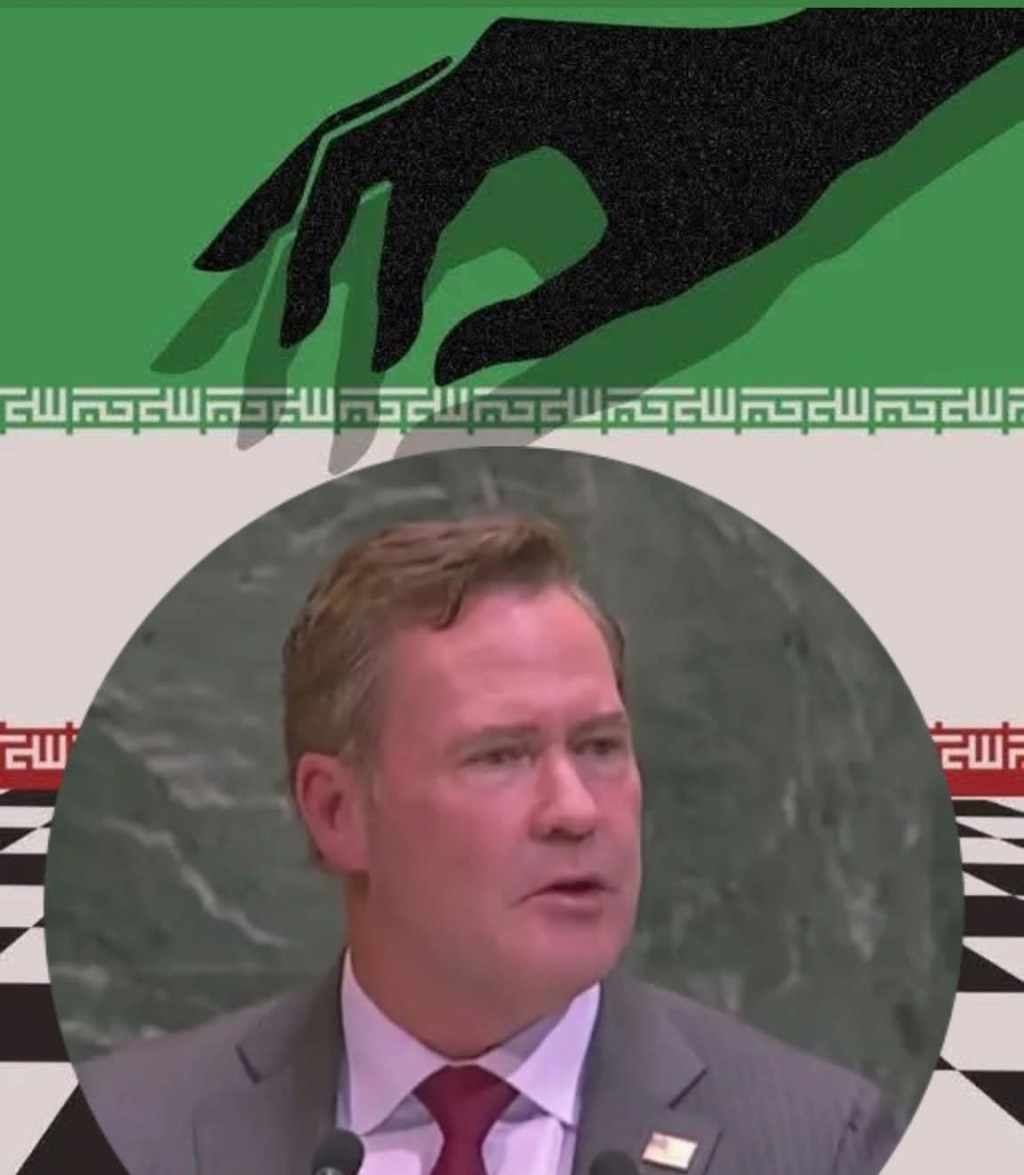
Why the persistent invocation of 1979 continues to justify sanctions, strikes, and systemic escalation The enduring American narrative surrounding the 1979 embassy seizure functions not as historical record but as strategic instrument, and its continued deployment marks a structural refusal to acknowledge the limits of American power in the post-imperial Middle East. That refusal has… Continue reading
AI and Digital Control, America, economics, EUROPE, Financial markets, Foreign Policy, Geopolitics, Global Finance, iran, israel, middle east, Mineral Resources, NATO, politics, reserve currency, Russia, war1953 Iranian coup d’état, Algiers Accords, energy security, Foreign Policy, Geopolitics, international law, iran, Iran Air Flight 655, Iran hostage crisis, Iran–Iraq War, Iranian Revolution, Joint Comprehensive Plan of Action, Middle East conflict, multipolar world, regime change, sanctions, Strait of Hormuz, United States, US–Iran relations -
A War on Iran, A Strategy Against China
United States policy toward Iran reflects a broader strategy of energy control aimed at constraining China and maintaining systemic primacy The escalation of United States military and economic pressure against Iran must be understood within a broader strategic framework in which energy flows, maritime chokepoints, and financial systems intersect with long-term competition between major powers,… Continue reading
AI and Digital Control, America, China, economics, Energy, EUROPE, Financial markets, Foreign Policy, Geopolitics, Global Finance, iran, israel, middle east, Mineral Resources, NATO, politics, reserve currency, Russia, warBelt and Road Initiative, China containment, CPEC, de-dollarisation, economic warfare., energy geopolitics, energy security, financial systems, Geopolitics, global energy markets, global trade networks, great power rivalry, Iran conflict, maritime chokepoints, military strategy, multipolar world order, naval power, political economy, reserve currency, Russia-China relations, sanctions, Strait of Hormuz, Strategic Competition, supply chains, US foreign policy, US primacy -
Iran – The Last Window of Empire to Stop Multipolarity
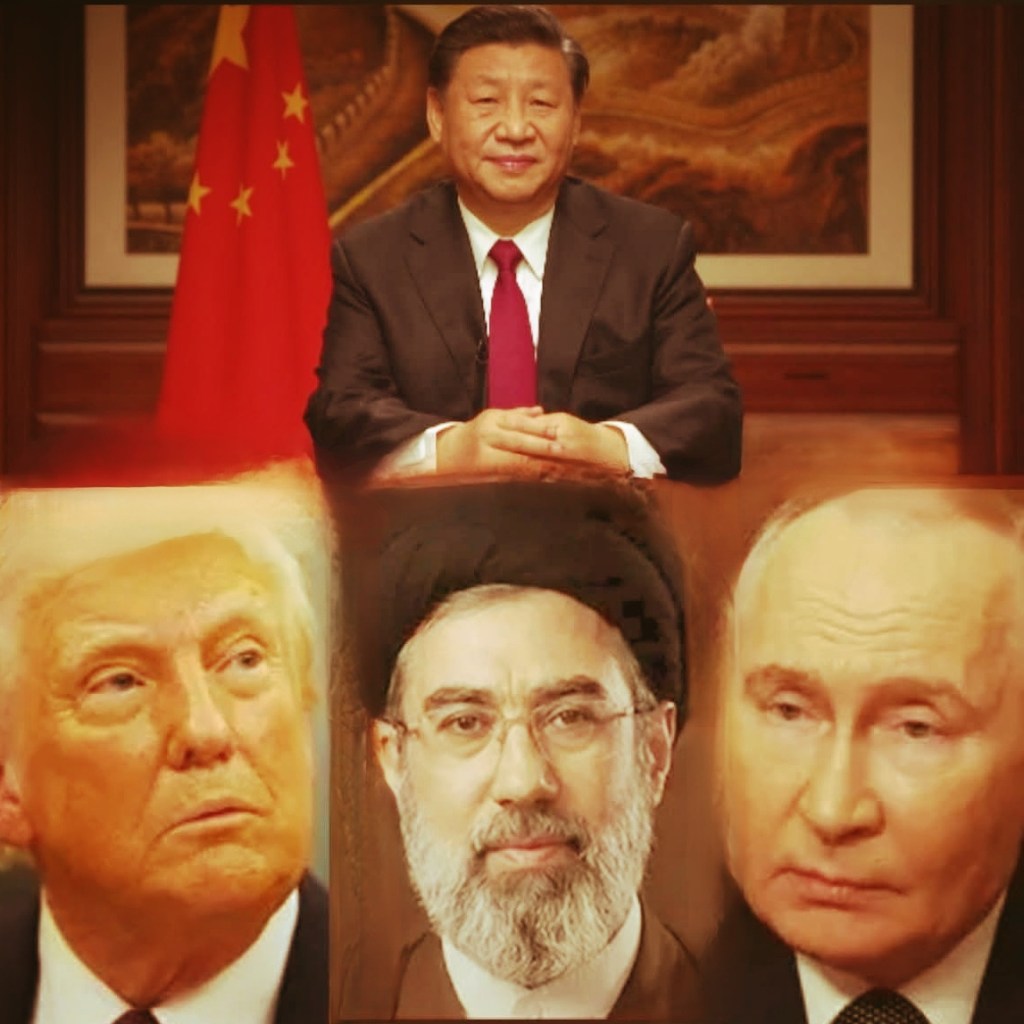
Why the War on Iran Signals a Final Attempt to Halt Multipolarity Before It Becomes Irreversible A structural rupture in the international system is already underway, and its trajectory has become effectively irreversible. The confrontation centred on Iran constitutes not a regional escalation but a terminal phase in the enforcement of a unipolar order that… Continue reading
AI and Digital Control, America, China, economics, Energy, EUROPE, Financial markets, Foreign Policy, Geopolitics, Global Finance, iran, israel, Latin America, middle east, Mineral Resources, NATO, politics, reserve currency, Russia, South East Asia, warChina Strategy, de-dollarisation, economic warfare., energy geopolitics, Game Theory, Geopolitics, global energy markets, global order, grand strategy, great power competition, hegemonic decline, imperial strategy, international relations theory, Iran conflict, Middle East geopolitics, multipolarity, petrodollar system, political economy, proxy warfare, Russia strategy, sanctions, Strategic Competition, systemic risk, unipolarity, US foreign policy -
Iran Emerges as a Global Power

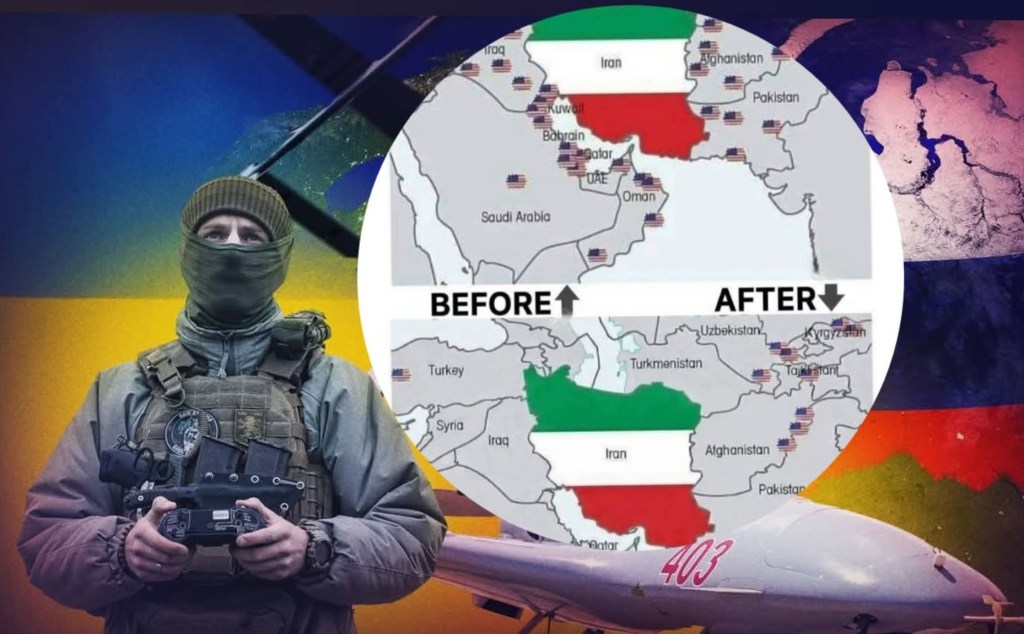
How Tehran Forced a Trans-national Owned Superpower To Retreat and Reshaped the Global Economy The war ended, fingers crossed, at the point where the United States accepted conditions it had rejected for four decades, and that moment marked a structural break rather than a negotiated settlement. Washington agreed to terms that reversed its established position… Continue reading
AI and Digital Control, America, China, economics, Energy, EUROPE, Financial markets, Foreign Policy, Geopolitics, Global Finance, iran, israel, Latin America, middle east, Mineral Resources, NATO, politics, reserve currency, warcurrency diversification, economic warfare., energy markets, escalation doctrine, financial systems, Game Theory, Geopolitics, global economy, global power shift, international relations, iran, maritime control, Middle East conflict, military strategy, multipolar world, petrodollar, sanctions, Strait of Hormuz, strategic doctrine, United States foreign policy -
Ban on Chinese Scientists Scrapped at NeurIPS After Backlash

Sanctions frameworks and conference gatekeeping operate as political tools in shaping scientific access, funding, and global AI competition Reversal of a ban on Chinese researchers by United States-based organizers of NeurIPS has exposed the degree to which geopolitical competition now shapes access to core scientific infrastructure in artificial intelligence, a field central to economic and… Continue reading
AI and Digital Control, America, China, economics, Energy, EUROPE, Financial markets, Foreign Policy, Geopolitics, Global Finance, iran, israel, NATO, politics, reserve currency, Russia, waracademic freedom, AI, AI competition, AI supremacy, artificial intelligence, China, Chinese scientists, compliance, conference governance, COVID-19, Geopolitics, global research, Huawei, ICLR, ICML, innovation, institutional control, knowledge economy, legal frameworks, machine learning, NeurIPS, peer review, research bans, research funding, sanctions, science policy, scientific publishing, technology policy, United States, US-China relations -
Gulf States Draw Line on War with Iran

Gulf governments resist integration while exploring alternative security architecture Gulf states are declining participation in any military structure that places them alongside Israel or under a unified command that includes Israeli forces. Abdulaziz Sager, founder of the Gulf Research Center, attributes this position to both political constraints and strategic calculation across the region. Several governments… Continue reading
-
The Strait of Hormuz Is Open by Permission
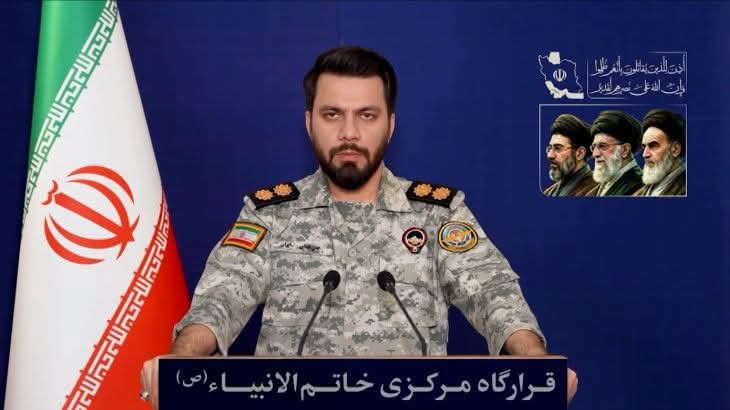
Iran imposes controlled transit after sustained aggression, converting open passage into a regulated system of access, payment, and geopolitical alignment A functioning maritime corridor has been converted into a controlled economic gate without formal closure, altering both the legal character and financial mechanics of the most critical energy chokepoint in the global system. Shipping through… Continue reading
-
The Iran War and the Fragmentation of the Global Energy and Petrodollar Order
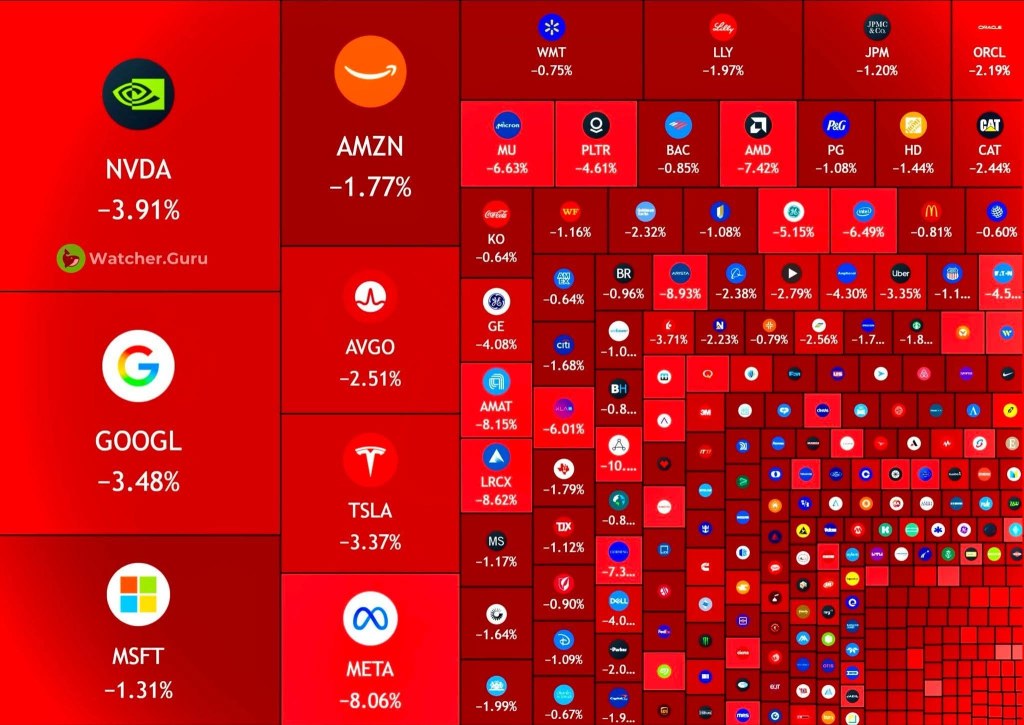
The drive to monopolise global energy, deny rivals access, and reinforce the dominance of the U.S.-led core is accelerating geopolitical realignment reshaping of global power. The war centred on Iran has entered an economic phase that now drives outcomes more decisively than battlefield engagements. The featured image is March 26, 2026, when the stock market… Continue reading
-
China as the Central Obstacle Within the Structural Logic of Confrontation
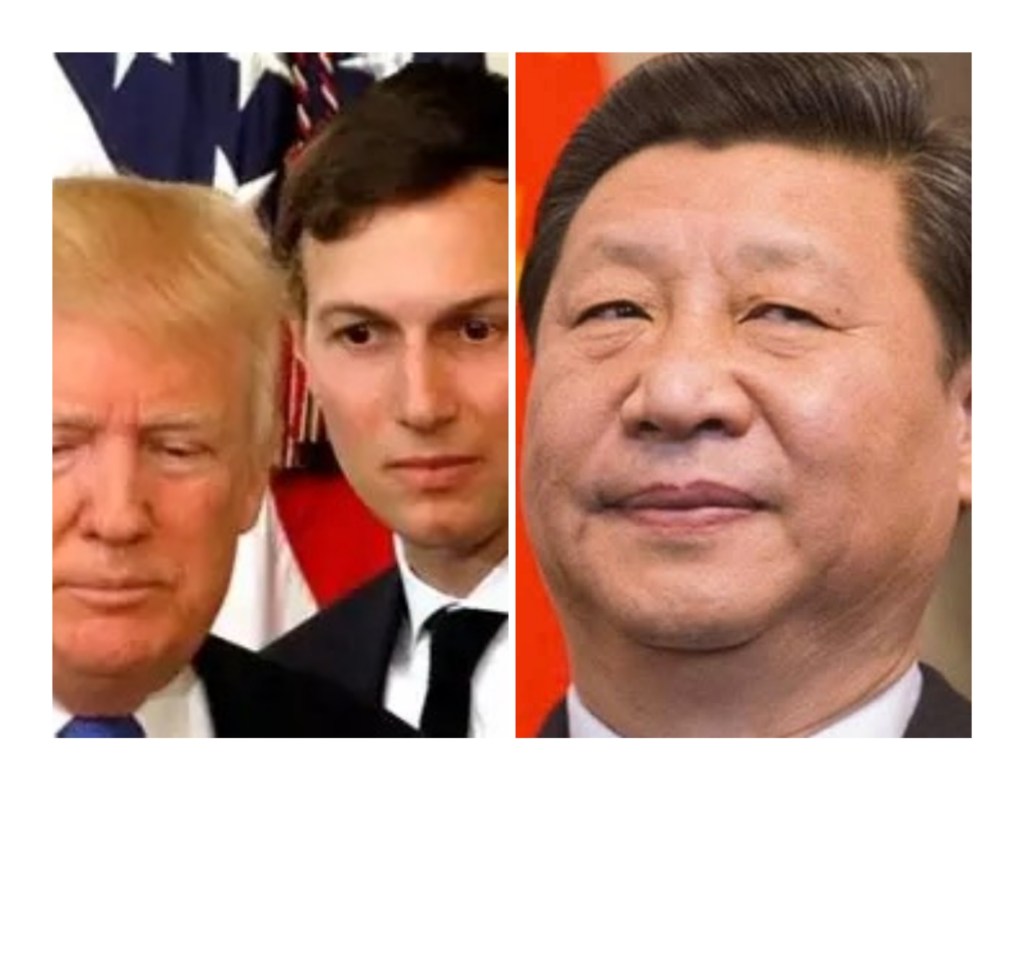
How transnational capital directs United States power to dismantle sovereign development models and preserve global economic control United States policy functions as an extension of transnational capital interests operating through state machinery. A coherent reading of recent geopolitical developments requires attention to structural power rather than electoral cycles or stated doctrine. Analysis grounded in policy… Continue reading
AI and Digital Control, America, China, economics, Energy, EUROPE, Financial markets, Foreign Policy, Geopolitics, Global Finance, iran, israel, middle east, Mineral Resources, NATO, politics, reserve currency, Russia, South East Asia, warBelt and Road Initiative, China, Digital Control, economic warfare., energy security, Eurasia, financial systems, Geoeconomics, Geopolitics, global governance, industrial sovereignty, iran, military strategy, multipolarity, policy continuity, Russia, sanctions, supply chains, transnational capital, United States
