
Russia
-
The Strain Between What Was and What Is Becoming
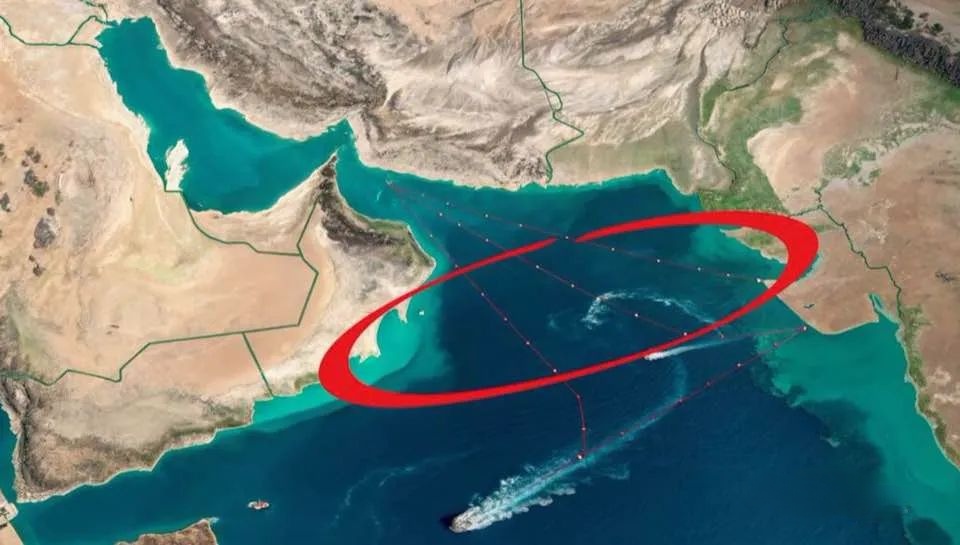
On the Fragmentation of Globalisation into Competing Systems of Power Post-1945 international economic order did not emerge as neutral design but as structured dominance disguised as institutional consensus. The International Monetary Fund, World Bank, and General Agreement on Tariffs and Trade formalised trade liberalisation and capital mobility under United States leadership, yet their deeper function… Continue reading
AI and Digital Control, America, China, economics, Energy, EUROPE, Financial markets, Foreign Policy, Geopolitics, Global Finance, iran, israel, middle east, Mineral Resources, NATO, politics, reserve currency, Russia, warasset managers, banks, CBDC, central banks, China, commodity markets, crypto, deglobalisation, digital finance, dollar system, Economic Security, energy control, financial system, fragmentation, Geopolitics, globalisation, gold flows, international order, iran, military power, monetary order, oil trade, power systems, Russia, sanctions, State power, Strategic Competition, supply chains, technocracy, trade networks -
On the Preservation of Power in Troubled Times

Revealing the Means by Which Energy, Finance, and Force Uphold the Global Dominance of Nations What many take to be a scattering of troubles across the globe, wars here, trade unsettled there, and a lingering unease in distant regions, cannot be rightly understood as separate misfortunes. They are threads, though tangled to the casual eye,… Continue reading
AI and Digital Control, America, China, economics, Energy, EUROPE, Financial markets, Foreign Policy, Geopolitics, Global Finance, iran, israel, middle east, Mineral Resources, NATO, politics, reserve currency, Russia, South East Asia, warBRICS, capital accumulation, China, class relations, economic hegemony, energy geopolitics, energy markets, energy security, financial systems, geopolitical strategy, global governance, global political economy, global trade, industrial economics, infrastructure disruption, maritime power, Marxist analysis, multipolarity, petro-dollar system, resource control, Russia, sanctions regimes, trade routes, transnational class, United States -
How Russia Is Shaping the War’s Endgame in Ukraine
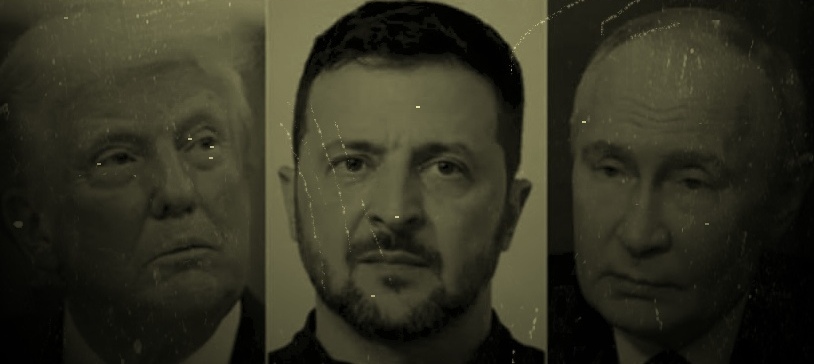
The conflict now tests whether Western power can still limit Russian outcomes as Moscow shifts from containment to full restructuring of Ukraine The conflict is no longer defined by whether Russia can impose its terms, but by which version of those terms ultimately emerges. The war in Ukraine is increasingly defined by a contradiction within… Continue reading
-
The Invisible Architecture of Power Behind The Global Conflicts
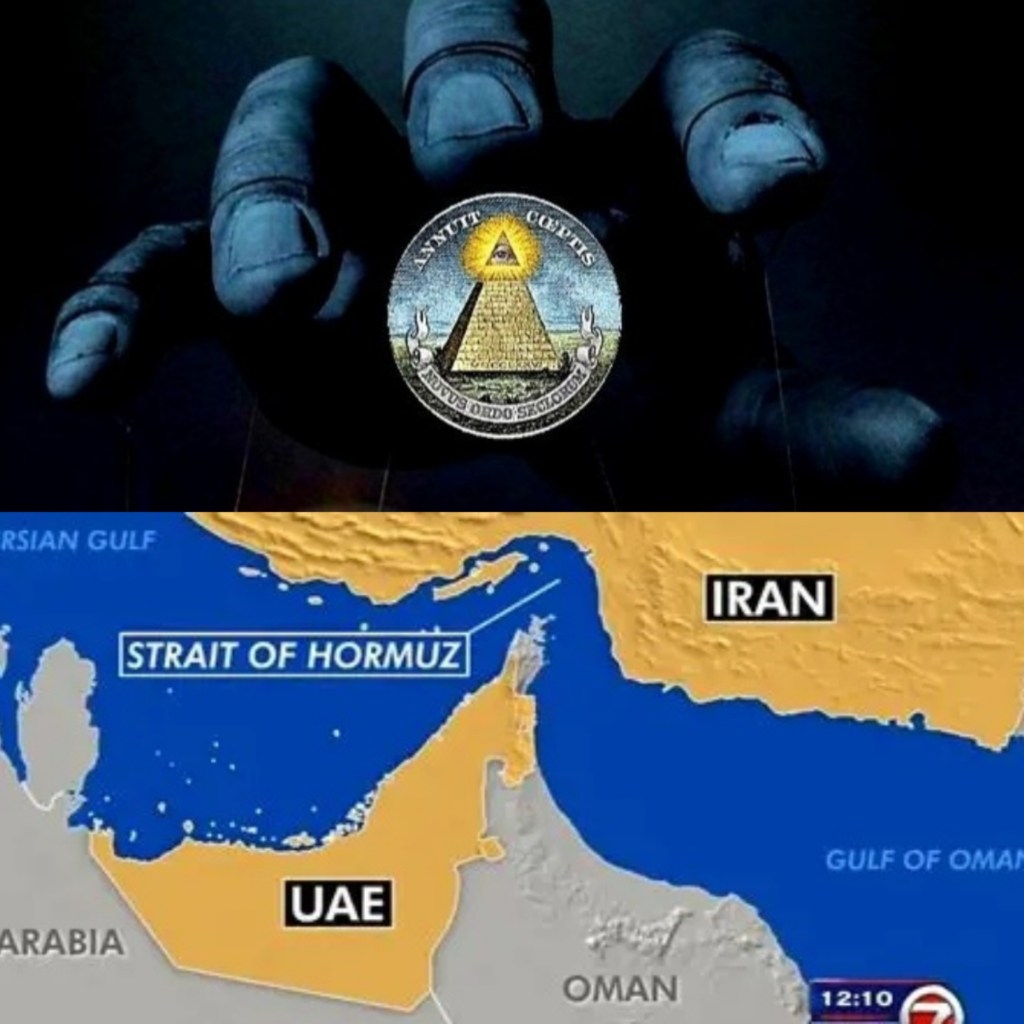
How Transnational Oligarchs, Class Interests, and Strategic Narratives Guide Military, Financial, and Political Decisions Shaping the Modern World A transnational concentration of economic power, largely centred in the United States, is advancing a strategy aimed at consolidating global dominance by weakening sovereign rivals such as Iran, Russia, and China, while deepening Europe’s structural dependence. The… Continue reading
-
How Lavrov’s 2025 Warning About a “Breakdown” in the World Order Is Playing Out Today
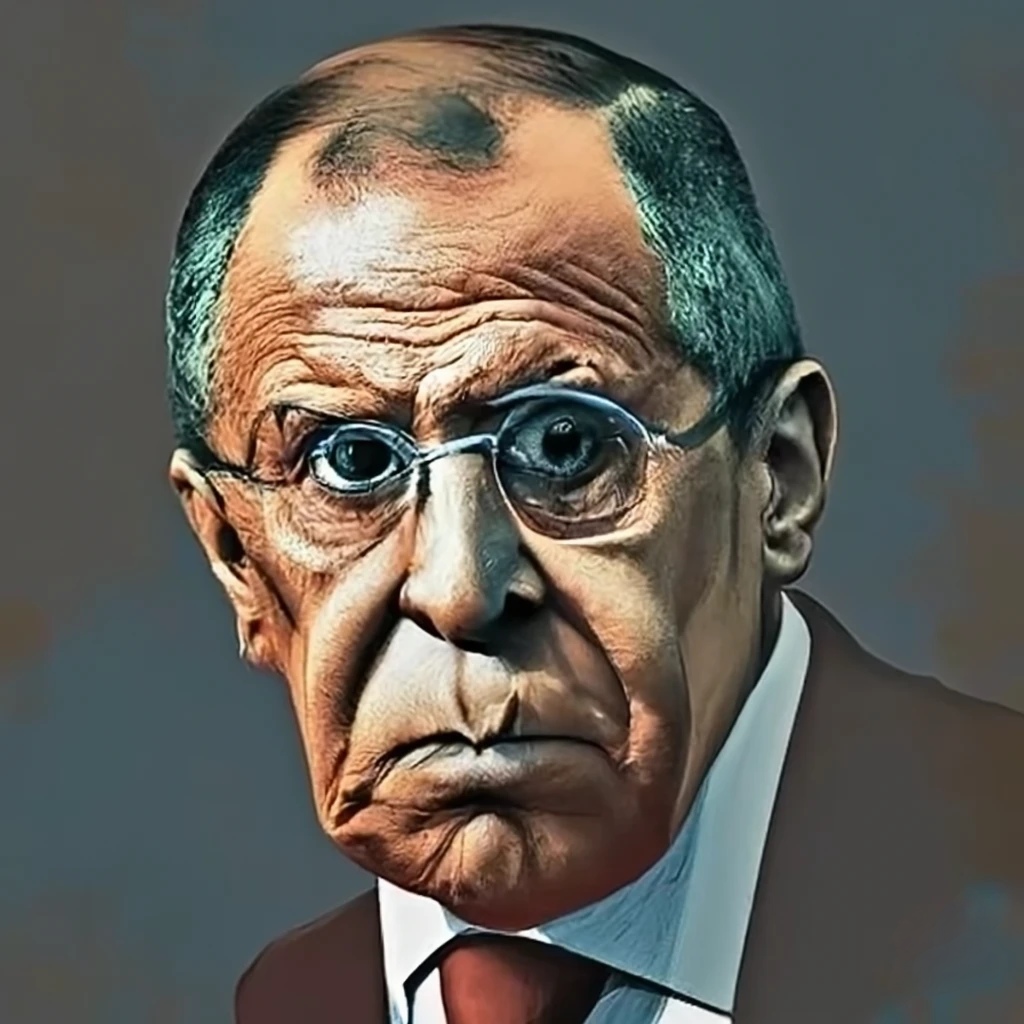
What the Russian foreign minister said at the Russian International Affairs Council in January 2025 and how recent global developments reflect his argument about rising competition, instability, and shifting power dynamics When Sergei Lavrov spoke at the Russian International Affairs Council on January 30, 2025, he laid out a stark view of global politics. He… Continue reading
-
Gulf States Draw Line on War with Iran

Gulf governments resist integration while exploring alternative security architecture Gulf states are declining participation in any military structure that places them alongside Israel or under a unified command that includes Israeli forces. Abdulaziz Sager, founder of the Gulf Research Center, attributes this position to both political constraints and strategic calculation across the region. Several governments… Continue reading
-
The Strait of Hormuz Is Open by Permission
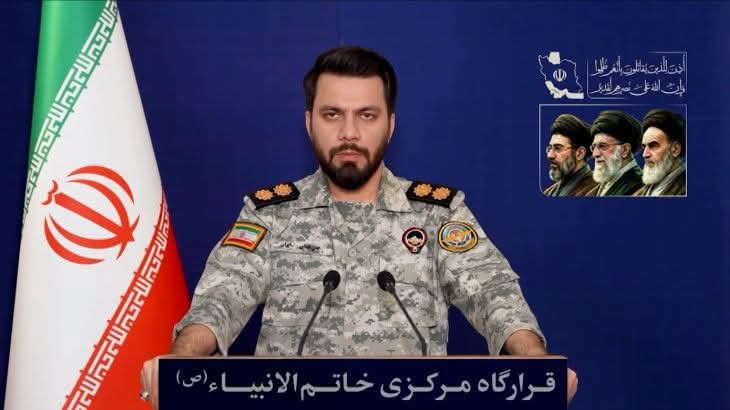
Iran imposes controlled transit after sustained aggression, converting open passage into a regulated system of access, payment, and geopolitical alignment A functioning maritime corridor has been converted into a controlled economic gate without formal closure, altering both the legal character and financial mechanics of the most critical energy chokepoint in the global system. Shipping through… Continue reading
-
The Iran War and the Fragmentation of the Global Energy and Petrodollar Order
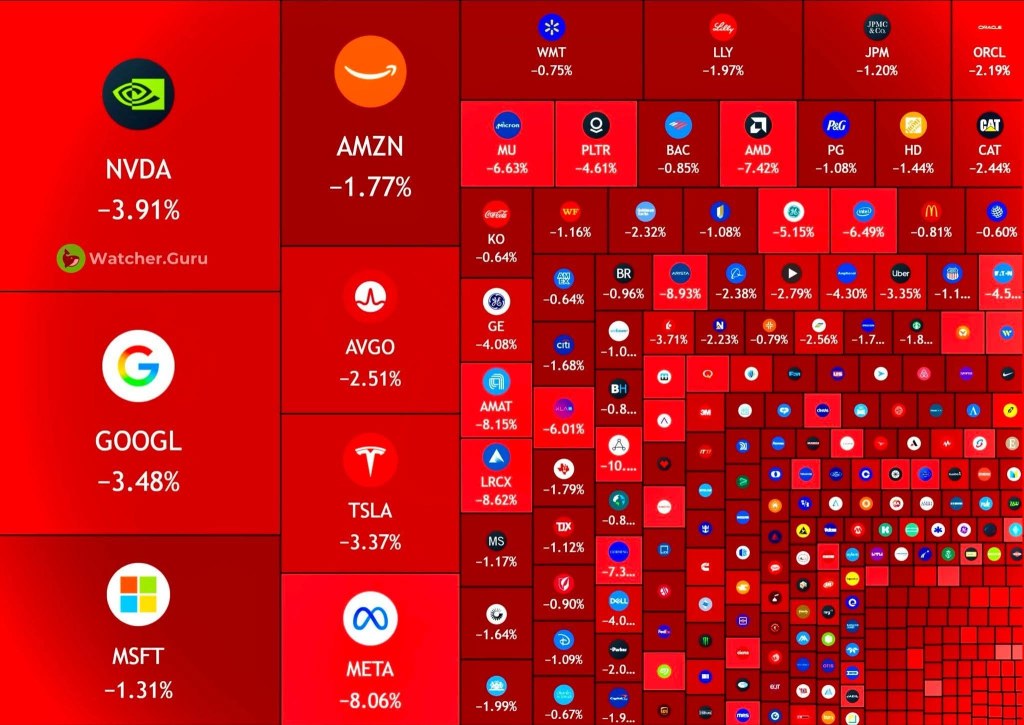
The drive to monopolise global energy, deny rivals access, and reinforce the dominance of the U.S.-led core is accelerating geopolitical realignment reshaping of global power. The war centred on Iran has entered an economic phase that now drives outcomes more decisively than battlefield engagements. The featured image is March 26, 2026, when the stock market… Continue reading
-
China as the Central Obstacle Within the Structural Logic of Confrontation
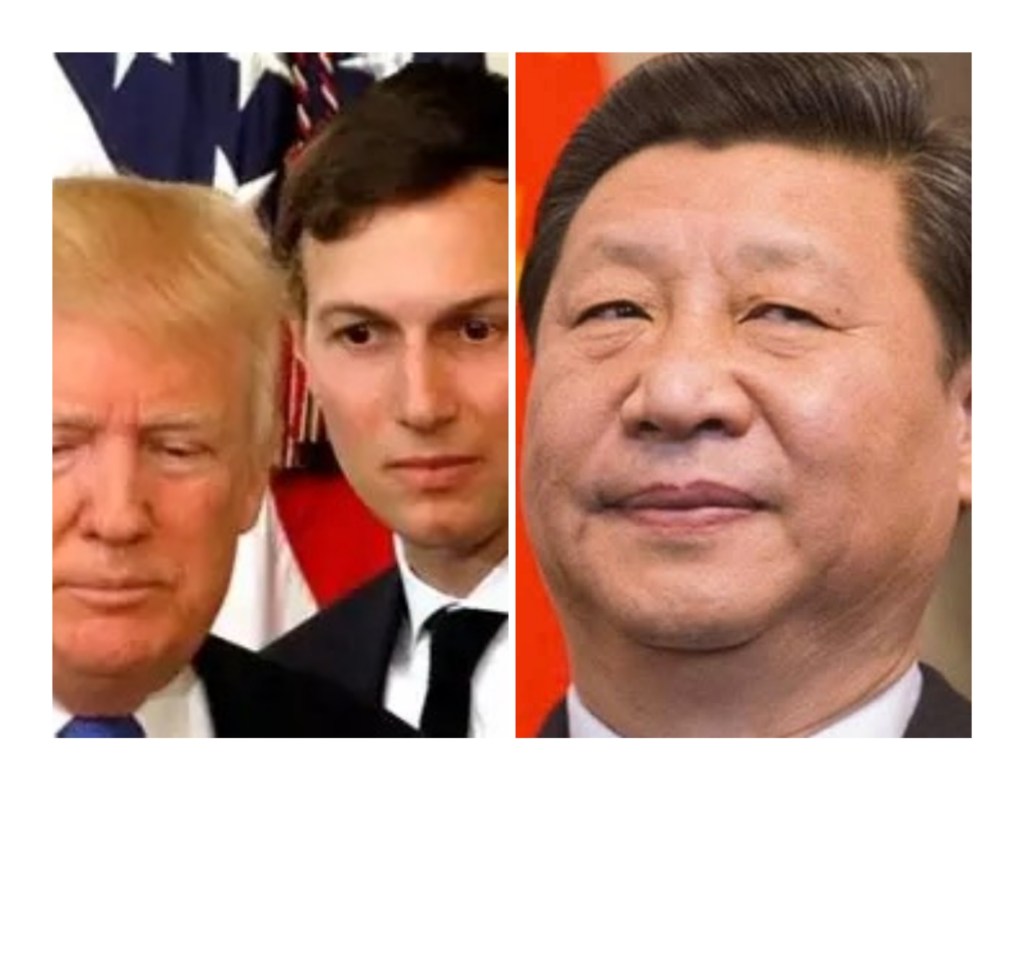
How transnational capital directs United States power to dismantle sovereign development models and preserve global economic control United States policy functions as an extension of transnational capital interests operating through state machinery. A coherent reading of recent geopolitical developments requires attention to structural power rather than electoral cycles or stated doctrine. Analysis grounded in policy… Continue reading
AI and Digital Control, America, China, economics, Energy, EUROPE, Financial markets, Foreign Policy, Geopolitics, Global Finance, iran, israel, middle east, Mineral Resources, NATO, politics, reserve currency, Russia, South East Asia, warBelt and Road Initiative, China, Digital Control, economic warfare., energy security, Eurasia, financial systems, Geoeconomics, Geopolitics, global governance, industrial sovereignty, iran, military strategy, multipolarity, policy continuity, Russia, sanctions, supply chains, transnational capital, United States -
From Hormuz to Diego Garcia? Iranian Escalatory Strike Capacity Unravels Western Military Assumptions
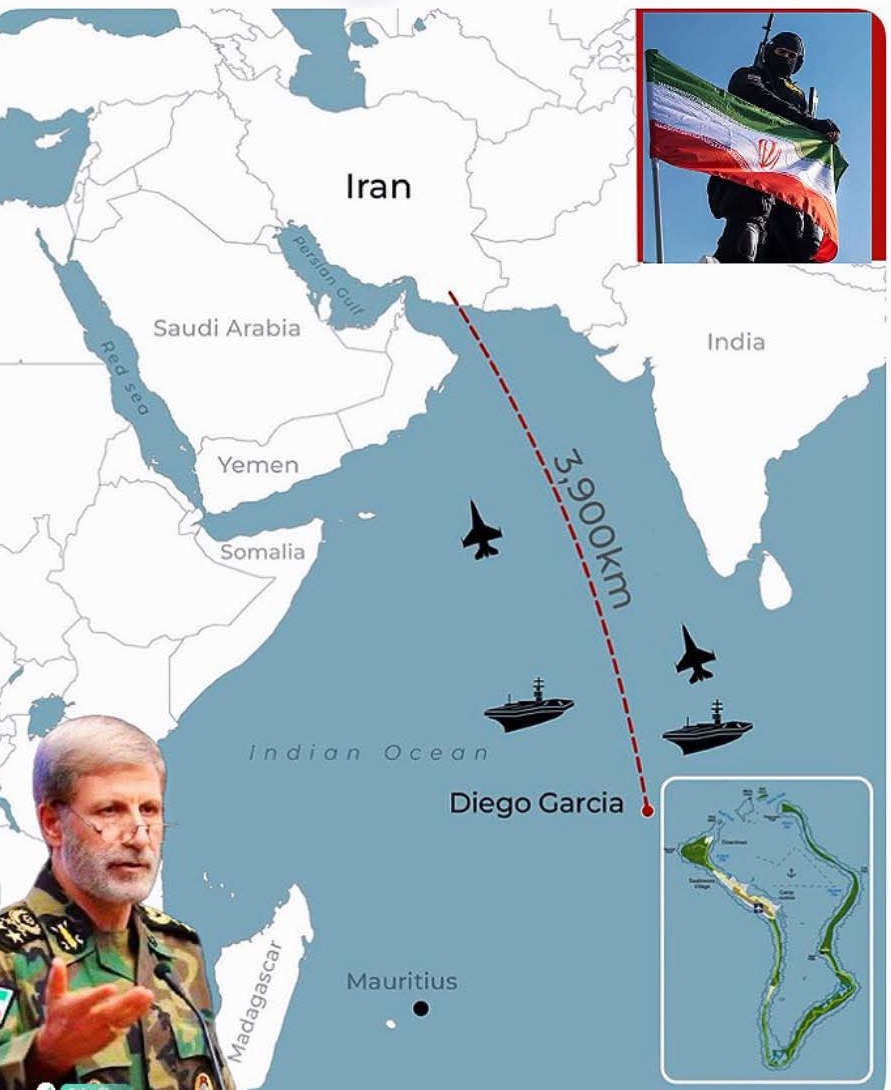
Iranian long-range strike capability, chokepoint control, and infrastructure targeting reshape military balance and global energy systems The conduct of the war has followed a discernible pattern in which Iranian actions have progressively expanded both in scale and technical demonstration, producing cumulative strategic effects that were not anticipated within prevailing Western assessments. Early assumptions regarding the… Continue reading
