
China
-
System Disruption as Strategy: Trump’s Infrastructure Warfare on Iran
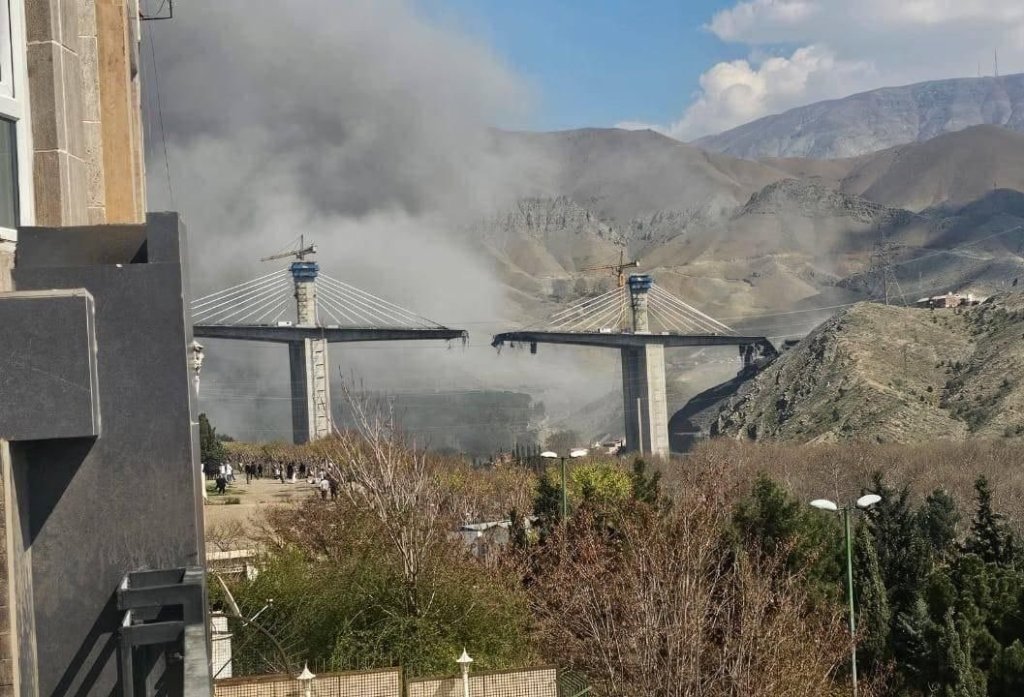
The Evolution of Targeting in the Iran Campaign From Military Objectives to Civil Networks A strike on the B1 Bridge along the Tehran-Karaj northern bypass marks a documented expansion of targeting into civilian infrastructure with no established military function. The structure formed part of a major urban transport project designed to ease congestion across a… Continue reading
AI and Digital Control, China, economics, Energy, EUROPE, Financial markets, Foreign Policy, Geopolitics, Global Finance, iran, israel, NATO, politics, warAdditional Protocol I, airstrikes, civilian infrastructure, conflict analysis, distinction principle, economic pressure, education systems, energy systems, Geneva Conventions, Gulf States, infrastructure warfare, international humanitarian law, iran, israel, Karaj, kinetic operations, legal exposure, medical networks, Middle East security, military targeting, national security, proportionality, resilience analysis, state capacity, strategic escalation, Syrian Civil War, systemic degradation, Tehran, transport infrastructure, war crimes risk -
How Lavrov’s 2025 Warning About a “Breakdown” in the World Order Is Playing Out Today

What the Russian foreign minister said at the Russian International Affairs Council in January 2025 and how recent global developments reflect his argument about rising competition, instability, and shifting power dynamics When Sergei Lavrov spoke at the Russian International Affairs Council on January 30, 2025, he laid out a stark view of global politics. He… Continue reading
-
Diplomacy on Paper, War in Practice
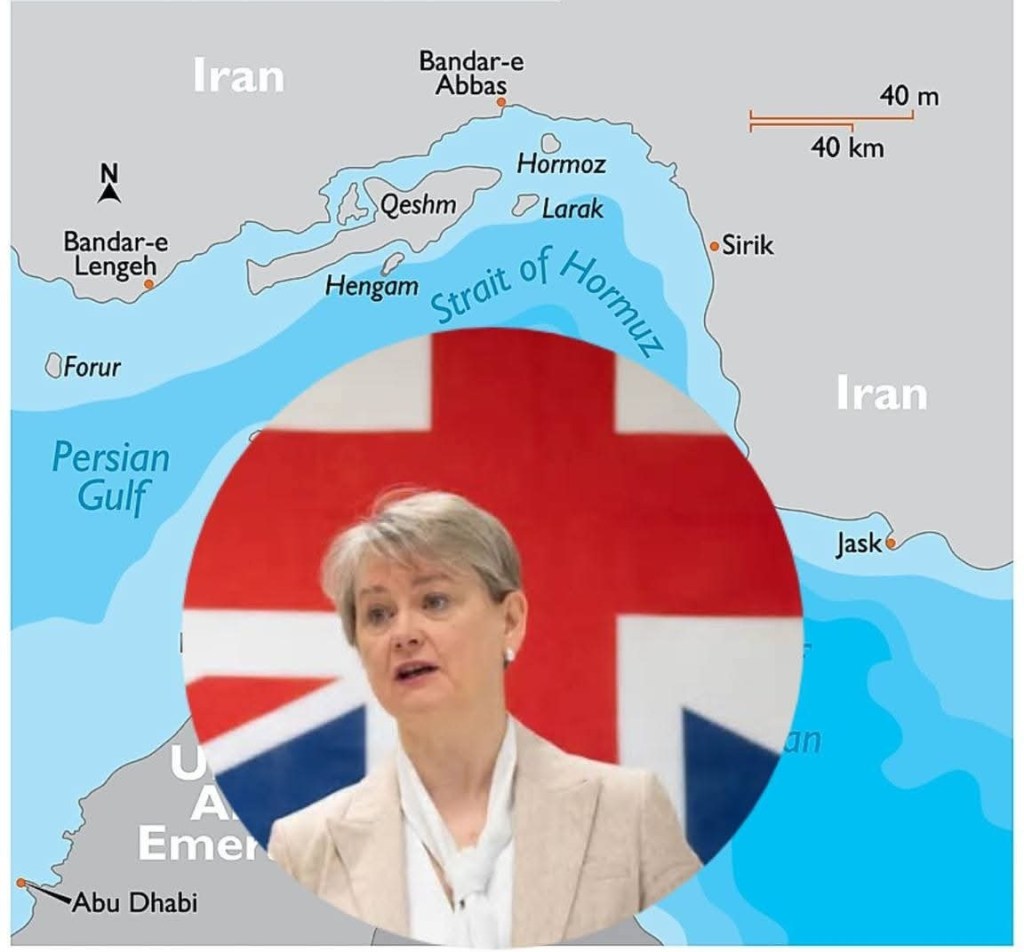
London hosts talks on Hormuz while enabling the very conflict it claims to stand apart from The decision by the United Kingdom to convene a gathering of 35 countries to “explore” reopening the Strait of Hormuz carries the appearance of urgency and coordination, yet it is difficult to avoid the conclusion that it is largely… Continue reading
-
Israel Operates As a Law Unto Itself
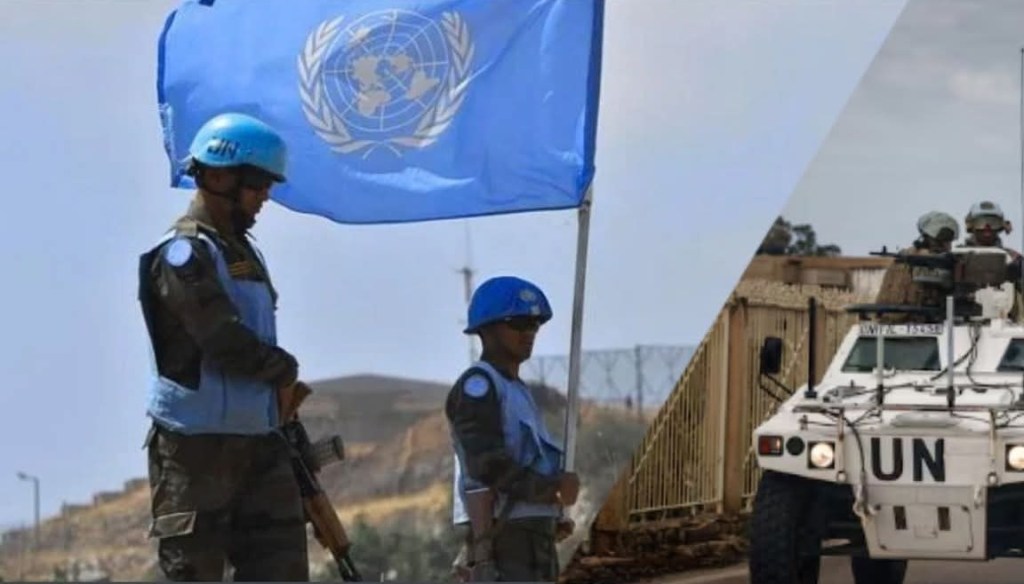
Repeated incidents involving UN personnel highlight a persistent tension between operational conduct, strategic imperatives, and the uneven application of international law. The argument that Israel operates as a law unto itself in its dealings with the United Nations and its personnel rests on a pattern of conduct that critics contend is neither incidental nor episodic,… Continue reading
-
A System That Charges Gulf States for Protection
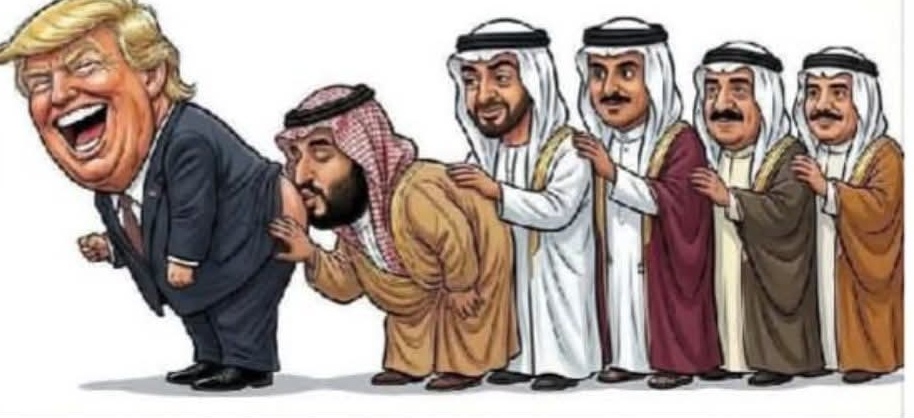
How Gulf states bankroll U.S. military presence while buying weapons and defending the petrodollar (Disclaimer: I did not create the headline cartoon image) The Gulf states are charged for the “myth” of protection. They didn’t start the Iranian war nor were they even consulted. They just woke up to the news of the double tap… Continue reading
AI and Digital Control, China, economics, Energy, EUROPE, Financial markets, Foreign Policy, Geopolitics, Global Finance, iran, israel, middle east, NATO, politics, reserve currency, wararms sales, defense spending, economic dependence, financial systems, Gulf States, imperialism, Iran conflict, Middle East geopolitics, military dependence, Mohammed bin Salman, oil markets, petrodollar, Saudi Arabia, sovereign wealth funds, Trump administration, U.S. bases, U.S. foreign policy, U.S. superpower, Washington influence -
LEGO Wars and Missiles: The Art of Beating Superpowers

An analysis of how strategic preparation, control of critical infrastructure, and narrative influence have given Iran an advantage over superior militaries The war between the United States, Israel, and Iran shows a clear outcome taking shape despite the absence of formal declaration. Iran is winning the war, not through decisive battlefield victory, but through control… Continue reading
AI and Digital Control, America, China, economics, Energy, EUROPE, Financial markets, Foreign Policy, Geopolitics, Global Finance, iran, israel, middle east, Mineral Resources, NATO, politics, reserve currency, Russia, satellites, warAbbas Araghchi, asymmetric warfare, decentralized strategy, defense strategy, diplomatic signaling, energy leverage, Geoeconomics, Gulf geopolitics, hybrid warfare, information warfare, iran, Iran Foreign Minister, military strategy, missile strategy, modern war, narrative control, propaganda, regional security, Strait of Hormuz, strategic endurance, U.S.–Israel conflict -
“I Cannot Be Part of This”: UN Diplomat Resigns, Warns of Possible Nuclear Threat to Tehran
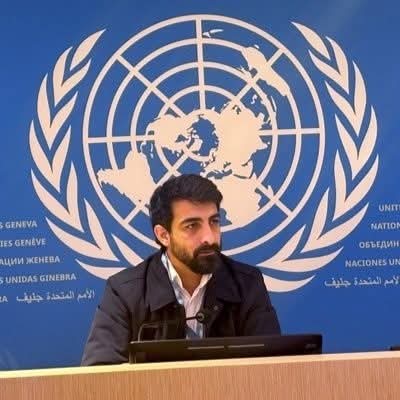
Mohamad Safa abandons 12-year career, accusing UN insiders of preparing for catastrophic action while Iran remains compliant with international law “The UN is preparing for possible nuclear weapon use in Iran”, said Mohamad Safa, a Lebanese diplomat and human rights advocate. Mohamad Safa, a representative of the Patriotic Vision Alliance at the United Nations, has… Continue reading
AI and Digital Control, Carribean, China, economics, Energy, EUROPE, Financial markets, Foreign Policy, Geopolitics, Global Finance, israel, middle east, Mineral Resources, NATO, politics, reserve currency, Russia, warChernobyl, Gaza genocide, geopolitical double standards, global accountability, Hiroshima, human rights, IAEA, international law, Iran nuclear threat, Israel nuclear program, Lebanon war crimes, mainstream media silence, Mohamad Safa, Nagasaki, nuclear escalation, nuclear weapons, Patriotic Vision Alliance, Tehran, UN resignation, United Nations, war crimes, whistleblower -
Ban on Chinese Scientists Scrapped at NeurIPS After Backlash

Sanctions frameworks and conference gatekeeping operate as political tools in shaping scientific access, funding, and global AI competition Reversal of a ban on Chinese researchers by United States-based organizers of NeurIPS has exposed the degree to which geopolitical competition now shapes access to core scientific infrastructure in artificial intelligence, a field central to economic and… Continue reading
AI and Digital Control, America, China, economics, Energy, EUROPE, Financial markets, Foreign Policy, Geopolitics, Global Finance, iran, israel, NATO, politics, reserve currency, Russia, waracademic freedom, AI, AI competition, AI supremacy, artificial intelligence, China, Chinese scientists, compliance, conference governance, COVID-19, Geopolitics, global research, Huawei, ICLR, ICML, innovation, institutional control, knowledge economy, legal frameworks, machine learning, NeurIPS, peer review, research bans, research funding, sanctions, science policy, scientific publishing, technology policy, United States, US-China relations -
Ukraine’s Gulf Expansion Tested by Reported Strike in UAE
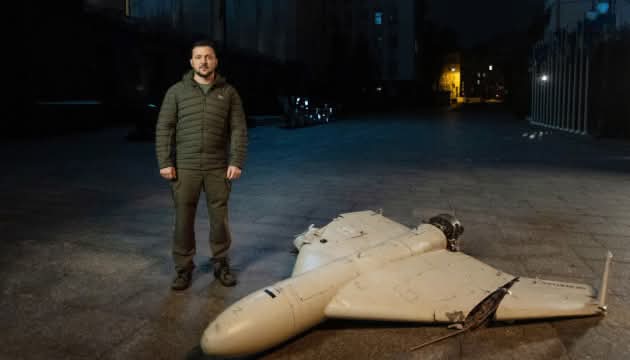
A reported attack on a drone defense site in the Gulf points to a widening, interconnected conflict landscape Recent developments spanning the Middle East and Eastern Europe point to a potentially significant shift in how contemporary conflicts are structured, extending beyond geographically contained wars into interconnected theatres shaped by shared capabilities, strategic signaling, and alliance… Continue reading
AI and Digital Control, America, China, Energy, EUROPE, Financial markets, Foreign Policy, Geopolitics, Global Finance, iran, israel, middle east, Mineral Resources, NATO, politics, reserve currency, Russia, warair defense, counter-drone systems, defense cooperation, deterrence, Drone Warfare, Game Theory, Geopolitics, global conflict, Gulf States, iran, Islamic Revolutionary Guard Corps, Middle East security, military strategy, military technology, proxy conflict, Qatar, Saudi Arabia, UAV, ukraine, United Arab Emirates, Volodymyr Zelenskyy -
America’s Suez Moment at Hormuz
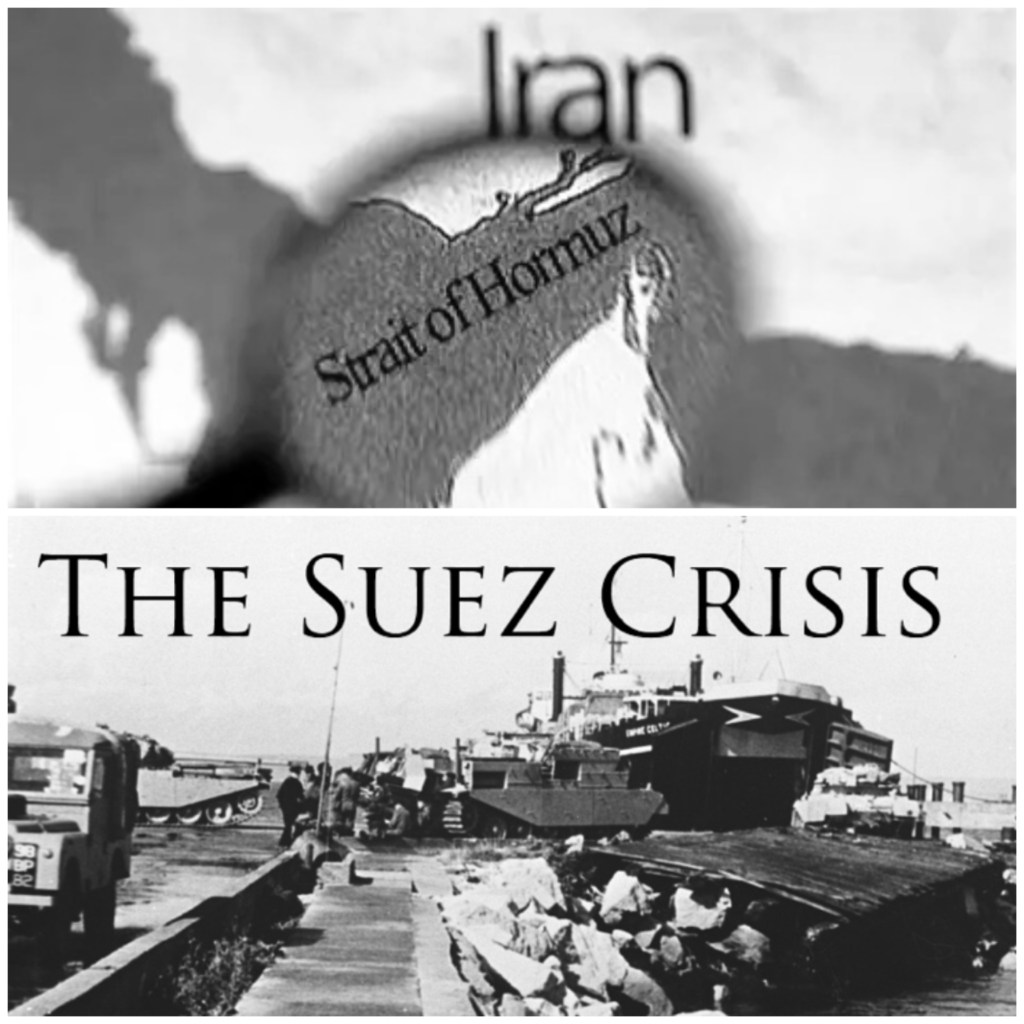
How loss of a single trade route reshapes power, finance, and global order Loss of control over the Strait of Hormuz will mark the end of American global dominance in the same manner that the Suez Canal marked the end of British imperial power, with the mechanism of decline rooted not in immediate military defeat… Continue reading
AI and Digital Control, America, China, economics, Energy, EUROPE, Financial markets, Geopolitics, Global Finance, iran, israel, middle east, NATO, politics, reserve currency, waralliance systems, American empire, asymmetrical warfare, British empire decline, capital flows, debt crisis, energy security, geopolitical analysis, global trade routes, historical precedent, imperial decline, Iran strategy, maritime chokepoints, oil transit, Ray Dalio, reserve currency status, Strait of Hormuz, Suez Crisis 1956, US dollar, US foreign policy
