
Game Theory
-
The Sahel Insurrection and the Break from Neo-Colonial Rule
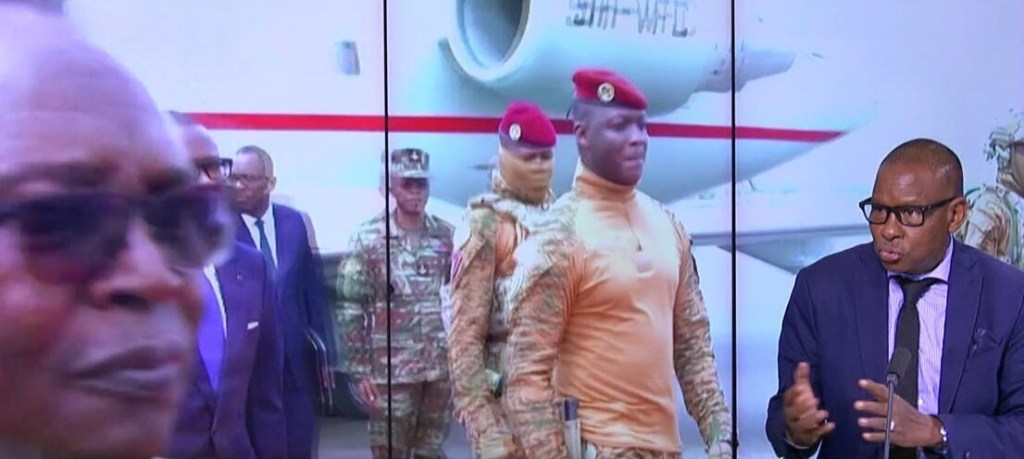
How Burkina Faso, Mali, and Niger transformed the struggle against terrorism into a war of national liberation, reclaimed their resources from French control, and constructed a Pan-African alternative to the IMF’s perpetual indebtedness Editorial Analysis | October 2026 The transformation of the Sahel from a region of perpetual instability and external domination to a laboratory… Continue reading
-
The Terminal Contradictions of American Empire
How the structural vulnerabilities of dollar hegemony, the shadow banking system, and geopolitical overextension are converging to produce an irreversible crisis of the capitalist order Editorial Analysis | September 2026 The American empire is not merely experiencing a cyclical downturn but is entering a terminal phase of structural decline in which the contradictions that have… Continue reading
-
Trump’s Beijing Delegation Exposed the Real Structure of American Power [Extended Version]
![Trump’s Beijing Delegation Exposed the Real Structure of American Power [Extended Version]](https://globalgeopolitics.co.uk/wp-content/uploads/2026/05/img_20260513_235056.jpg?w=1024)
The Beijing visit exposed how transnational corporations, financial institutions, and technology monopolies now operate openly as the permanent power structure beneath American electoral politics. Donald Trump arrived in Beijing flanked by the commanding layer of American corporate and financial power because the visit exposed something Washington normally prefers hidden behind electoral theatre: transnational capital, technology… Continue reading
AI and Digital Control, America, China, economics, Energy, EUROPE, Financial markets, Foreign Policy, Geopolitics, Global Finance, iran, israel, middle east, Mineral Resources, NATO, politics, reserve currency, Russia, South East Asia, warAmerican decline, American empire, Apple, Belt and Road Initiative, blackrock, Boeing, China, Chinese Strategy, Corporate Globalism, corporate power, dollar hegemony, donald trump, economic warfare., elite power structures, energy security, Eurasia, Financial Capital, Financialisation, Foreign Policy, Game Theory, Geoeconomics, Geopolitics, global hegemony, global order, Goldman Sachs, great power competition, Indo-Pacific, Industrial Capacity, industrial policy, international relations, iran, manufacturing, Maritime Strategy, multipolarity, Nvidia, oligarchy, political economy, realism, Semiconductor War, Silicon Valley, Strategic Competition, strategic studies, supply chains, taiwan, technological sovereignty, Tesla, transnational capital, United States, US-China relations, wall street, Xi Jinping -
One Battle, Two Press Releases: Hormuz and the Crisis of American Deterrence
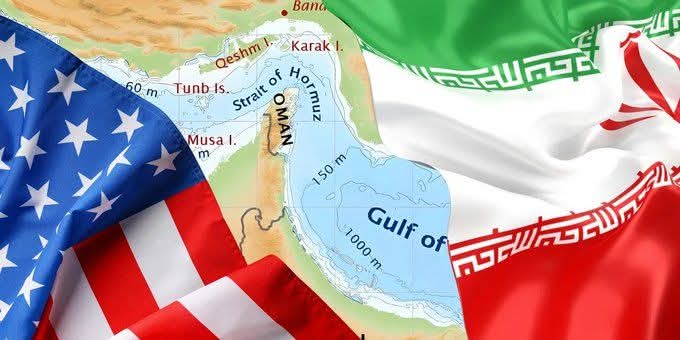
The Persian Gulf confrontation exposed the widening gap between military optics and operational control, while financial stabilisation and military escalation merged into the same strategic system A naval withdrawal inside the Strait of Hormuz would mark a strategic rupture extending far beyond one contested waterway, because the credibility of American maritime supremacy depends upon sustained… Continue reading
AI and Digital Control, America, China, economics, Energy, EUROPE, Financial markets, Foreign Policy, Geopolitics, Global Finance, iran, israel, middle east, Mineral Resources, NATO, politics, reserve currency, Russia, warAmerican Power, anti-access area denial, asymmetric warfare, Clausewitz, Coercive Credibility, Currency Systems, Defence Economics, dollar hegemony, energy security, escalation dominance, Financial markets, financial stability, Game Theory, Geoeconomics, Geopolitics, global order, Hormuz Crisis, imperial decline, international relations, iran, IRGC, maritime chokepoints, Maritime Strategy, Middle East security, military doctrine, Military Industrial Base, military strategy, Missile Saturation, multipolarity, Naval Warfare, Persian Gulf, Plunge Protection Team, political economy, realism, sea power, Strait of Hormuz, Strategic Geography, strategic studies, systemic risk, United States Navy -
The New Geography of Power: Europe Pays, America Pivots (Extended Version)
How Washington weaponised energy chokepoints, controlled instability, and alliance dependency against China, Iran, and Europe. The post-Cold War order is ending not because American power suddenly collapsed beneath external pressure, but because Washington abandoned the economic logic that previously sustained its own imperial system across multiple continents simultaneously. The United States no longer governs primarily… Continue reading
AI and Digital Control, America, China, economics, Energy, EUROPE, Financial markets, Foreign Policy, Geopolitics, Global Finance, iran, israel, middle east, Mineral Resources, NATO, politics, reserve currency, Russia, South East Asia, warAmerican Hegemony, China containment, energy security, Energy Warfare, Eurasia, European Union Crisis, Game Theory, Geopolitics, globalisation, Indo-Pacific, Industrial Dependency, Iran Sanctions, maritime chokepoints, Maritime Strategy, NATO Fragmentation, political economy, realism, Strait of Hormuz, Strait of Malacca, Strategic Competition -
The UAE’s OPEC+ Exit – A Structural Gamble
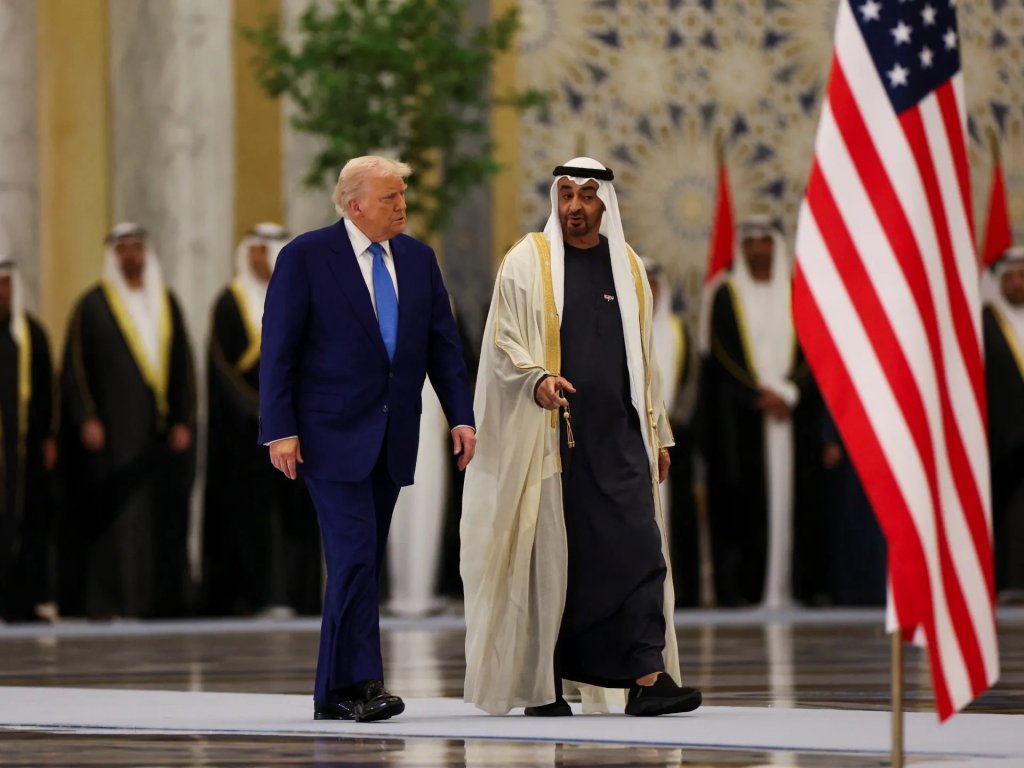
An irreversible strategic shift in energy, security, and regional order The United Arab Emirates’ decision to quit OPEC+ represents a structural rupture in Gulf geopolitics, reshaping energy flows, fracturing regional alliances, and exposing the fragility of U.S. strategic guarantees. This manoeuvre is irreversible. By monetising its newly expanded oil capacity of five million barrels per… Continue reading
AI and Digital Control, America, China, economics, Energy, EUROPE, Financial markets, Foreign Policy, Geopolitics, Global Finance, iran, israel, middle east, Mineral Resources, NATO, politics, reserve currency, Russia, South East Asia, warAbu Dhabi, asymmetric warfare, capital flight, energy strategy, Fujairah pipeline, Game Theory, GCC, global energy markets, Gulf geopolitics, international political economy, iran, Middle East energy, OPEC fragmentation, OPEC+, Persian Gulf, regional alliances, regional power shift, Saudi Arabia, strategic autonomy, U.S. security guarantees, UAE -
The End of Orbán, Not Orbánism

Magyar maintains sovereignty policy while altering Hungary’s position inside EU bargaining as Energy dependence and EU leverage define Hungary’s policy regardless of leadership change Hungary’s recent election removed Viktor Orbán from office after more than a decade of centralised rule, replacing him with Péter Magyar following a vote that delivered roughly 54 per cent to… Continue reading
AI and Digital Control, America, economics, Energy, EUROPE, Financial markets, Foreign Policy, Geopolitics, iran, israel, middle east, Mineral Resources, NATO, politics, reserve currency, Russia, technology, warCentral Europe, defence production, donald trump, elections, energy policy, EU funding, European fragmentation, European Union, Game Theory, Geopolitics, hungary, international relations, JD Vance, migration policy, NATO, Péter Magyar, political economy, Russia, sanctions, Sovereignty, Ukraine war, Viktor Orban, vladimir putin -
When Terms Are Rejected and Wars Cannot Be Won
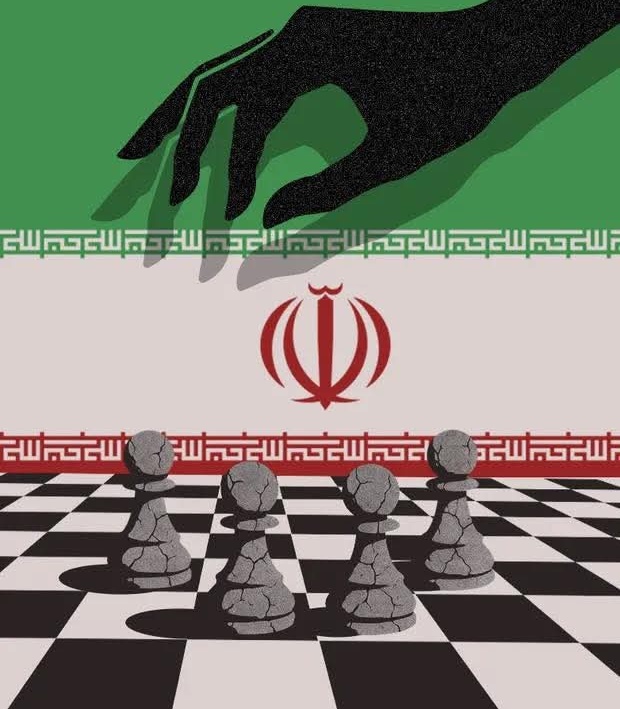
Why Iran Will Not Bargain, Ukraine Cannot Prevail and Brazil’s Rupture with the System A decisive structural rupture now governs the international system, where coercive diplomacy has lost credibility and military-economic escalation has become the primary language of state interaction. Iran’s refusal to attend ceasefire talks does not represent obstinacy but rather a rational rejection… Continue reading
AI and Digital Control, America, Financial markets, Foreign Policy, Geopolitics, Global Finance, iran, israel, middle east, Mineral Resources, NATO, politics, reserve currency, Russia, warattrition warfare, bab el mandeb, Brazil foreign policy, deterrence, energy security, Game Theory, Geopolitics, global energy markets, global governance crisis, global trade disruption, hezbollah, information warfare, international relations theory, Iran US relations, Israel Lebanon conflict, Lula da Silva, maritime chokepoints, Middle East conflict, military industrial complex, multipolar world order, political economy, proxy wars, sanctions economy, Strait of Hormuz, Strategic Competition, Ukraine-Russia war, UN Security Council, Western foreign policy -
Israel as Distraction, China as Target: The Structure of an Emerging Systemic War
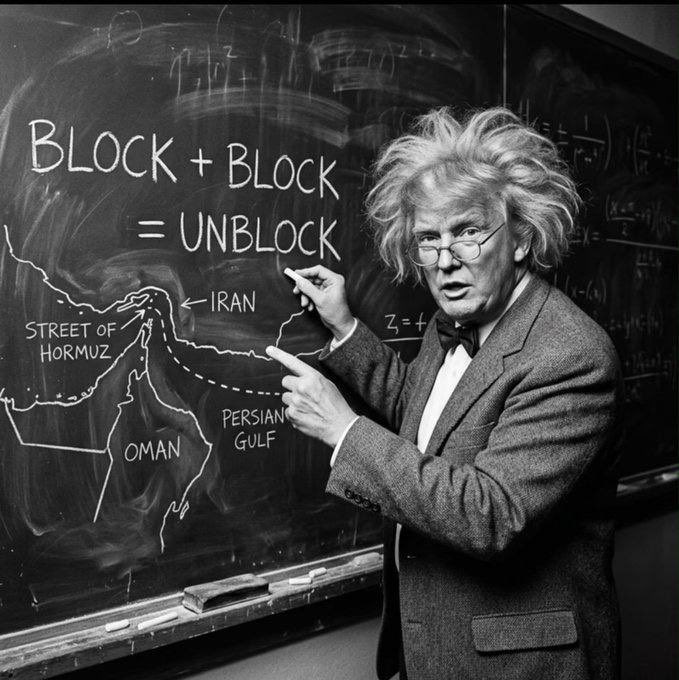
How regional conflict obscures a larger strategy targeting China’s economic lifelines Something has already changed in the way power is organised, though it is rarely put plainly. The pattern of events still looks familiar, which is why it is easy to miss. Military movements in the Middle East are usually explained in terms of local… Continue reading
AI and Digital Control, America, China, economics, Energy, EUROPE, Financial markets, Foreign Policy, Geopolitics, Global Finance, iran, israel, middle east, Mineral Resources, NATO, politics, reserve currency, Russia, waranti-access area denial, blockade strategy, China containment, coercive diplomacy, economic warfare., energy security, Game Theory, Geopolitics, global trade routes, grand strategy, great power competition, hegemonic stability, Indo-Pacific strategy, international relations theory, iran, Marine Corps restructuring, maritime chokepoints, Middle East conflict, military doctrine, multipolar world order, naval strategy, political economy, resource control, Russia-China relations, strategic encirclement, supply chain security, systemic war, US foreign policy -
Iran – The Last Window of Empire to Stop Multipolarity
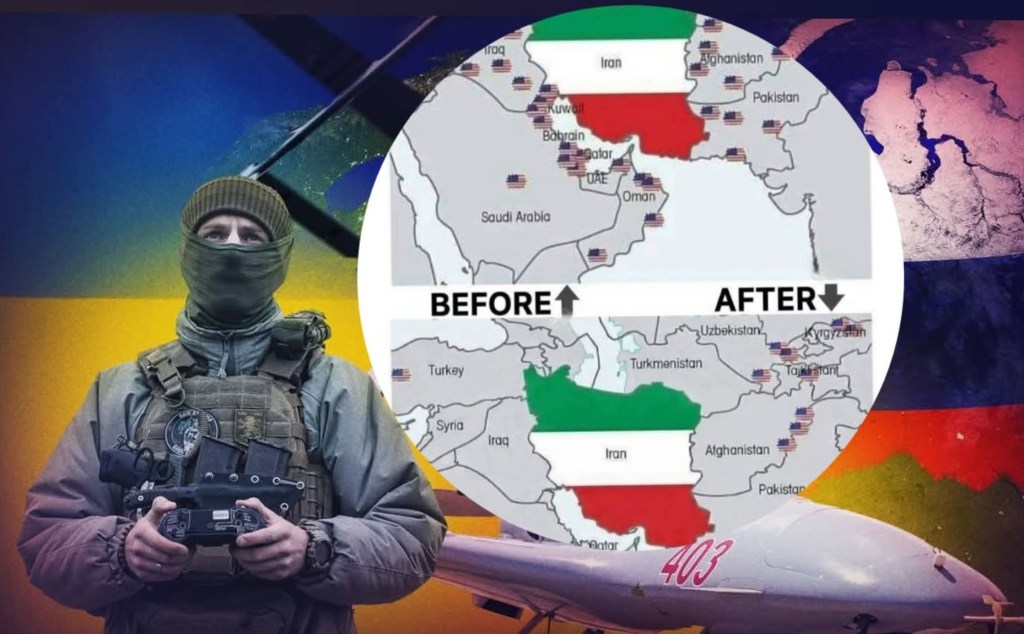
Why the War on Iran Signals a Final Attempt to Halt Multipolarity Before It Becomes Irreversible A structural rupture in the international system is already underway, and its trajectory has become effectively irreversible. The confrontation centred on Iran constitutes not a regional escalation but a terminal phase in the enforcement of a unipolar order that… Continue reading
AI and Digital Control, America, China, economics, Energy, EUROPE, Financial markets, Foreign Policy, Geopolitics, Global Finance, iran, israel, Latin America, middle east, Mineral Resources, NATO, politics, reserve currency, Russia, South East Asia, warChina Strategy, de-dollarisation, economic warfare., energy geopolitics, Game Theory, Geopolitics, global energy markets, global order, grand strategy, great power competition, hegemonic decline, imperial strategy, international relations theory, Iran conflict, Middle East geopolitics, multipolarity, petrodollar system, political economy, proxy warfare, Russia strategy, sanctions, Strategic Competition, systemic risk, unipolarity, US foreign policy
